
Asphalt Driveway Sealing Morris, Sussex & Somerset County, NJ

Stop Cracks Before They Cost You Thousands
Your driveway faces 55 freeze-thaw cycles every winter. Water gets in, freezes, expands, and cracks your asphalt apart. Professional sealcoating blocks that water and protects your investment for years.
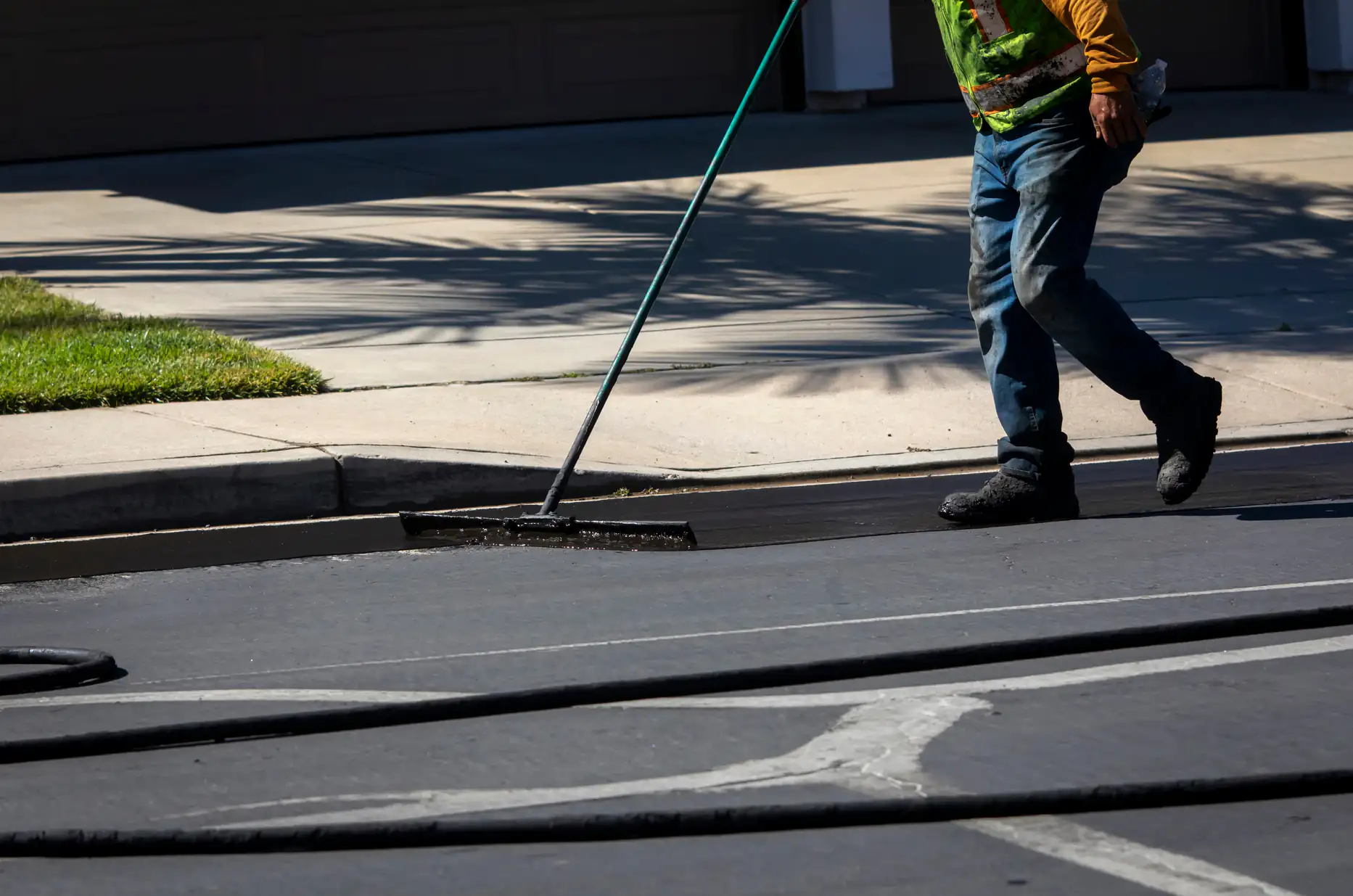
A worker wearing jeans and a safety vest uses a long-handled tool to smooth freshly laid asphalt on a street near a curb, with hoses laying across the road.

Over 20 Years Local Experience

We've worked in Morris, Sussex, and Somerset Counties long enough to know your soil conditions, drainage challenges, and what actually lasts here.

Owner On Every Job Site

You're not getting a crew alone. Leadership shows up to make sure the work meets our standards and yours every single time.

Two Coat Application Standard

We don't cut corners with single coats. Two coats give you 3-4 years of protection instead of needing work again next year.

Complete Surface Preparation Included

Hot crack filling, power washing, oil spot treatment—all included. Sealer only works when the surface is properly prepped for it.
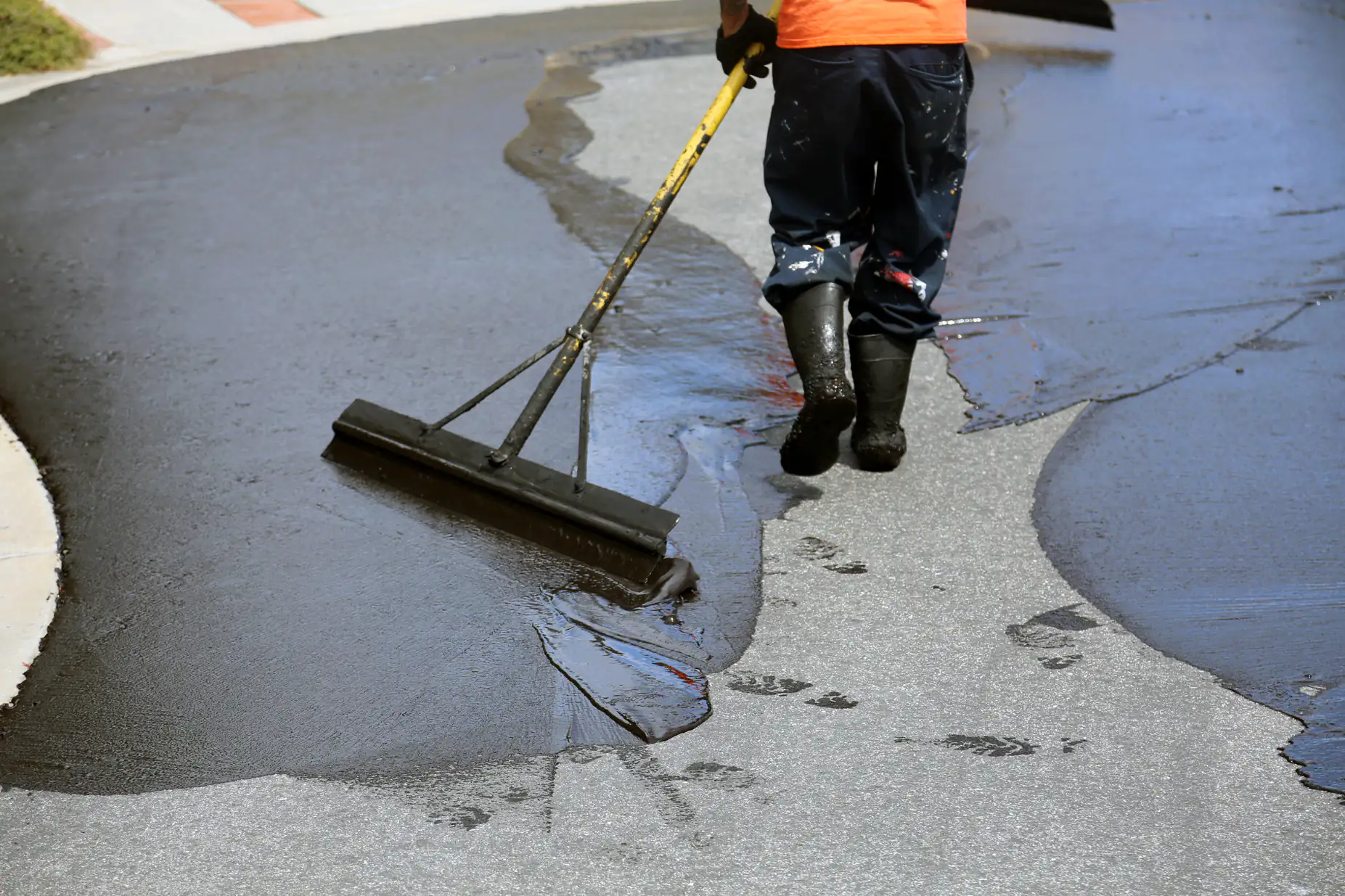
A worker in black boots and an orange shirt spreads fresh tar or sealant on a curved asphalt road using a large squeegee, leaving wet, shiny footprints behind.

Professional Driveway Sealcoating Morris, Sussex & Somerset County, NJ

What Asphalt Sealing Actually Does for Your Driveway

  • Asphalt driveway sealing adds a protective barrier over your pavement.
  • It helps block water from getting into small cracks and causing damage during winter freezes.
  • It protects the surface from UV rays that dry out the asphalt and make it brittle.
  • It helps resist oil, gas, and road salt that can wear down the driveway over time.
  • Without sealcoating, asphalt can oxidize faster, leading to more cracks and future potholes.
  • Sealcoating every 2–3 years can help extend the life of your driveway from around 15 years to 25 years or more.
  • This can reduce the need for major repairs or full driveway replacement.
  • Regular sealing helps protect your driveway and keep it in better shape for the long term.

Hear from Our Customers

Benefits of Driveway Sealing in NJ

What You Actually Get When Your Driveway Is Sealed Right

This isn’t just about making your driveway look darker for curb appeal—though it does that. It’s about stopping expensive damage before it happens and keeping your asphalt functional through New Jersey’s brutal weather.

Water can't penetrate into cracks where it freezes, expands by 9%, and turns hairline damage into potholes that cost $300-$800 each to repair.

Your driveway stays flexible instead of becoming brittle, so it handles Morris County's temperature swings from 20°F to 85°F without cracking apart.

You'll avoid the $3,000-$10,000 replacement cost that comes when neglected asphalt fails at the base level and needs complete excavation.

Snow removal gets easier and faster because the smooth sealed surface doesn't catch on shovels or create rough spots where ice builds up.

Oil and gas spills from your vehicles stay on the surface instead of soaking in and breaking down your asphalt's binding agents permanently.

You get that fresh black appearance back immediately, which matters when you're maintaining property value or planning to sell within a few years.

A large white number 1 is centered on a solid black circle with a plain light gray background, symbolizing top-rated Paving Contractors in Morris, NJ and serving Sussex & Somerset County.

Share project details

Call us or get a free online quote to help us identify your project needs.

A bold white number 2 is centered inside a solid black circle on a light gray background, representing Sussex & Somerset County, NJ Paving Contractors Morris.

We'll follow up

If you requested an online quote, you can expect a callback within 24-48 hours of your request.

A large white number 3 is centered inside a solid black circle on a plain light background, representing Paving Contractors Morris, Sussex & Somerset County, NJ.

The floor is yours

Connect with an expert and share all project specifics.

A bold white number 4 is centered inside a solid black circle on a light gray background, representing Paving Contractors Morris, Sussex & Somerset County, NJ.

Plan your project

Like what you hear? We'll provide next steps and expert guidance.
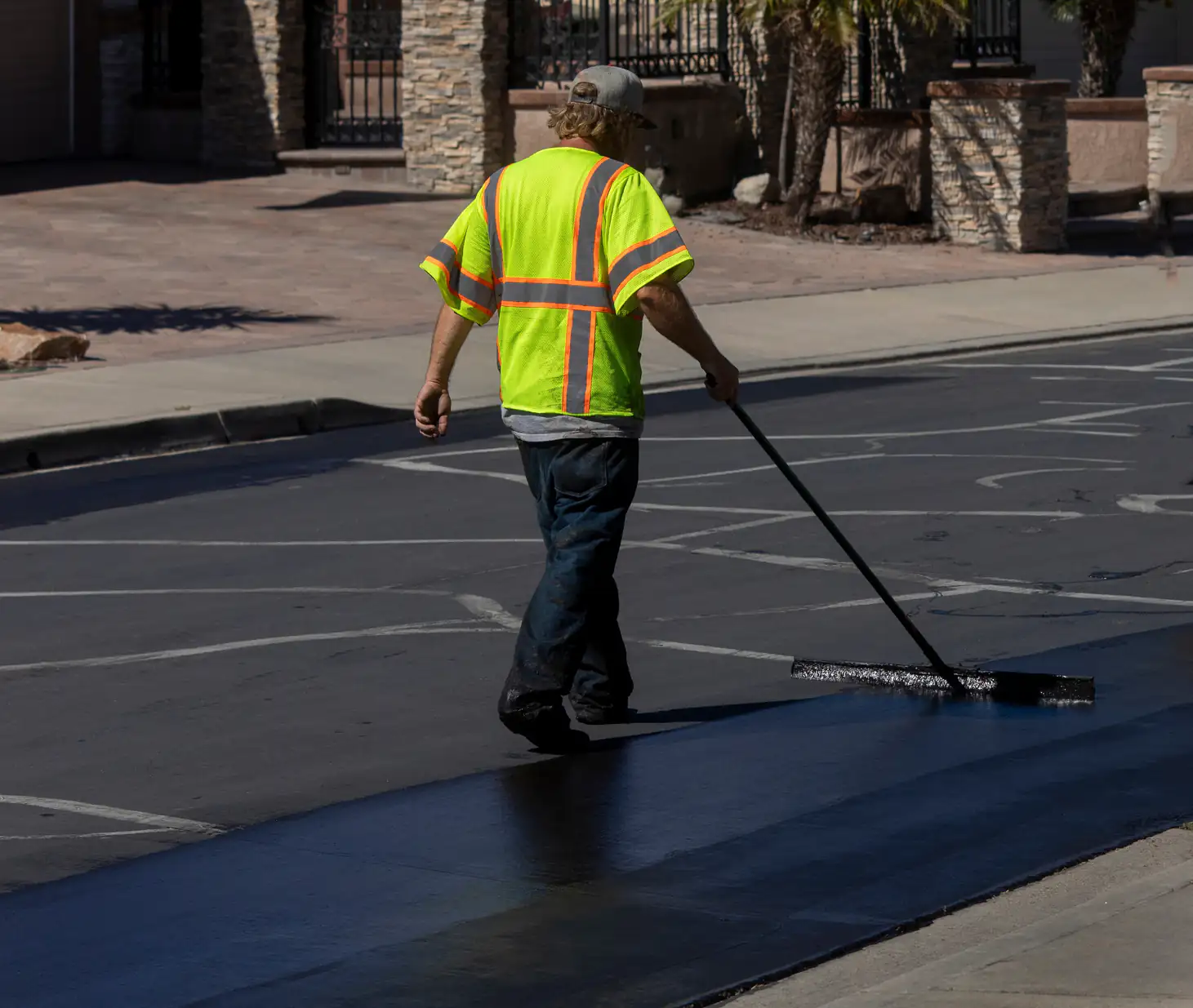
A worker in a neon yellow safety shirt and cap uses a large squeegee to spread fresh asphalt or sealant on a street in a residential area on a sunny day.

Driveway Sealing Cost Morris County

Why Professional Sealcoating Costs What It Does

Asphalt driveway sealing in Morris County, NJ typically runs between $200 and $500 for a standard two-car driveway, depending on size and condition. That breaks down to roughly $0.15 to $0.40 per square foot. If your driveway needs significant crack filling or has heavy oil staining, expect to add $100 to $300 for proper prep work. Compare that to new asphalt installation at $3.50 to $6.00 per square foot. A typical driveway replacement costs $3,000 to $10,000 in our service area. Driveway sealcoating every 2-3 years is a fraction of that expense and keeps you from needing replacement in the first place. The cost reflects proper materials and application. We use commercial-grade sealer mixed with sand for traction and durability—not the consumer products from hardware stores. We apply two coats because New Jersey’s freeze-thaw cycles destroy single-coat applications within a year or two. We include crack filling with hot rubberized material that actually seals, not the cold-pour stuff that fails by spring. You’re paying for work that lasts multiple seasons, not work that looks good for six months and then needs redoing. Budget matters, but so does the difference between spending $400 now versus $5,000 later when your driveway needs resurfacing because water got into the base and caused structural damage.

When to Seal Asphalt Driveway NJ

Timing Matters More Than Most Homeowners Realize
If your driveway is new, wait 6 to 12 months before the first sealcoat. Fresh asphalt needs time to cure and release oils. Seal it too soon and you trap those oils, which causes deterioration from the inside out. Wait too long and weather starts breaking down the surface before you’ve protected it. It’s a narrow window, but it matters. After that first application, reseal every 2 to 3 years. In Morris, Sussex, and Somerset Counties, lean toward every 2 years if your driveway gets heavy use or if you’ve had a particularly harsh winter with multiple ice storms. You’ll know it’s time when the color fades from black to gray, when you can see individual stones in the aggregate, or when small cracks start appearing along the edges or down the center. The best time for application is late spring through early fall—May through October in our region. You need temperatures above 50°F with no rain in the forecast for at least 48 hours. The sealer needs time to cure properly. We don’t rush jobs in marginal weather because that’s how you get peeling, flaking, and failed applications that waste your money and leave your driveway unprotected. Fall sealcoating, done in September or early October, protects your driveway right before winter hits. That’s often smarter than waiting until spring to repair damage that’s already happened. Prevention costs less than correction.
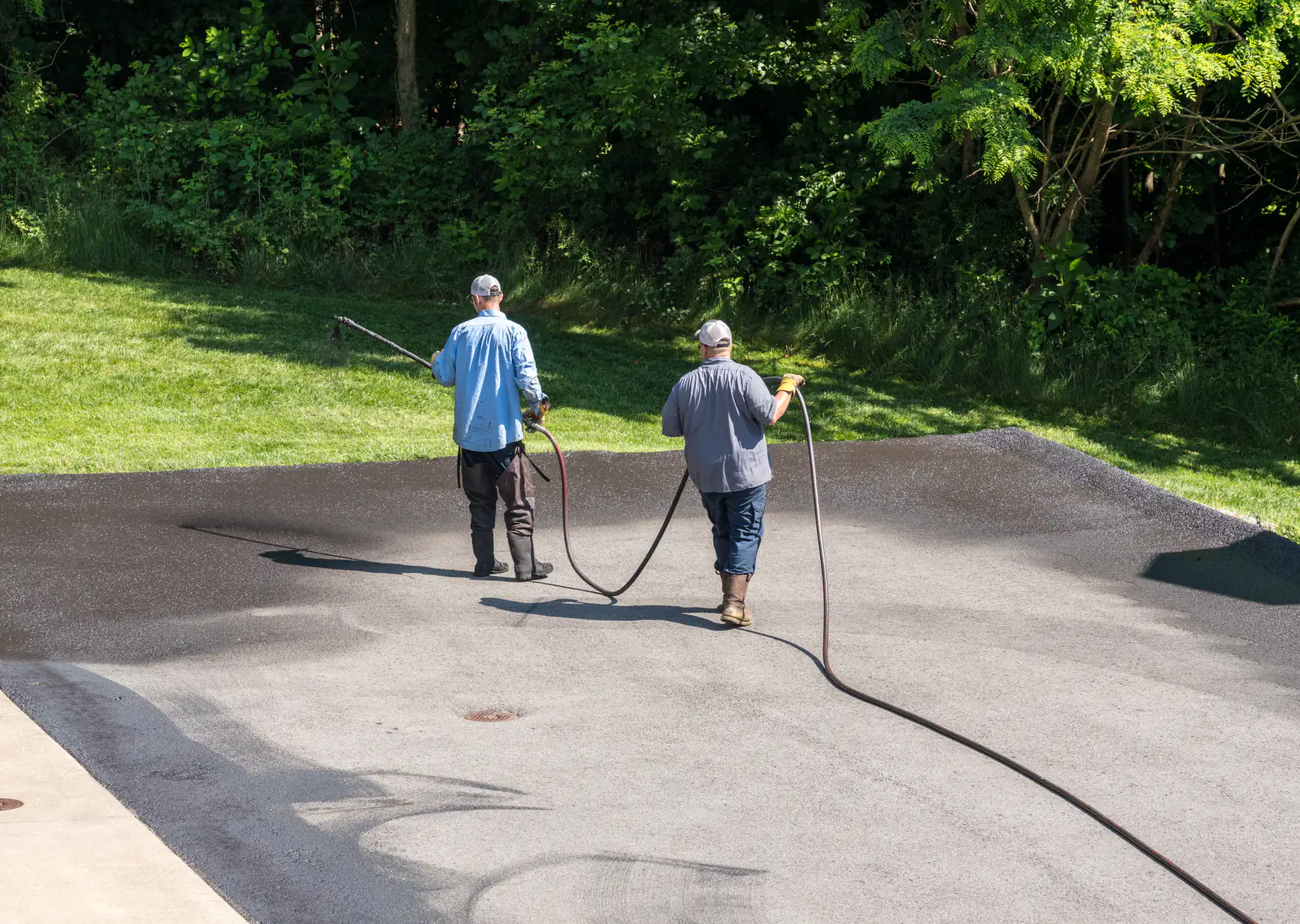
Two workers wearing hats apply liquid sealant with hoses to a blacktop driveway on a sunny day, with trees and green grass in the background.
Asphalt Driveway Sealing FAQs

Common Questions About Our Service

Seal your driveway every 2 to 3 years for optimal protection in New Jersey. Our region experiences 55 to 75 freeze-thaw cycles every winter—significantly more than many other states. Each cycle allows water to seep into cracks, freeze, expand by roughly 9%, and cause structural damage. If your driveway sees heavy use, has significant sun exposure, or went through a particularly harsh winter with multiple ice storms, lean toward sealing every 2 years instead of 3. You’ll know it’s time when the surface fades from deep black to dull gray, when you start seeing individual aggregate stones clearly, or when small cracks begin appearing along edges or down the center. For new driveways, wait 6 to 12 months before the first sealcoat to allow the asphalt to cure and release surface oils properly.
Two coats last 3 to 4 years in New Jersey’s climate, while single coats typically need redoing within 1 to 2 years. The first coat, mixed with sand aggregate, creates a thick protective base layer that fills minor surface imperfections and provides traction. The second coat seals everything and provides complete weather protection. Single-coat applications are thinner and more vulnerable to wear from vehicle traffic, UV exposure, and freeze-thaw cycles. Some driveway sealer companies offer one coat to lower their bid price, but you end up paying more over time because you’re resealing twice as often. We include two coats as standard because it’s what actually protects your driveway through multiple harsh seasons. The upfront cost difference might be $50 to $150, but the long-term value and protection are significantly better. In Morris, Sussex, and Somerset Counties, where winters are particularly tough, single-coat applications simply don’t hold up.
You can seal it yourself, but professional application typically lasts longer and looks better. DIY driveway sealing saves on labor costs—roughly $1.15 per square foot—but requires proper equipment, quality materials, and correct technique. Most homeowners use consumer-grade sealer from hardware stores, which isn’t as durable as the commercial-grade products we use. They often skip crucial prep work like hot crack filling and oil spot priming, which means the sealer doesn’t adhere properly or protect completely. Application technique matters significantly—uneven coverage, missed spots, thin application, and improper edge work all reduce effectiveness and lifespan. If you go the DIY route, budget extra time for thorough surface preparation, buy professional-quality materials, apply two coats, and follow manufacturer instructions precisely. For driveways with significant cracking, drainage issues, heavy oil staining, or structural concerns, professional service usually makes more financial sense and delivers better long-term protection.
No, asphalt sealcoating doesn’t fix existing cracks—it prevents new ones from forming and stops small cracks from getting worse. Before we apply sealer, we fill cracks with hot rubberized crack filler, which actually seals the opening and prevents water infiltration at the source. The sealcoat then goes over the entire surface, including those repairs, to create a unified protective barrier. If your driveway has major structural cracks, alligatoring, deep potholes, or base failure, those need proper repair or patching before sealcoating makes sense. Sealer is a preventative maintenance measure, not a structural repair solution. Think of it like painting a house—you patch holes and fix damage first, then apply the protective coating over properly repaired surfaces. Trying to seal over major damage just hides the problem temporarily while it continues deteriorating underneath. We’ll assess your driveway’s condition and recommend crack filling or patching as needed before we sealcoat.
Late spring through early fall—specifically May through October—gives you the best conditions for asphalt driveway sealing in Morris County, NJ. You need temperatures consistently above 50°F, ideally between 50°F and 85°F, with no rain forecasted for at least 48 hours after application. The sealer needs proper curing time, and cold temperatures or moisture prevent that chemical process from completing. Early fall, particularly September, is often ideal because you’re protecting your driveway right before winter’s freeze-thaw cycles begin. Spring works too, but you’re repairing damage after the fact rather than preventing it. Avoid late fall and winter applications entirely—asphalt contractors who push driveway sealcoating work in November or December are either desperate for business or don’t care about quality results. Sealer applied in cold weather often peels, flakes, or wears off by spring, which wastes your money and leaves your asphalt unprotected when it matters most.
The actual application takes a few hours for a typical residential driveway, but you need to stay off the surface for 24 to 48 hours while it cures. Cure time depends on temperature, humidity, sun exposure, and shade. Warmer, drier conditions with direct sunlight mean faster curing—sometimes 24 hours is sufficient. Cooler temperatures, shaded areas, or high humidity can require the full 48 hours or even longer. We’ll give you specific guidance based on weather conditions and your driveway’s exposure when we complete your job. You can usually walk on the surface after 3 to 4 hours, but don’t drive on it or park vehicles until it’s fully cured. Driving too soon can leave permanent tire marks, damage the seal, and reduce the effectiveness of the protective coating. Plan accordingly if you need daily access to your garage or if multiple vehicles use the driveway regularly.
A large white number 1 is centered on a solid black circle with a plain light gray background, symbolizing top-rated Paving Contractors in Morris, NJ and serving Sussex & Somerset County.

Surface Preparation and Crack Repair

We power wash to remove dirt and debris, fill cracks with hot rubberized material, prime oil spots, and trim edges clean. Sealer only adheres to properly prepped surfaces.

A bold white number 2 is centered inside a solid black circle on a light gray background, representing Sussex & Somerset County, NJ Paving Contractors Morris.

Two-Coat Application with Sand Additive

First coat includes sand for thickness and durability. After it dries completely, we apply the second coat for full protection. This gives you 3-4 years of performance.

A large white number 3 is centered inside a solid black circle on a plain light background, representing Paving Contractors Morris, Sussex & Somerset County, NJ.

Curing and Final Walkthrough

The surface needs 24-48 hours to cure before you can drive on it. We walk the job to verify coverage is even and edges are clean.

Cities we provide Asphalt Driveway Sealing In