
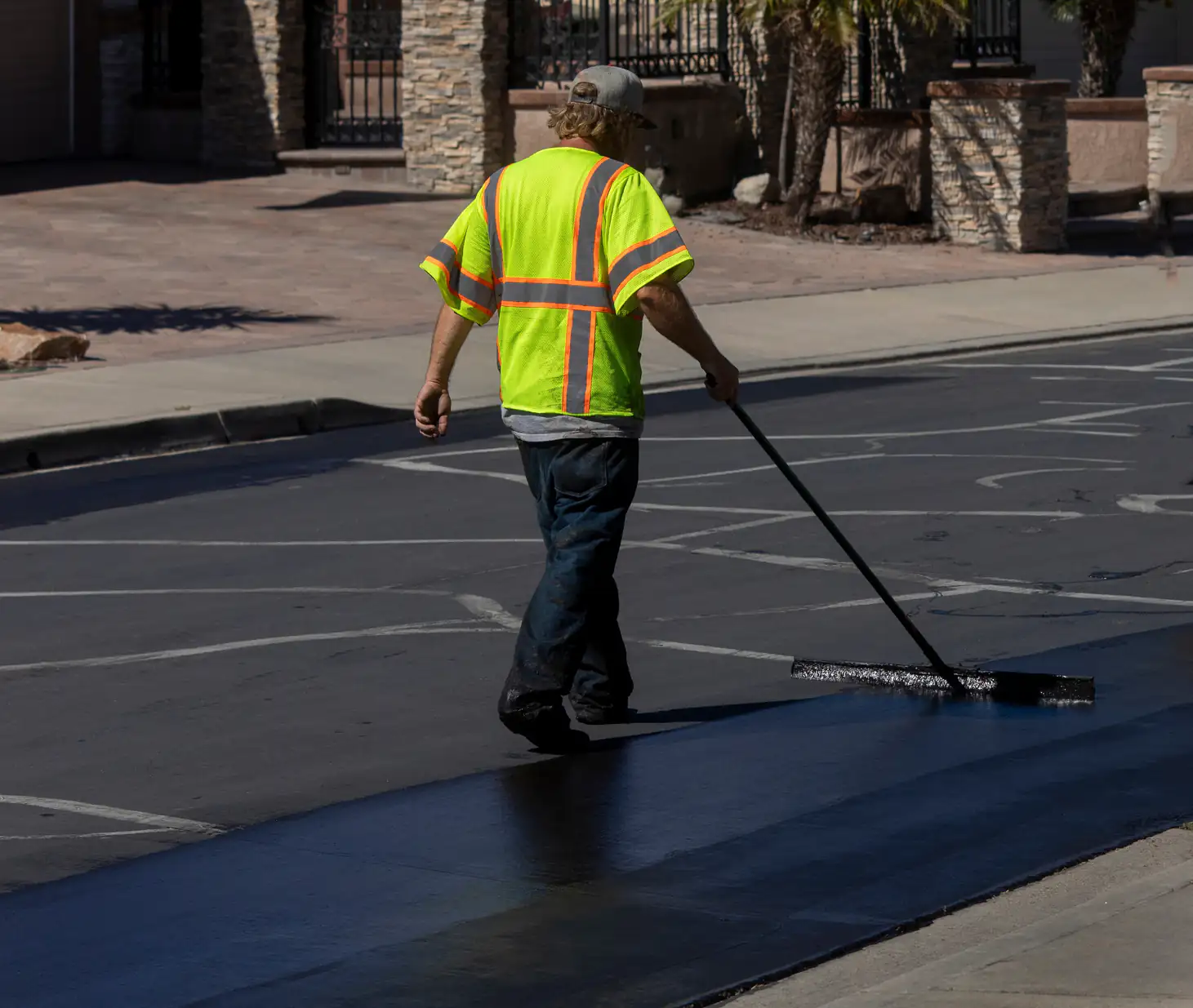
Hear from Our Customers
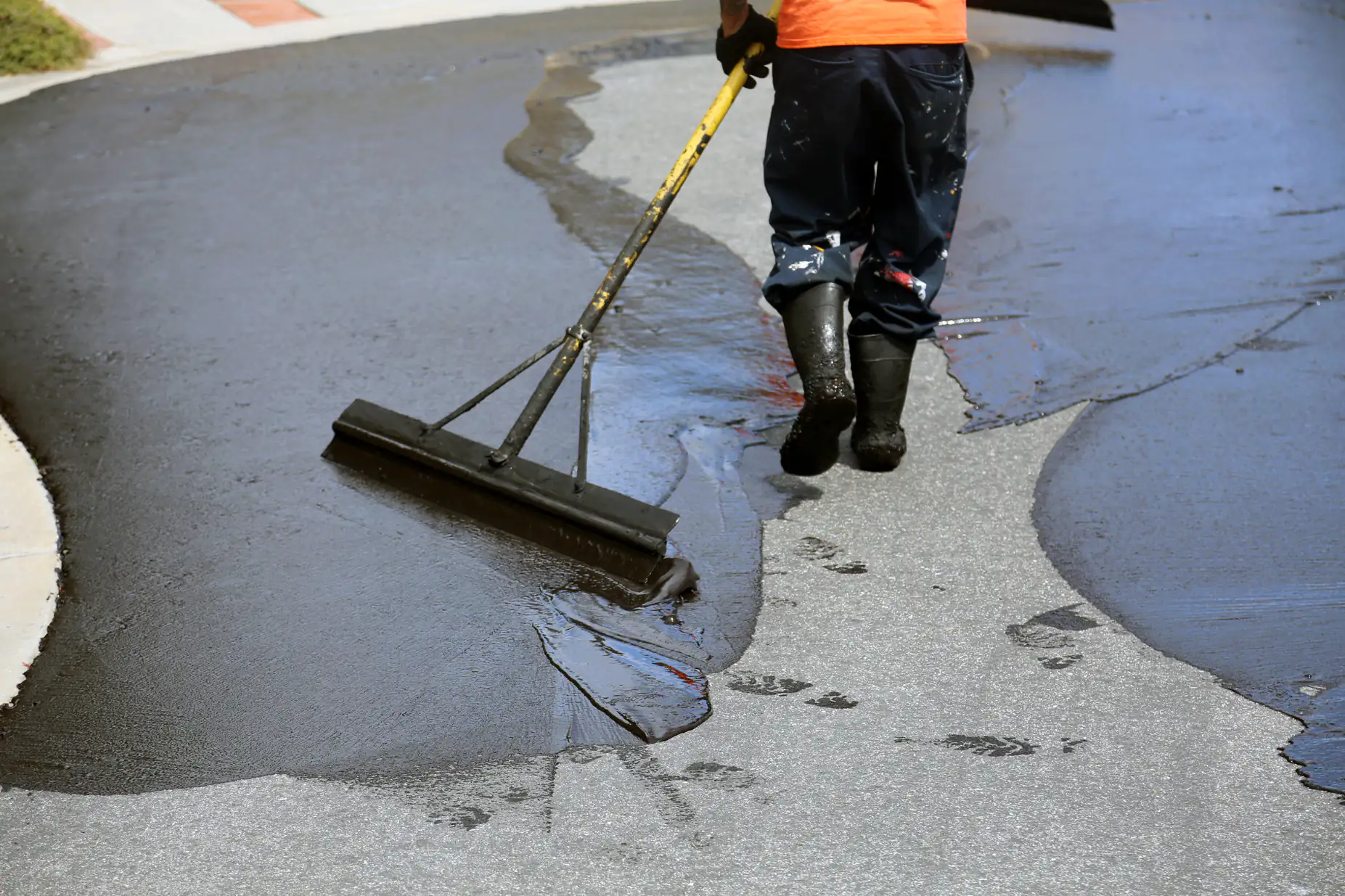
Here’s what happens when you seal your driveway the right way: water stops sneaking into those hairline cracks. UV rays stop breaking down the asphalt binder. Your driveway stops fading into that washed-out gray that screams “neglected.”
In Green Knoll, where freeze-thaw cycles hit harder than most of New Jersey, that protection matters even more. Water gets into a crack during the day, freezes overnight, expands, and pushes your pavement apart from the inside. Do that 40-50 times a winter and you’re looking at serious damage.
Professional asphalt sealcoating creates a barrier against all of it. You’re not just making your driveway look darker—you’re blocking the elements that age it fastest. The result? A driveway that lasts 25+ years instead of 15. That’s not marketing talk—that’s what happens when you stop water infiltration before it becomes structural damage.
And the math makes sense. Sealcoating costs 2-5% of what the asphalt underneath it costs. A $300-$500 application every few years versus an $8,000 replacement? That’s one of the best returns you’ll get on any home maintenance project.
We work across Morris, Sussex, and Somerset County because we understand what North Jersey’s climate does to asphalt. We’ve seen what happens when contractors skip proper surface prep or apply sealer in less-than-ideal conditions. We’ve also seen driveways we sealed years ago still holding up because the work was done right the first time.
Green Knoll sits in an area where soil movement and freeze-thaw cycles create specific challenges. We assess those conditions during every estimate—checking for drainage issues, existing damage, and whether your base is stable enough to support long-term performance. If there’s a problem, we tell you before we start, not after you’ve paid.
Our reputation here comes from being straight with people. If your driveway needs crack filling before sealcoating, we’ll explain why. If the timing isn’t right because temperatures are dropping, we’ll reschedule. We’re not interested in doing a job that fails in two years—we’re interested in doing it once and having it last.
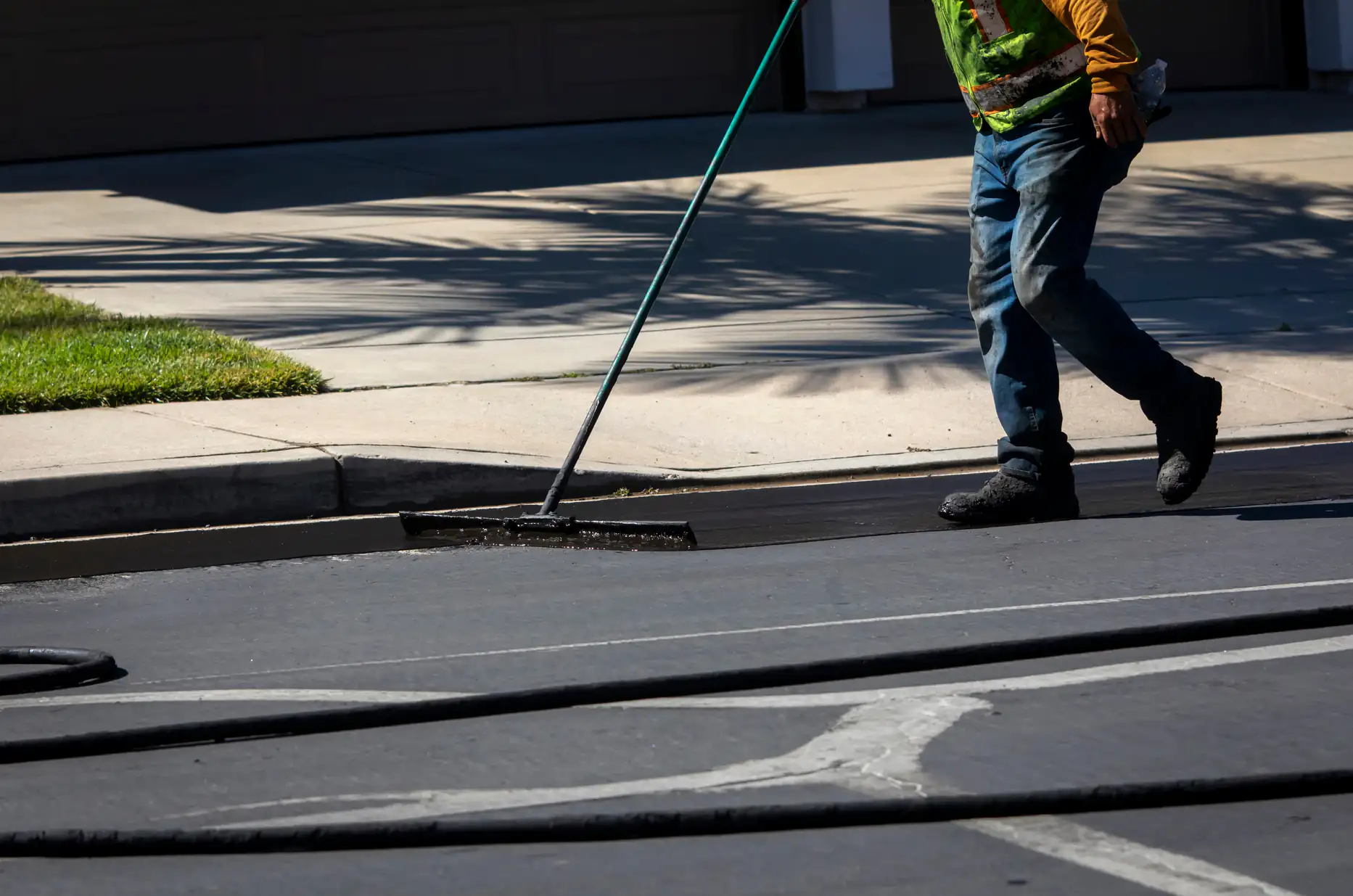
First, we clean the surface. That means removing dirt, debris, vegetation, and anything else that would prevent the sealer from bonding properly. If there’s oil staining, we treat it. If there are cracks wider than a quarter-inch, we fill them with hot rubberized crack filler—not the stuff that peels out in six months.
Next, we check the weather. Sealcoating needs temperatures above 50°F and at least 24 hours of dry conditions to cure properly. We’re not applying sealer if rain’s coming or if it’s too cold, even if it means rescheduling. The conditions have to be right or the sealer won’t perform.
Then we apply two coats of commercial-grade sealer using the right application method for your surface. We’re not thinning it down to stretch materials. We’re not rushing the process. Each coat needs time to set before the next one goes on.
After application, your driveway needs 24-48 hours to cure before you can drive on it. We’ll give you specific timing based on temperature and humidity. Once it’s cured, you’ve got a protected surface that’s ready to handle whatever Green Knoll’s weather throws at it.
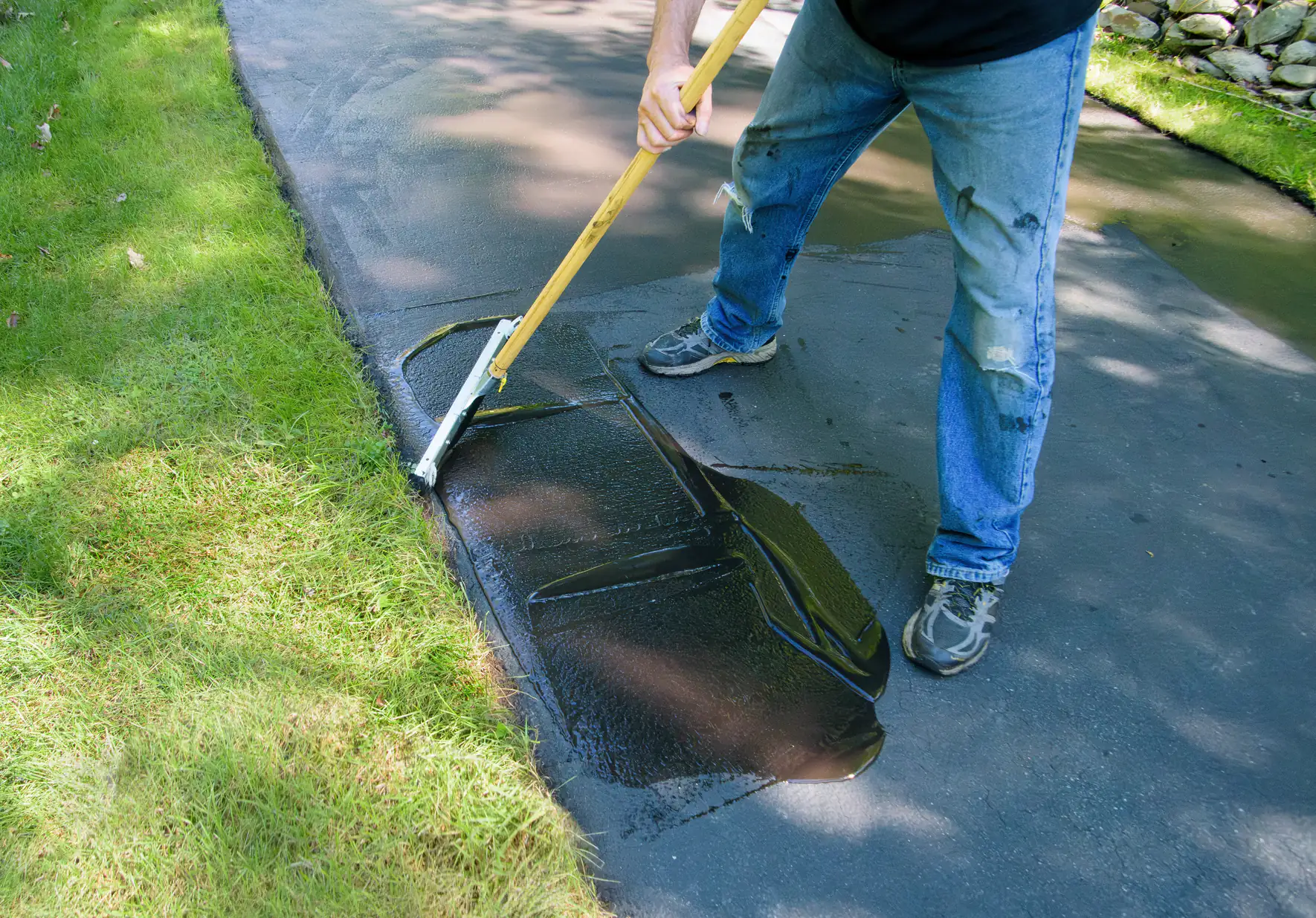
Ready to get started?
When you hire driveway sealer companies, you’re paying for materials, labor, and expertise. In Somerset County, asphalt sealcoating typically runs $0.15 to $0.40 per square foot. Most residential driveways in Green Knoll cost between $300 and $500 to seal properly. That includes surface cleaning, crack filling, and two coats of sealer.
New Jersey prices run about 15-20% higher than national averages, and there’s a reason for that. Our climate is harder on asphalt than most of the country. The freeze-thaw cycles we get in North Jersey require better materials and more careful application. Contractors who understand that don’t cut corners on prep work or sealer quality.
You should plan to seal your driveway every 2-3 years for optimal protection. High-traffic driveways might need it every two years. New asphalt should wait 6-12 months before the first sealcoating application—the surface needs time to cure fully before sealing.
The investment makes sense when you look at the alternative. A sealcoat job today prevents repairs that cost $2,000-$5,000 down the road. It extends your driveway’s lifespan by 50-100%. And it keeps your property looking maintained instead of run-down. That matters whether you’re planning to sell or just want to avoid the headache of emergency repairs.
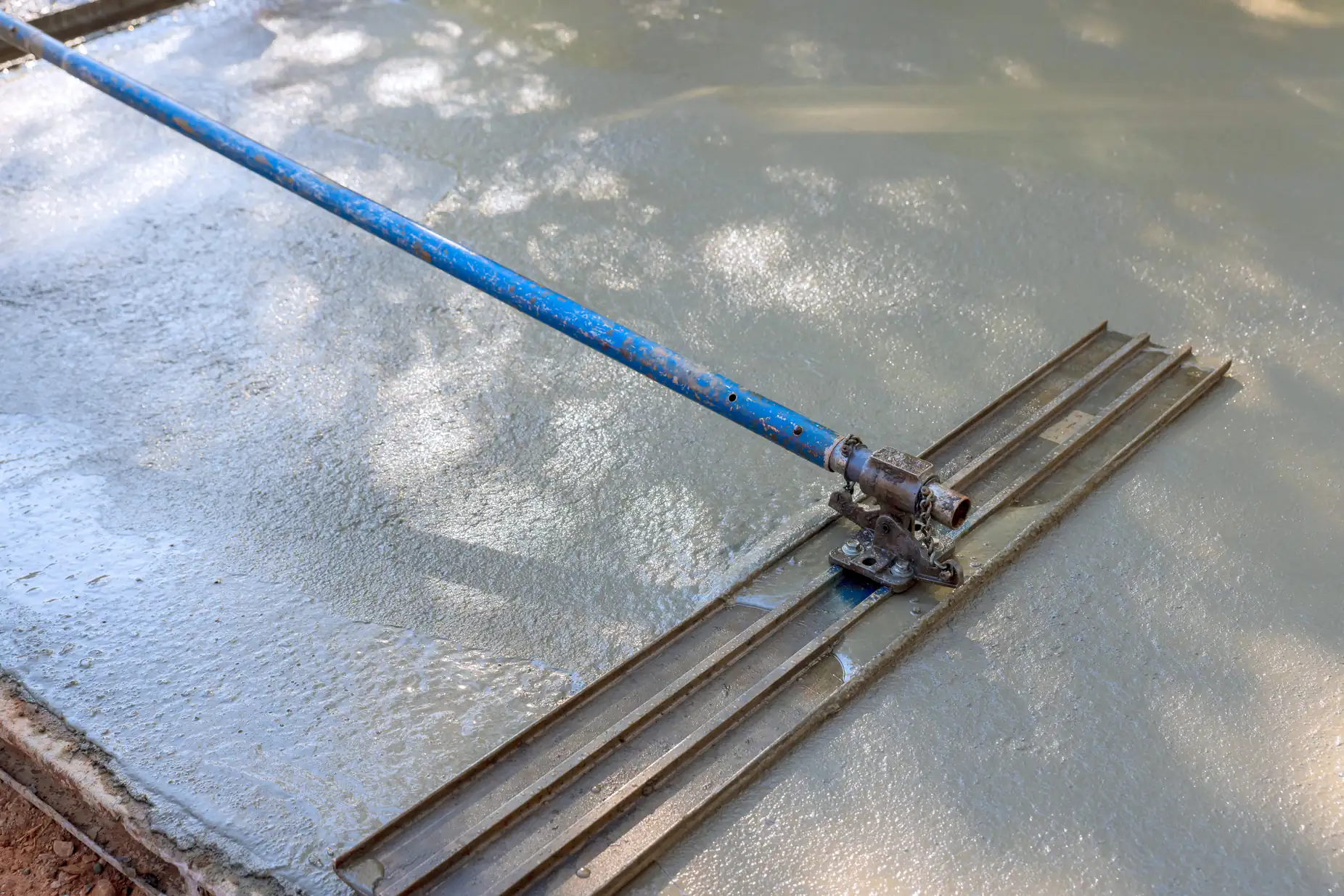
A properly applied sealcoat lasts 2-3 years in Green Knoll before you need to reapply. That timeline assumes normal residential traffic and typical Somerset County weather conditions.
The lifespan depends on several factors: the quality of materials used, how well the surface was prepped, the weather during application, and how much traffic your driveway gets. Commercial-grade sealer applied in ideal conditions will always outlast bargain sealer rushed on in marginal weather.
Green Knoll’s freeze-thaw cycles are tough on sealcoating, which is why the 2-3 year reapplication schedule matters. You’re not waiting for the sealer to completely fail—you’re reapplying while it’s still providing some protection. That prevents water infiltration from ever getting started. Think of it like changing your oil before the engine starts knocking, not after.
Late spring through early fall—roughly May through September—gives you the best conditions for driveway sealcoating in New Jersey. You need consistent temperatures above 50°F and no rain in the forecast for at least 24 hours after application.
Summer is ideal because the sealer cures faster and bonds better in warmer temperatures. But early fall works too, as long as nighttime temps aren’t dropping too low. We’ve sealed driveways in October that performed beautifully because conditions were right.
What doesn’t work: trying to seal in April when you’re still getting overnight freezes, or pushing it into late October when temperatures are unreliable. The sealer needs warmth to cure properly. If it doesn’t cure right, it won’t protect right. That’s why we’ll turn down jobs when the timing isn’t ideal—we know the work won’t hold up.
Yes, but the cracks need to be filled first. Sealcoating goes over the surface—it’s not designed to fill gaps or structural damage. If you apply sealer over cracks without filling them, water will still get through and the problem will get worse.
For cracks wider than a quarter-inch, we use hot rubberized crack filler before sealcoating. It’s flexible, so it moves with the asphalt during temperature changes instead of cracking apart. For smaller hairline cracks, the sealcoat itself provides some filling action, but anything substantial needs dedicated crack repair.
If your driveway has major cracking—like alligator cracking or large sections breaking apart—sealcoating won’t fix it. That’s a sign of base failure, and you’re looking at patching or replacement for those areas. We’ll tell you that during the estimate instead of taking your money for a temporary fix that won’t last.
Most residential driveways in Somerset County cost $300-$500 to seal properly. That’s based on the typical driveway size in Green Knoll and surrounding areas—usually 400-600 square feet—and includes cleaning, crack filling, and two coats of commercial-grade sealer.
Larger driveways or those needing significant crack repair will cost more. Smaller driveways might come in under $300. The price per square foot typically ranges from $0.15 to $0.40, depending on the condition of your driveway and how much prep work is needed.
Be cautious of quotes that seem too good to be true. Some contractors lowball the price, then thin out the sealer or skip the second coat to maintain their margin. Others quote low and add charges later. A detailed estimate that breaks down materials, labor, and any additional work needed tells you more than a rock-bottom price. You’re better off paying fair market rate for work that lasts than saving $100 on an application that fails in a year.
No—sealing concrete driveways requires different materials and serves a slightly different purpose. Concrete sealer protects against moisture penetration, staining, and surface deterioration, but the application process and product chemistry are completely different from asphalt sealcoating.
Concrete is more porous than asphalt, so it absorbs water, oil, and chemicals more readily. A good concrete sealer creates a protective barrier that repels moisture and makes the surface easier to clean. It also helps prevent freeze-thaw damage, which matters just as much for concrete as it does for asphalt in Green Knoll’s climate.
The reapplication schedule is different too. Concrete sealers typically last 2-5 years depending on traffic and exposure. Some concrete driveways never get sealed and still last decades—but they’ll show staining, surface wear, and weather damage much sooner than sealed concrete. If you’ve got a concrete driveway and you’re not sure whether sealing makes sense for your situation, we can assess it during an estimate and give you an honest recommendation.
Plan on staying off your driveway for 24-48 hours after sealcoating. The exact time depends on temperature, humidity, and how much sun exposure your driveway gets. Warmer, drier conditions mean faster curing. Cooler or humid conditions mean you need to wait longer.
We’ll give you specific guidance based on the forecast and conditions on the day we seal your driveway. If we seal on a hot, sunny day in July, you might be good to drive on it in 24 hours. If it’s a cooler day in September with higher humidity, we’ll tell you to wait the full 48 hours.
Don’t rush it. Driving on sealer before it’s fully cured will leave tire marks, create tracking, and compromise the protective layer you just paid for. It’s frustrating to wait, but it’s a lot more frustrating to damage fresh sealcoating because you needed to move your car six hours too early. If timing is tight—like you need your driveway accessible for work or a scheduled event—let us know during scheduling so we can plan around it.