Asphalt Contractor Morris, Sussex & Somerset County, NJ

Driveways That Don't Fail in Six Months
We’re a licensed asphalt contractor with proper insurance, transparent pricing, and crews that actually show up. Serving Morris County, Sussex County, and Somerset County with quality work that lasts decades, not years.
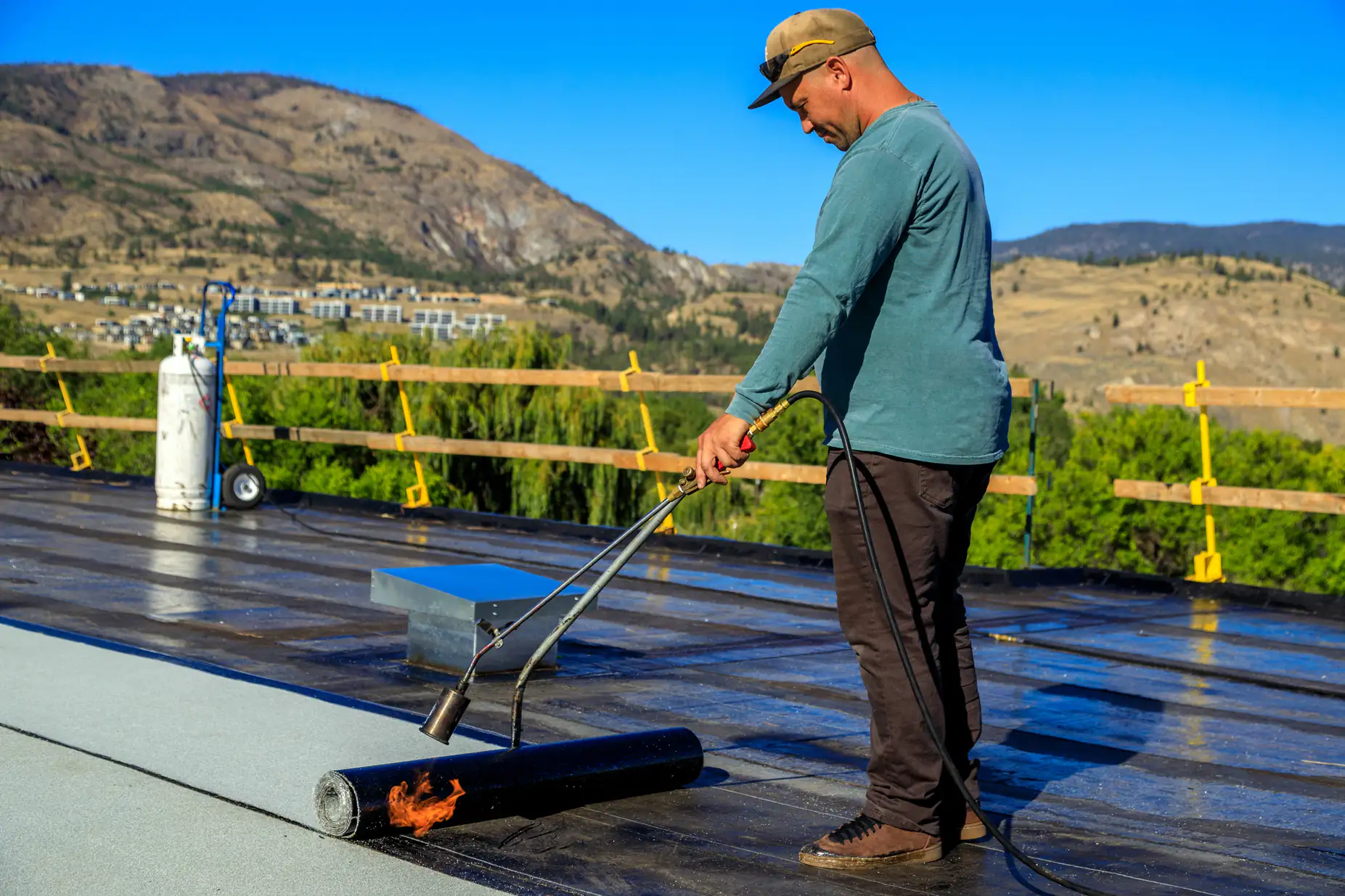
A man wearing a cap uses a torch to apply roofing material on a flat rooftop, with hills and buildings visible in the background under a clear blue sky.

Licensed and Fully Insured

Your homeowner's policy stays protected. We carry full liability coverage and workers' compensation so accidents never become your financial problem.

Permits Handled Correctly

We know Morris, Sussex, and Somerset County requirements. No fines, no forced removal, no complications when you sell your home.

Transparent Warranty Terms

Maintenance requirements explained before work starts, not after. You'll know exactly what's required to keep your warranty valid from day one.

Proper Compaction Every Time

Commercial-grade equipment and correct techniques prevent the water pooling, cracking, and indentations that show up months after cheap installations.
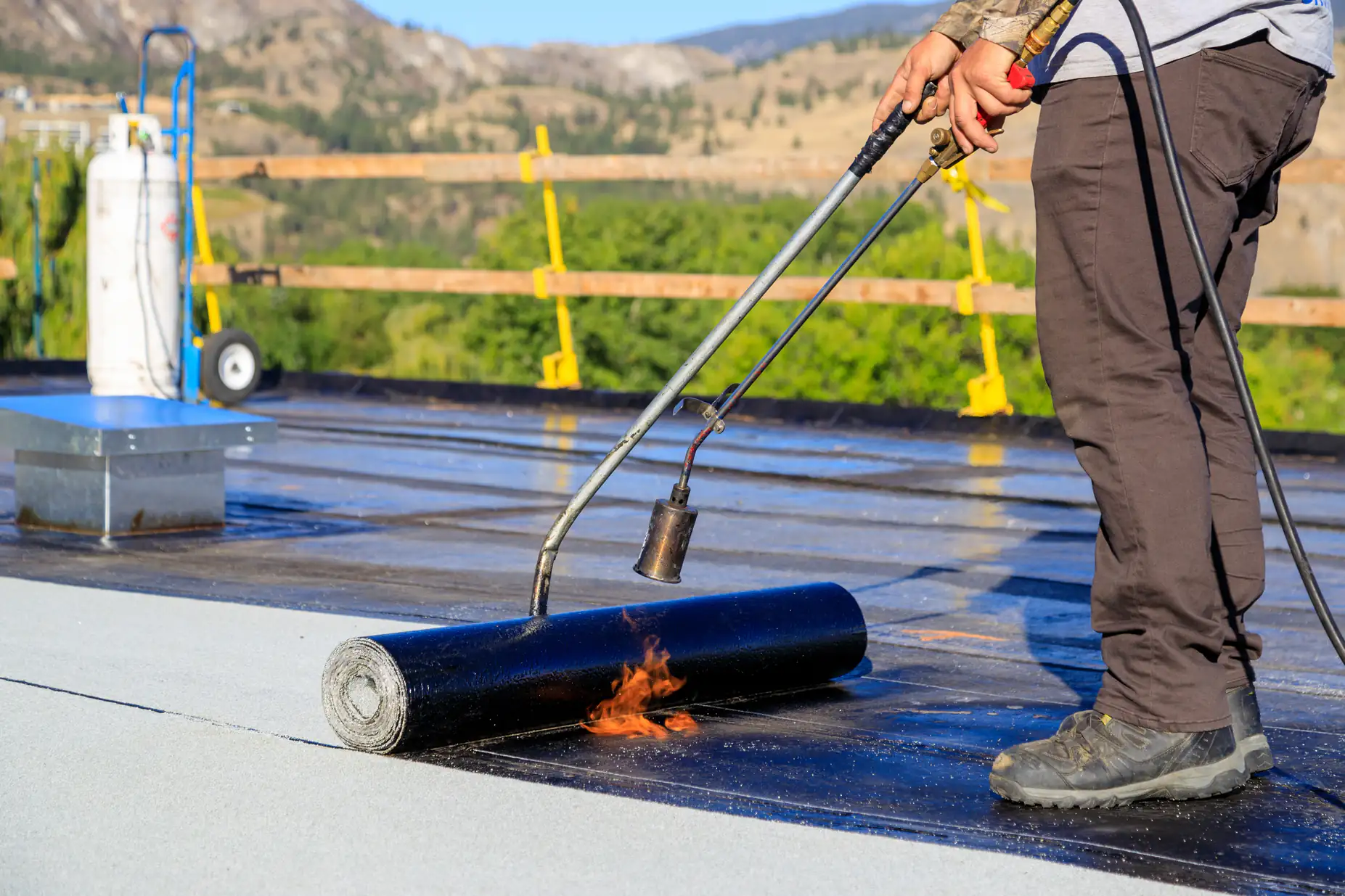
A worker uses a propane torch to apply heat to a roll of roofing material on a flat roof, fusing it in place. Construction safety barriers and trees are visible in the background.

Paving Contractor Morris, Sussex & Somerset County, NJ

Asphalt Work Done Right the First Time

  • Work with an asphalt contractor who focuses on doing the job right from the start, not cutting corners that lead to costly problems later.
  • Proper base preparation, depth, and compaction help prevent water pooling, shifting, cracks, and early pavement failure.
  • Permit handling is completed correctly for your municipality, helping you avoid issues during inspections, property sales, or future work.
  • Proper insurance coverage helps protect your property and reduces the risk of liability concerns during the project.
  • A properly built asphalt surface helps prevent potholes, cracking, water penetration, and base deterioration over time.
  • The long-term benefit is a more durable, better-performing surface that holds up through harsh seasonal conditions.

Hear from Our Customers

Asphalt Paving Companies Near Me

What You Get With Proper Installation

Quality asphalt work prevents the expensive problems that show up months or years after cheap installations. Here’s what changes when the work gets done correctly.

Water flows away from your foundation instead of pooling on your driveway, preventing the drainage issues that lead to basement problems.

Your driveway lasts 15 to 20 years with basic maintenance instead of cracking and failing within five to eight years.

You're protected from liability if someone gets hurt during the work because proper insurance coverage is already in place.

Permits get handled correctly so you never face fines, forced removal, or complications during a home sale inspection.

The surface stays smooth without the indentations and cracking that appear when compaction gets rushed or skipped entirely.

You know exactly what maintenance keeps your warranty valid because those requirements get explained upfront, not discovered later.

A large white number 1 is centered on a solid black circle with a plain light gray background, symbolizing top-rated Paving Contractors in Morris, NJ and serving Sussex & Somerset County.

Share project details

Call us or get a free online quote to help us identify your project needs.

A bold white number 2 is centered inside a solid black circle on a light gray background, representing Sussex & Somerset County, NJ Paving Contractors Morris.

We'll follow up

If you requested an online quote, you can expect a callback within 24-48 hours of your request.

A large white number 3 is centered inside a solid black circle on a plain light background, representing Paving Contractors Morris, Sussex & Somerset County, NJ.

The floor is yours

Connect with an expert and share all project specifics.

A bold white number 4 is centered inside a solid black circle on a light gray background, representing Paving Contractors Morris, Sussex & Somerset County, NJ.

Plan your project

Like what you hear? We'll provide next steps and expert guidance.
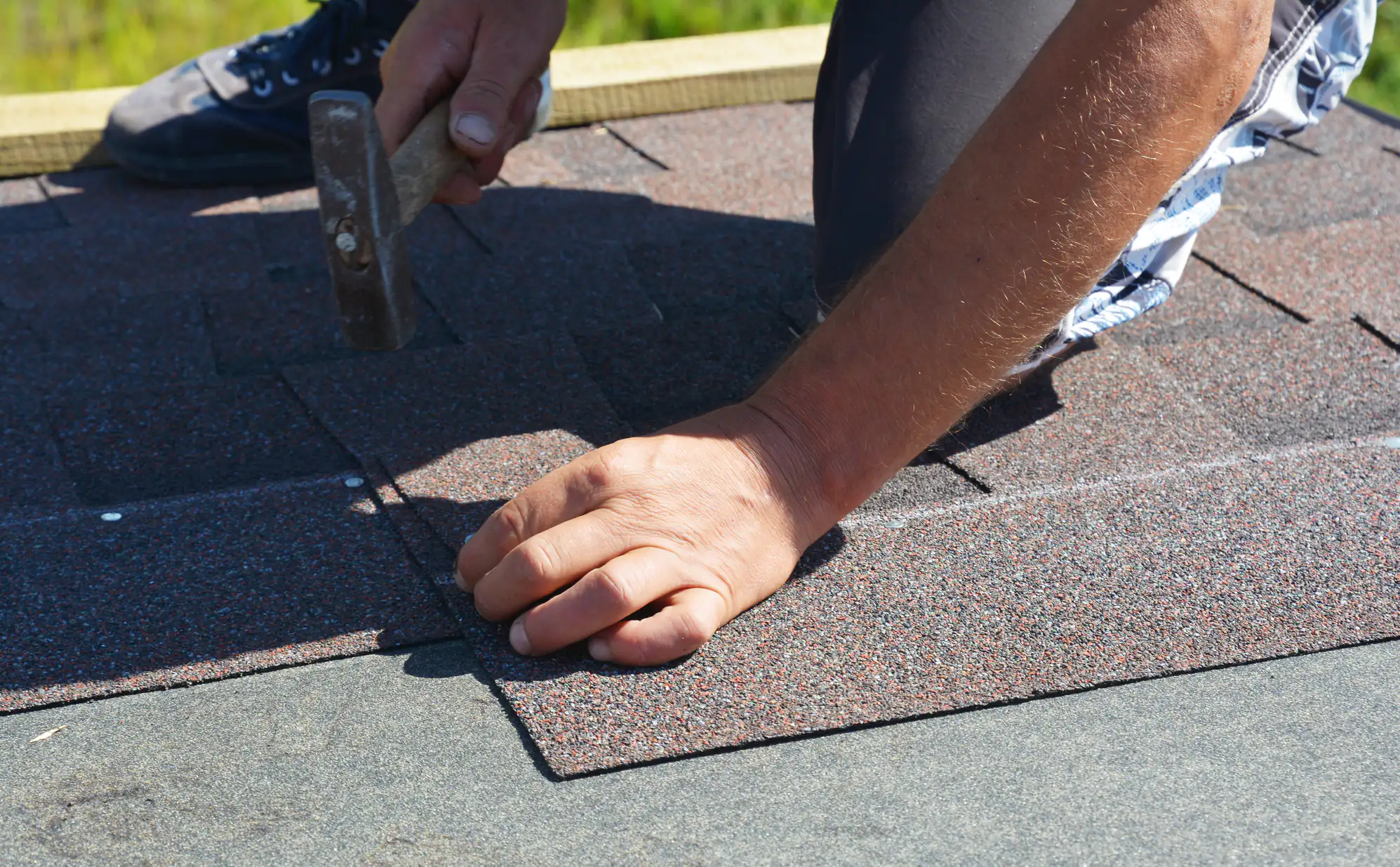
A person is installing asphalt roof shingles, using a hammer to secure the shingles in place on a rooftop under bright sunlight. Only the person's hands and part of their legs are visible.

Blacktop Paving Contractor Morris, Sussex & Somerset County, NJ

Why So Many Driveways Fail Early

The difference between asphalt that lasts and asphalt that fails comes down to what happens before the surface ever goes down. Poor compaction is the most common cause of premature failure. When the base doesn’t get compacted properly with the right equipment, you end up with settling, indentations, and water pooling within months. Most homeowners can’t identify this problem until damage appears, and by then contractors have stopped returning calls. Drainage issues cause just as many problems. Water that doesn’t flow away from your driveway seeps into cracks, freezes during winter, and expands with enough force to turn hairline cracks into major damage. Morris County experiences more freeze-thaw cycles than central or southern New Jersey, which means drainage problems accelerate faster here. Then there’s the insurance issue most people never think about until it’s too late. If a contractor doesn’t carry proper workers’ compensation coverage and someone gets hurt on your property, your homeowner’s insurance becomes the primary coverage. That accident can triple your premiums for years. New Jersey requires contractors to carry minimum $500,000 general liability coverage for a reason, but not everyone follows the law.

Asphalt Driveway Installation NJ

What Proper Installation Actually Includes
Correct asphalt installation starts with base preparation. The township standard in most Morris County municipalities requires two inches of compacted asphalt over four inches of stone or recycled concrete. That base needs proper compaction with commercial-grade equipment, not a quick pass with undersized rollers. The difference determines whether your driveway lasts two decades or starts failing within two years. Grading and drainage come next. The surface needs enough slope to move water away from your foundation and prevent pooling. This requires understanding local soil conditions. Clay soils common in areas like Caldwell settle differently than sandy soils, which affects how the base performs over time. Material temperature matters more than most people realize. Asphalt needs to be installed at around 300 degrees and worked quickly before it cools. Contractors who show up with asphalt that’s been sitting in the truck all day can’t achieve proper compaction, which leads to premature failure. Timing also affects curing. In Sussex County, materials need to cure correctly before the first freeze arrives, or you’ll see damage by spring. Permit requirements vary by municipality. Some towns require permits for any new driveway paving, others only for work that changes the footprint or affects drainage. Edison requires a Site Improvement Permit for new driveways. North Brunswick has different requirements. Contractors who don’t know local codes either skip permits entirely or leave you to handle the process alone.
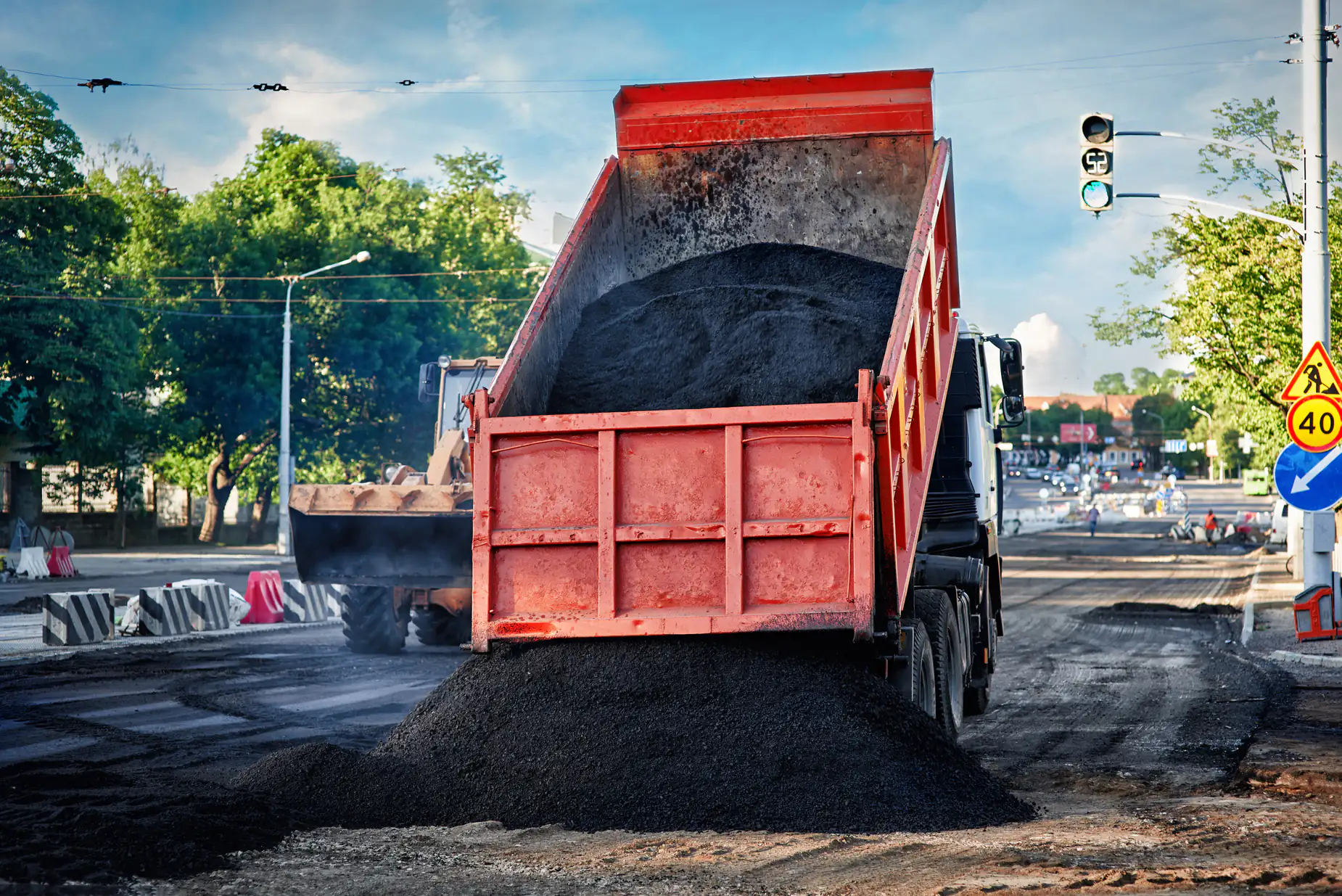
A red dump truck unloads black asphalt onto a city street under construction. A loader works nearby, with traffic signs, barriers, and trees visible in the background.
Asphalt Contractor FAQs

Common Questions About Our Service

New Jersey requires home improvement contractors to register with the Division of Consumer Affairs and carry minimum $500,000 general liability insurance. They also need workers’ compensation coverage unless they qualify for an exemption. Ask any contractor for their registration number and proof of insurance before signing anything. If they can’t provide documentation immediately, that’s a red flag. You can verify registration status through the New Jersey Division of Consumer Affairs website. The insurance matters because if a contractor doesn’t carry proper workers’ comp and someone gets hurt on your property, your homeowner’s insurance becomes the primary coverage. That accident could triple your premiums for years. Don’t assume contractors follow the law just because they’re operating. Many don’t carry proper coverage because it’s expensive, and they’re betting homeowners won’t check until after something goes wrong.
Permit requirements vary significantly by municipality, which is why this trips up so many homeowners. Some towns require permits for any new driveway paving or resurfacing. Others only require permits when you’re changing the footprint, widening the driveway, or affecting drainage. Work that impacts right-of-way, curbs, or sidewalks typically requires additional permits. Most municipalities don’t require permits for simple sealcoating or crack filling. The problem is that requirements change from one town to the next. Edison requires a Site Improvement Permit for new driveways. North Brunswick has different rules. Hamilton Township requires permits for resurfacing but not for sealing. Work done without proper permits can result in fines, forced removal of the work, or complications when you try to sell your home during the inspection process. A good contractor knows the requirements for your specific municipality and handles the permit process for you. If a contractor tells you permits aren’t needed without checking your local ordinances, find someone else.
Water pooling happens when the driveway wasn’t graded properly during installation or when poor compaction causes settling that creates low spots. Your driveway needs enough slope to move water away from the surface and away from your foundation. Even a small grading error creates areas where water collects instead of flowing off. Once water starts pooling, it accelerates damage. Water seeps into small cracks, freezes during winter, and expands with enough force to turn hairline cracks into major problems. Morris County experiences about 40% more freeze-thaw cycles than central or southern New Jersey, which means drainage problems cause damage faster here. Poor compaction is the other major cause. When contractors skip proper base preparation or use inadequate equipment, the base settles unevenly over time. This creates depressions where water collects. Most homeowners can’t identify compaction problems until months after installation when the damage becomes visible. By then, contractors often become unresponsive or claim it’s normal settling. Proper installation prevents these issues through correct grading, adequate base depth, and thorough compaction with commercial-grade equipment.
Most asphalt warranties come with maintenance requirements that contractors don’t explain clearly upfront. Many require sealcoating within 6 to 12 months after installation and then every 2 to 3 years after that to keep the warranty valid. If you miss those sealcoating schedules, your warranty becomes void even if the failure was caused by poor workmanship or materials. The problem is that many homeowners discover these requirements only after the work is complete, often when they try to make a warranty claim and get denied. Typical warranties run 1 to 5 years for residential driveways, with longer warranties usually requiring the contractor to perform all maintenance work. Make sure you get the warranty terms in writing before work starts, including exactly what maintenance is required, who must perform that maintenance, and what’s excluded from coverage. Most warranties don’t cover cracks, settling near tree roots, damage from snow plows or salt, or issues caused by poor drainage that existed before the work. They also typically don’t cover damage if the base work was done by someone else. Ask specific questions about what voids the warranty and get those answers in writing as part of your contract.
Morris County sees regular waves of paving scams, particularly door-to-door operators claiming to have leftover asphalt from another job. These scammers target elderly homeowners with pressure tactics, cash-only demands, and prices that seem too good to pass up. Here’s how to protect yourself: Never hire anyone who shows up unannounced offering paving services. Legitimate contractors don’t sell door-to-door. Never pay cash or make full payment upfront. Reputable contractors accept checks or credit cards and typically require a deposit with final payment after completion. Always get a written contract with detailed scope of work, materials, timeline, and total cost. Verbal agreements mean nothing when problems appear. Verify the contractor’s business address. Scammers use unmarked trucks and fake business names that can’t be traced. Check for proper licensing and insurance before signing anything. New Jersey requires contractors to be registered and carry specific insurance coverage. Get multiple estimates from established local companies. If one price is dramatically lower than others, that’s a warning sign, not a bargain. Watch for high-pressure tactics like claims the deal expires today or threats that prices will increase if you wait. Legitimate contractors give you time to make decisions.
Most residential driveways take one to two days to complete depending on size and complexity. Commercial parking lots vary based on square footage and site conditions, typically ranging from a few days to a week for larger projects. The timeline includes removing old asphalt if needed, preparing and compacting the base, installing new asphalt, and initial curing. Weather affects the schedule since asphalt installation requires dry conditions and appropriate temperatures. You can typically walk on new asphalt within 24 hours and drive on it after 2 to 5 days depending on weather conditions. Heavier vehicles should wait 3 to 7 days for optimal results. The asphalt continues curing for up to a year, so you may notice it’s softer during extreme heat even after the initial curing period. That’s normal. We recommend avoiding parking in the same spot repeatedly during the first few weeks and being careful with sharp turns that can cause scuffing. For sealcoating, you’ll need to stay off the surface for 24 to 48 hours depending on temperature and humidity. We’ll give you specific timelines based on the work performed and current weather conditions so you know exactly when you can use your driveway.
A large white number 1 is centered on a solid black circle with a plain light gray background, symbolizing top-rated Paving Contractors in Morris, NJ and serving Sussex & Somerset County.

Site Evaluation and Estimate

We assess your property, check drainage, discuss what you need, and provide a written estimate with detailed scope. No pressure, no cash-only demands.

A bold white number 2 is centered inside a solid black circle on a light gray background, representing Sussex & Somerset County, NJ Paving Contractors Morris.

Permit and Prep Work

We handle required permits for your municipality, remove old asphalt if needed, grade the base properly, and ensure adequate drainage before paving.

A large white number 3 is centered inside a solid black circle on a plain light background, representing Paving Contractors Morris, Sussex & Somerset County, NJ.

Installation and Finishing

Commercial-grade equipment achieves proper compaction and thickness. Final grading ensures water flows correctly. You'll know when you can use your new pavement.

Cities we provide Asphalt Contractor In