
Hear from Our Customers
When your asphalt is installed right, you’re not calling someone back in two years to fix cracks that shouldn’t exist yet. The surface drains properly, so water doesn’t pool and freeze. The base is compacted correctly, so you’re not dealing with sinkholes or uneven settling.
You get a driveway or parking lot that holds up through Somerset County winters without turning into a maintenance headache. That means fewer repairs, lower long-term costs, and a surface that actually lasts the 20 to 30 years it should.
The difference comes down to preparation. Most problems with asphalt aren’t the asphalt itself—they’re what’s underneath. If the base isn’t graded right or the drainage is ignored, no amount of quality blacktop will save it. You end up paying twice: once for the initial job, and again to fix what should’ve been done correctly from the start.
We work throughout Belle Mead and the surrounding areas in Somerset County. We’re not a crew that shows up, lays some blacktop, and disappears. We’re local, and we understand what happens to pavement here when winter hits.
Belle Mead sits in an area that sees more freeze-thaw cycles than most people realize. That’s not something you can ignore when you’re choosing your asphalt mix or planning your base. We’ve seen what works and what fails, and we build accordingly.
You’ll work directly with people who’ve handled hundreds of driveways, parking lots, and commercial surfaces in this area. No runaround, no surprises, no cutting corners to close the job faster.
First, we look at your site. That means checking drainage, soil conditions, and whether your existing base is salvageable or needs to be rebuilt. If there’s old asphalt, we remove it properly—not just pave over problems.
Next comes the base. We grade it so water moves away from your property, not toward your foundation. Then we compact a solid aggregate base, because that’s what keeps your asphalt from cracking prematurely. This step gets skipped or rushed more than any other, and it’s where most failures start.
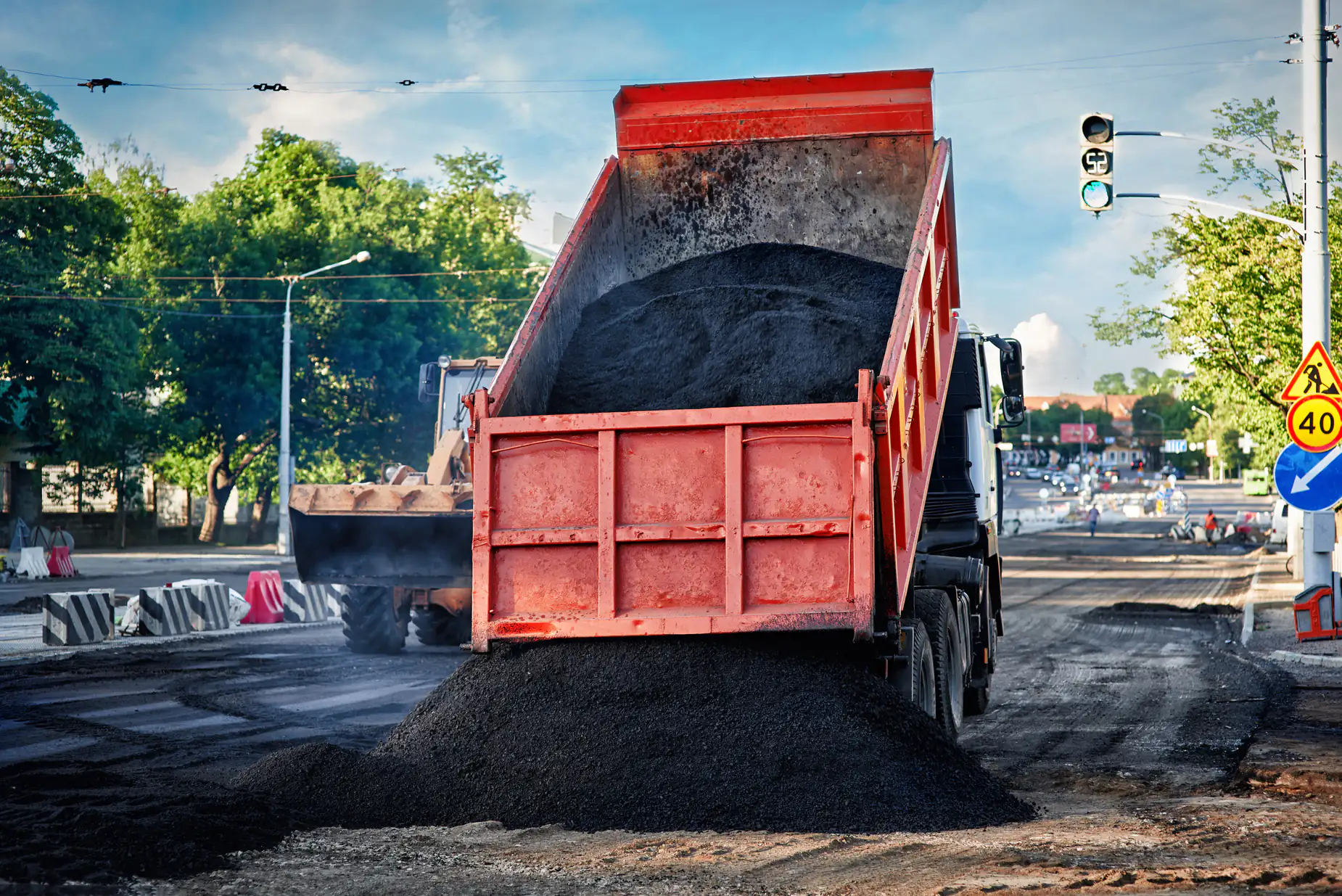
Once the base is ready, we apply hot mix asphalt at the right temperature. Too cold and it won’t compact properly. Too hot and it can scorch. We’re using high-grade HMA designed for New Jersey’s temperature swings, and we’re applying it with the right equipment to ensure even coverage and proper compaction.
After installation, we give you a clear timeline for when you can use the surface. Asphalt needs time to cure, and driving on it too soon can cause damage. We’ll walk you through what to expect and when it’s safe to park or drive.
Ready to get started?
You’re getting a full site evaluation before any work starts. We’re not giving you a number over the phone based on square footage alone. Every property has different drainage issues, soil conditions, and base requirements, especially in Belle Mead where clay soil and water tables can shift.
The work includes proper excavation if needed, base preparation with the right aggregate, grading for drainage, and application of hot mix asphalt designed for this climate. If you’re in a high-traffic area or need a commercial parking lot, we adjust the thickness and mix accordingly.
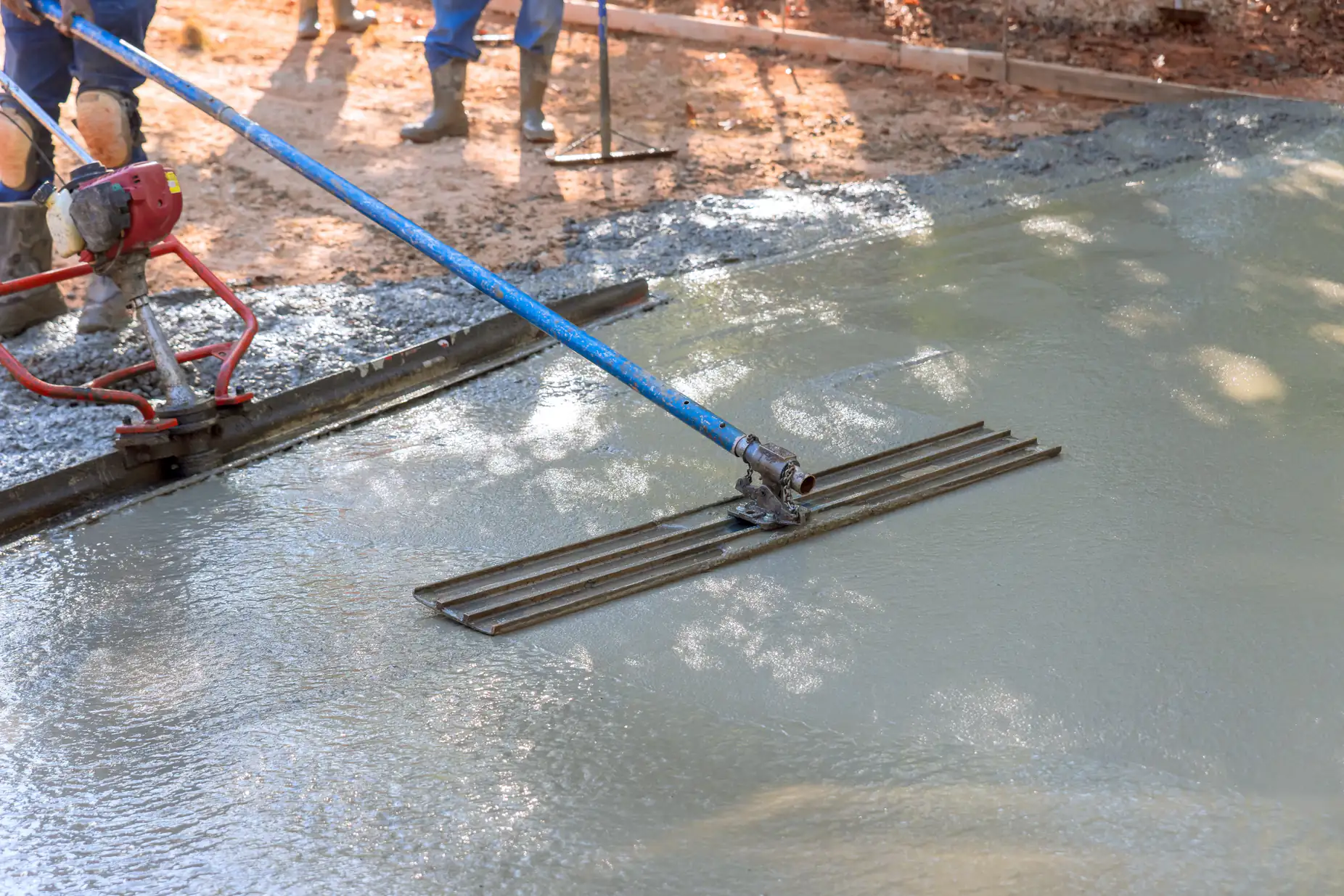
We also handle concrete work—curbing, aprons, walkways—so you’re not coordinating between multiple contractors. If you want decorative stamped patterns or specific finishes, we can do that too. But the foundation of everything is the same: proper prep, quality materials, and installation that’s done right the first time.
Belle Mead properties often deal with water runoff issues because of the terrain. We factor that into every job. If your driveway is on a slope or your parking lot sits in a low spot, we’re building in solutions so water doesn’t become your problem two winters from now.
If it’s installed correctly and maintained, you’re looking at 20 to 30 years for a residential driveway. Commercial parking lots with heavier traffic might see 15 to 20 years. But that’s assuming the base was done right and you’re doing basic maintenance like sealcoating every few years.
New Jersey winters are tough on pavement. Belle Mead sees plenty of freeze-thaw cycles, and that’s what kills asphalt prematurely if it wasn’t installed with proper drainage and a solid base. Water gets into small cracks, freezes, expands, and turns minor damage into major problems.
The biggest factor in how long your asphalt lasts isn’t the asphalt itself—it’s what’s underneath. If the base wasn’t compacted properly or the grading doesn’t move water away from the surface, you’ll start seeing cracks and settling within a few years. That’s not a material problem, that’s an installation problem.
The difference is usually in what you can’t see. Cheap jobs skip steps—thin base, poor compaction, no attention to drainage, or paving over existing problems. It looks fine for the first year, maybe two. Then it starts falling apart because the foundation was never right.
Expensive doesn’t always mean better, but if a quote is significantly lower than others, there’s a reason. Either they’re cutting corners on prep work, using thinner asphalt than recommended, or rushing the job to move on to the next one. You end up paying more in the long run when you have to redo it.
Quality work costs more upfront because it takes more time and materials. Proper excavation, a thick compacted base, correct grading, and the right asphalt mix aren’t cheap. But you’re getting a surface that lasts decades instead of needing major repairs in five years. That’s where the value is—not in the initial price, but in what you don’t have to spend later.
Late spring through early fall is ideal. Asphalt needs warm temperatures to be applied and compacted correctly—ideally above 50 degrees, and the warmer the better. Cold weather makes the asphalt cool too quickly, and it won’t compact properly, which leads to premature failure.
By the time spring hits, paving contractors are booked solid. Everyone who waited out the winter is calling at once. If you’re planning a project, you want to get on the schedule early, ideally in late winter or early spring for a summer installation.
Fall can work too, but you’re racing the weather. Once temperatures start dropping consistently, the window closes. Some contractors will push it and pave in conditions that aren’t ideal because they want the work. That’s a risk you don’t want to take. If the asphalt doesn’t cure properly, you’re stuck with a subpar surface and not much recourse.
Yes, if you want it to last. Sealcoating protects the surface from water, UV damage, and chemicals like oil or salt. It’s not just cosmetic—it’s preventative maintenance that can add 10 to 15 years to your driveway’s life.
You should sealcoat every two to three years, depending on traffic and weather exposure. In Belle Mead, where winters are harsh and roads get salted heavily, staying on top of sealcoating makes a big difference. It keeps small cracks from turning into big ones and prevents water from seeping into the base.
New asphalt shouldn’t be sealed right away. It needs six months to a year to cure fully before you apply a sealer. After that, regular sealcoating is one of the cheapest ways to protect your investment. Skipping it might save you a few hundred dollars now, but it’ll cost you thousands when the surface deteriorates faster than it should.
For a standard residential driveway, you’re typically looking at $3 to $7 per square foot, depending on the condition of the existing surface, how much prep work is needed, and the thickness of the asphalt. If we’re removing old pavement or rebuilding the base, that adds to the cost.
Commercial parking lots run $2.25 to $4 per square foot. Larger projects can sometimes bring the per-square-foot cost down, but if there are drainage issues, heavy traffic requirements, or site complications, the price goes up. Every property is different, which is why phone quotes are usually useless.
The best way to get an accurate number is to have someone look at the site. We’ll measure, check the base, assess drainage, and give you a detailed estimate that breaks down what you’re paying for. No surprises, no hidden fees, just a clear picture of what the job actually costs and why.
Sometimes, but not always. If your existing driveway has a solid base and the surface damage is just cosmetic—minor cracks, fading, surface wear—then an overlay can work. It’s cheaper and faster than tearing everything out and starting over.
But if the base is failing, the driveway is sinking, or there are major cracks and potholes, an overlay is just putting new asphalt over old problems. You’ll see those same issues come back through the new surface within a year or two. At that point, you’ve wasted money on a temporary fix.
We’ll tell you honestly whether an overlay makes sense or if you need a full replacement. There’s no point in doing a job that won’t last. If the base is shot, it’s shot—and no amount of new asphalt on top will fix that. Better to do it right once than pay twice.