
Hear from Our Customers
You stop watching cracks spread across your driveway every spring. That’s what happens when the base work is done right the first time.
Vernon Center sits on clay soil that expands and contracts with moisture. Most paving companies skip the foundation work that accounts for this. They lay thin asphalt over inadequate base material, and you’re dealing with settling and cracking within five years.
Proper installation means excavating to the right depth for local soil conditions. It means installing and compacting aggregate base material that won’t shift when the ground freezes. It means using high-grade hot mix asphalt applied at the correct temperature and compacted to create a dense, resilient surface. This is the work that determines whether your pavement lasts 5 years or 25 years.
We’ve been the go-to paving contractor in Morris, Sussex, and Somerset County for over four decades. That’s long enough to see which shortcuts fail and which methods actually hold up through New Jersey winters.
We’re not the traveling crews that knock on doors in April claiming they have “leftover asphalt” at bargain prices. Those contractors disappear before you realize the work is failing. We’re based in Morris County. We pull permits, carry proper insurance, and stand behind every project we complete.
You’re working with people who know Vernon Center’s specific challenges. We understand how the freeze-thaw cycles affect pavement here. We know which drainage solutions work with the local soil conditions and which ones create bigger problems down the line.
You request a quote online or by phone. We schedule a site visit to assess your property’s specific conditions—soil type, drainage patterns, existing damage, and how you’ll use the space. You get a detailed written estimate within 24 to 48 hours that breaks down exactly what work we’re doing and why.
Once you approve the estimate, we schedule your project based on weather conditions. Asphalt installation requires specific temperature ranges to cure properly. We’re not rushing to squeeze your job in when conditions aren’t right.
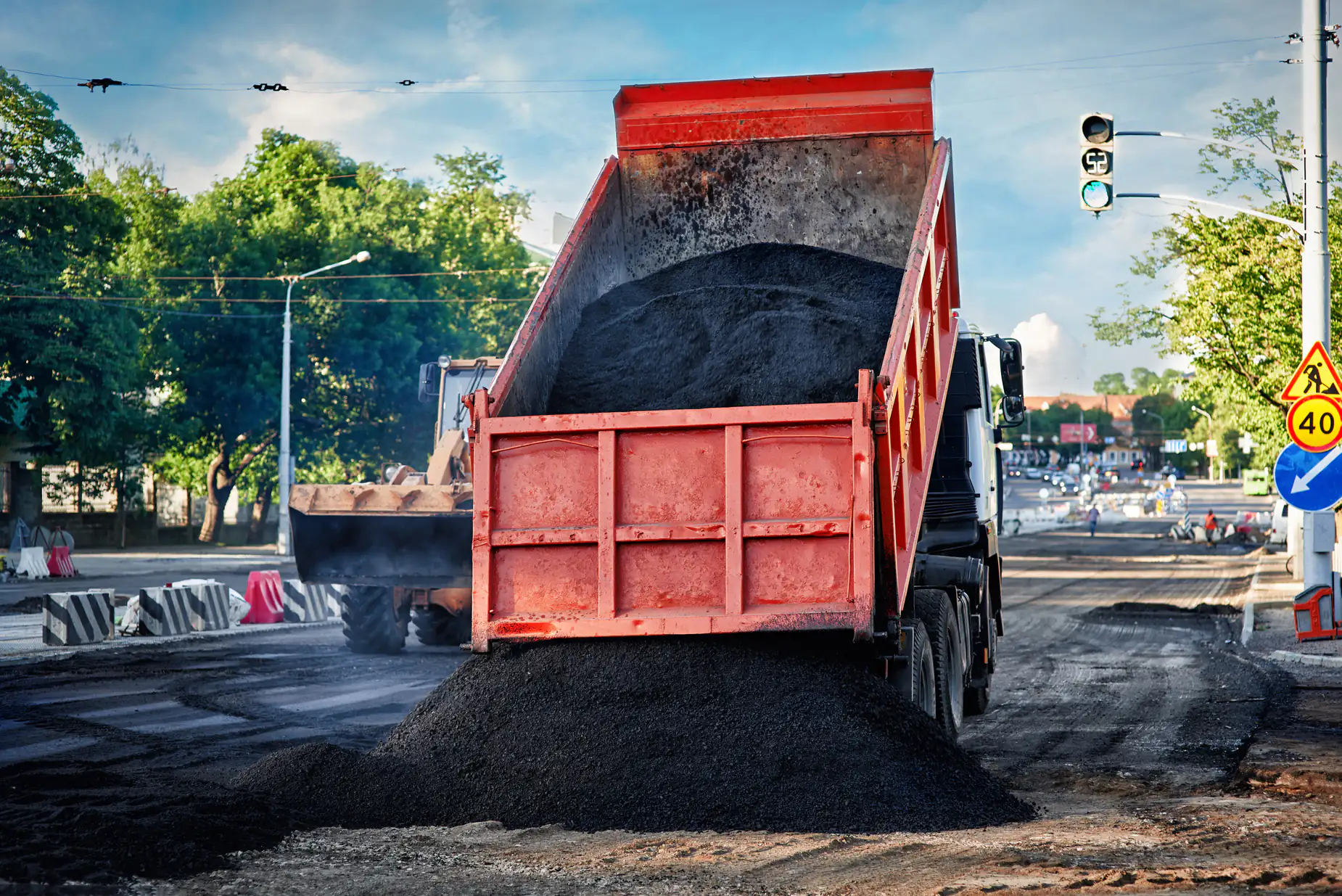
The actual work starts with excavation and base preparation. We remove existing pavement or soil to the proper depth, grade for drainage, and install compacted aggregate base. Then we apply hot mix asphalt at the right temperature and compact it in multiple passes to eliminate air pockets. The surface needs 24 to 48 hours to cure before you can drive on it, and we’ll tell you exactly when it’s ready.
Ready to get started?
Every project addresses Vernon Center’s drainage challenges. Clay soil doesn’t absorb water quickly, so we install catch basins where needed, correct grading issues, and ensure proper slope that prevents ice formation during winter. Poor drainage is the leading cause of driveway failures in this area.
You get commercial-grade materials designed for New Jersey’s climate extremes. We use high-grade hot mix asphalt applied at temperatures between 275 and 300 degrees Fahrenheit. The mix includes aggregate sized for your specific application—residential driveways get a finer mix than commercial parking lots that handle heavier loads.
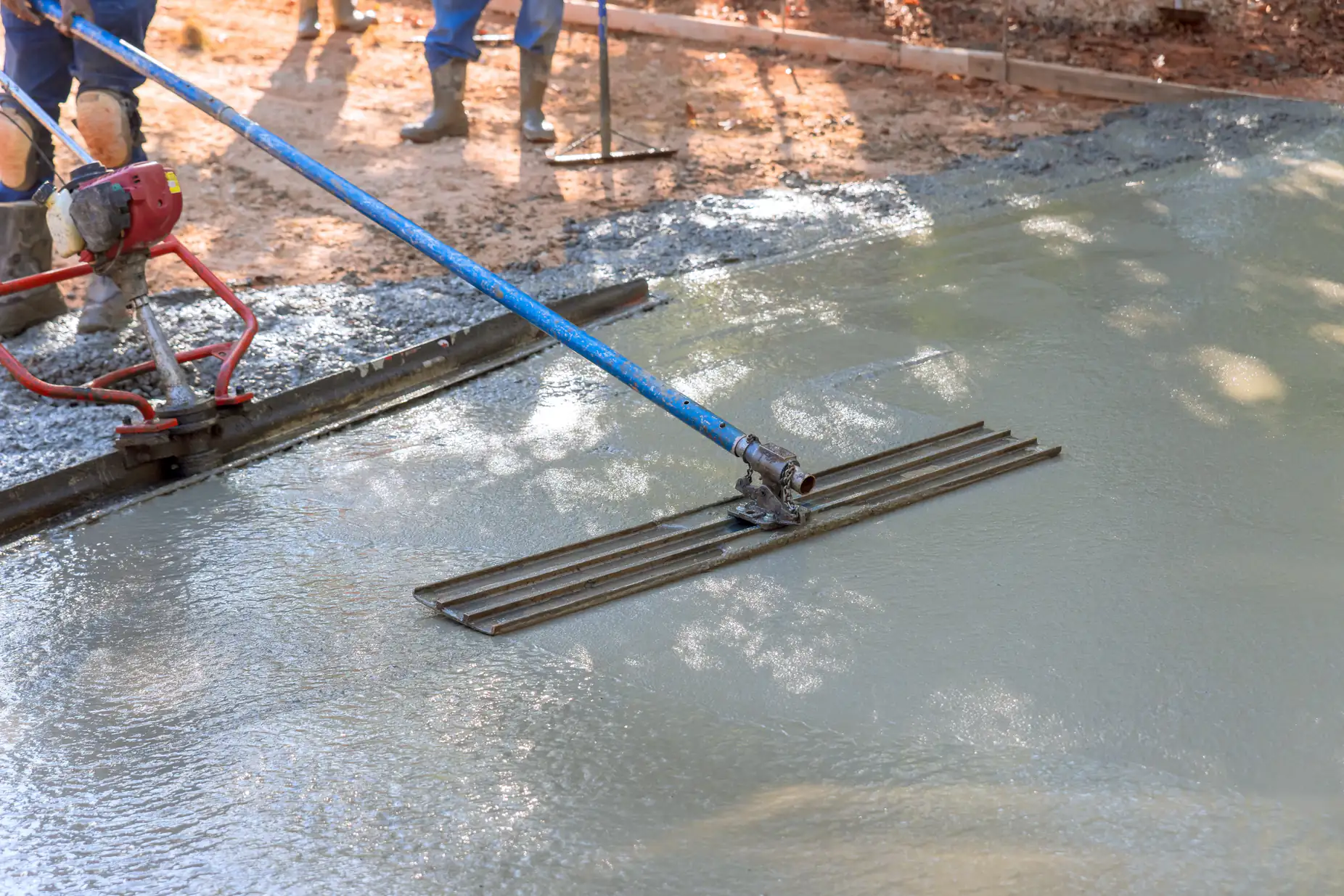
Foundation work separates functional pavement from projects that fail prematurely. We excavate to depths that account for local frost lines and soil conditions. The aggregate base gets installed in lifts and compacted to 95% density. This isn’t the exciting part of the project, but it’s what keeps your driveway from settling, cracking, or developing drainage problems five years from now.
Properly installed asphalt typically lasts 25 to 30 years here with regular maintenance. That timeline assumes the base work was done correctly and you’re sealcoating every two to three years.
The driveways that fail early usually have foundation problems. Thin asphalt over inadequate base material can’t handle Vernon Center’s freeze-thaw cycles. Water seeps through small cracks, freezes, expands, and turns minor surface damage into major structural failure.
Maintenance matters too. Sealcoating protects against oxidation from UV rays and prevents water infiltration. Crack sealing stops small problems before they spread. Most homeowners spend a few hundred dollars every few years on maintenance instead of tens of thousands on premature replacement.
Asphalt costs less upfront and handles freeze-thaw cycles better than concrete in North Jersey. Concrete lasts longer but cracks more easily when the ground shifts, and repairs are more visible.
Asphalt is flexible. When temperatures drop and the ground freezes, asphalt contracts and expands without cracking as readily as concrete. That flexibility matters in Vernon Center where winter temperatures can swing dramatically. Asphalt also absorbs heat, which helps melt snow and ice faster than concrete surfaces.
Concrete makes sense for specific applications—decorative stamped patterns, areas where you want a lighter color, or surfaces that won’t see heavy vehicle traffic. But for residential driveways and commercial parking lots in this climate, asphalt delivers better performance for the investment.
Most residential driveways don’t require permits unless you’re changing drainage patterns or connecting to public roads. Commercial projects typically need permits and inspections, which we handle as part of our service.
Vernon Center and Sussex County have specific regulations about stormwater management and drainage. If your project involves installing new catch basins, redirecting water flow, or expanding impervious surfaces beyond certain thresholds, you’ll need approval. We verify requirements for every project during the estimate process.
Permit requirements exist for good reasons. They ensure proper drainage that doesn’t flood neighboring properties or overwhelm municipal systems. They verify that pavement thickness and base preparation meet minimum standards for your soil conditions and intended use. We pull permits, coordinate inspections, and make sure all work meets local building codes.
Residential driveways typically run between $3 to $7 per square foot depending on site conditions, base preparation requirements, and project complexity. A standard two-car driveway averages $4,000 to $8,000 for complete installation.
Your actual cost depends on factors specific to your property. Poor drainage requires additional excavation and base work. Difficult access means smaller equipment and more labor time. Existing pavement removal adds disposal costs. Clay soil conditions might require deeper excavation and more base material than properties with better-draining soil.
We provide detailed written estimates that break down exactly what you’re paying for. You’ll see line items for excavation, base material, asphalt thickness, grading work, and any drainage improvements. No surprises, no vague “per job” pricing that leaves you guessing what’s included.
Late spring through early fall offers ideal conditions for asphalt installation. We need ambient temperatures above 50 degrees Fahrenheit and dry weather for proper curing. Most projects happen between April and October.
Asphalt must be applied at temperatures between 275 and 300 degrees and compacted while still hot. If the ground is too cold or wet, the asphalt cools too quickly and won’t compact to proper density. You end up with a surface that looks fine initially but develops problems as it settles.
We schedule projects based on weather forecasts, not just calendar dates. A warm week in March might work fine. A cold, rainy stretch in May won’t. We’re coordinating timing to work with conditions, not against them, because proper curing determines how well your pavement performs for the next 25 years.
Sealcoating works for surface-level wear—fading, minor oxidation, and small cracks less than a quarter-inch wide. Repaving becomes necessary when you have structural damage like alligatoring, potholes, or widespread cracking that indicates base failure.
Run your hand over the surface. If it feels rough but structurally sound, sealcoating probably extends its life another three to five years. If you’re seeing chunks breaking off, depressions that hold water, or crack patterns that look like alligator skin, the base has failed and sealcoating won’t fix it.
We’ll tell you honestly what your driveway needs during the estimate. Sometimes a section can be patched and the rest sealcoated. Sometimes the whole surface needs replacement but the base is salvageable, which saves money. We’re not upselling you on work you don’t need, because we’re still going to be here when you need actual paving done five years from now.