
Hear from Our Customers
You’re not just getting a smooth surface. You’re protecting a property worth close to a million dollars from water damage, frost heave, and the kind of cracking that turns into a $15,000 problem in three years.
Proper installation means your driveway flexes with temperature swings instead of fracturing. It means water drains away from your foundation instead of pooling at the edges and working its way underneath. Essex County’s clay-heavy soil doesn’t drain naturally, so if your paving company doesn’t address drainage during installation, you’ll see the consequences by your second winter.
The difference between asphalt that lasts twenty years and asphalt that needs repairs every few seasons comes down to base preparation, material quality, and installation technique. Most homeowners can’t see those differences until it’s too late. That’s exactly why we walk through what’s happening at each stage and why it matters for your specific property.
We’ve spent over two decades working in Morris, Essex, and Somerset Counties. We’re not new to the area, and we’re not learning on your driveway how to handle New Jersey’s weather conditions.
Every project gets the same level of attention whether it’s a residential driveway in Essex Fells or a commercial parking lot in Morristown. The owner is on-site making sure the work meets our standards before we call it finished. You’re not getting a crew that disappears for three days and shows up when they feel like it.
Essex Fells homeowners expect quality that matches their properties. You’re maintaining a home in one of New Jersey’s most expensive ZIP codes, and a cracked, faded driveway doesn’t just look bad—it affects your property value and tells visitors you’re not keeping up with maintenance.
First, we evaluate your existing driveway and drainage situation. If water isn’t draining properly now, new asphalt won’t fix that. We identify where water collects, where the ground is settling, and what needs to happen before we pour anything.
Next comes excavation and base preparation. We remove the old surface and damaged base material, then install a properly compacted stone base. This is the foundation that determines whether your driveway lasts five years or twenty-five. Shortcuts here cost you later.
Then we address grading and drainage. Your driveway needs to slope away from your home and garage. We make sure water has somewhere to go that isn’t under your asphalt or against your foundation. For Essex County properties with clay soil, this step is non-negotiable.
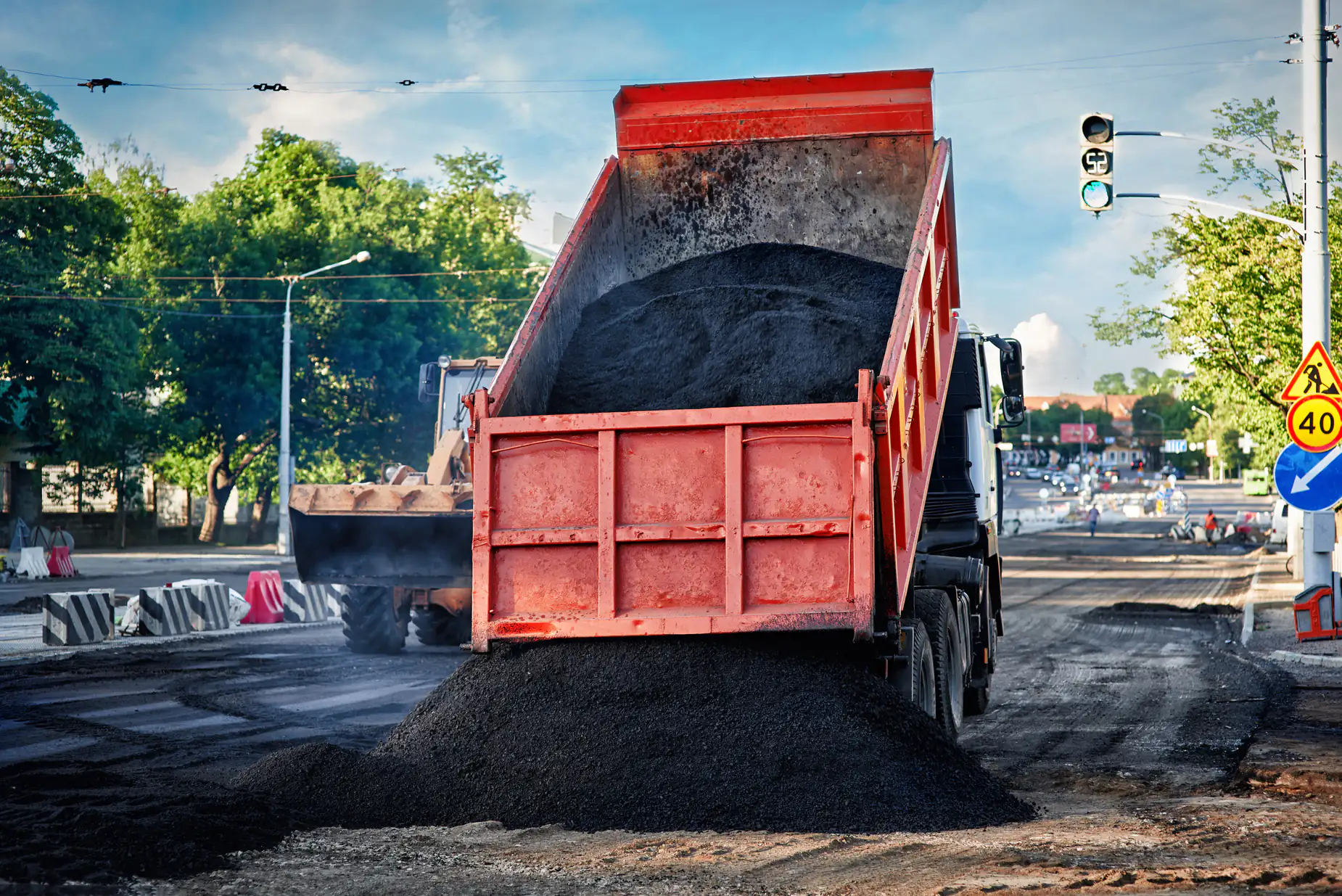
Finally, we install high-grade hot mix asphalt at the proper temperature. The mix has to be hot enough to compact correctly but not so hot it damages the base. We use commercial-grade equipment to achieve the right compaction and finish. Once it’s cured, you have a surface that handles traffic and weather the way it’s supposed to.
Ready to get started?
You get a complete drainage evaluation before we start. We’re not just repaving over problems. If your property has drainage issues, we address them as part of the installation. That might mean adjusting grades, adding drainage solutions, or rebuilding sections of the base where water has caused damage.
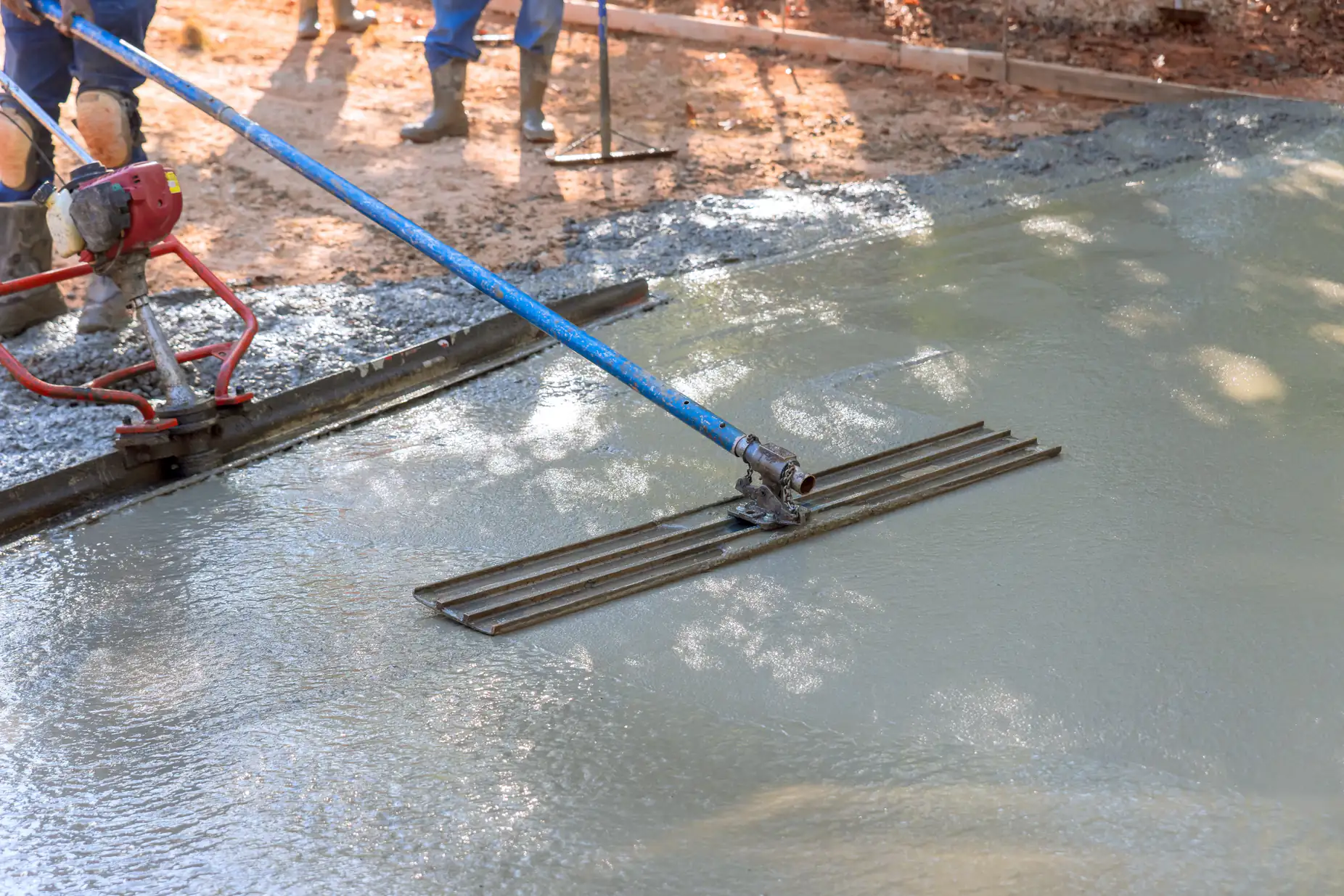
You get high-grade materials designed for New Jersey’s climate. We’re talking about hot mix asphalt that flexes with temperature changes and holds up to 55-75 freeze-thaw cycles every winter. For concrete work, we use Portland cement mixes with rebar reinforcement. If you want decorative options, we offer stamped concrete patterns and paver stones for patios and walkways.
You get transparent pricing with no surprise charges. We tell you upfront what the work involves and what it costs. If we find something unexpected during excavation, we discuss it with you before proceeding. You also get a 24-48 hour response to quote requests and clear communication throughout the project. We show up when we say we will, and we don’t leave your property a mess.
Essex Fells properties deserve work that matches their value. January 2026 was one of the coldest months on record in New Jersey, and driveways across the area took serious damage. If you’re seeing new cracks or potholes this spring, that’s not going to improve on its own. Water is already working its way deeper into those cracks, and next winter will make it worse.
A properly installed asphalt driveway should last 20-25 years in North Jersey if it’s maintained correctly. That means sealcoating every few years and addressing small cracks before they become big problems.
The lifespan depends entirely on installation quality. If the base wasn’t compacted properly or drainage wasn’t addressed, you’ll see issues within five years regardless of the asphalt quality. Essex County’s freeze-thaw cycles are brutal, and water is the enemy. Once water gets under your asphalt and freezes, it expands by 9% and pushes the pavement apart from below.
Most driveways that fail early fail because of water damage or poor base preparation, not because the asphalt itself wore out. That’s why we focus so much on drainage and base work. It’s not the exciting part, but it’s what determines whether you’re repaving in seven years or twenty-five.
Asphalt costs less upfront and handles freeze-thaw cycles better because it flexes with temperature changes. Concrete is more expensive initially but lasts longer and offers more decorative options. For Essex Fells’ climate, both work well if installed correctly.
Asphalt typically runs $3-7 per square foot installed, while concrete runs $6-12 per square foot. Asphalt needs sealcoating every 2-3 years to maintain its appearance and protection. Concrete doesn’t need sealcoating but can crack if the ground settles or if water gets underneath and freezes.
Most homeowners in this area choose asphalt for driveways because it delivers the best combination of durability, appearance, and value. Concrete makes sense for decorative applications like walkways, patios, or areas where you want stamped patterns. We install both, so the decision comes down to your priorities and budget rather than what we’re trying to sell you.
Late spring through early fall gives you the best conditions for asphalt paving. We need consistent temperatures above 50 degrees for proper installation and curing. Summer is ideal, but we stay busy through October as homeowners try to get fresh pavement down before winter.
You can’t pave when it’s too cold because the asphalt won’t compact properly. You also can’t pave in rain or on wet ground. That’s why we schedule the bulk of our residential work between April and October.
If your driveway is showing damage now, don’t wait until next spring to address it. Water is already getting into those cracks, and every freeze-thaw cycle makes them worse. Even if you can’t install new asphalt until warmer weather, we can assess the damage and discuss temporary measures to prevent it from getting worse. The worst thing you can do is ignore it for another year.
If more than 30% of your driveway surface is damaged, replacement usually makes more sense than patching. Extensive cracking, multiple potholes, or significant settling indicates the base has failed, and repairs won’t solve the underlying problem.
Small cracks and minor surface damage can be repaired if the base is still solid. We can sealcoat and patch isolated problem areas for a fraction of replacement cost. But if your driveway is sinking in sections, if water pools in multiple spots, or if you’re seeing alligator cracking (interconnected cracks that look like reptile skin), the base has deteriorated and needs to be rebuilt.
The honest answer requires looking at your specific driveway. We’re not going to tell you to replace it if repairs will actually work, and we’re not going to patch something that’s going to fail again in two years. Most homeowners appreciate a straight assessment of what they’re dealing with and what their options are. That’s what we provide during the initial evaluation.
Most driveway replacements in Essex Fells require a permit from the local building department, especially if you’re changing the driveway’s footprint or affecting drainage patterns. The requirements vary based on the scope of work and local ordinances.
We handle permit coordination as part of the project. You shouldn’t have to figure out what forms to file or which department to contact. We know the local requirements in Essex County and make sure the work complies with building codes and zoning regulations.
Skipping permits might seem like a way to save money, but it creates problems when you sell your property or if a neighbor complains. Inspectors can require you to tear out unpermitted work and redo it correctly. It’s not worth the risk, especially on a property in this price range. We do it right the first time so you don’t have issues down the road.
Sealcoating every 2-3 years is the main maintenance requirement. It protects the asphalt from UV damage, water penetration, and chemical spills. You should also fill any cracks that develop before they expand and let water underneath.
Sealcoating costs a few hundred dollars and extends your driveway’s life significantly. Think of it like painting your house—it’s preventive maintenance that protects your investment. Without it, asphalt oxidizes and becomes brittle, leading to cracking and surface deterioration.
You should also keep your driveway clean and avoid parking heavy vehicles in the same spot repeatedly during hot weather when asphalt is softer. If you notice standing water or new cracks, address them quickly. Small problems are cheap to fix. Big problems require excavation and base repair. The homeowners who get twenty-plus years from their driveways are the ones who stay on top of basic maintenance rather than ignoring issues until they become expensive.