
Hear from Our Customers
Your driveway stops cracking every spring. Water drains where it should instead of pooling near your foundation. You’re not calling for repairs two years in because someone skipped the base prep.
Proper asphalt work means you’re driving on a surface that handles what Morris County throws at it—55 to 75 freeze-thaw cycles every winter. That’s water expanding in cracks, pushing pavement apart, then seeping deeper when it melts. Most driveways fail because the base wasn’t done right from the start.
When hot-mix asphalt gets laid at the correct temperature over a properly compacted base, you’re looking at 15 to 20 years of use. Not three years before you’re patching potholes. The difference is in how the work gets done, not just who shows up with a truck.
We’ve spent over 40 years working in Morris, Sussex, and Somerset Counties. Owner Dominick Stanko runs jobs from start to finish—not handing your project off to whoever’s available that week.
We’re BBB-accredited, licensed, and insured. More importantly, we know how clay soil in Essex County affects drainage and why your driveway needs a 1-2% slope to keep water moving away from your property.
You’ll get a quote within 24 to 48 hours that breaks down exactly what’s included. No surprise charges later. No vague timelines. Just clear pricing and realistic schedules for Whippany homeowners and businesses who need asphalt work done right.
First, we assess your site and talk through drainage, grading, and what your property actually needs. Not every driveway requires the same approach, and we’re not selling you work you don’t need.
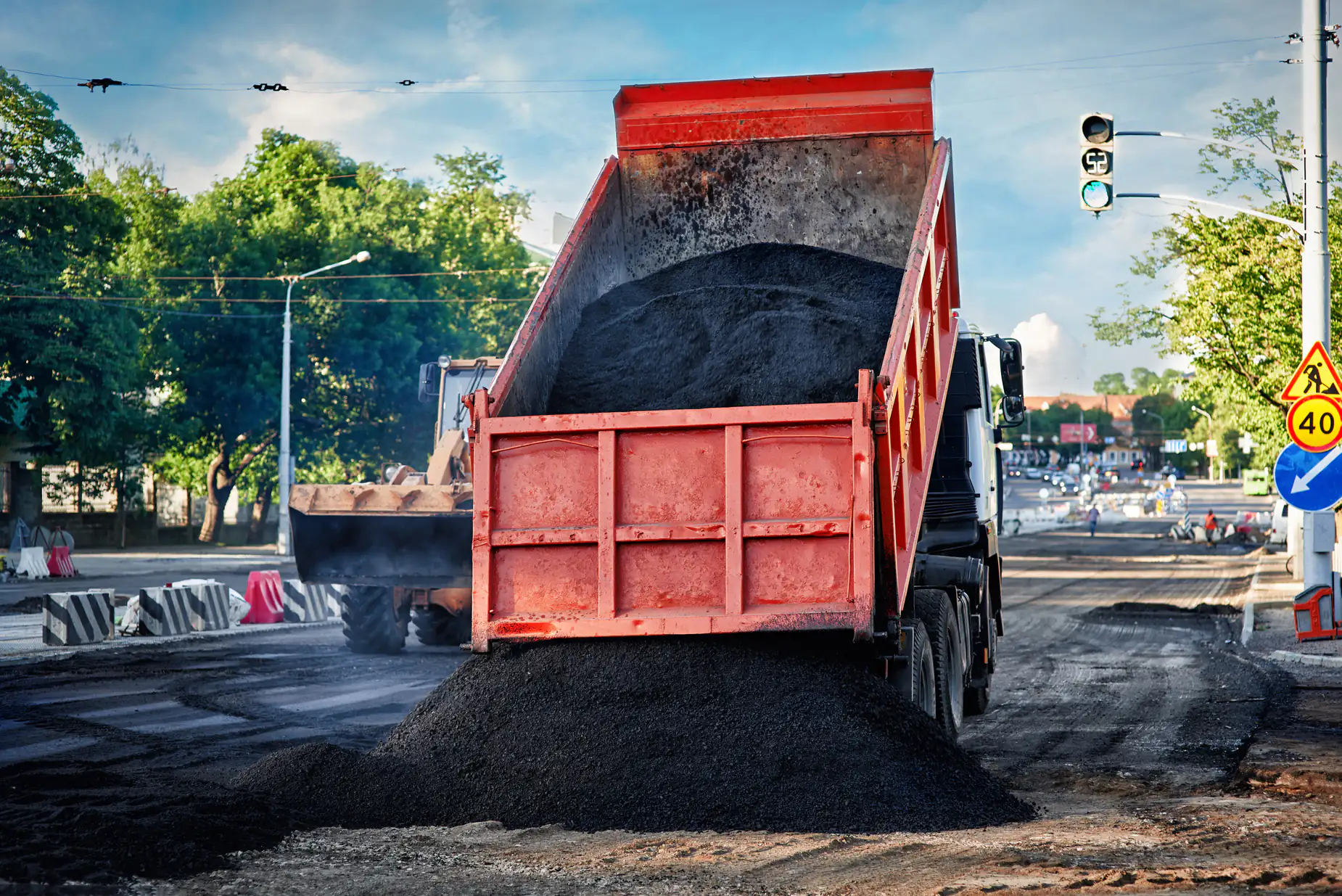
Next comes excavation and base prep. This is where most cheap contractors cut corners. We remove old material, grade for proper water runoff, and compact the base in layers. If the base isn’t solid, nothing above it matters.
Then we lay hot-mix asphalt at the right temperature and thickness for your specific use—residential driveways get different treatment than commercial parking lots. We compact it properly so it bonds and cures correctly. Once it’s set, you’ve got a surface that’s ready for Morris County weather. The whole process gets done on schedule, and we keep you updated the entire way.
Ready to get started?
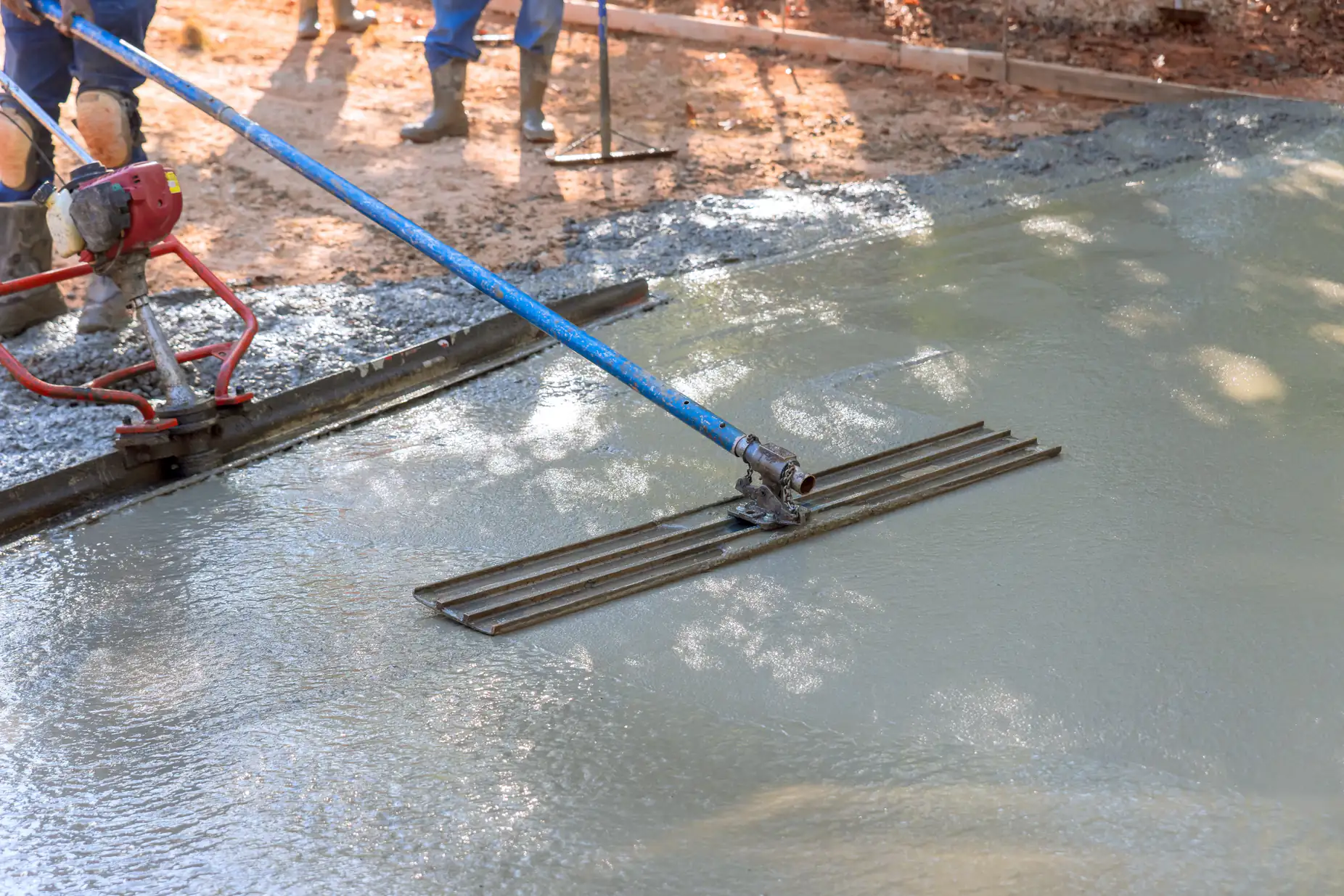
You’re getting full-service asphalt and concrete paving. That means new driveway installation, parking lot construction, asphalt resurfacing, and sealcoating to protect your investment long-term. We also handle walkways, paver patios, and decorative stamped concrete if that’s what your property needs.
In Whippany and throughout Morris County, drainage is critical. We make sure water moves off your driveway and away from your foundation. That 1-2% slope isn’t optional—it’s what keeps your pavement from undermining itself every time it rains.
We use high-grade hot-mix asphalt applied at proper temperature, and for concrete work, Portland cement mixes with rebar reinforcement. You’re not getting bottom-tier materials or shortcuts. Asphalt prices have climbed from $299 per ton in 2016 to over $460 per ton in 2021, so when you’re investing this much, the installation better be done right. We also offer maintenance services because even the best asphalt needs sealcoating every few years to extend its life.
A properly installed asphalt driveway lasts 15 to 20 years in Morris County if the base is done right and you maintain it. That means sealcoating every 3 to 5 years and fixing small cracks before they turn into bigger problems.
The key word is “properly installed.” If a contractor skips compacting the base or uses thin asphalt layers, you’ll see cracking and settling within a few years. New Jersey’s freeze-thaw cycles are brutal—water gets into cracks, freezes, expands, and pushes pavement apart all winter long.
Your driveway’s lifespan depends more on the quality of installation than the asphalt itself. Cheap work fails fast. Proper prep and materials give you decades of use.
Asphalt and blacktop are essentially the same thing—both are made from a mix of aggregate and liquid asphalt binder. The terms get used interchangeably, though “blacktop” usually refers to residential driveways while “asphalt” covers everything including roads and commercial lots.
What actually matters is the mix and how it’s applied. Hot-mix asphalt needs to be laid at the right temperature (usually above 50°F) so it bonds properly. The aggregate size and asphalt content vary depending on whether you’re paving a driveway or a highway, but the base material is the same.
Don’t get hung up on terminology. Focus on whether the contractor is using quality materials, preparing the base correctly, and applying the mix at proper thickness and temperature. That’s what determines how your driveway holds up.
Asphalt paving costs in Morris County depend on the size of your project, site conditions, and how much prep work is needed. A typical residential driveway runs anywhere from a few thousand to over ten thousand dollars depending on square footage and complexity.
Prices have climbed significantly—liquid asphalt costs jumped from $299 per ton in 2016 to over $460 per ton by 2021, and they’re tied to crude oil prices. That means costs fluctuate, and summer demand can drive prices even higher.
You’ll get a detailed quote from us within 24 to 48 hours that breaks down materials, labor, and prep work. No hidden fees or surprise charges later. If your driveway needs extensive excavation or drainage work, that affects the total. Cheaper quotes usually mean corners are getting cut somewhere—thin asphalt layers, poor base prep, or subpar materials. You’re better off paying for work that lasts than redoing it in three years.
Late spring through early fall is the best window for asphalt paving in New Jersey. You need consistent temperatures above 50°F for the asphalt to bond and cure properly. Cold weather prevents proper compaction, and hot summer days can make the surface too soft during installation.
Spring installation gives your driveway a full warm season to cure before winter hits. Fall paving works too, but you’re racing the clock before temperatures drop. Summer is peak season, which means longer wait times and sometimes higher prices due to demand.
Avoid winter paving entirely. Even if it’s technically warm enough on installation day, the ground temperature and overnight lows will prevent proper curing. You’ll end up with a driveway that doesn’t hold up. Plan ahead and book your project for late spring or early summer if you want the best results.
Yes, sealcoating protects your asphalt from water, UV damage, and chemicals like oil and salt. You should sealcoat every 3 to 5 years to extend your driveway’s lifespan. It’s not optional if you want to get the full 15 to 20 years out of your pavement.
New asphalt needs time to cure before sealcoating—usually 6 to 12 months after installation. After that, regular sealcoating fills small cracks, prevents water infiltration, and keeps the surface flexible enough to handle freeze-thaw cycles without breaking apart.
Skipping sealcoating means you’re letting water seep into the asphalt, which leads to cracking, potholes, and expensive repairs. It’s a small maintenance cost compared to repaving your entire driveway. Think of it like changing your oil—ignore it, and you’ll pay a lot more later.
Look for a licensed, insured contractor with a track record in Morris County. Ask how long they’ve been in business and whether the owner is involved in your project. You want someone who knows local soil conditions, drainage requirements, and how to handle New Jersey winters.
Get a detailed written quote that breaks down materials, labor, base prep, and drainage work. Vague estimates or rock-bottom prices are red flags—they usually mean shortcuts on base compaction or thin asphalt layers. Ask about the thickness they’re planning to lay and what type of base prep they’ll do.
Check references and look for BBB accreditation or online reviews. A good contractor will explain the process, give you a realistic timeline, and answer questions without pressure tactics. If someone’s pushing you to sign immediately or won’t put details in writing, walk away. You’re making a significant investment—choose someone who’s going to be around if something goes wrong.