
Hear from Our Customers
Living near the Raritan River means your pavement faces conditions most contractors don’t account for. Water tables shift. Freeze-thaw cycles hit harder. Spring flooding leaves behind damage that shows up months later.
You need an asphalt contractor who understands what Bound Brook properties deal with. Not someone who shows up, lays blacktop, and hopes it holds.
When we pave your driveway or parking lot, the work accounts for drainage patterns specific to river towns. We grade for water runoff. We use hot mix asphalt applied at the right temperature so it compacts properly and doesn’t break down when winter hits. The base gets built to handle moisture movement, not just traffic weight.
What you get is a surface that doesn’t develop potholes by March. One that doesn’t need patching every other year because someone cut corners on the foundation. Your investment actually protects your property value instead of becoming another repair bill.
We’ve worked in Somerset County for over 20 years. We’re not new to Bound Brook’s specific challenges—the compact layout, the river location, the properties that flood when the Raritan rises.
Our crew has completed more than 150 projects in riverfront communities. We know which areas need extra base depth. We know when to recommend permeable pavement options. We know what fails here and what holds up.
You’re hiring a family-owned company that shows up when we say we will, prices the job upfront, and doesn’t disappear after the check clears. We’re licensed, insured, and we guarantee the work.
First, we come out and look at your property. Not a five-minute glance—we check drainage, measure the area, and ask about any issues you’ve noticed. You get a written quote within 24 to 48 hours that breaks down materials, labor, and timeline.
Once you approve, we schedule the work. We excavate to the right depth based on your soil conditions and what the surface will handle—residential driveways need less base than commercial parking lots. We grade for proper water flow, compact the base, and let it settle if needed.
Then we bring in the hot mix asphalt at the correct temperature and lay it with professional equipment. Not a guy with a truck and a rake. We compact it in layers so it bonds correctly and cures evenly.
After paving, we clean up completely. No leftover debris, no oil stains on your property. We walk you through maintenance basics—when to sealcoat, what to watch for, how to extend the surface’s lifespan. Then we’re done, and you’ve got a driveway or lot that actually works.
Ready to get started?
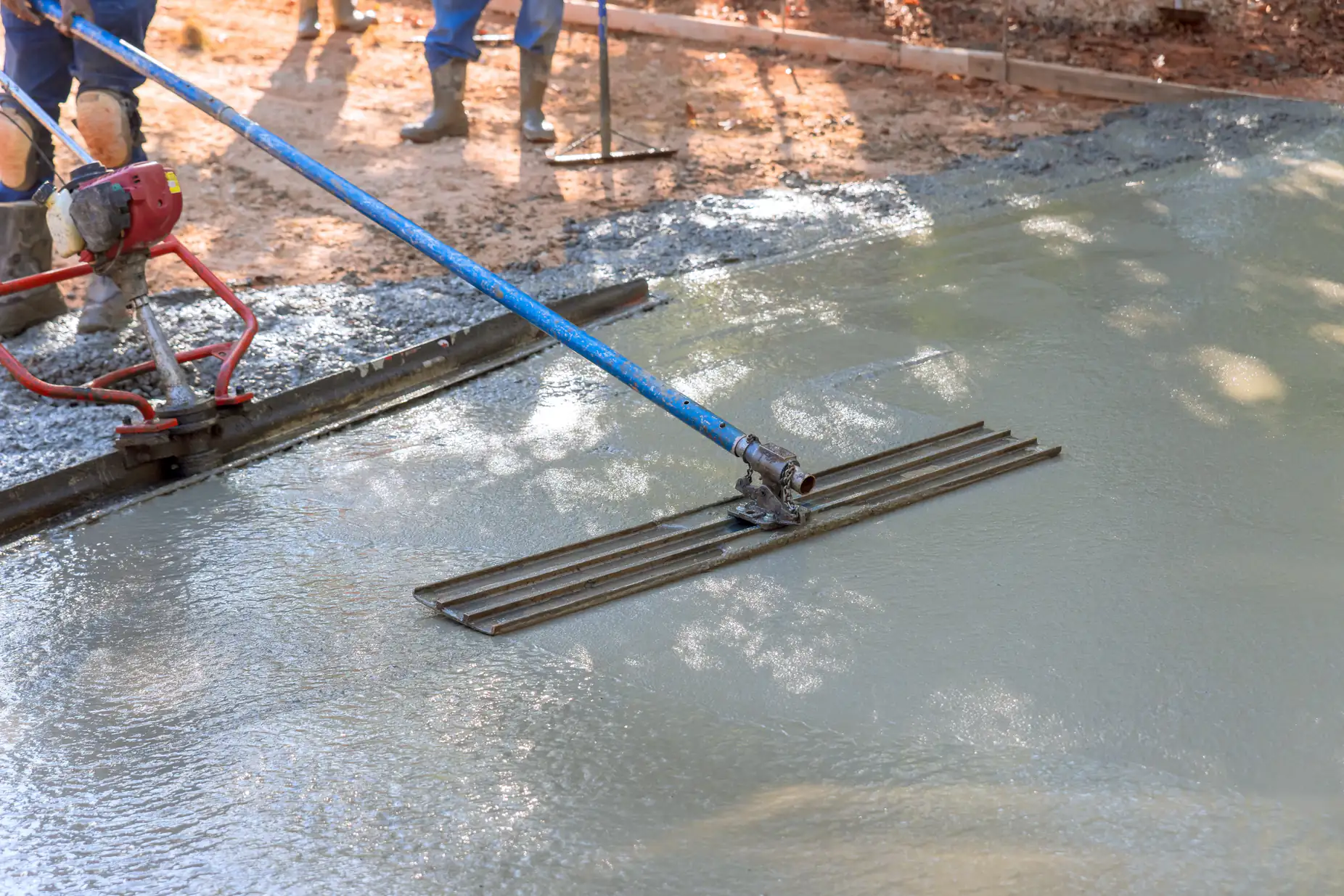
Every job starts with proper excavation. We remove old asphalt or unsuitable soil down to stable ground. In Bound Brook, that often means going deeper than standard specs because of the water table and river proximity.
We install a compacted aggregate base—usually 4 to 8 inches depending on the project. This is what prevents your pavement from settling unevenly or cracking prematurely. We don’t skip this step to save time.
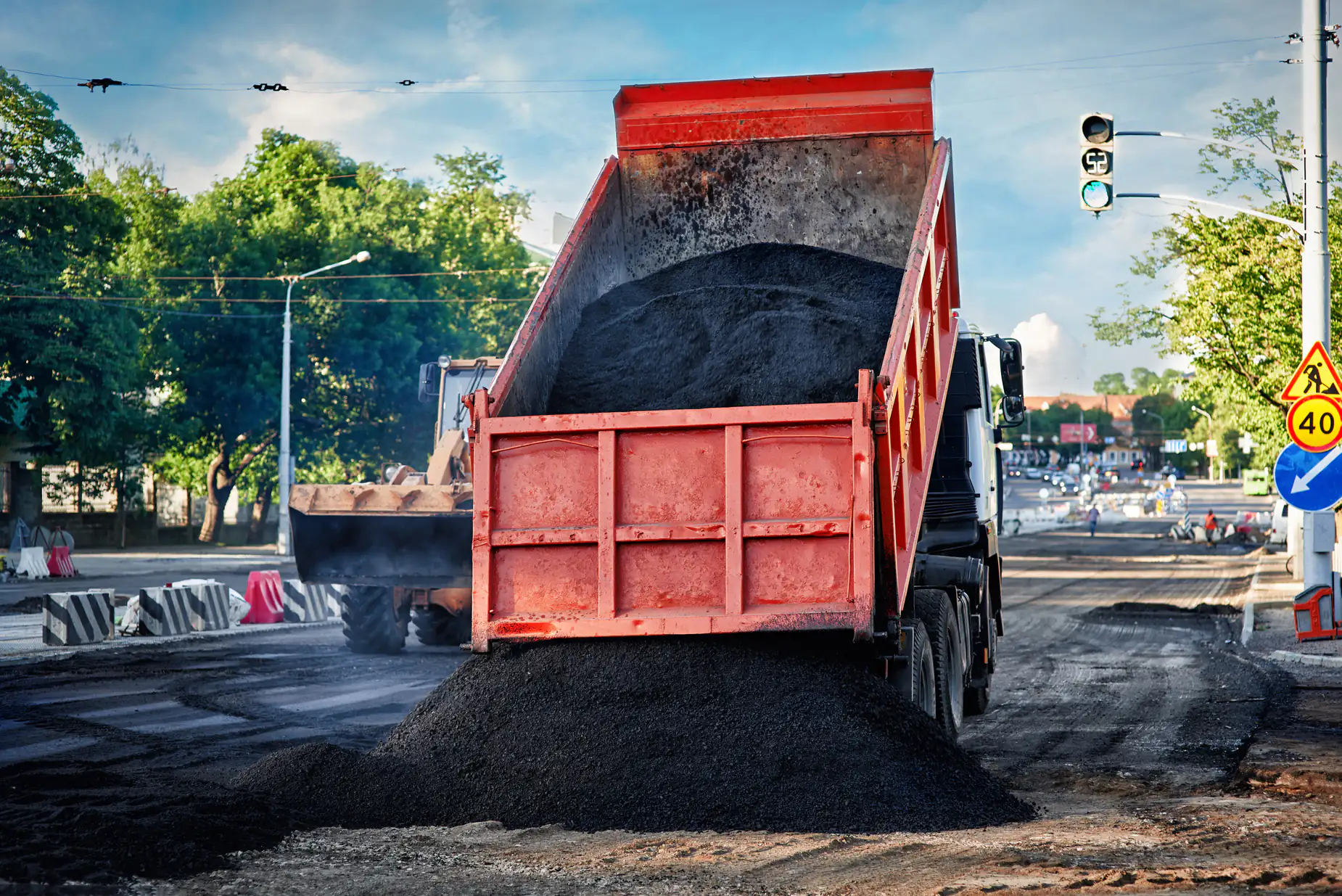
The asphalt itself is high-grade hot mix applied at 280 to 300 degrees. Proper temperature matters because it affects how well the material compacts and bonds. Too cool and it won’t seal correctly. Too hot and it can become unstable.
We also handle drainage solutions—grading, catch basins, French drains if needed. Bound Brook properties near the river often need more aggressive water management than homes a few miles inland. We account for that during the planning phase, not after water starts pooling on your new driveway.
For commercial projects, we make sure parking lots meet ADA requirements and handle the traffic volume you actually see. Line striping, curbing, and proper transitions between pavement and existing structures all get addressed before we call the job complete.
A properly installed asphalt driveway in Bound Brook should last 15 to 20 years with basic maintenance. That means sealcoating every 3 to 5 years and filling cracks before they spread.
The lifespan depends heavily on the base. If the foundation wasn’t built correctly or the contractor skipped proper compaction, you’ll see failure in 5 to 7 years. Potholes, cracking along the edges, and low spots that hold water all point to base problems.
Bound Brook’s freeze-thaw cycles are harder on pavement than areas farther south. Water gets into small cracks, freezes, expands, and breaks the asphalt apart. This happens repeatedly all winter. The only way to fight it is proper installation from the start and staying on top of sealcoating to keep water out.
Late spring through early fall—roughly May through October—gives you the best conditions. Asphalt needs warm weather to cure properly. Air and ground temperatures should stay above 50 degrees, ideally closer to 70.
Summer is ideal because the material stays workable longer and compacts more thoroughly. You also avoid weather delays from spring rain or early fall cold snaps.
Winter paving is possible but not recommended unless it’s an emergency repair. Cold temperatures cause asphalt to cool too quickly, which affects bonding and compaction. The result is a surface that doesn’t perform as well or last as long. If your project can wait until spring, wait.
Most residential driveways in Bound Brook run between $3,000 and $7,000 depending on size and site conditions. A standard two-car driveway is roughly 600 square feet. At $5 to $7 per square foot for removal and new asphalt, that’s $3,000 to $4,200.
If your property has drainage issues, needs significant excavation, or requires a thicker base because of soil conditions, the cost goes up. Riverfront properties often need more prep work than homes on higher ground.
Sealcoating an existing driveway costs significantly less—usually $200 to $500 depending on size. That’s worth doing every few years to extend the surface’s life and avoid a full replacement. We give you an exact price after seeing the property. No guessing, no surprise charges later.
It depends on the condition of what’s already there. If your current asphalt is structurally sound—no major cracking, no base failure, no significant settling—we can mill the surface and overlay new asphalt on top.
If the driveway has deep cracks, potholes, or areas that have sunk, overlaying won’t fix the problem. The new asphalt will just follow the same failure pattern within a year or two. In those cases, removal and replacement is the only option that makes sense.
We assess this during the initial visit. Sometimes one section needs full removal while another area can be overlaid. We’ll walk you through what we’re seeing and why we’re recommending a specific approach. The goal is a driveway that lasts, not just one that looks good for six months.
Yes. We’ve paved parking lots for businesses, apartment complexes, and municipal properties throughout Somerset County. Commercial work requires heavier base construction than residential driveways because of the traffic load and weight.
We handle everything from initial layout and grading to ADA-compliant striping and signage. If your lot has drainage problems or areas that consistently fail, we identify why and fix the underlying issue—not just patch over it.
Bound Brook’s compact downtown and riverfront commercial areas present specific challenges. Limited access for equipment, working around active businesses, and managing water runoff in tight spaces all require experience. We’ve done it before, and we know how to keep disruption to a minimum while delivering a lot that holds up to daily use.
Sealcoating is the most important maintenance task. Plan on doing it every 3 to 5 years depending on traffic and sun exposure. Sealcoating fills small surface cracks and protects the asphalt from water, UV damage, and chemicals like oil or salt.
Crack filling should happen as soon as you notice cracks forming. Small cracks turn into big ones fast, especially during freeze-thaw cycles. Filling them early costs a fraction of what you’ll pay for pothole repairs or resurfacing later.
Keep the surface clean. Remove debris, leaves, and standing water when possible. Avoid using metal shovels or plows that gouge the asphalt in winter. If you park heavy equipment or vehicles in the same spot repeatedly, consider placing plywood or pavers underneath to distribute the weight. These small steps add years to your pavement’s lifespan.