
Hear from Our Customers
You pull into a smooth, even driveway that doesn’t crack apart by February. No standing water pooling near your garage. No potholes forming where your car sits all winter.
That’s what proper asphalt installation looks like. High-grade hot mix asphalt applied at the right temperature, compacted correctly, with drainage that actually works. Not the shortcuts that leave you calling for repairs every spring.
When your driveway’s built to handle Morris County’s freeze-thaw cycles, you’re not patching cracks every year. You’re not dealing with emergency repairs during the winter rush when every paving company near me is booked solid and charging premium rates. You’re getting 15-20 years of reliable performance because the foundation was done right the first time.
We’ve spent over 20 years working exclusively in Morris, Sussex, and Somerset Counties. That’s not just experience—it’s understanding how Lake Hiawatha’s specific soil conditions affect your driveway’s longevity.
We know the clay-heavy soils around here retain moisture longer than sandy soils. We know that creates prolonged freeze-thaw stress. And we know exactly how to prepare your site so water drains away from your foundation instead of sitting under your pavement, waiting to cause damage.
Every project gets a thorough site assessment. We check drainage issues, soil stability, and existing pavement conditions before we quote you. No surprises, no change orders, no excuses.
First, we assess your property. We’re looking at drainage patterns, checking soil stability, measuring existing pavement if you’re replacing an old driveway. This determines what prep work your site actually needs.
Next comes site preparation. We excavate to the proper depth, address any drainage issues, and compact the base material. This is where most problems start—with contractors who skip steps or rush the foundation work.
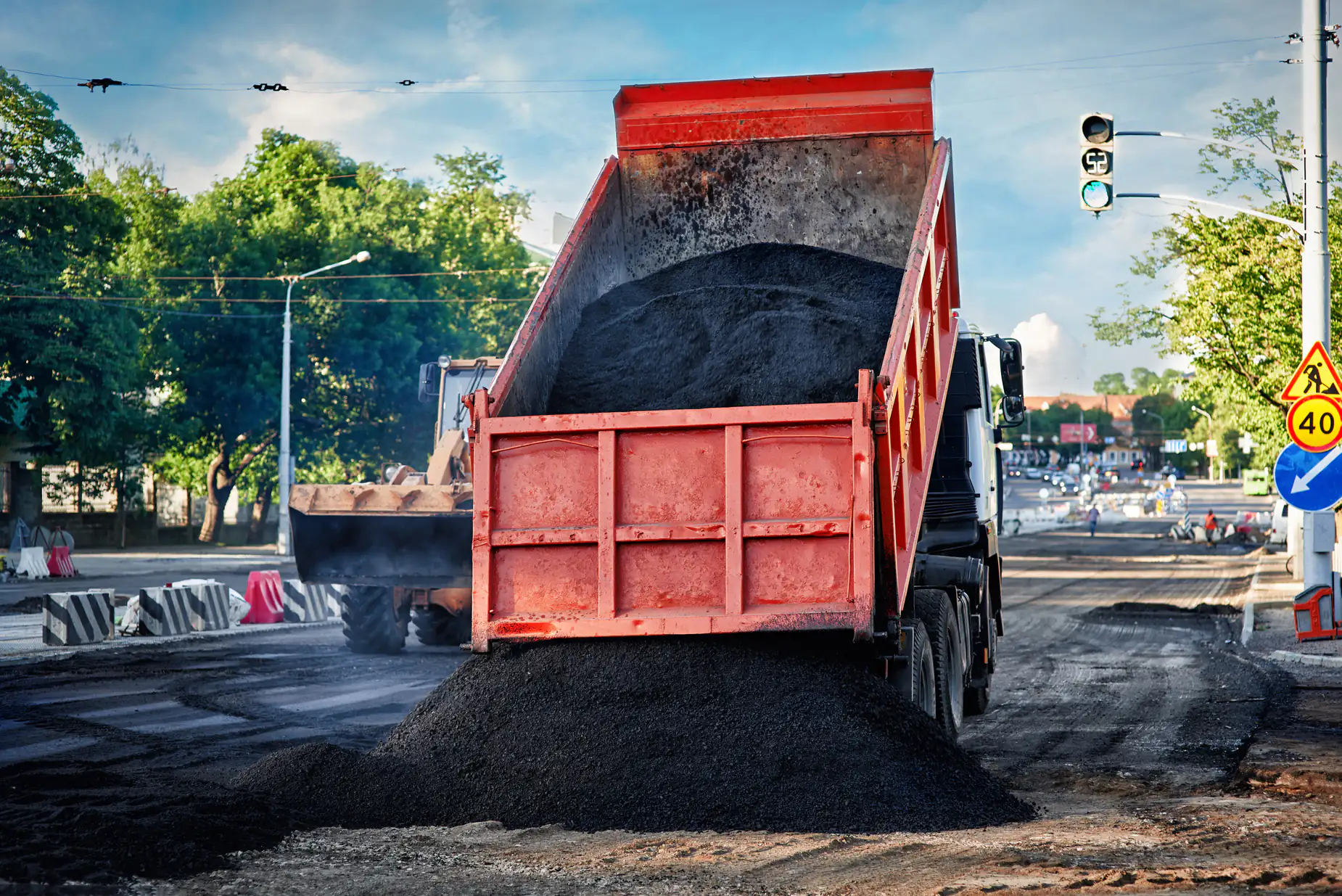
Then we install the asphalt. We use high-grade hot mix asphalt applied at the correct temperature. Temperature matters because asphalt that’s too cool won’t compact properly, and asphalt that’s too hot can become unstable. We monitor this throughout the pour.
Finally, we compact the surface using professional equipment. Proper compaction creates a dense, resilient finish that stands up to traffic and weather. We’re not done until the surface meets our standards, not just when the truck’s empty.
Ready to get started?
You get a complete site assessment before we start. We examine your property’s drainage, soil conditions, and any existing pavement issues. This isn’t a quick walk-around—it’s a detailed evaluation that determines what your specific site needs.
You get a written estimate that breaks down the scope of work, materials we’ll use, steps involved, and total project cost. No vague line items. No “additional work may be required” clauses that leave room for surprise charges later.
You get materials chosen specifically for New Jersey’s climate. We use asphalt aggregates and binders selected for their performance in freeze-thaw conditions. The dark color of properly installed asphalt helps melt snow and ice faster during Lake Hiawatha winters, giving you safer access when other surfaces stay slick.
You get a 24-48 hour callback guarantee when you request a quote online. We know you’re comparing options and making decisions on your timeline, not ours. Fast response times matter when you’re trying to schedule work before winter hits.
A properly installed asphalt driveway in Lake Hiawatha typically lasts 15-20 years with good maintenance. That’s not a guarantee—it’s what happens when the installation is done right and you stay on top of basic upkeep like crack sealing and sealcoating.
Morris County’s freeze-thaw cycles are tough on pavement. Every winter, water seeps into small cracks, freezes, expands by about 9%, and creates pressure that widens those cracks. Over time, hairline cracks become potholes. The way to extend your driveway’s life is to seal cracks before water gets in and to reseal the surface every few years to maintain the protective layer.
If your driveway was installed without proper base preparation or drainage, you’ll see problems much sooner. Poor drainage is the biggest killer of asphalt in this area. Water that can’t drain away sits under the pavement edges, weakens the base, and causes structural failure. That’s why site prep matters more than the asphalt itself.
Late spring through fall is ideal for asphalt paving in Lake Hiawatha. Asphalt needs heat to remain workable and compact properly. Most paving contractors won’t work when temperatures drop below 50°F because the material won’t bond correctly.
Fall is actually the sweet spot for cost-effective repairs and installations. Temperatures are still warm enough for proper material adhesion, but you’re ahead of the winter emergency rush. Once winter hits and driveways start failing, every asphalt company near me is booked solid and charging premium rates for emergency work.
Spring is busy because everyone’s dealing with winter damage at once. Summer works fine, but you’re competing with commercial projects that often take priority. If you’re planning a driveway project, scheduling it for September or October usually gets you better availability and lets you lock in pricing before the spring rush.
Asphalt paving costs vary based on your site’s specific conditions, but understanding what drives the price helps you evaluate quotes. The biggest factors are site preparation requirements, total square footage, and material quality.
Site prep can range from minimal grading to extensive excavation and drainage work. If your property has poor drainage or unstable soil—common in Lake Hiawatha with our clay-heavy soils—you’ll need more prep work. Contractors who quote far lower than competitors often skip this prep work, which leads to premature failure.
Material quality matters too. High-grade hot mix asphalt costs more than cheaper alternatives, but it performs better in freeze-thaw conditions. Some contractors cut costs by using lower-grade materials or not applying the asphalt at proper temperatures. You’ll save money upfront and spend it later on repairs.
A detailed written estimate should break down every component: excavation, base material, asphalt thickness, compaction method, and drainage work. If a quote just lists a total price without explaining what you’re getting, you’re looking at a contractor who’s leaving room to cut corners.
Yes, but not immediately. New asphalt needs 6-12 months to cure before you apply sealcoat. After that, sealing every 2-3 years protects your investment and extends the life of your driveway significantly.
Sealcoating does two things. It fills small surface cracks before they become bigger problems, and it protects the asphalt from UV damage, oil spills, and water penetration. Think of it like painting wood—the material underneath is doing the work, but the protective coating prevents deterioration.
Studies show that crack sealing as part of preventative maintenance extends pavement life by 10-15 years. That’s not marketing—it’s what happens when you keep water from getting under the surface. Once water penetrates and starts the freeze-thaw cycle, damage accelerates fast. A $300 sealcoating job every few years beats a $8,000 driveway replacement.
Skip the sealcoating and you’ll see surface deterioration within 5-7 years in Morris County’s climate. The asphalt will fade, small cracks will appear, and water will start working its way into the base. By the time you notice major problems, you’re looking at repairs that cost more than preventive maintenance would have.
Start with licensing and insurance. All paving contractors in Morris County need to be properly licensed and insured. If a contractor can’t immediately provide proof of both, walk away. You’re not just protecting yourself from liability—you’re confirming they meet basic professional standards.
Look for written estimates that detail every aspect of the work. Vague quotes with single line items are red flags. You want to see exactly what materials they’re using, how thick the asphalt will be, what base preparation they’re doing, and how they’re handling drainage. Detailed estimates show a contractor who’s actually assessed your site and planned the work.
Ask about their experience with local soil conditions. Lake Hiawatha’s clay soils behave differently than sandy soils. A contractor who works throughout New Jersey might not understand the specific drainage challenges your property faces. Local expertise matters when you’re building something that needs to last 15-20 years.
Check how they handle callbacks and warranty issues. A 24-48 hour response time for quotes is standard for professional operations. If a contractor takes a week to get back to you during the estimate phase, imagine how long you’ll wait if there’s a problem after installation.
Sometimes, but it depends on the condition of your existing driveway. If the current surface is structurally sound with only minor surface damage, an overlay can work. If there are major cracks, potholes, or drainage issues, you need full removal and replacement.
An overlay involves applying new asphalt over the existing surface. This works when the base is stable and drainage is adequate. It’s less expensive than full replacement because there’s less excavation and disposal. But it’s not a fix for structural problems—it’s a way to refresh a driveway that’s wearing out cosmetically but still sound underneath.
Full replacement is necessary when the base has failed, when there are significant drainage problems, or when the existing pavement is severely damaged. Paving over a failing driveway just hides problems temporarily. Within a year or two, the issues underneath will telegraph through the new surface and you’ll be dealing with the same cracks and potholes.
A proper site assessment tells you which approach makes sense for your specific situation. Any contractor who quotes an overlay without examining your existing driveway’s condition isn’t doing their job. The right answer depends on what’s happening below the surface, not just what you can see from your car.