
Hear from Our Customers
Your driveway stops turning into a pond every time it rains. Water drains where it’s supposed to. The surface stays smooth through freeze-thaw cycles instead of cracking apart by February.
That’s not luck. It’s what happens when the base gets compacted correctly, when the asphalt goes down at the right temperature, and when someone actually checks the grade before pouring anything.
Most paving companies near you will show up, lay some blacktop, and disappear. Then you’re dealing with standing water, soft spots, and edge crumbling within two years. The difference is in the prep work you don’t see—and whether the crew knows what Morris County weather does to pavement that wasn’t installed properly.
We’ve been handling asphalt and concrete work across Morris, Somerset, and Sussex Counties since before half the paving contractors in the area even existed. We’re not a seasonal crew that shows up in spring with “leftover materials.” We’re here year-round, based in Dover, with the same phone number and the same standards.
When you call, you’re talking to people who know what Somerville soil does to a base layer. Who understand that your driveway needs to handle more than just your car—it needs to survive January. Who’ve seen what happens when someone skips the compaction step or uses cold mix in October.
That’s the difference between an asphalt company near you and an actual contractor who’ll be around when you need us.
First, we come out and look at your property. Not just the surface—we’re checking drainage, looking at the soil, measuring slope. If there’s an existing driveway, we’re figuring out why it failed so we don’t repeat the same mistake.
Then we plan the job. That means designing proper drainage, calculating the right depth for your base layer, and making sure water moves away from your foundation. For a driveway in Somerville, that usually means 4-6 inches of compacted base, depending on your soil and how much traffic you’re expecting.
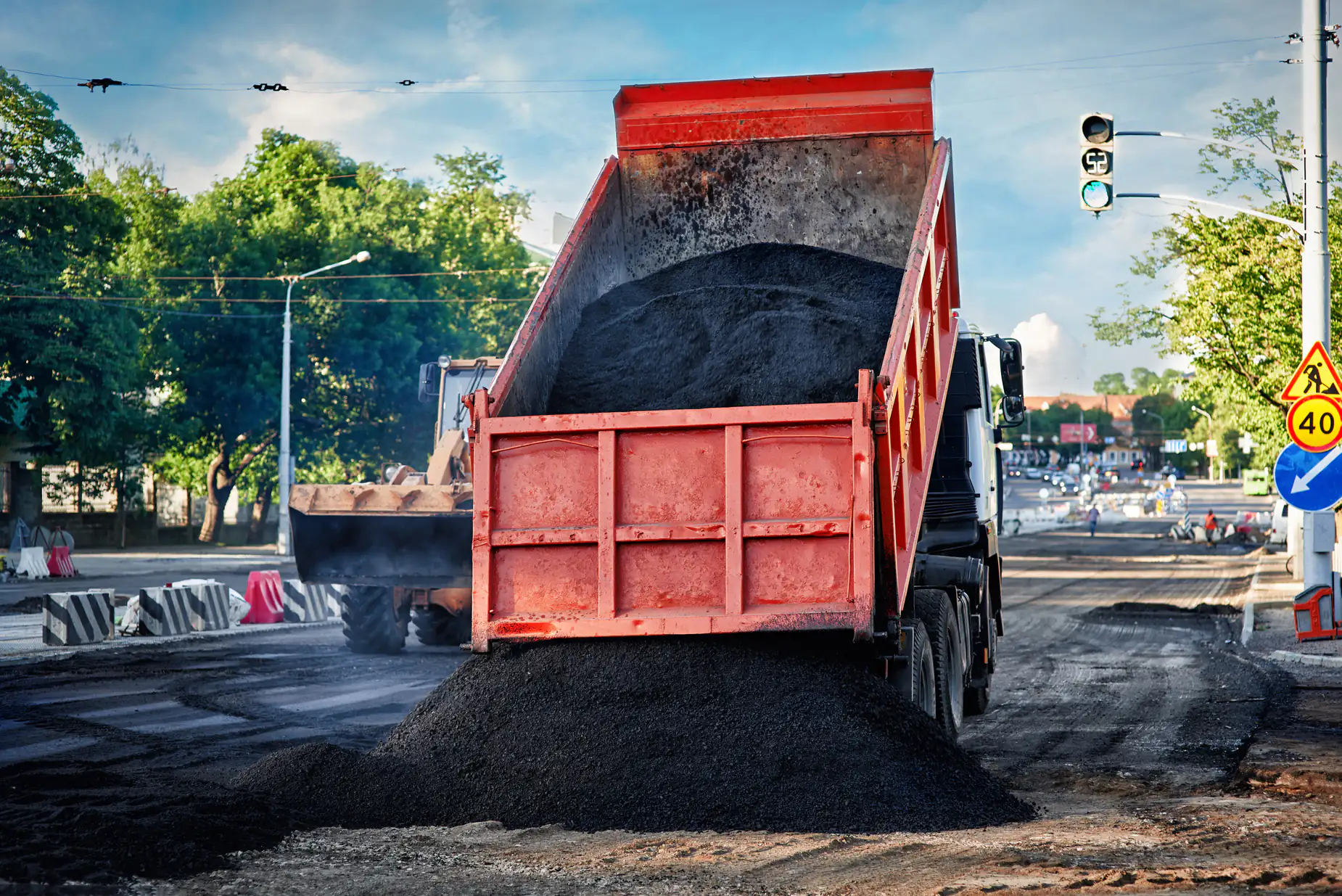
Demo and excavation come next if you’re replacing existing pavement. We remove the old material, grade everything correctly, and compact the base in layers. This is where most cheap paving jobs fall apart—literally. Skimp here and your new asphalt will sink within a year.
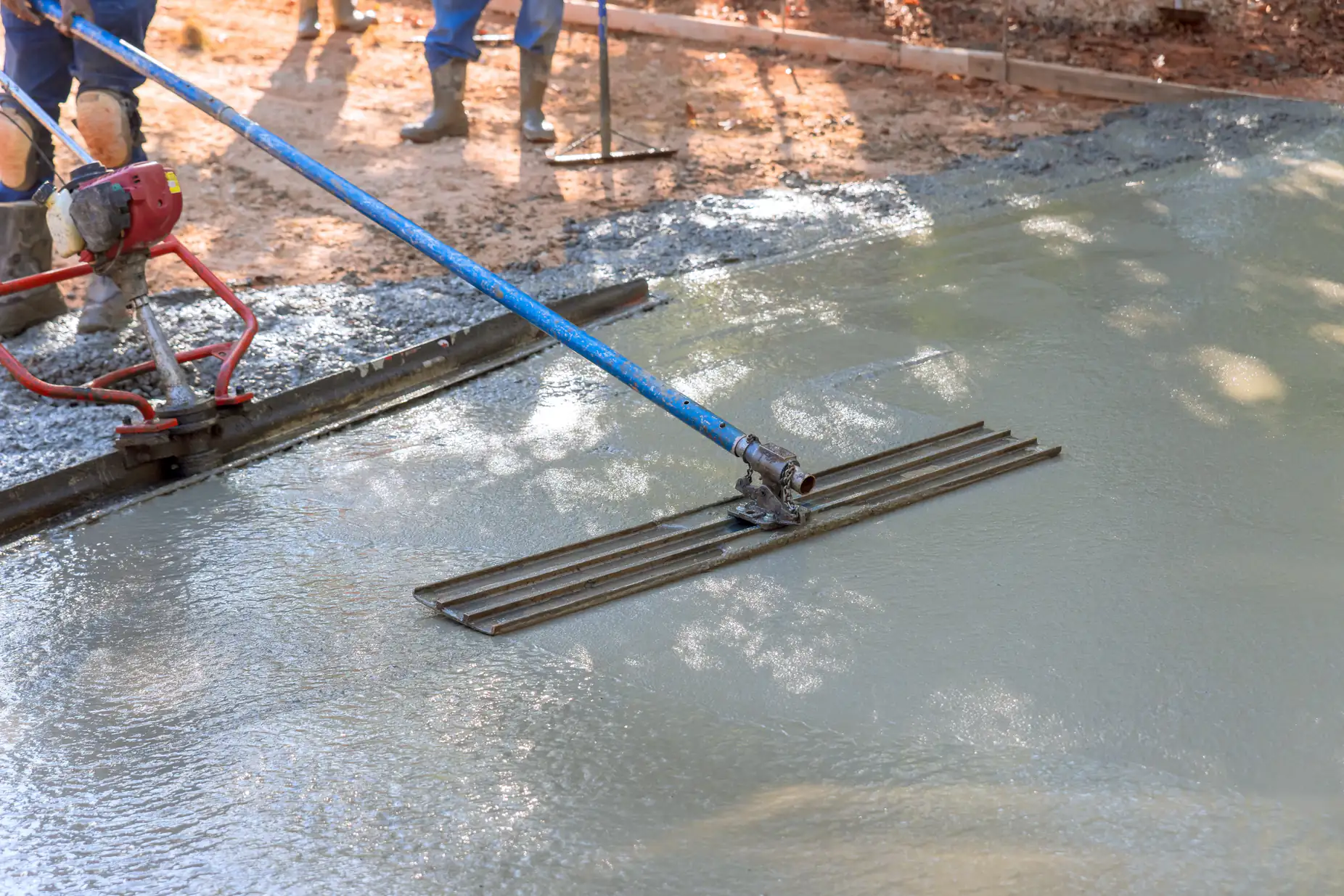
Finally, we lay the asphalt. We use hot mix asphalt applied at the right temperature and compact it properly while it’s still workable. For concrete jobs, we’re using Portland cement mixes with rebar reinforcement. Then it cures, and you’ve got a surface that’ll handle whatever Jersey weather throws at it.
Ready to get started?
You’re getting a paving contractor who shows up when scheduled, does the work correctly, and doesn’t disappear when the job’s done. That includes proper site assessment, engineered drainage solutions, and materials that match the job—not whatever’s cheapest that week.
For asphalt work, that means high-grade hot mix asphalt compacted to the right density. For concrete, it’s Portland cement with rebar where it’s needed. Both options handle Somerville’s temperature swings better than the bargain work you’ll see from traveling crews.
Here’s what matters for your specific property: Somerville sits in Somerset County where freeze-thaw cycles are brutal. Your pavement needs a solid base and proper drainage or it won’t make it five years. We’re also dealing with clay-heavy soil in parts of the area, which means extra attention to compaction and sometimes additional base depth.
You’ll also get a realistic timeline. Most residential driveways take 2-3 days once we start. Larger commercial parking lots take longer. We’re not rushing to the next job—we’re making sure this one’s done right.
A properly installed asphalt driveway in Somerville should last 20-25 years with basic maintenance. That’s sealcoating every 3-4 years and filling cracks before they turn into bigger problems.
The driveways that fail early—the ones that only make it 10 years—usually have base issues. Either the contractor didn’t compact properly, didn’t account for drainage, or skipped steps to save time. Once water gets under your asphalt and freezes, it’s over. The pavement lifts, cracks spread, and you’re looking at replacement instead of repair.
New Jersey weather is tough on pavement. You’re getting freeze-thaw cycles all winter, UV damage all summer, and everything in between. The asphalt itself can handle it—if the foundation underneath is solid and water drains away like it should.
Asphalt costs less upfront, handles freeze-thaw cycles better, and is easier to repair. Concrete costs more, lasts slightly longer, and gives you more design options if you want decorative finishes.
For Somerville specifically, most homeowners go with asphalt because it performs better in our climate. Concrete can crack when water seeps in and freezes—and it will seep in eventually. Asphalt flexes a bit with temperature changes instead of cracking apart. It’s also faster to install and you can drive on it sooner.
Concrete makes sense if you want stamped patterns or specific colors, or if you’re willing to pay more for the look. Both materials last decades when installed correctly. The choice usually comes down to budget and whether you care about decorative options.
Most residential driveways in Somerville run between $3,000 and $8,000 for asphalt, depending on size and site conditions. Concrete costs more—usually 30-50% higher for the same area.
But here’s what actually affects your price: how much excavation is needed, whether we’re dealing with drainage issues, how much base material your soil requires, and the size of the area. A simple overlay on good existing asphalt costs way less than a full tear-out and rebuild.
Anyone giving you a price over the phone without seeing your property is guessing. We need to look at your site, check the current condition if there’s existing pavement, and figure out what’s required to do the job right. That’s why we do free on-site estimates—so you get an actual number based on your specific situation, not a ballpark that changes once work starts.
Late spring through early fall—basically May through October—is ideal for asphalt paving in New Jersey. You need warm temperatures for the asphalt to compact properly and cure correctly.
Asphalt plants typically close in late fall and don’t reopen until spring because the material needs to be applied hot. If it cools too much before compaction, you end up with a weaker surface that won’t last. Cold weather also makes it harder to achieve proper density, which is critical for durability.
Summer is actually the best time for sealcoating because the sealer bonds better in heat. Spring is perfect for repairs after winter damage. Fall works well for new installations as long as temperatures stay above 50 degrees consistently. We don’t recommend paving in winter—you’re setting yourself up for problems no matter how good the contractor is.
If more than 30% of your driveway is damaged, or if you’re seeing base failure, replacement usually makes more sense than patching. Base failure looks like large sunken areas, widespread alligator cracking, or sections that move when you drive over them.
Small cracks, minor potholes, and surface wear can be repaired. That’s normal aging and it’s fixable without tearing everything out. But when water has gotten underneath and compromised the foundation, repairs are just temporary. You’ll keep throwing money at patches that fail because the underlying problem hasn’t been fixed.
Here’s the test: if you’re seeing standing water that wasn’t there before, if cracks are spreading quickly, or if edges are crumbling away, your base is probably shot. At that point, overlay or patching is like putting a bandaid on a broken bone. We’ll tell you honestly what makes sense after looking at your specific situation—sometimes repair works, sometimes it’s just delaying the inevitable.
In most cases, repaving an existing driveway in Somerville doesn’t require a permit. But if you’re expanding your driveway, changing drainage patterns, or doing work near the street, you might need approval from the town.
Somerville has specific requirements about impervious surface coverage and stormwater management. If your project increases the paved area on your property beyond certain thresholds, the town wants to make sure you’re not creating drainage problems for your neighbors or the street.
We handle this kind of thing regularly and can tell you what’s required for your specific project. Usually it’s straightforward, but it’s better to check before starting work than to deal with violations after. The town’s building department can give you a definitive answer based on your address and what you’re planning to do.