
Hear from Our Customers
You stop worrying every time temperatures drop. The cracks don’t show up in March because the asphalt was engineered for freeze-thaw cycles from the start. Water doesn’t pool near your garage because the grading was done right the first time.
That’s what proper installation looks like. Not the cheapest quote you’ll get, but the one that means you’re not calling another paving company in three years.
Gillette sits in Morris County, where winter does real damage. Clay soil, variable drainage, 55 to 75 freeze-thaw cycles every season. Your driveway takes a beating. If the contractor doesn’t account for that, you’ll see it by April. If they do, you won’t think about your driveway again for 15 years.
We’ve spent over 20 years working in Morris, Sussex, and Somerset Counties. We’re based in Dover. We know what Gillette properties deal with because we’ve paved hundreds of them.
BBB accredited with an A+ rating. Licensed through the NJ Division of Consumer Affairs. We’re not new to this, and we’re not going anywhere.
You’ll get a quote within 24 to 48 hours after reaching out. It’ll include exactly what we’re doing and what it costs. No line items that appear later. No crew that shows up three weeks late because they overbooked. We show up when we say we will, and we finish on schedule.
First, we assess your property. Soil conditions, drainage patterns, existing damage. If your base is compromised, we’ll tell you before we pour anything. A bad base means a failed driveway, no matter how good the asphalt looks on day one.
Next, we prep the site. That means proper excavation, grading for water runoff, and compacting the base material. This is where most cheap jobs fall apart. If the base isn’t stable and properly compacted, your driveway will sink or crack within a couple of years.
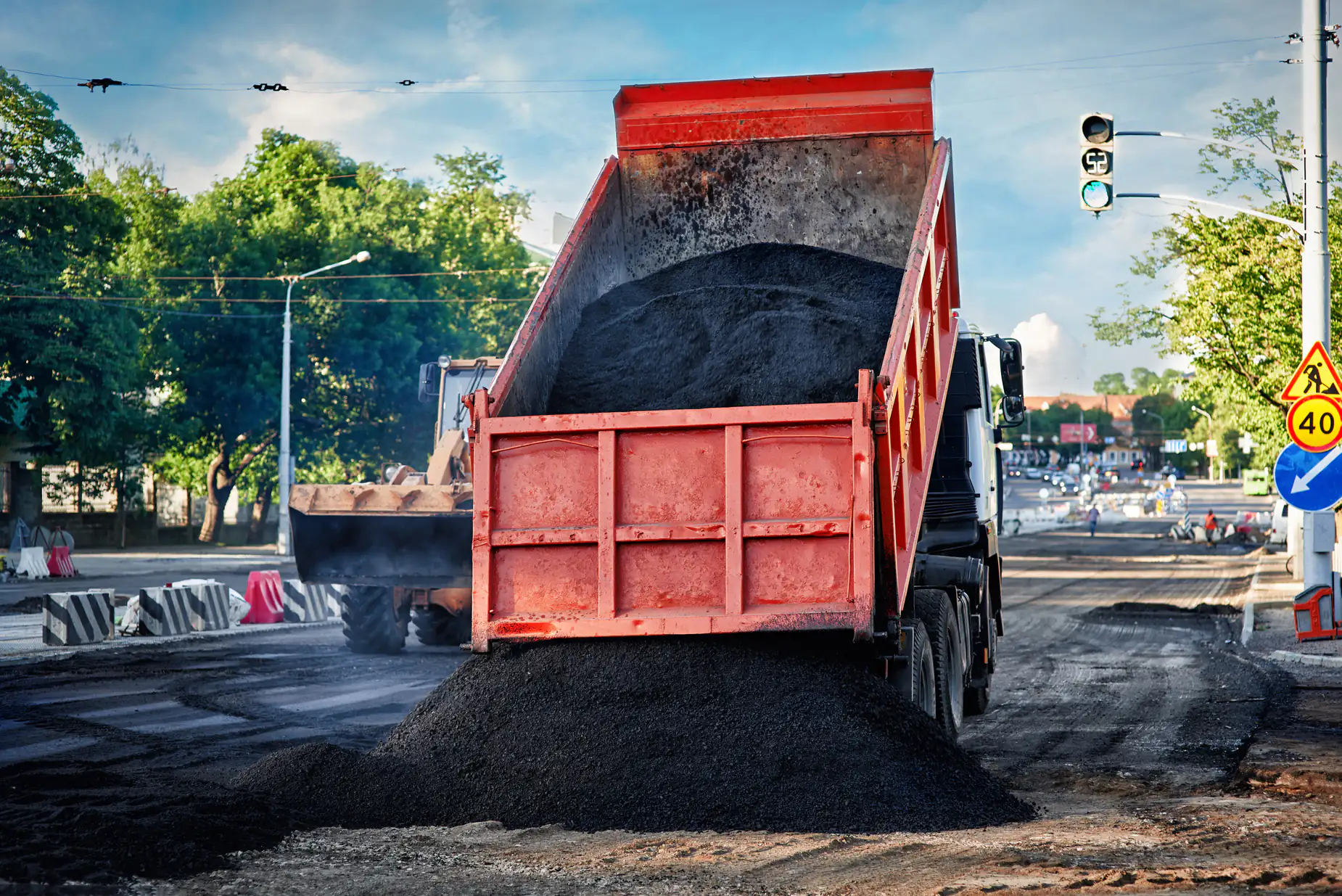
Then we apply hot-mix asphalt at the correct temperature. This isn’t cold patch. It’s commercial-grade material that bonds correctly and flexes with New Jersey’s seasonal expansion and contraction. We use the right thickness for your traffic load, whether that’s residential or commercial.
Finally, we clean up and walk you through maintenance. Sealcoating every three to four years extends your pavement life significantly. We’ll tell you when to do it and why it matters.
Ready to get started?
You’re getting hot-mix asphalt designed for New Jersey’s climate. That means it handles freeze-thaw cycles without cracking apart by spring. We’re also handling permits, grading, and any ADA compliance requirements if it’s a commercial job.
For residential driveways in Gillette, that typically means a properly compacted base, correct asphalt thickness for your vehicle load, and grading that moves water away from your foundation. You’re not dealing with pooling water or ice dams in winter.
For commercial properties, we’re talking parking lots built for heavy traffic. Thicker asphalt, reinforced edges, striping, and proper drainage across the entire surface. Projects get done efficiently because we’re not juggling six other jobs at the same time.
Gillette properties often deal with clay soil and variable drainage. We account for that during the base prep phase. If your property has unique challenges, we adjust the approach. That’s the advantage of working with a local paving contractor who’s seen it before.
A properly installed asphalt driveway lasts 15 to 20 years in Gillette with regular maintenance. That means sealcoating every three to four years and addressing small cracks before they turn into potholes.
The key word is “properly installed.” If the base isn’t compacted correctly or the asphalt isn’t applied at the right temperature, you’re looking at failure within five years. New Jersey’s freeze-thaw cycles don’t forgive bad installation.
Gillette sees 55 to 75 freeze-thaw cycles every winter. Water seeps into cracks, freezes, expands by 9%, and pushes your pavement apart. If your contractor skips steps during installation, that process starts immediately. If they do it right, your driveway handles it without issue.
Hot-mix asphalt is applied at high temperatures and bonds permanently to your base. Cold patch is a temporary fix that doesn’t bond the same way. It’s useful for emergency repairs, but it’s not a long-term solution.
When you’re paving a new driveway or resurfacing an existing one, you want hot-mix asphalt. It’s engineered to flex with seasonal temperature changes, which is critical in New Jersey. Cold patch hardens differently and doesn’t handle freeze-thaw cycles as well.
Some paving companies use cold patch to cut costs on full installations. That’s a red flag. If you’re paying for a new driveway, you should be getting hot-mix asphalt applied at the proper temperature. Anything else means you’re getting a subpar product that won’t last.
Asphalt paving costs in Gillette typically run 15% to 25% above the national average due to New Jersey’s climate demands and material costs. For a standard residential driveway, you’re looking at a range that depends on size, base condition, and site prep requirements.
If a quote seems suspiciously low, the contractor is cutting corners somewhere. That usually means thin asphalt, poor base prep, or skipping proper compaction. You’ll pay for it later when your driveway fails and needs a full replacement.
We provide upfront quotes that detail exactly what’s included. You’ll know the asphalt thickness, base prep work, grading adjustments, and timeline before we start. No surprise charges when the job’s halfway done. That’s how it should work.
Late spring through early fall is the best time to pave in New Jersey. You need consistent temperatures above 50°F, with 70°F or higher being ideal. Asphalt needs warmth to bond correctly and compact properly.
If you pave too early in spring or too late in fall, the asphalt won’t cure right. It’ll remain soft or won’t bond to the base layer as it should. That leads to premature cracking and surface damage.
By spring, asphalt contractors are in high demand. If you wait until the last minute, you’re looking at longer wait times and potential delays. Reach out early, get on the schedule, and you’ll have your driveway done when conditions are optimal.
Yes. We handle both residential driveways and commercial parking lots throughout Gillette and Morris County. Commercial projects require thicker asphalt, proper base preparation for heavy traffic loads, and often ADA compliance for accessibility.
Commercial asphalt needs to handle delivery trucks, customer traffic, and snow plows without deteriorating quickly. That means using commercial-grade mixes and reinforcing edges where vehicles enter and exit. We also handle striping, curbing, and drainage systems for larger properties.
If you’re managing a commercial property in Gillette, you need a paving contractor who understands the difference between residential and commercial requirements. The materials, thickness, and installation process aren’t the same. We’ve been doing commercial work in Morris County for over two decades, so we know what’s required.
It depends on the damage. If you’ve got surface cracks and minor wear, resurfacing or sealcoating can extend your driveway’s life by several years. If the base is failing or you’ve got widespread potholes and structural damage, replacement is the better option.
Asphalt repair costs $2 to $5 per square foot on average, with New Jersey prices running higher due to freeze-thaw damage. Resurfacing means applying a new layer of asphalt over the existing surface, which works if the base is still solid.
We’ll assess your driveway and tell you honestly whether repair makes sense or if you’re better off replacing it. Sometimes patching a failing driveway just delays the inevitable and costs you more in the long run. We’d rather give you the straight answer upfront than sell you a repair that won’t hold.