
Hear from Our Customers
A driveway installed correctly doesn’t just look clean. It drains water away from your foundation, flexes through temperature swings without cracking, and adds real value when you sell.
Most paving companies near me skip the base prep because it’s time-consuming and expensive. That’s where failures start. Water seeps under thin asphalt, freezes, expands, and destroys the surface from below.
We start every job with proper excavation and a compacted stone base. The hot mix asphalt goes down at the right temperature, gets compacted correctly, and cures into a surface that lasts 15 to 20 years. You’re not calling someone back in three years to fix potholes because the base was never done right in the first place.
We’ve been handling residential and commercial paving across Morris, Sussex, and Somerset counties for over two decades. We’re a family-owned operation, fully licensed and insured, and we’ve seen every drainage issue, soil condition, and weather challenge this area throws at asphalt.
When you request a quote, you get a callback within 24 to 48 hours. The estimate is detailed and upfront so you know exactly what’s included before work starts. No surprise charges, no vague line items.
Our crews know Montclair State University, NJ and the surrounding towns. We understand how freeze-thaw cycles destroy poorly installed pavement here, and we build accordingly.
First, we evaluate your site. That means looking at drainage patterns, existing damage, soil conditions, and how water moves across your property. If the base isn’t stable, nothing we put on top will last.
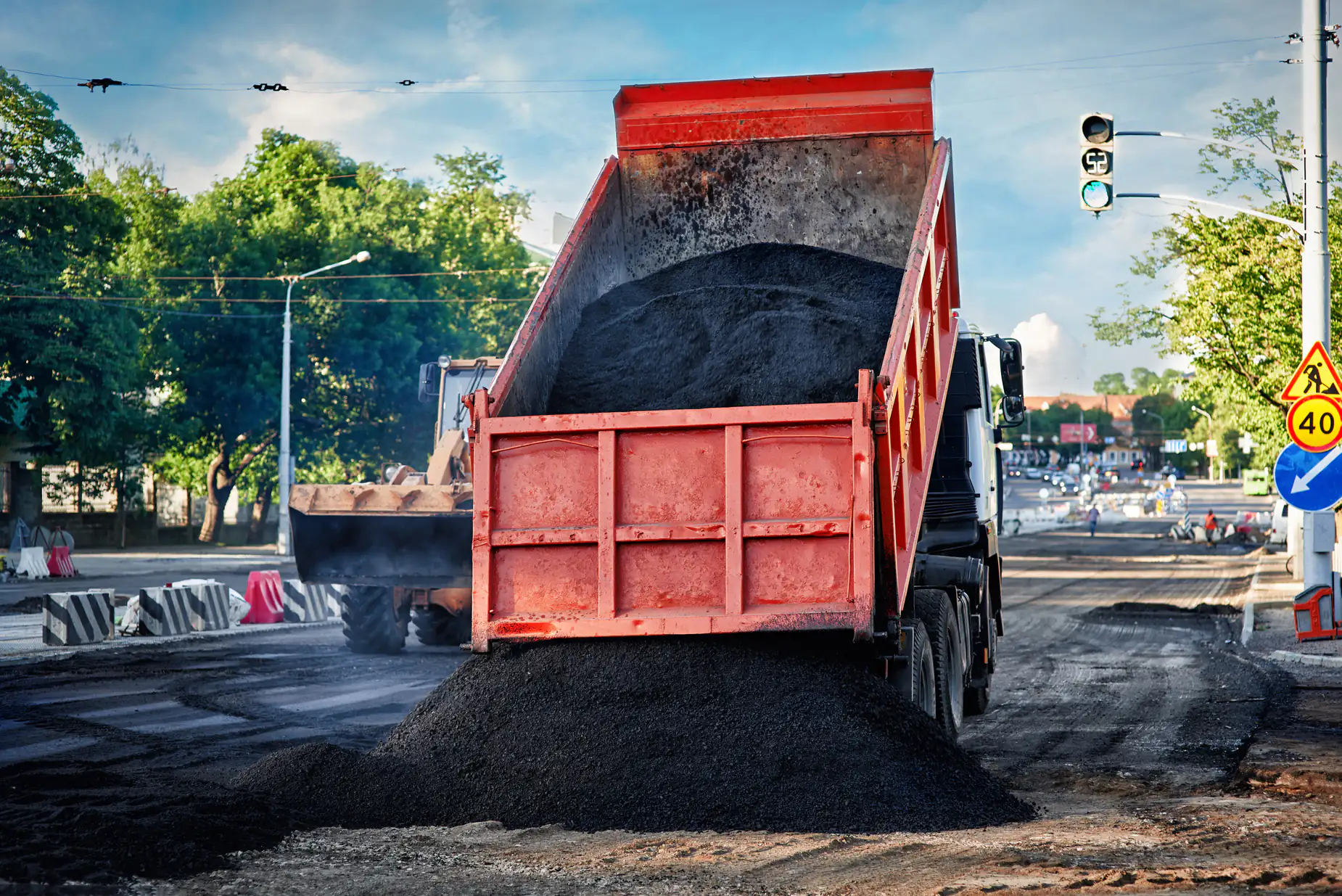
Next comes excavation and base prep. We remove old asphalt or unstable material, grade for proper drainage, and lay a compacted stone base. This step determines whether your driveway lasts two years or twenty.
Then we apply hot mix asphalt engineered for New Jersey’s climate. It goes down at the correct temperature and gets compacted with commercial-grade equipment. Once it cures, you have a surface that handles snow plows, freeze-thaw cycles, and daily traffic without falling apart.
You’ll know the timeline before we start, and we stick to it. No disappearing for weeks between phases.
Ready to get started?
Every job starts with a written estimate that breaks down materials, labor, and timeline. You’re not guessing what you’re paying for.
We handle residential driveways, commercial parking lots, and blacktop repairs across Montclair State University, NJ and surrounding areas. That includes full installations, resurfacing, patching, and sealcoating when the surface needs protection.
For driveways, we’re talking proper base preparation, high-grade hot mix asphalt, and compaction that meets commercial standards. For parking lots, we factor in drainage requirements, striping, and ADA compliance if needed. Morris County gets brutal winters. Water that sits on pavement freezes, expands, and cracks the surface. Proper grading and drainage aren’t optional here—they’re the difference between a driveway that lasts and one that fails in three years.
You also get a crew that shows up when scheduled and cleans up when finished. No piles of debris left behind, no half-done edges.
With proper installation and basic maintenance, you’re looking at 15 to 20 years. That assumes the base was prepared correctly, the asphalt was applied at the right temperature, and you handle minor cracks before they turn into potholes.
New Jersey’s freeze-thaw cycles are brutal. Water gets into small cracks, freezes, expands, and tears the surface apart. If the base wasn’t compacted properly or drainage wasn’t addressed, you’ll see failures much sooner—sometimes within five years.
Sealcoating every few years helps protect the surface from UV damage and water intrusion. It’s not required, but it extends the life of your driveway. Most homeowners near Montclair State University, NJ who stay on top of small repairs and sealcoating hit that 20-year mark without major issues.
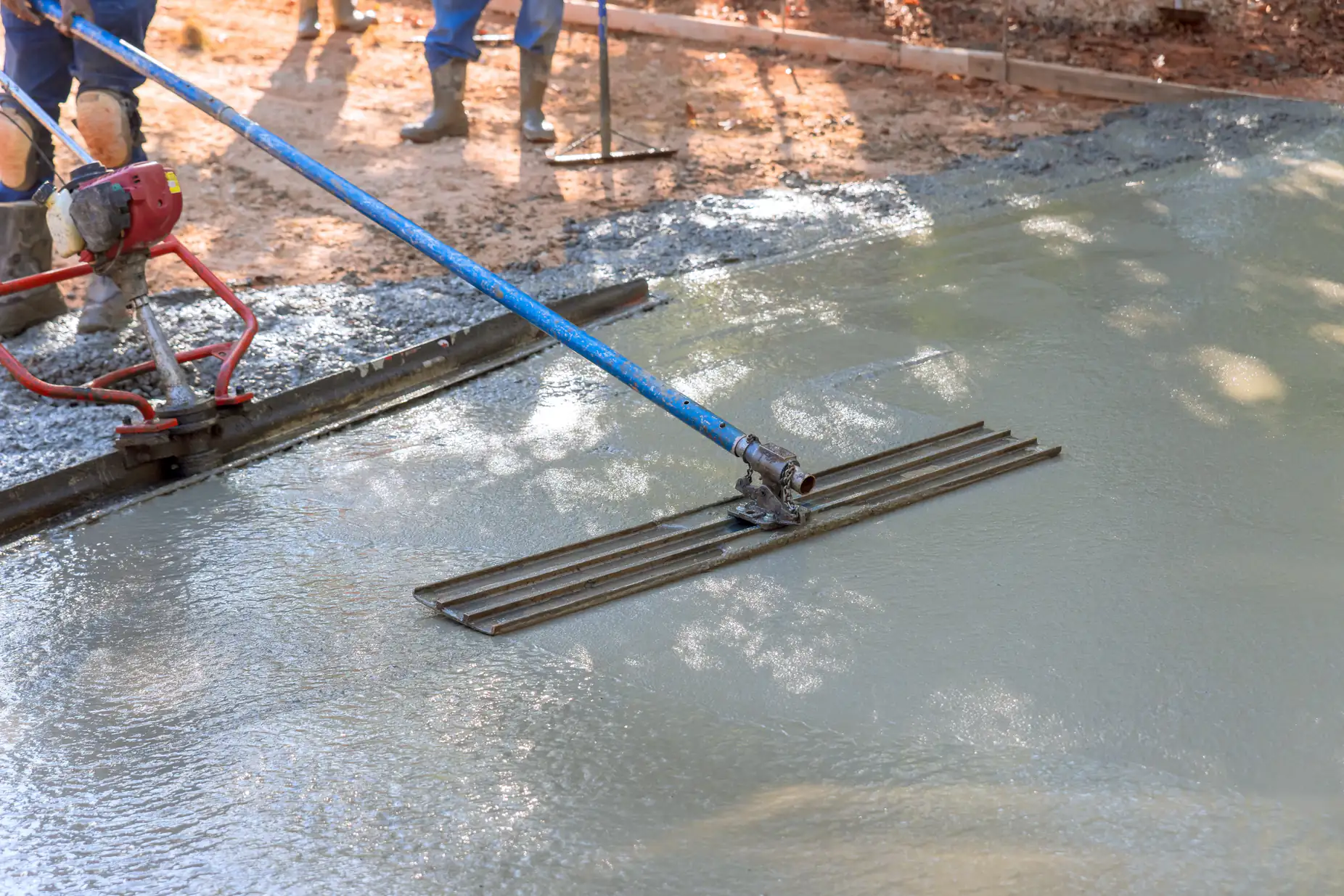
Asphalt costs less upfront and handles freeze-thaw cycles better. It’s flexible, so it moves slightly with temperature changes instead of cracking. Concrete is more rigid, which means it’s more likely to crack during harsh winters, and repairs are more expensive.
In New Jersey, asphalt runs about $5 to $8 per square foot installed. Concrete starts at $7 and can hit $13 per square foot for basic work. If you want decorative stamped concrete, you’re paying even more.
Asphalt also absorbs heat from the sun, so snow melts faster on a dark asphalt surface compared to concrete. That makes winter maintenance easier. Concrete lasts longer in theory, but in practice, the climate here beats it up just as much. Most homeowners around Montclair State University, NJ choose asphalt because it performs better in our conditions and costs less to repair when something does go wrong.
For a standard residential driveway in Morris County, you’re looking at $5 to $8 per square foot for asphalt. A typical two-car driveway runs around 600 square feet, so that’s $3,000 to $5,000 depending on site conditions and prep work.
If your existing driveway needs significant excavation, drainage correction, or base rebuilding, costs go up. Same if you’re dealing with difficult access, steep grades, or poor soil conditions. Those aren’t upsells—they’re real factors that affect how long your driveway lasts.
We provide written estimates that break down exactly what’s included. You’ll see line items for excavation, base material, asphalt thickness, and compaction. That way you’re comparing apples to apples when you get quotes from other paving contractors. The cheapest bid usually means someone’s cutting corners on base prep or asphalt thickness, and you’ll pay for it later in repairs.
Spring through fall, when temperatures stay consistently above 50 degrees. Hot mix asphalt needs warmth to compact properly and cure into a durable surface. Cold weather prevents proper compaction, which leads to premature failure.
Most paving companies near Montclair State University, NJ schedule installations from April through October. Summer is ideal because the asphalt stays workable longer and compacts more thoroughly. Early spring and late fall can work, but you’re more dependent on weather windows.
Winter installations are possible for emergency repairs, but they’re not ideal for full driveways. The asphalt cools too quickly, compaction suffers, and you don’t get the same long-term performance. If you’re planning a driveway project, reach out in early spring to get on the schedule before the busy season fills up.
Sealcoating isn’t required, but it extends the life of your driveway by protecting against UV damage, water intrusion, and chemical spills. Most contractors recommend sealcoating every two to three years, starting about a year after installation.
New asphalt needs time to cure before sealcoating. If you seal too early, you trap oils in the asphalt that need to evaporate. Wait at least six months to a year, depending on weather and traffic.
Sealcoating fills small surface cracks and creates a barrier against water. In New Jersey, where freeze-thaw cycles destroy pavement, keeping water out is critical. It’s a relatively inexpensive maintenance step—usually a few hundred dollars for a residential driveway—that can add years to your asphalt’s lifespan. Skip it and you’ll likely need more expensive repairs sooner.
If you’re seeing surface cracks, minor potholes, or fading, resurfacing might be enough. That means applying a new layer of asphalt over the existing surface. It’s cheaper than full replacement and works when the base is still solid.
If you have deep potholes, widespread cracking, drainage issues, or sections that are sinking, you need full replacement. Those problems indicate base failure, and resurfacing won’t fix them. You’ll just be covering up structural issues that will reappear quickly.
We evaluate the base condition before recommending a solution. If water is pooling, if the edges are crumbling, or if more than 30% of the surface is damaged, replacement usually makes more sense. Resurfacing costs about half as much as replacement, but it only works when the foundation is intact. Around Montclair State University, NJ, we see a lot of driveways that were resurfaced when they needed replacement, and homeowners end up paying twice.