
Hear from Our Customers
Your driveway should last 15-20 years minimum. Most fail earlier because contractors skip the steps that matter—proper excavation depth, correct base materials, adequate drainage grading, and hot mix asphalt applied at the right temperature and thickness.
You’re not just paying for black surface material. You’re paying for what’s underneath and how it’s installed. That’s what determines whether your driveway develops cracks and potholes in three years or still looks solid after fifteen.
New Jersey gets hit harder than most states. Water seeps into small cracks, freezes, expands by 9%, and pushes the asphalt apart from below. This happens dozens of times every winter. If the base wasn’t prepared correctly or the asphalt layer is too thin, that cycle destroys the surface fast. Proper installation prevents that damage before it starts.
We’ve been handling residential and commercial paving projects throughout Ten Mile Run and surrounding areas since the early 2000s. We’re a family-owned operation, and owner Dominick Stanko is on-site for every job from start to finish.
We’re licensed, insured, and based right here in Morris County. That matters because we’re not disappearing after the job. The traveling crews that show up every spring with “leftover asphalt” and bargain prices? They’re gone by fall, and you’re stuck with failing pavement and no recourse.
You’ll get a callback within 24-48 hours of requesting a quote online. No hidden charges, no surprise fees. Just clear pricing and realistic timelines for what your property actually needs.
First, we excavate to the proper depth based on your soil conditions and expected load. For residential driveways in Ten Mile Run, that’s typically 8-12 inches. Commercial parking lots require deeper excavation.
Next comes base preparation. We use crushed stone that compacts well and doesn’t shift during freeze-thaw cycles. The base gets graded for drainage—water needs somewhere to go besides under your asphalt. This step is where most cheap jobs fail.
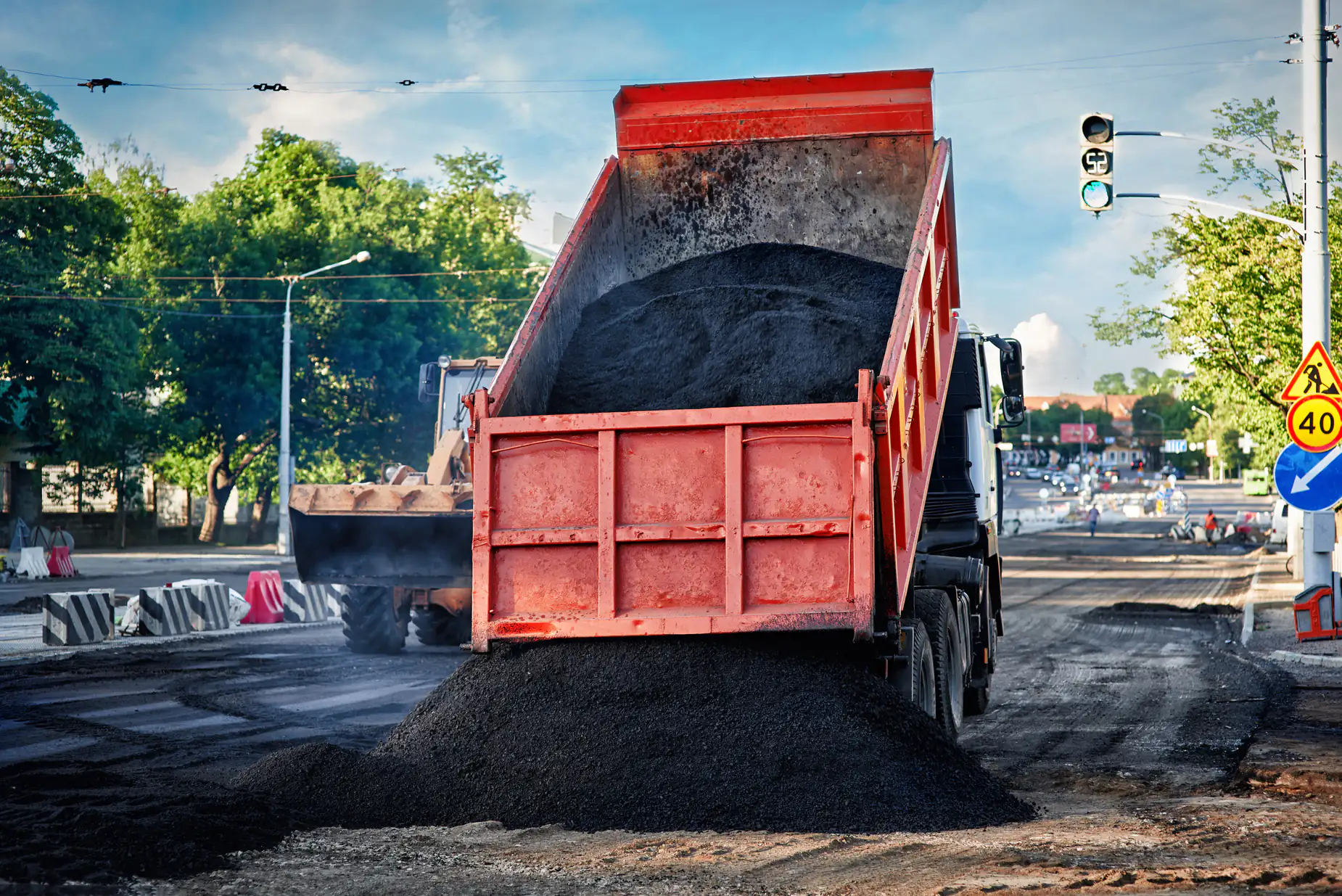
Then we apply hot mix asphalt at the correct temperature. Residential driveways get a minimum 2-inch compacted thickness. Heavier traffic areas get 3 inches or more. The asphalt has to be hot enough to compact properly but not so hot that it loses stability.
Final compaction happens with a roller while the asphalt is still workable. Proper compaction creates a dense surface that resists water penetration and stands up to traffic. Poor compaction leaves air pockets that become cracks within a year or two.
Ready to get started?
Every project starts with a site assessment. We look at drainage patterns, soil conditions, existing damage, and how you use the space. A driveway for two sedans needs different specs than one handling work trucks daily.
You’ll get a detailed estimate that breaks down excavation depth, base material type and thickness, asphalt thickness, and any drainage solutions needed for your property. No vague line items or surprise charges later.
For Ten Mile Run properties, drainage is critical. The area’s clay-heavy soils don’t drain well naturally, and spring runoff can be significant. We grade for positive drainage and install catch basins or French drains where needed. Water that pools on or under your asphalt will destroy it eventually.
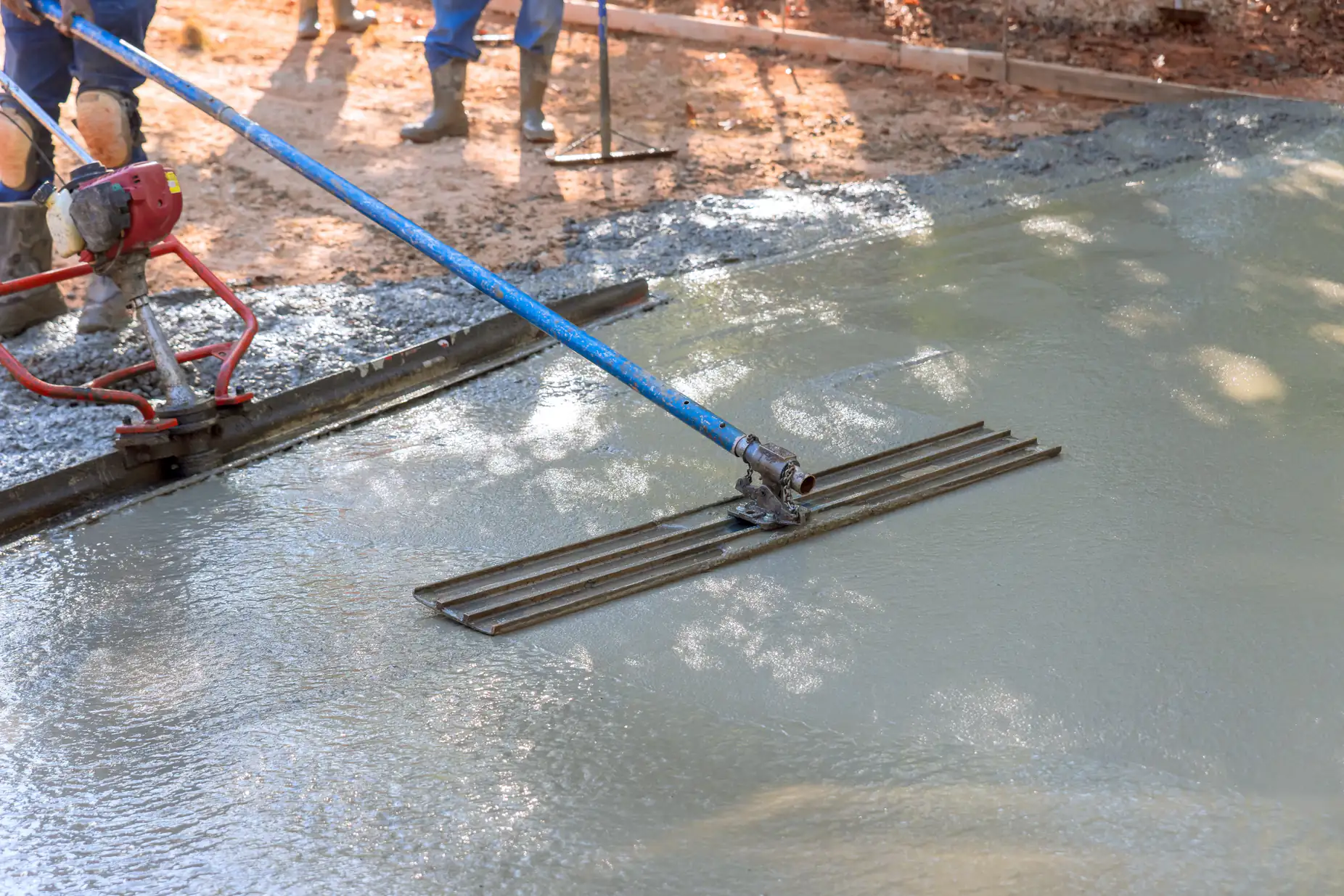
We use high-grade hot mix asphalt from local plants—the same commercial-grade material used for municipal roads. For concrete work, we use Portland cement mixes with rebar reinforcement and offer everything from standard broom finishes to decorative stamped patterns.
Properly installed asphalt typically lasts 15-20 years in New Jersey, but that timeline depends entirely on installation quality and maintenance. The 55-75 freeze-thaw cycles we get every winter are brutal on pavement. Water infiltration is what kills asphalt early.
If the contractor cut corners on base prep or used thin asphalt layers, you might see significant cracking within 3-5 years. If they did it right—proper excavation, adequate base depth, correct asphalt thickness, good compaction—you should get close to two decades before needing replacement.
Regular maintenance extends lifespan significantly. Crack sealing every few years prevents water from getting under the surface. Sealcoating every 3-4 years protects against UV damage and oxidation. Most homeowners spend under $500 on preventive maintenance versus $5,000-8,000 for premature replacement.
Water infiltration and freeze-thaw cycles cause most damage. Small cracks let water seep under the surface. When temperatures drop below freezing, that water expands by 9% and pushes the asphalt apart from below. When it thaws, the water seeps deeper. This repeats all winter.
Poor base preparation accelerates failure. If the base wasn’t compacted properly or the wrong materials were used, it shifts and settles unevenly under the asphalt. That creates low spots where water pools, which leads to more cracking and eventually potholes.
Thin asphalt layers fail faster. Some contractors apply only 1-1.5 inches of asphalt to save money. That’s not thick enough to handle New Jersey winters and regular traffic. You need at least 2 inches for residential driveways, more for heavier use. Proper thickness costs more upfront but prevents expensive repairs later.
Full driveway replacement in Somerset County typically runs $5,000-12,000 depending on size, access, and site conditions. New Jersey prices run 15-25% above national averages due to higher labor costs and the need for proper freeze-thaw protection.
A standard two-car driveway (about 600 square feet) with proper excavation, 6-8 inches of base, and 2-3 inches of asphalt usually costs $6,000-8,000. Larger driveways, difficult access, or poor soil conditions increase costs. Adding decorative borders, special drainage, or extra thickness for heavy vehicles adds to the total.
The lowest bid is rarely the best value. Contractors who underbid are cutting corners somewhere—thinner asphalt, inadequate base, poor materials, or rushed installation. You’ll pay for those shortcuts within a few years through repairs or complete replacement. Mid-range pricing from established local contractors usually delivers the best long-term value.
Asphalt costs less upfront and handles freeze-thaw cycles better than concrete in New Jersey’s climate. Concrete cracks more easily during winter because it’s rigid and can’t flex with ground movement. Asphalt has some flexibility, which helps it survive seasonal expansion and contraction.
Asphalt requires more maintenance over its lifespan. You’ll need to seal it every 3-4 years and patch cracks as they develop. Concrete needs less maintenance but costs significantly more to repair when it does crack. Concrete also takes longer to cure—you can drive on new asphalt in 24-48 hours, but concrete needs several days.
For Ten Mile Run’s climate, asphalt makes more sense for most residential driveways. It performs better in winter, costs less to install, and is easier to repair. Concrete works well for decorative applications or areas where you want a specific aesthetic, but it’s not the practical choice for a standard driveway that sees regular use and winter weather.
Check for proper licensing and insurance first. New Jersey requires home improvement contractors to be licensed. Ask for their license number and verify it. Confirm they carry liability insurance and workers’ comp. If they can’t provide proof immediately, walk away.
Look for established local presence. Companies that have been operating in Morris or Somerset County for 10+ years have a reputation to protect. Check their BBB rating and read recent reviews. Be wary of contractors who only have a cell phone number, no physical address, or prices that seem too good to be true.
Avoid traveling crews and door-to-door solicitors. Every spring through fall, unlicensed crews flood New Jersey claiming to have “leftover asphalt” from another job. They operate out of motels and campgrounds, do substandard work, and disappear when problems arise. Legitimate paving companies don’t knock on doors offering bargain prices. We have scheduled work and don’t need to hustle for jobs that way.
Late spring through early fall offers the best conditions for asphalt paving. Asphalt plants typically operate from April through November in New Jersey. The material needs to be applied and compacted while still hot, which works best when air temperatures are above 50°F and rising.
Summer provides ideal conditions—warm ground temperatures help the asphalt bond properly and compact well. Early fall also works great. The ground is still warm from summer, and cooler air temperatures actually make the compaction process easier to control.
Avoid paving in early spring if possible. The ground is often still cold and saturated from winter, which affects base stability and compaction quality. Late fall gets risky too—if temperatures drop unexpectedly, the asphalt might not compact properly. We schedule most residential work in the Ten Mile Run area from May through October for best results.