
Hear from Our Customers
Most paving failures don’t start at the surface. They start six inches down where nobody’s looking. Poor drainage, inadequate base prep, or the wrong aggregate mix means your driveway or parking lot won’t make it through two winters before you’re patching cracks and filling potholes.
Liberty Corner sits in a climate zone that experiences 40% more freeze-thaw cycles than Central or South Jersey. When water gets into your base layer and freezes, it expands with enough force to crack concrete and heave asphalt. That’s 30,000 psi of pressure working against pavement that wasn’t built to handle it.
Proper base work means your asphalt sheds water instead of trapping it. It means the surface stays level through temperature swings. And it means you’re not calling someone back in two years to redo what should’ve been done right the first time. When the foundation is solid, the pavement lasts twenty years instead of five.
We’ve been working in Liberty Corner and throughout Morris, Sussex, and Somerset Counties for over two decades. That’s twenty years of learning exactly how North Jersey weather affects asphalt, what works in clay soil conditions, and which shortcuts come back to haunt property owners.
We’re not the cheapest option, and that’s intentional. Cheap paving means thin asphalt, minimal base prep, and contractors who disappear when problems show up. We use high-grade hot mix asphalt applied at the right temperature, proper thickness for your traffic load, and base layers designed for this region’s freeze-thaw cycles.
Every project starts with a thorough site evaluation. We identify drainage issues before they become your problem. We explain what needs to be done and why. And we give you upfront pricing that doesn’t change once work starts, because nobody should be surprised by the final bill on a job they were quoted weeks earlier.
First, we evaluate your site. That means looking at drainage patterns, checking the existing base if you’re replacing old pavement, and identifying any grade issues that could cause water pooling. This step determines whether your asphalt lasts or fails.
Next comes excavation and base preparation. For driveways, that typically means removing 8-12 inches of material and replacing it with compacted aggregate base. For commercial parking lots handling heavy traffic, we go deeper. The base gets compacted in layers because doing it all at once leaves soft spots that telegraph through to the surface.
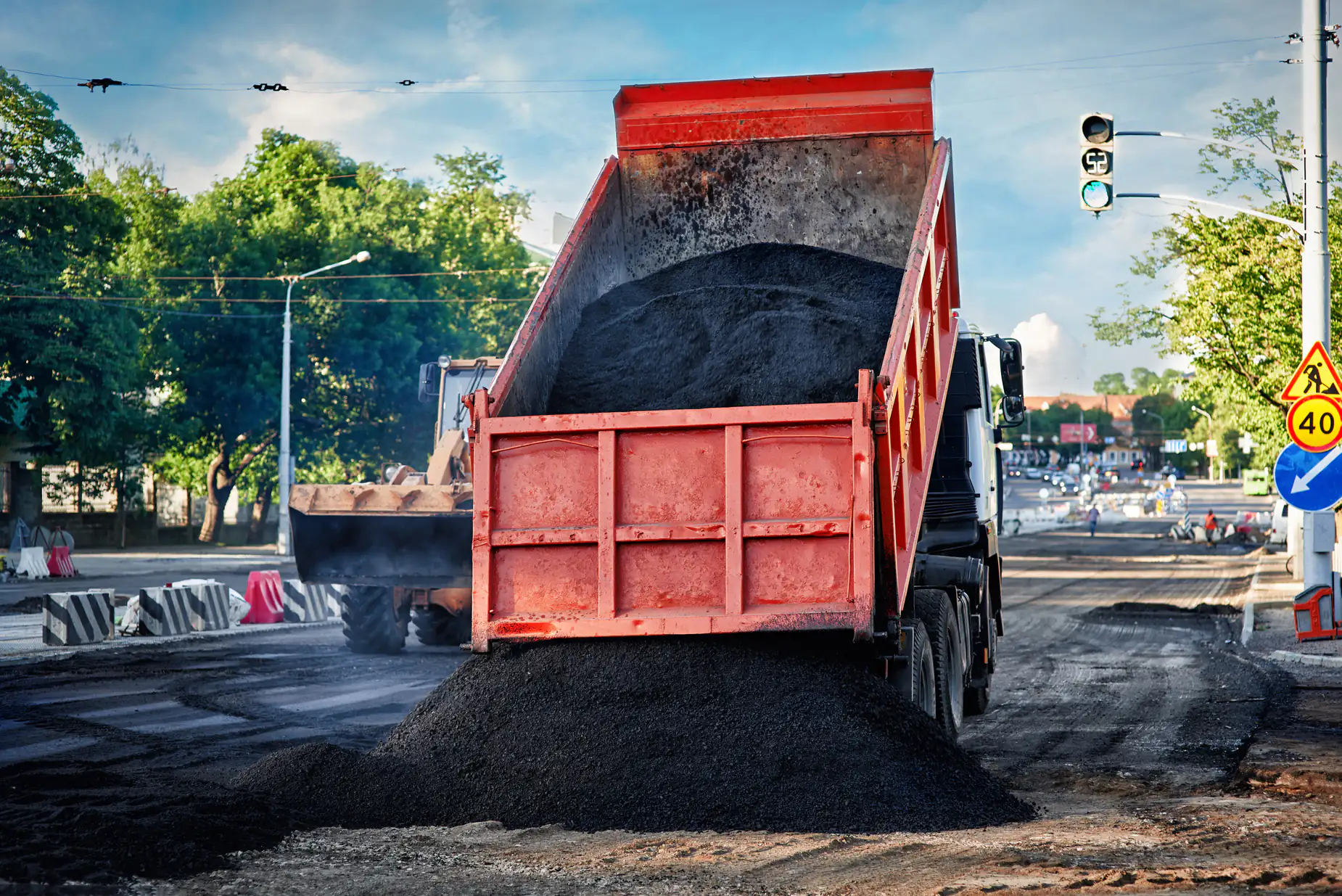
Then we install the asphalt. We’re talking about hot mix asphalt applied at 275-300°F and compacted while it’s still hot. Thickness depends on use—residential driveways get 2-3 inches, commercial lots handling delivery trucks get 3-4 inches or more. We grade everything for proper water runoff because standing water is the fastest way to destroy asphalt in this climate.
Final grading and cleanup happen the same day. You can typically drive on new asphalt within 24-48 hours, though we recommend waiting three days before parking heavy vehicles on it. For commercial projects, we handle all permit coordination and ADA compliance requirements so you don’t have to.
Ready to get started?
New asphalt installation covers driveways, parking lots, roadways, and pathways. That includes full excavation, base preparation, grading for drainage, asphalt application at proper thickness, and final compaction. For commercial properties, we coordinate permits and ensure ADA-compliant surfaces including proper slope requirements and detectable warning surfaces.
Asphalt repairs and reconstruction handle everything from patching potholes to complete overlay or removal and replacement. When your existing pavement has failed, we determine whether you need surface repairs or full-depth reconstruction. That decision depends on base condition, not just what the surface looks like.
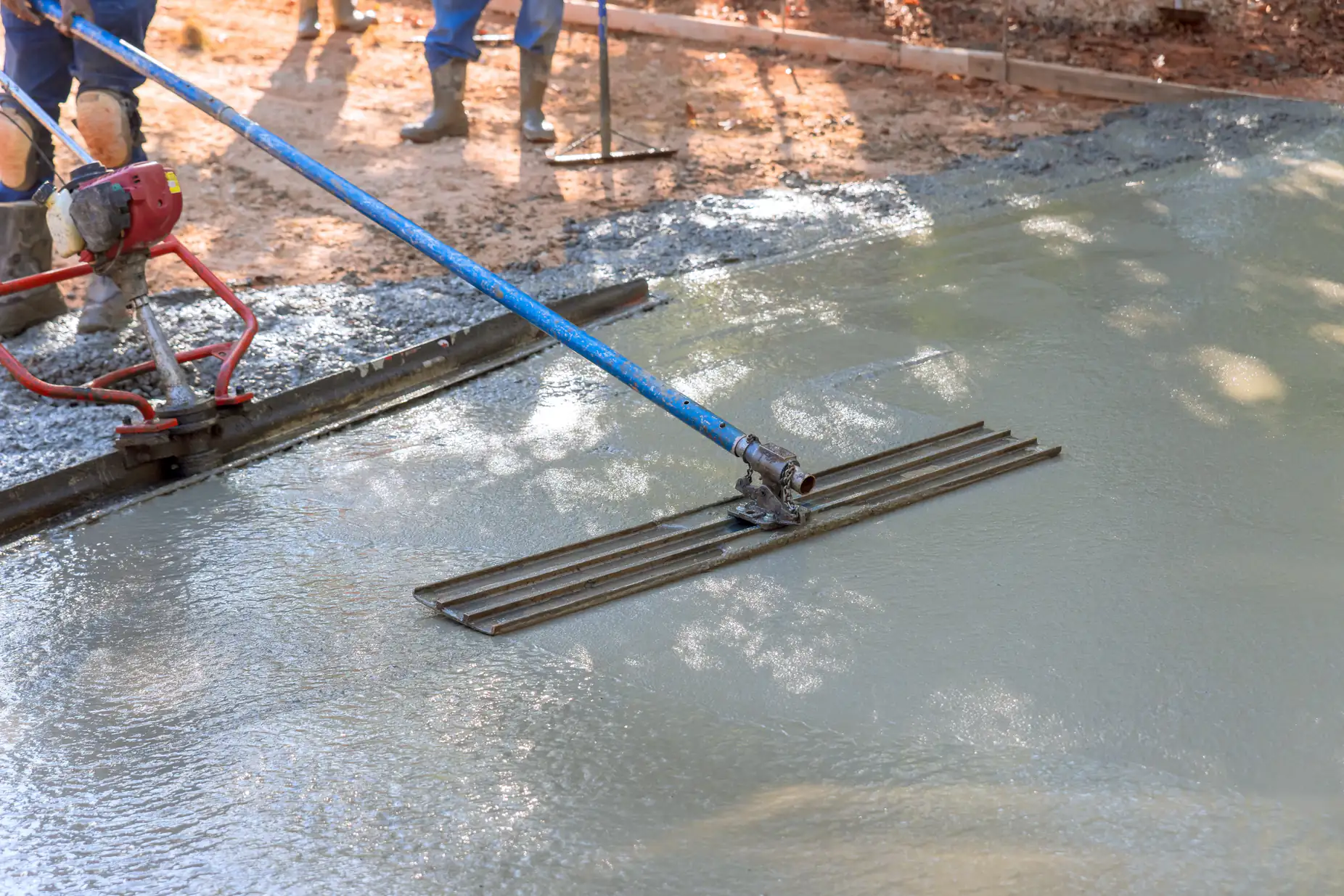
We also handle concrete work—sidewalks, curbing, paver patios, and decorative stamped concrete. All concrete gets Portland cement mix with rebar reinforcement because unreinforced concrete cracks in freeze-thaw conditions. For properties in Liberty Corner and surrounding Somerset County areas, proper reinforcement isn’t optional.
Maintenance programs keep your pavement in good condition between major work. Sealcoating every 2-3 years protects asphalt from UV damage and water penetration. Crack filling prevents small issues from becoming expensive repairs. For commercial properties, regular maintenance extends pavement life and protects your investment.
Properly installed asphalt in Liberty Corner typically lasts 20-25 years with regular maintenance. That number assumes correct base preparation, adequate thickness for your traffic load, and sealcoating every 2-3 years.
The lifespan drops significantly if any of those factors are missing. Asphalt installed over poor base prep might show problems within 2-3 years. Pavement that’s too thin for the traffic it handles will develop ruts and cracks faster. And asphalt that never gets sealed will deteriorate from UV exposure and water penetration.
North Jersey’s freeze-thaw cycles are harder on pavement than steady cold or steady warmth. When temperatures swing above and below freezing repeatedly throughout winter, any water that’s penetrated your pavement expands and contracts. That’s what turns hairline cracks into structural failures. Proper installation and maintenance keep water out, which is how you get decades of life instead of years.
An overlay means installing new asphalt over your existing pavement. Complete replacement means removing the old asphalt, addressing base issues, and installing new pavement from the ground up.
Overlay works when your existing asphalt has surface wear but the base is still solid. If you’ve got minor cracking, some weathering, or surface deterioration but no major structural problems, overlay can add 10-15 years of life at lower cost than full replacement. We mill the existing surface, make any necessary repairs, and apply 1.5-2 inches of new asphalt.
Complete replacement is necessary when the base has failed. Signs include large cracks, significant settling or heaving, potholes that keep coming back, or drainage problems. At that point, putting new asphalt over a failed base just means you’ll have the same problems in a year or two. We remove everything down to subgrade, rebuild the base properly, and install new asphalt. It costs more upfront but it’s the only fix that actually solves the problem.
Companies that demand large deposits weeks before starting work are often using your money to finish someone else’s job. That’s not how established contractors with steady work operate.
Reputable paving contractors don’t need your deposit to buy materials for a job that’s weeks away. They have supplier accounts, established credit, and enough work that they’re not scrambling for cash to cover basic operating costs. When a company asks for 50% down to “hold your spot” on a schedule that’s a month out, that’s a red flag.
We don’t ask for deposits because we don’t need them. Payment is due when work is complete and you’re satisfied with the results. That’s how it should work—you pay for finished work that meets the standards we agreed on, not for promises about what might happen next month. If a contractor won’t start without money upfront, ask yourself why they need your cash before they’ve done anything to earn it.
Drainage problems kill asphalt faster than traffic, weather, or age. Every installation starts with identifying where water flows and making sure it flows away from your pavement, not under it.
We grade everything with a minimum 2% slope so water sheds off the surface. For driveways, that usually means sloping away from the garage and toward the street or a drainage area. For parking lots, we create a drainage plan that directs water to catch basins or approved drainage areas. If your property has low spots where water pools, we adjust the grade or install drainage solutions before any asphalt goes down.
In Liberty Corner’s clay soil conditions, water doesn’t percolate quickly. That means if water gets into your base layer, it stays there. When it freezes, it expands and heaves your pavement. When it thaws, it creates voids that lead to settling and cracking. Proper drainage keeps water out of the base entirely, which is why pavement installed with good drainage lasts decades while pavement with poor drainage fails in years.
Residential driveways handling regular passenger vehicles need 2-3 inches of compacted asphalt over a proper base. If you’re parking RVs, boats, or work trucks regularly, go with 3 inches minimum.
That measurement is compacted thickness, not loose thickness. Asphalt compacts during installation, so 3 inches of loose mix becomes about 2.5 inches of compacted pavement. Contractors who promise 3 inches but only deliver 1.5-2 inches after compaction are either incompetent or dishonest.
Commercial parking lots need 3-4 inches minimum depending on traffic. Delivery areas where trucks turn or back up need 4+ inches because the stress from turning and braking is harder on pavement than straight-line traffic. Areas with just passenger vehicle traffic can sometimes get by with 3 inches, but there’s not much cost difference between 3 and 4 inches, and the extra thickness adds years of life. When you’re already paying for base prep and installation, skimping on an extra inch of asphalt is false economy.
You can walk on new asphalt within a few hours and drive on it within 24-48 hours. But asphalt continues curing for several months, so treat it carefully during that time.
For the first week, avoid parking in the same spot repeatedly and don’t turn your steering wheel while the vehicle is stationary—that can scuff the surface while it’s still curing. Don’t park heavy vehicles, RVs, or boats on new asphalt for at least three days. And be careful with kickstands on motorcycles or jack stands on trailers because point loads can create depressions in fresh asphalt.
After the first week, you can use your driveway normally, but the asphalt is still curing. It takes 6-12 months for asphalt to reach full hardness, which is why you’ll sometimes see slight tire marks during hot weather in the first summer. That’s normal and doesn’t indicate a problem. Once the asphalt fully cures, it’ll handle normal traffic and temperature swings without any issues.