
Hear from Our Customers
A quality asphalt driveway doesn’t just look better. It drains water away from your foundation instead of pooling near your garage. It stays smooth enough that you’re not dodging cracks every time you pull in. And it holds up through freeze-thaw cycles without turning into a patchwork of repairs.
In Glen Ridge, where property values average over $770,000, your driveway isn’t just functional. It’s part of what people notice when they drive past. A fresh, well-compacted surface tells visitors you maintain your property. Cracks and potholes do the opposite.
The difference comes down to how it’s installed. Proper grading prevents water from sitting. The right thickness handles your vehicles without settling. And quality materials mean you’re not resealing every other year because the surface is already breaking down.
We’ve been paving driveways across Morris and Essex County for over 30 years. We’re not new to Glen Ridge’s climate or the expectations that come with working in one of New Jersey’s most well-maintained communities.
Our crews show up when scheduled. The owner supervises every job. And we use the same high-grade hot mix asphalt whether it’s a small residential driveway or a larger commercial lot.
We’re based in Morris County, so we understand what North Jersey weather does to asphalt. That’s why we focus on proper base prep, correct compaction, and materials that hold up to temperature swings. You’ll get a callback within 24 to 48 hours after requesting a quote, and the price we give you is the price you pay.
First, we assess your existing surface and drainage. If there’s old asphalt that’s failing, we remove it. If the base is unstable, we address that before anything else goes down. Skipping this step is how driveways fail early.
Next comes grading and compaction. We excavate to the right depth, lay a compacted gravel base, and make sure water flows away from your home. The base is what carries the load—not just the asphalt on top.
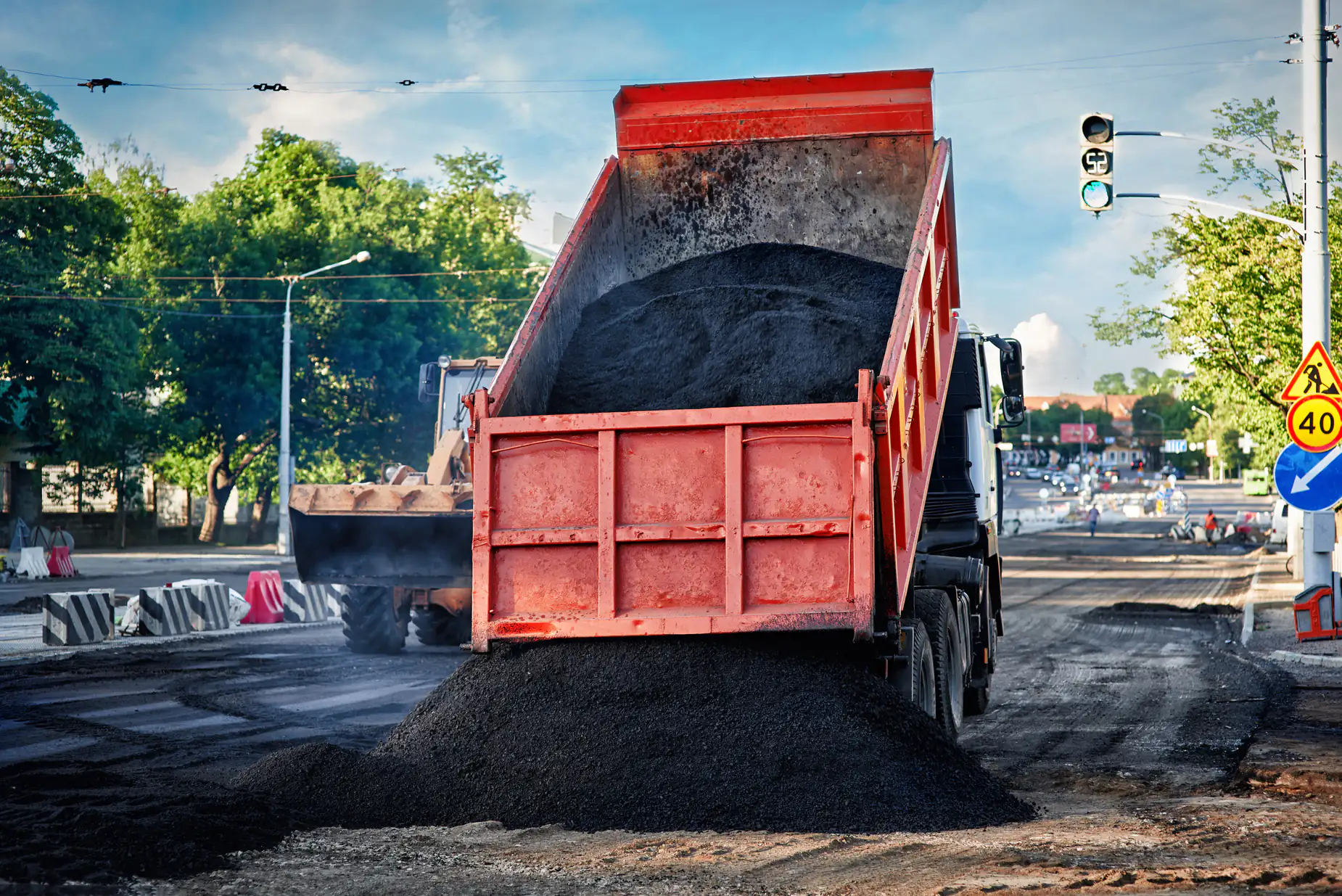
Then we apply hot mix asphalt at the proper temperature, typically 3 inches thick for residential driveways over a solid base. Our crew uses heavy rollers to compact it while it’s still hot, reducing air voids and locking everything in place. The result is a dense, durable surface.
After paving, we clean up and mark off the area so it cures properly. You’ll need to stay off it for a day or two, but after that, it’s ready for daily use. We’ll also walk you through basic maintenance so you get the most life out of it.
Ready to get started?
You’re getting more than just a layer of asphalt. Every job includes site analysis, proper excavation if needed, a compacted stone base, and hot mix asphalt applied at the correct thickness for your specific use. We also handle grading to ensure water drains correctly.
In Glen Ridge, where homes are close together and properties are well-kept, we’re careful about protecting landscaping, cleaning up daily, and keeping noise and disruption to a minimum. You’re not dealing with a crew that disappears for days or leaves equipment scattered across your yard.
We also offer sealcoating and asphalt repair for driveways that don’t need full replacement yet. If you’ve got a few cracks or surface wear but the base is still solid, we can extend the life of what’s already there. That’s a conversation worth having before you assume you need to start over.
Glen Ridge’s freeze-thaw cycles are tough on pavement. That’s why we select asphalt mixes and binder grades suited to New Jersey’s temperature swings. It’s a small detail that makes a big difference five or ten years down the road.
A properly installed asphalt driveway in Glen Ridge can last 20 years or more with regular maintenance. That means sealcoating every few years and filling cracks before they spread.
The key is how it’s built. If the base isn’t compacted correctly or drainage isn’t addressed, you’ll see problems much sooner. Water is the enemy—it seeps into cracks, freezes, expands, and breaks apart the pavement. That’s why proper grading and a solid stone base matter more than the asphalt thickness alone.
You’ll also want to avoid heavy vehicles sitting in the same spot for long periods, especially in summer heat when asphalt is softer. And don’t seal it too early—new asphalt needs time to cure before sealcoating, usually at least six months to a year.
Most residential asphalt driveways in Glen Ridge run between $7 and $15 per square foot, depending on the condition of the existing surface, how much excavation is needed, and the size of the area.
If you’re paving over an old driveway that’s still structurally sound, costs are lower. If we need to remove old material and rebuild the base, that adds to the price. Larger driveways also cost less per square foot because the equipment and crew are already on-site.
We give you a clear price upfront with no surprise charges. You’ll know exactly what’s included—demolition, grading, base prep, asphalt application, and cleanup. If you want decorative edging or additional features, we’ll price those separately so you can decide what fits your budget.
There isn’t one. Asphalt and blacktop are the same material—a mix of aggregate (stone and sand) and liquid asphalt binder. The terms are used interchangeably, though “blacktop” is more common in residential conversations and “asphalt” is the industry term.
What matters more is the quality of the mix and how it’s applied. Hot mix asphalt (HMA) is heated to around 300°F before installation, which allows for proper compaction and a tight, durable surface. Cold mix asphalt is sometimes used for quick patches, but it doesn’t hold up the same way.
When you’re comparing paving companies near you, ask about the mix they use, the thickness they recommend, and how they prepare the base. Those details determine how long your driveway lasts, not whether someone calls it asphalt or blacktop.
No. New asphalt needs time to cure before you seal it—usually six months to a year. Sealing too early traps oils that need to evaporate, which can make the surface soft and prone to damage.
Once it’s ready, sealcoating protects against UV rays, water penetration, and chemical spills like oil or gas. It also refreshes the appearance and fills in minor surface imperfections. Plan to reseal every two to three years depending on traffic and weather exposure.
In Glen Ridge, where winters are harsh and summers get hot, sealcoating is one of the most cost-effective ways to extend your driveway’s lifespan. It’s a small investment compared to repaving, and it keeps water from working its way into cracks and causing freeze-thaw damage.
For residential driveways in New Jersey, 3 inches of asphalt over a compacted gravel base is standard. If you have poor drainage or heavy vehicle use, you might need a thicker stone base—sometimes 6 to 8 inches—but the asphalt layer itself stays around 3 inches.
If you’re paving over an existing driveway that’s still in good shape, 2 inches of new asphalt is usually enough. But if the old surface is cracked or settling, it’s better to remove it and start fresh. Paving over a failing base just delays the problem.
Thickness matters because it affects how well the driveway handles weight and temperature changes. Too thin, and it cracks under pressure. Too thick without proper base support, and you’re wasting money. A good asphalt contractor will measure and recommend the right specs for your specific property.
Start with registration and insurance. In New Jersey, home improvement contractors must register with the Division of Consumer Affairs and carry commercial general liability insurance. If they can’t show proof, walk away.
Next, ask how they handle the base. A contractor who talks only about the asphalt layer and skips over excavation, grading, and compaction is cutting corners. The base is what prevents settling and drainage problems down the road.
Finally, get a written estimate that breaks down what’s included—removal, base prep, asphalt thickness, cleanup. Vague quotes lead to surprise charges later. You should also ask about their equipment and whether the owner supervises the work. In Glen Ridge, where properties are high-value and expectations are high, you want a crew that treats your driveway like it matters.