
Hear from Our Customers
Your driveway should be something you forget about, not something you navigate around every morning. When asphalt is installed correctly with the right base depth and drainage, you’re not patching cracks every spring or dealing with water pooling near your garage.
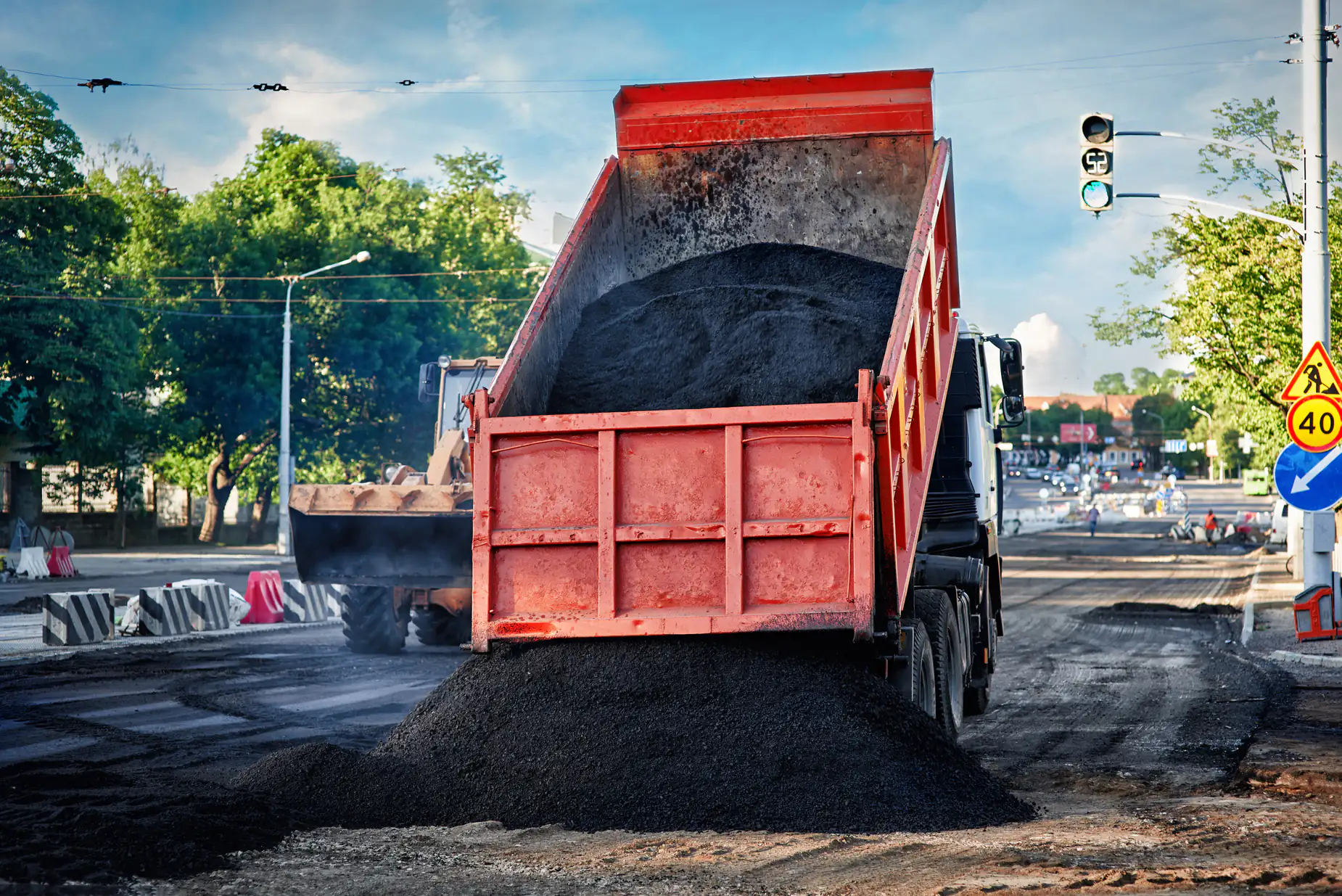
Proper installation means excavating to the right depth, laying a compacted stone base, and applying hot mix asphalt at the correct thickness. That’s what keeps your driveway smooth through Somerset County’s wet springs and brutal winters.
You get a surface that handles daily traffic without breaking down. No more temporary fixes. No more wondering if this year’s the year you’ll need to replace the whole thing. Just a driveway that does its job quietly for the next 20 to 30 years.
We’ve been handling driveway and parking lot projects throughout Finderne and Somerset County for over 20 years. We’re not new to this area, and we’re not learning on your property.
Every crew member knows what New Jersey weather does to asphalt. They know how to grade for drainage so water moves away from your foundation. They know the base needs to be compacted properly or you’ll see settling within months.
We give you an upfront quote that breaks down materials, labor, and timeline. No surprise charges later. We show up when we say we will, and we guarantee a callback within 24 to 48 hours when you request a quote online. That’s just how we operate here.
First, we evaluate your existing surface and drainage patterns. If water’s pooling anywhere or the current base is compromised, we need to address that before any asphalt goes down.
Next comes excavation to the proper depth, usually 8 to 12 inches depending on soil conditions and expected traffic. We install a compacted stone base that won’t shift or settle. This is where most cheap jobs fail. We don’t skip this step.
Then we apply high-grade hot mix asphalt at the right temperature, typically 2 to 3 inches thick for residential driveways. The asphalt gets compacted while it’s still hot to eliminate air pockets. We grade everything so water runs off toward the street or designated drainage areas, not toward your house. You can usually drive on it within 24 to 48 hours, and it’ll cure fully over the next few weeks.
Ready to get started?
All materials meet New Jersey DOT specifications. We source from certified suppliers, and the hot mix asphalt is applied at proper temperature to ensure it compacts correctly and bonds to the base layer.
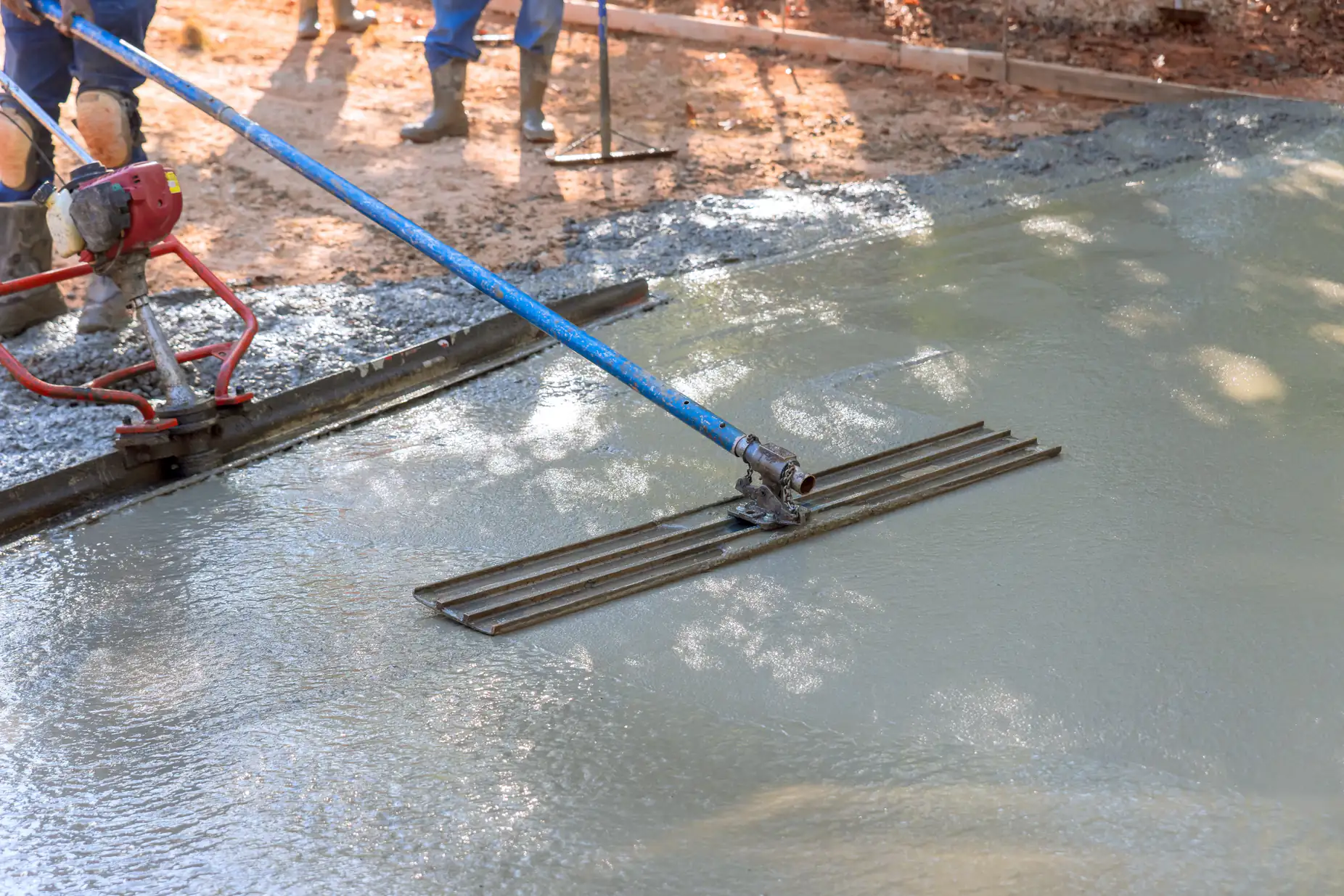
For concrete work, we use Portland cement mixes with rebar reinforcement. If you want decorative stamped patterns, we handle that too. Every job includes proper edge work and transitions so you’re not dealing with crumbling edges a year later.
Finderne properties deal with variable soil conditions and plenty of moisture. We account for that in our base prep and drainage planning. You’re not getting a one-size-fits-all approach. We adjust excavation depth and base material based on what your specific property needs.
Our warranty covers workmanship and installation defects. If something fails because we didn’t install it correctly, we fix it. That’s not a marketing line. That’s how we’ve stayed in business in this area for over two decades.
A correctly installed asphalt driveway typically lasts 20 to 30 years in this area, assuming you maintain it with sealcoating every few years. The key factors are base preparation, proper drainage, and asphalt thickness.
If the base isn’t compacted correctly or drainage wasn’t planned properly, you’ll see problems within the first few years regardless of the asphalt quality. New Jersey’s freeze-thaw cycles are brutal on any surface that has water sitting on it or seeping underneath.
Regular sealcoating every 3 to 5 years protects the surface from UV damage and water penetration. That’s the difference between 20 years and 30 years. But the installation quality determines whether you even make it to year 10 without major repairs.
The difference is in what you don’t see. Cheap paving companies skip base preparation, apply asphalt too thin, or use substandard materials. You’ll save money upfront and spend it all back in repairs within 5 years.
Quality work means excavating to proper depth, installing a thick compacted stone base, ensuring correct drainage, and applying asphalt at adequate thickness. It means using hot mix asphalt that meets DOT specs and is applied at the right temperature.
You can’t tell the difference by looking at a finished driveway on day one. But after one winter, the cheap job will have cracks and settling. After three winters, you’re looking at major repairs. Quality installation holds up because the subsurface was done right.
Drainage is critical here because of our climate. We evaluate existing drainage patterns before we start any excavation. The goal is to direct water away from your foundation and prevent pooling on the asphalt surface.
We grade the base so there’s a slight slope, usually toward the street or a designated drainage area. Sometimes that means adjusting the elevation at the garage entrance or adding a small channel along the edge. It depends on your property’s layout and where water naturally wants to go.
Poor drainage is the number one cause of premature asphalt failure in New Jersey. Water gets underneath, freezes, expands, and breaks up the base. Then your asphalt cracks and settles. Proper grading prevents that from happening in the first place.
Most cracking comes from inadequate base preparation or poor drainage. If the stone base isn’t thick enough or wasn’t compacted properly, it’ll shift under the weight of vehicles. That movement causes the asphalt on top to crack.
Water penetration is the other major cause. When water seeps through small cracks or porous asphalt, it sits in the base layer. During winter, it freezes and expands, pushing the asphalt up. When it thaws, the asphalt settles back down, but not evenly. That creates more cracks.
Some minor cracking is normal after 10 to 15 years due to oxidation and UV exposure. That’s why sealcoating matters. But if you’re seeing significant cracks within the first 5 years, the installation was done wrong. Either the base was inadequate or drainage wasn’t addressed.
Look for a company that’s been operating locally for years, not someone who just showed up offering a deal. Check that they’re licensed and insured. Ask for a detailed written estimate that breaks down excavation depth, base material specs, and asphalt thickness.
Be wary of anyone who gives you a price without looking at drainage or asking about soil conditions. That’s a red flag. Quality contractors evaluate the site first because every property is different.
Ask about their warranty and what it actually covers. Some companies offer warranties that only cover material defects, not installation problems. You want coverage for workmanship too. And ask how long they’ve been serving your specific area. Someone familiar with Somerset County knows what works here and what doesn’t.
Cost depends on the size of the area, current condition, drainage needs, and how much excavation is required. A standard residential driveway typically runs a few thousand dollars, but that varies significantly based on those factors.
If your existing driveway has major drainage issues or the base is completely failed, costs go up because we need to excavate deeper and install more base material. If we’re working with good existing conditions, costs are lower.
We provide upfront quotes that detail exactly what’s included so there are no surprises. You’ll see line items for excavation, base material, asphalt thickness, and any drainage work. That transparency lets you understand what you’re paying for and why. We don’t give vague estimates and then add charges later.