
Hear from Our Customers
A properly installed asphalt driveway in Succasunna should give you 15 to 20 years before you’re thinking about replacement. Some last 25 years or more with basic maintenance. That’s what happens when the base is compacted correctly, drainage is handled from day one, and the asphalt goes down at the right temperature.
You won’t see pooling water after a rainstorm. You won’t deal with cracks spreading across the surface by the second winter. The pavement stays smooth, the edges hold their shape, and water flows where it’s supposed to go.
Most driveways fail early because of poor drainage or shortcuts during installation. Succasunna sits on clay soil that holds water, so if your contractor doesn’t account for that, you’ll have problems. We handle drainage during the base prep, not after the fact. That’s the difference between a driveway that lasts and one that needs repair in three years.
We’ve been working in Morris County for over 40 years. We’re not new to Succasunna, and we’re not going anywhere. You’ll see our work on driveways and parking lots throughout the area because we’ve built a reputation on doing the job right the first time.
We know what Morris County winters do to asphalt. We know how clay soil behaves when it gets saturated. We know which materials hold up and which ones crack under pressure. That’s not something you learn from a manual. It comes from decades of installing driveways and parking lots in this exact area.
When you call, you’ll talk to someone who understands your property and your concerns. We’ll give you an upfront quote that details what’s involved, and we’ll get back to you within 24 to 48 hours. No runaround, no surprises later.
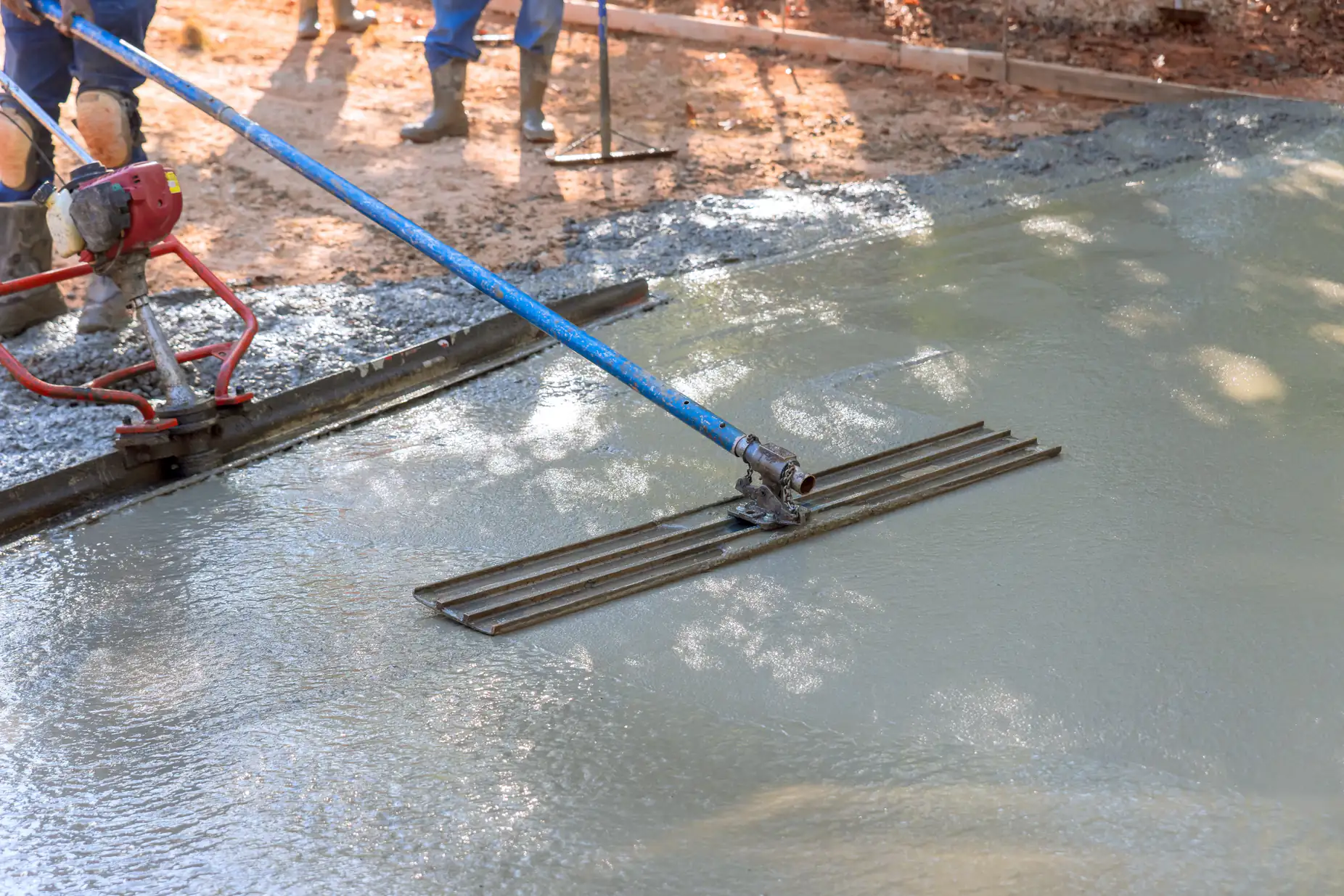
We start with the base. That’s where most problems begin if it’s not done correctly. The existing surface gets removed if needed, and we grade the area to direct water away from your foundation. Then we compact the base material in layers. This isn’t optional. A solid base prevents settling and keeps your driveway from sinking or cracking under weight.
Next comes drainage. We make sure water has somewhere to go. In Succasunna, that means accounting for clay soil that doesn’t absorb water quickly. We slope the driveway properly and add drainage solutions where necessary so you’re not dealing with pooling or ice buildup in winter.
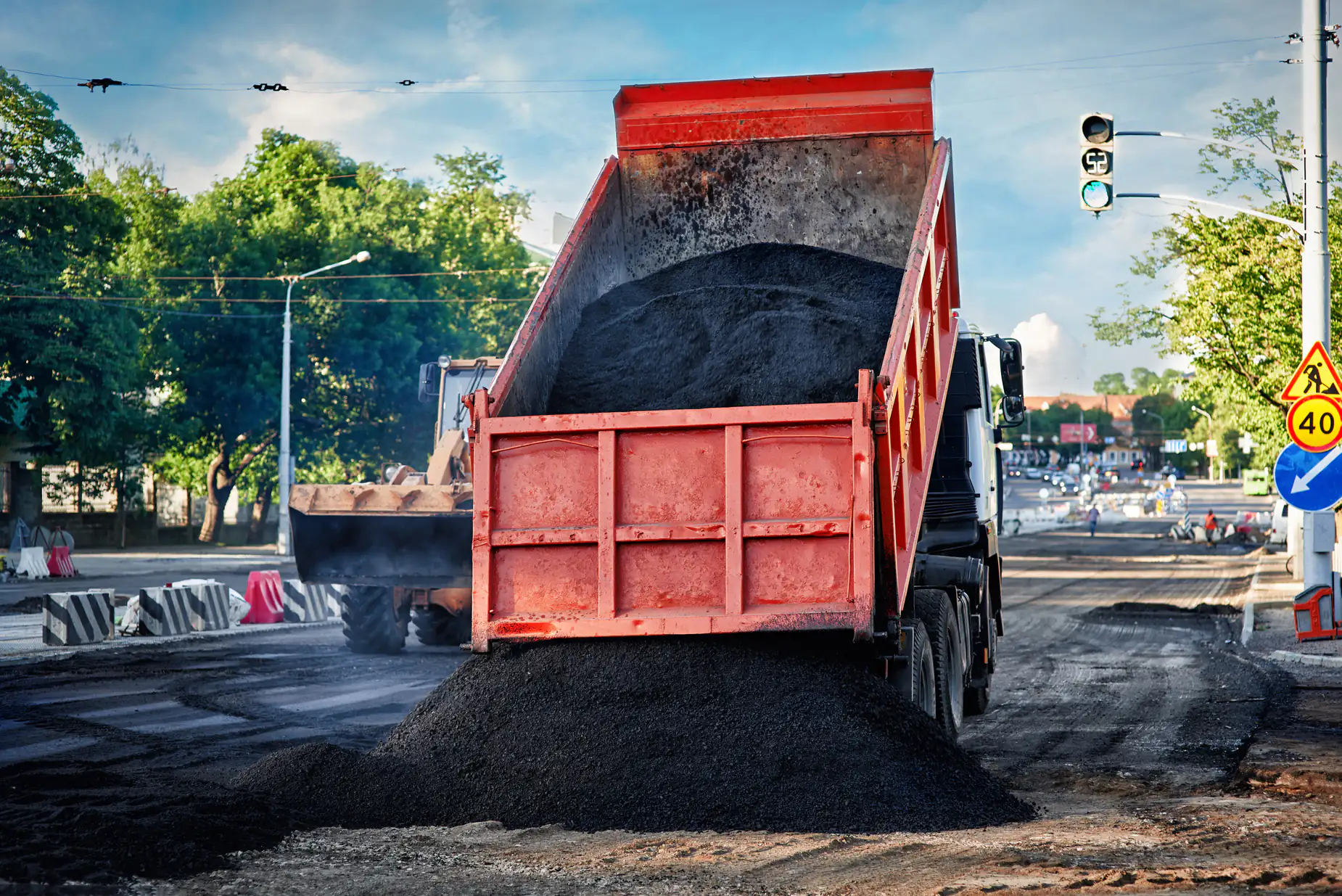
Then we lay the asphalt. We use hot-mix asphalt applied at the correct temperature so it bonds properly and compacts evenly. Thickness matters too. Residential driveways typically get two to three inches of asphalt over the compacted base. Commercial parking lots get more depending on traffic load. Once it’s down, we compact it with the right equipment and let it cure. You’ll be able to drive on it within a day or two, but full curing takes a few weeks.
Ready to get started?
You’re getting a complete installation, not just asphalt dumped on the ground. That means proper base preparation, grading for drainage, and asphalt laid at the right thickness for your specific use. Residential driveways are built differently than commercial parking lots because the load requirements are different.
We also handle repairs and resurfacing if your existing driveway is structurally sound but showing surface wear. Resurfacing costs less than full replacement and can add another 8 to 10 years of life if the base is still solid. If the base has failed, resurfacing won’t fix it. We’ll tell you that upfront instead of taking your money for a temporary patch.
Succasunna properties often need extra attention to drainage because of the clay soil. Water doesn’t percolate quickly here, so it sits on the surface or seeps into cracks. We address that during installation by grading the driveway and adding drainage where needed. You’ll also get sealcoating recommendations after the asphalt cures. Sealcoating protects the surface from UV damage, water penetration, and chemical spills. Done every two to three years, it can double the life of your pavement and save you thousands in premature replacement costs.
You’re looking at $3.50 to $6.00 per square foot for a new asphalt driveway in Succasunna. That’s higher than the national average because labor and material costs in New Jersey run about 15 to 25 percent more than other states. A standard two-car driveway around 600 square feet will cost between $2,100 and $3,600, but that number moves depending on site conditions.
If your property has drainage issues, needs significant grading, or requires base repair, the cost goes up. If the existing driveway needs to be removed and hauled away, that’s an additional expense. We give you an upfront quote that breaks down what’s included so there are no surprises later.
Asphalt prices also increase at the beginning of every month, so waiting usually costs you more. If you’re planning to pave, spring and early summer are the best times to lock in pricing before demand spikes in late summer and fall.
Most residential driveways take one to three days depending on size and site conditions. Day one is usually base prep, grading, and compaction. Day two is asphalt installation and compaction. If the job is straightforward with no drainage issues or base problems, we can often complete it in a single day.
Larger driveways or commercial parking lots take longer. If we’re removing an old driveway, adding significant drainage work, or dealing with poor soil conditions, expect the timeline to extend. Weather also plays a role. Asphalt needs temperatures above 50 degrees Fahrenheit to cure properly, so we don’t install in late fall or winter.
You can drive on the new asphalt within 24 to 48 hours, but full curing takes several weeks. During that time, avoid parking in the same spot repeatedly and don’t turn your steering wheel while the vehicle is stationary. That can leave marks in the surface while it’s still curing.
Freeze-thaw cycles are the main culprit. Water seeps into small cracks or porous areas of the asphalt, then freezes when temperatures drop. Ice expands, pushing the asphalt apart and widening the crack. When it thaws, more water gets in. This cycle repeats all winter, and by spring, you’ve got potholes and structural damage.
Poor drainage accelerates the problem. If water pools on your driveway instead of running off, it has more time to penetrate the surface. Succasunna’s clay soil makes this worse because water doesn’t absorb quickly, so it sits on the pavement or seeps into cracks. That’s why proper grading and drainage during installation matter so much.
Base failure is another cause. If the base wasn’t compacted correctly or the soil underneath shifts, the asphalt above it will crack. You’ll see this as long cracks that follow the same pattern or areas where the pavement has sunk. Resurfacing won’t fix base failure. The base has to be repaired or replaced.
Yes, sealcoating extends the life of your driveway by protecting it from UV damage, water penetration, and chemical spills like oil or gasoline. It also fills small surface cracks before they become bigger problems. Done correctly, sealcoating can double the functional life of your pavement and save you $3,000 to $8,000 in premature replacement costs.
Wait at least six months to a year after installation before applying the first sealcoat. New asphalt needs time to cure fully. After that, sealcoat every two to three years depending on traffic and weather exposure. If your driveway sees heavy use or you park in the same spot daily, you might need to sealcoat more frequently.
Don’t sealcoat too often. Over-application causes the surface to become brittle and crack. You’ll know it’s time when the asphalt starts looking faded or gray instead of black. Small cracks or rough texture are also signs that sealcoating is due.
Sometimes, but only if the existing driveway is structurally sound. If the base is solid and the current asphalt doesn’t have major cracks, potholes, or drainage problems, resurfacing is an option. We’ll add a new layer of asphalt over the old surface, which costs less than full replacement and can add 8 to 10 years of life.
If the base has failed or the existing asphalt has deep cracks and settling, resurfacing won’t fix it. You’re just covering up problems that will reappear within a year or two. In those cases, full removal and reinstallation is the only real solution.
We’ll assess your driveway and tell you honestly whether resurfacing makes sense or if you need a full replacement. There’s no point in spending money on a temporary fix when the base is compromised. You’ll end up paying twice—once for the resurfacing and again for the full replacement when the problems come back.
Late spring through early fall is ideal. Asphalt needs consistent temperatures above 50 degrees Fahrenheit to cure properly. That usually means May through October in Succasunna. Summer is the busiest season because the weather is predictable, but you’ll also face longer wait times and higher demand.
Spring is a good option if you want to avoid the rush, but be prepared for rain delays. Fall works too, but you’re racing against dropping temperatures. Once it gets too cold, asphalt doesn’t compact properly and won’t cure correctly. That leads to premature cracking and surface problems.
Winter paving isn’t recommended in New Jersey. Even if temperatures are mild during the day, overnight lows can prevent proper curing. If you need emergency repairs in winter, cold patch asphalt is available, but it’s a temporary fix. Plan your project for warmer months if you want it done right.