
Hear from Our Customers
You’re looking at 15 to 20 years of performance when the work is done right. That means a driveway or parking lot that doesn’t crack apart after two winters, doesn’t pool water near your foundation, and doesn’t turn into a liability every time it rains.
Newark’s infrastructure is aging. The soil here has high clay content, which expands and contracts with moisture. Most paving contractors skip the base prep or rush the compaction. Then you’re dealing with potholes by year three and a full replacement by year seven.
Proper installation means grading for drainage before anything gets poured. It means hot mix asphalt applied at the right temperature and compacted until it’s dense enough to handle Newark’s freeze-thaw cycles. It means understanding how downtown traffic patterns affect wear, and how the city’s drainage requirements tie into your project’s longevity.
We’ve spent over 20 years working throughout Morris, Sussex, and Somerset County. We’re not a crew that shows up, pours asphalt, and disappears when the first crack appears. We’re local, licensed, insured, and we understand the specific challenges that come with paving in North New Jersey.
Newark has unique demands. The heavy traffic from the port. The strict permitting process for commercial lots. The way winter hits pavement here compared to other parts of the state. We’ve handled all of it, and we know what works.
You’ll get a written quote that breaks down the work with no surprise charges later. You’ll get a callback within 24 to 48 hours when you request an estimate online. And you’ll get a crew that shows up on time and finishes when we say we will.
First, we assess your site. That includes checking the existing base, identifying drainage issues, and understanding soil conditions. Poor drainage is the leading cause of driveway failure in this area, so we address it upfront by grading the base to direct water away from your foundation.
Next, we prep the foundation. If your soil has high clay content, we stabilize it. If the base is compromised, we remove and replace it. Then we compact everything in layers using proper equipment, not just a single pass with a roller.
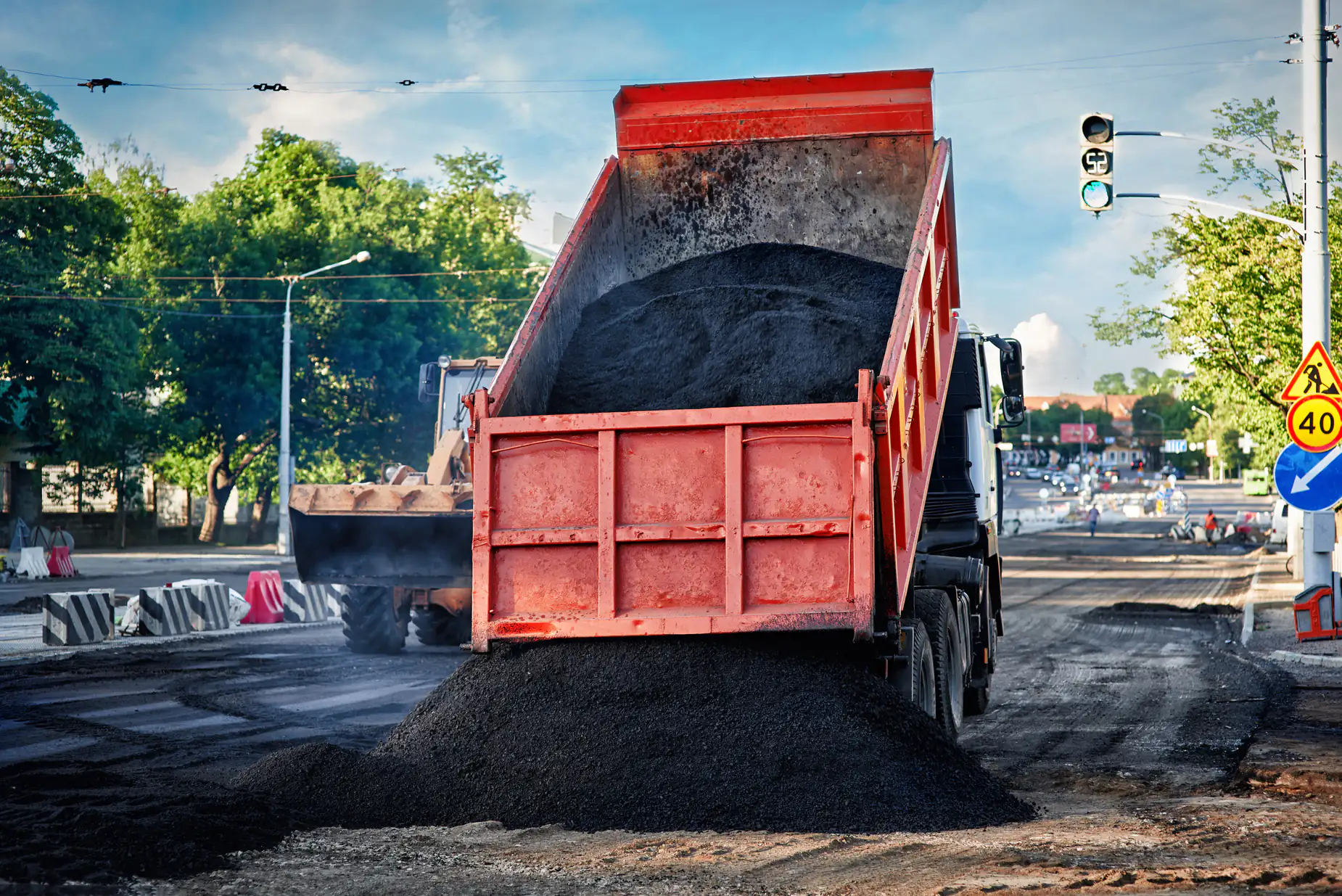
Then we apply the asphalt. We use high-grade hot mix asphalt applied at the correct temperature. Temperature matters because asphalt that’s too cool won’t compact properly, and asphalt that’s too hot can become unstable. We monitor it throughout the process.
Finally, we compact and finish. Multiple passes with a heavy roller ensure the surface is dense and durable. We pay attention to edges, transitions, and any areas that will see heavy use. The result is a surface that handles Newark’s climate and your traffic load without falling apart in a few years.
Ready to get started?
You’re getting more than just a layer of blacktop. Every project includes proper site assessment, base preparation, drainage solutions, and a finish that meets local code requirements. We handle residential driveways, commercial parking lots, and municipal projects across Newark, East Orange, Somerset, Morristown, and surrounding areas.
For commercial work, we understand Newark’s parking space dimension requirements and how to navigate the permitting process. We install catch basins or French drains when needed. We coordinate with property managers to minimize disruption during business hours.
For residential projects, we work with your property’s specific challenges. Steep grades, narrow access, existing landscaping—we plan around it. And we don’t leave until the site is clean and the job is done right.
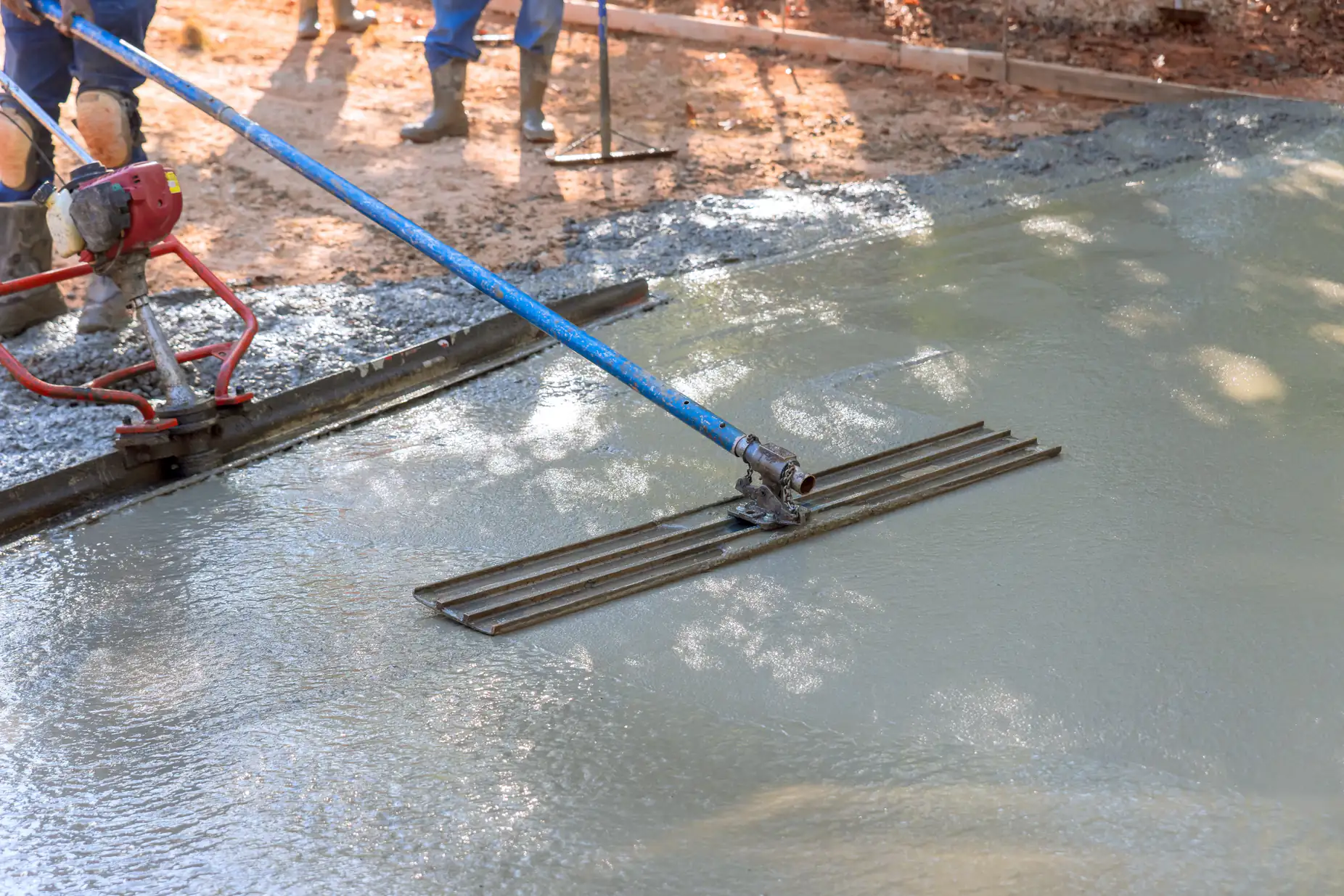
Concrete services are available too. We use Portland cement mixes with rebar reinforcement for added strength, and we offer decorative stamped concrete if you want something beyond standard gray. Whether it’s a patio, walkway, or driveway, the same attention to base prep and proper installation applies.
Asphalt paving typically costs between $3 and $7 per square foot in the Newark area. That puts an average residential driveway somewhere between $1,200 and $6,000 depending on size, site conditions, and how much prep work is needed.
The price varies because not every driveway is the same. If your base is solid and drainage is already handled, the cost stays on the lower end. If we need to remove old asphalt, regrade for drainage, or stabilize clay-heavy soil, the price goes up. But that upfront investment is what keeps your driveway from failing in five years.
According to the Asphalt Price Index, liquid asphalt costs have been climbing. As of April 2021, the average cost per ton hit $460. That affects everyone in the industry, but cutting corners on materials or installation to save a few hundred dollars now will cost you thousands later when you’re replacing the whole thing.
Properly installed asphalt lasts 15 to 20 years in Newark with regular maintenance. The key phrase there is “properly installed.” If the base isn’t prepared correctly or drainage isn’t addressed, you’re looking at failure much sooner.
Newark’s freeze-thaw cycles are tough on pavement. Water seeps into small cracks, freezes, expands, and breaks the asphalt apart. That’s why base preparation and compaction matter so much. A dense, well-compacted surface resists water penetration and holds up through winter after winter.
Maintenance extends that lifespan. Sealcoating every few years protects the surface from UV damage and water infiltration. Filling cracks as soon as they appear prevents them from spreading. Neglect those things, and even a well-installed driveway will deteriorate faster than it should.
Poor drainage is the number one cause of driveway failure in this area. When water pools on the surface or seeps into the base, it weakens the foundation. Clay soil, which is common around Newark, expands when wet and contracts when dry. That movement cracks asphalt from underneath.
Inadequate base preparation is the second biggest issue. Some paving companies skip proper excavation or don’t compact the base in layers. The result is settling, cracking, and potholes within a few years. You can’t fix a bad foundation with a new layer of asphalt. The problem just comes back.
Cheap materials and poor installation techniques round out the list. Asphalt applied at the wrong temperature, insufficient compaction, or using low-grade hot mix all lead to premature failure. It’s not always visible right away, but it shows up fast once winter hits.
It depends on the scope of your project. Residential driveways typically don’t require a permit if you’re repaving an existing driveway within the same footprint. If you’re expanding the driveway, changing drainage patterns, or affecting the right-of-way, you’ll likely need approval from the city.
Commercial projects almost always require permits. Newark has specific codes for parking lot construction, including requirements for drainage, ADA-compliant spaces, and stormwater management. The permitting process can take time, so it’s worth starting early.
We handle permit coordination as part of our service for commercial clients. We know what the city requires, how to submit plans, and how to avoid delays. For residential projects, we’ll let you know upfront if a permit is needed and walk you through the process.
If more than 30% of your driveway or parking lot is damaged, replacement usually makes more sense than patching. Small cracks and isolated potholes can be repaired. Widespread cracking, major settling, or a surface that’s breaking apart in multiple areas means the base has failed and repairs won’t last.
Alligator cracking—those interconnected cracks that look like reptile skin—is a sign of base failure. You can patch the surface, but the problem is underneath. Same with areas that puddle water consistently. That indicates a drainage or grading issue that patching won’t fix.
Age is another factor. If your asphalt is 15 to 20 years old and showing significant wear, replacement is the smarter investment. Repairs might buy you a year or two, but you’ll end up replacing it anyway. We’ll assess your pavement and give you an honest recommendation based on what we see, not what makes us the most money.
Asphalt costs less upfront and handles freeze-thaw cycles better than concrete. It’s flexible, so it expands and contracts with temperature changes without cracking as easily. Asphalt also gets repaired more easily if damage does occur. The tradeoff is that it requires sealcoating every few years to maintain its appearance and durability.
Concrete lasts longer—often 25 to 30 years—and requires less maintenance. It doesn’t need sealcoating, and it holds up well in hot weather. But concrete cracks more easily in freeze-thaw conditions, and repairs are more visible and expensive. It also costs more to install, typically $4 to $10 per square foot compared to $3 to $7 for asphalt.
For Newark’s climate, asphalt is usually the better choice for driveways and parking lots. The freeze-thaw cycles here are hard on concrete. Asphalt’s flexibility gives it an edge. Concrete makes sense for decorative applications like patios or walkways where you want stamped patterns or a specific look, but for functional surfaces that take a beating from weather and traffic, asphalt performs better.