
Hear from Our Customers
A driveway that doesn’t crack apart after two winters. That’s what happens when the base is done right and the asphalt is applied at the correct temperature with proper compaction.
Most paving failures start underneath. Water gets in, freezes, expands, and destroys everything above it. North Jersey’s freeze-thaw cycles are relentless, and your property sits right in one of the most challenging climate zones in the state.
When the work is done correctly from the start, you’re looking at a surface that handles the expansion and contraction without falling apart. No standing water. No premature cracking. No emergency repairs three years in because someone cut corners on the base preparation.
You get a driveway that looks clean, drains properly, and doesn’t need constant attention. That’s the difference between asphalt installed by someone who understands the local climate and someone just trying to finish the job.
Platinum Paving is a family-owned asphalt and concrete contractor based in Morris County. Owner Dominick personally oversees projects because he knows what happens when quality slips.
We’re licensed with the NJ Division of Consumer Affairs and BBB accredited. We’ve spent over twenty years working in this exact climate, on properties just like yours in Green Knoll, Bridgewater, and throughout Somerset County.
The reason we’re still here is simple: we do the work right, we communicate clearly, and we don’t disappear when the job is done. You’ll get a 5-year warranty on the work and a 24-48 hour callback guarantee when you request a quote.
First, we assess your existing surface and drainage. If the base is compromised, we’ll tell you. There’s no point in laying new asphalt over a failing foundation.
Next comes excavation and grading if needed. We remove the old material, establish proper slope for drainage, and compact the base until it’s stable. This is where most contractors cut corners. We don’t.
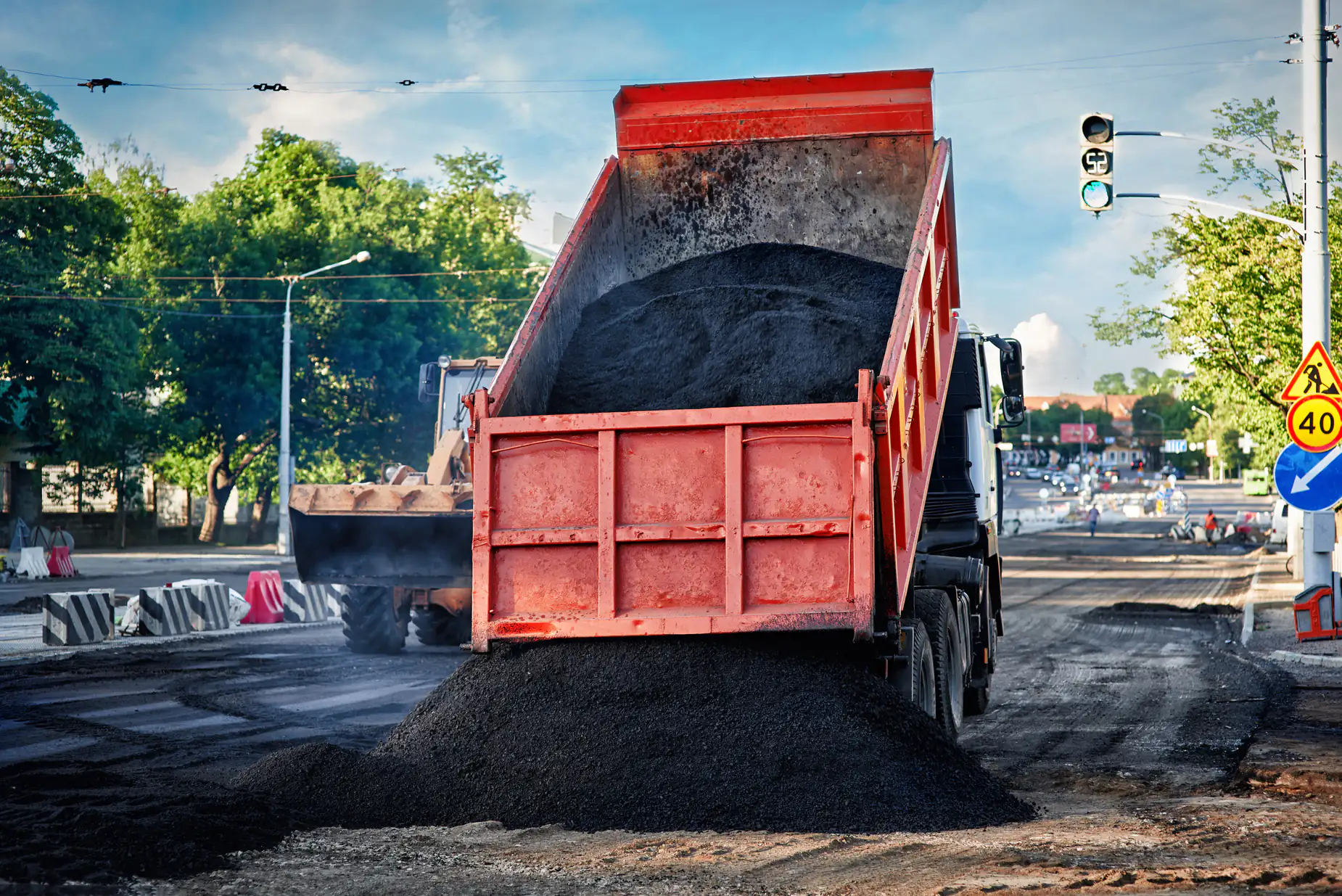
Then we install the asphalt. We use high-grade hot mix asphalt applied at the right temperature, not the lukewarm recycled material that some crews try to pass off as quality work. Proper compaction happens in multiple passes while the material is still hot.
The final step is edging and cleanup. Your property should look better than when we arrived, not like a construction zone. We’re usually done within a few days depending on size, and you can drive on it within 24-48 hours.
Ready to get started?
You’re getting a complete installation, not just a surface layer. That means proper excavation, a compacted aggregate base, and hot mix asphalt applied at the correct depth for your specific use.
Green Knoll properties often have unique drainage challenges because of the terrain in the Watchung Mountains. We account for that. Grading and slope are engineered so water moves away from your foundation, not toward it.
We also handle the details that matter: clean edges, smooth transitions to existing surfaces, and proper compaction that prevents settling. If you’re adding decorative elements like stamped concrete borders or paver accents, we coordinate that work so everything integrates correctly.
For commercial properties or high-traffic residential driveways, we can reinforce the base and increase asphalt depth. For standard residential work, we follow the specifications that have proven effective in this climate over decades of projects throughout Somerset County.
Properly installed asphalt in North Jersey typically lasts 20-30 years with regular maintenance. That maintenance part is critical because this climate is tough on pavement.
Green Knoll sits in an area with some of the highest freeze-thaw cycles in New Jersey. Water seeps into small cracks, freezes, expands, and makes those cracks bigger. Every winter, the cycle repeats and accelerates the damage.
Sealcoating every 2-3 years adds a protective layer that keeps water out and slows oxidation from UV exposure. Without it, you’re looking at 10-15 years before you’re dealing with serious deterioration. With proper care, you can push that timeline significantly further and avoid costly repairs.
Nothing. They’re the same material. “Blacktop” is just a regional term that people use interchangeably with asphalt, especially here in the Northeast.
Both refer to hot mix asphalt, which is a combination of aggregate (stone and sand) and liquid asphalt binder. The quality depends on the mix design, the temperature during installation, and how well it’s compacted.
What matters more than terminology is whether your contractor is using high-grade HMA applied at proper temperatures. Some crews use recycled asphalt product (RAP) or let the material cool too much before installation. That’s where you run into problems. The material itself is the same, but the execution makes all the difference.
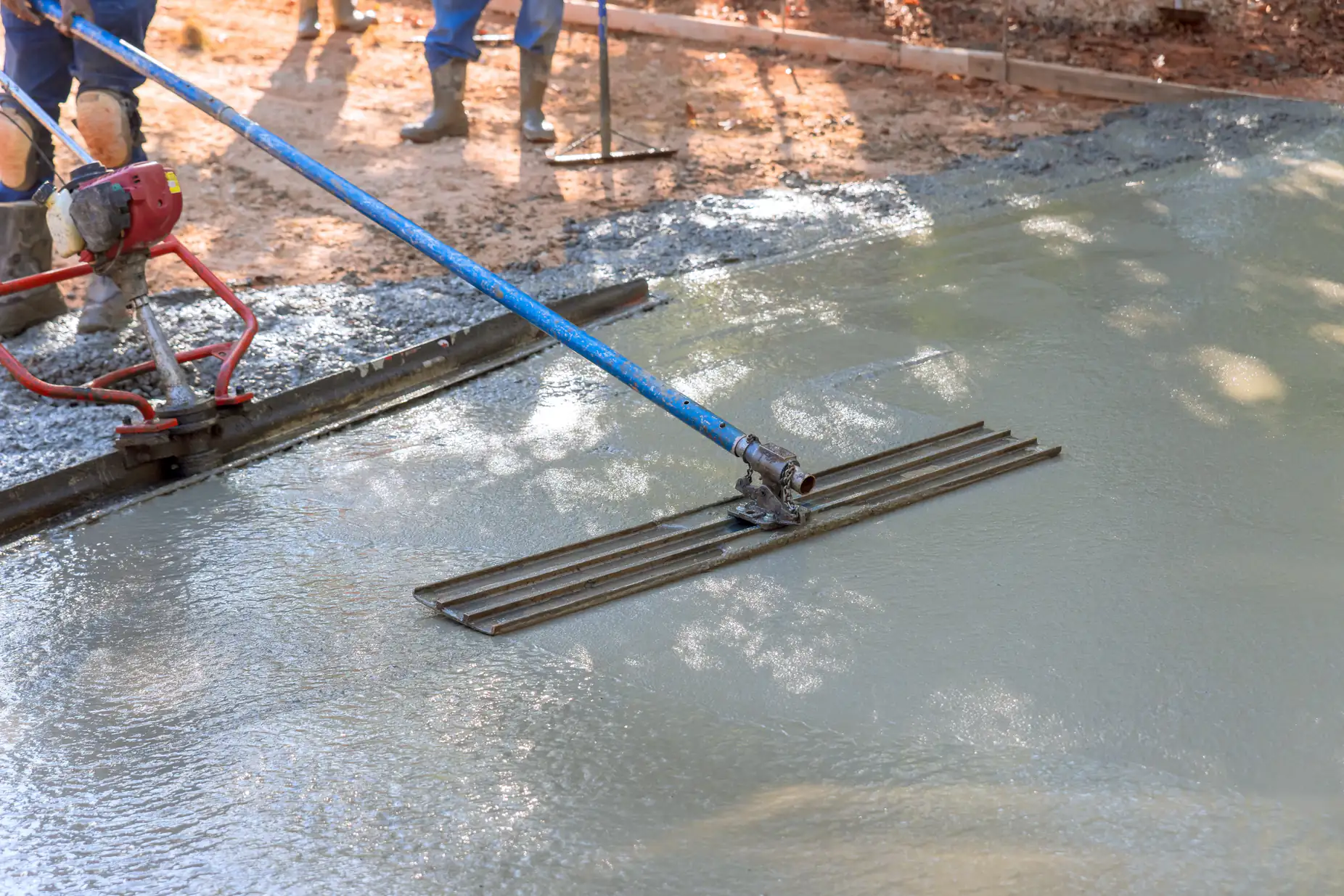
Asphalt handles North Jersey winters better. Concrete cracks more easily in freeze-thaw conditions because it’s rigid. Asphalt flexes slightly, which helps it survive the expansion and contraction cycles.
Asphalt is also faster to install and ready to use within a day or two. Concrete needs a week to cure properly. If you’re trying to minimize disruption, asphalt is the practical choice.
That said, concrete works well for decorative applications or areas where you want a specific look. We install both, and sometimes the best solution is a combination: asphalt for the main driveway with stamped concrete borders or accents. It depends on your priorities, budget, and how you use the space.
If more than 30% of your driveway surface is damaged, replacement usually makes more sense than patching. Cracks wider than a quarter-inch, multiple potholes, and significant settling are signs the base has failed.
Surface cracks and minor damage can be repaired if the foundation is still solid. But if water is pooling, if the edges are crumbling, or if you’re seeing alligator cracking (that interconnected web pattern), the base is compromised and repairs won’t hold.
We’ll assess the structure underneath, not just what’s visible on top. Sometimes a section can be milled and overlaid. Other times, the whole thing needs to be removed and rebuilt. We’ll tell you what makes sense for your specific situation and budget, not just what generates the biggest invoice.
License and insurance first. New Jersey requires paving contractors to be licensed through the Division of Consumer Affairs. If they can’t provide a license number, walk away. Same with proof of insurance.
Ask about their process, specifically base preparation and compaction. If they gloss over those details or can’t explain how they handle drainage, that’s a red flag. The base is everything.
Get a written estimate that breaks down materials, labor, and timeline. Be suspicious of anyone who shows up claiming they have “leftover asphalt from another job” and can give you a deal if you decide right now. That’s a common scam in New Jersey, usually run by unlicensed crews who disappear the moment there’s a problem.
Late spring through early fall. Asphalt needs to be installed when ground temperatures are consistently above 50°F and rising. Cold ground pulls heat out of the asphalt too quickly, preventing proper compaction.
Fall is actually ideal in North Jersey because you’re getting your driveway ready before winter damage starts. Spring works too, but you’re competing with everyone else who waited until the weather warmed up.
Summer is fine, but extremely hot days can make the asphalt too soft during installation, which creates its own challenges. The sweet spot is moderate temperatures with dry conditions. Rain delays paving work because moisture interferes with bonding and compaction. We’ll schedule your project during the optimal window and let you know if weather requires us to adjust timing.