
Hear from Our Customers
Most asphalt problems don’t start at the surface. They start underneath, where you can’t see them until it’s too late.
When the base isn’t compacted correctly or drainage isn’t sloped right, water gets in. In Mount Hope, NJ, that means freeze-thaw cycles that crack your driveway from the inside out. You’ll see buckling within a year or two, and by then, the damage is done.
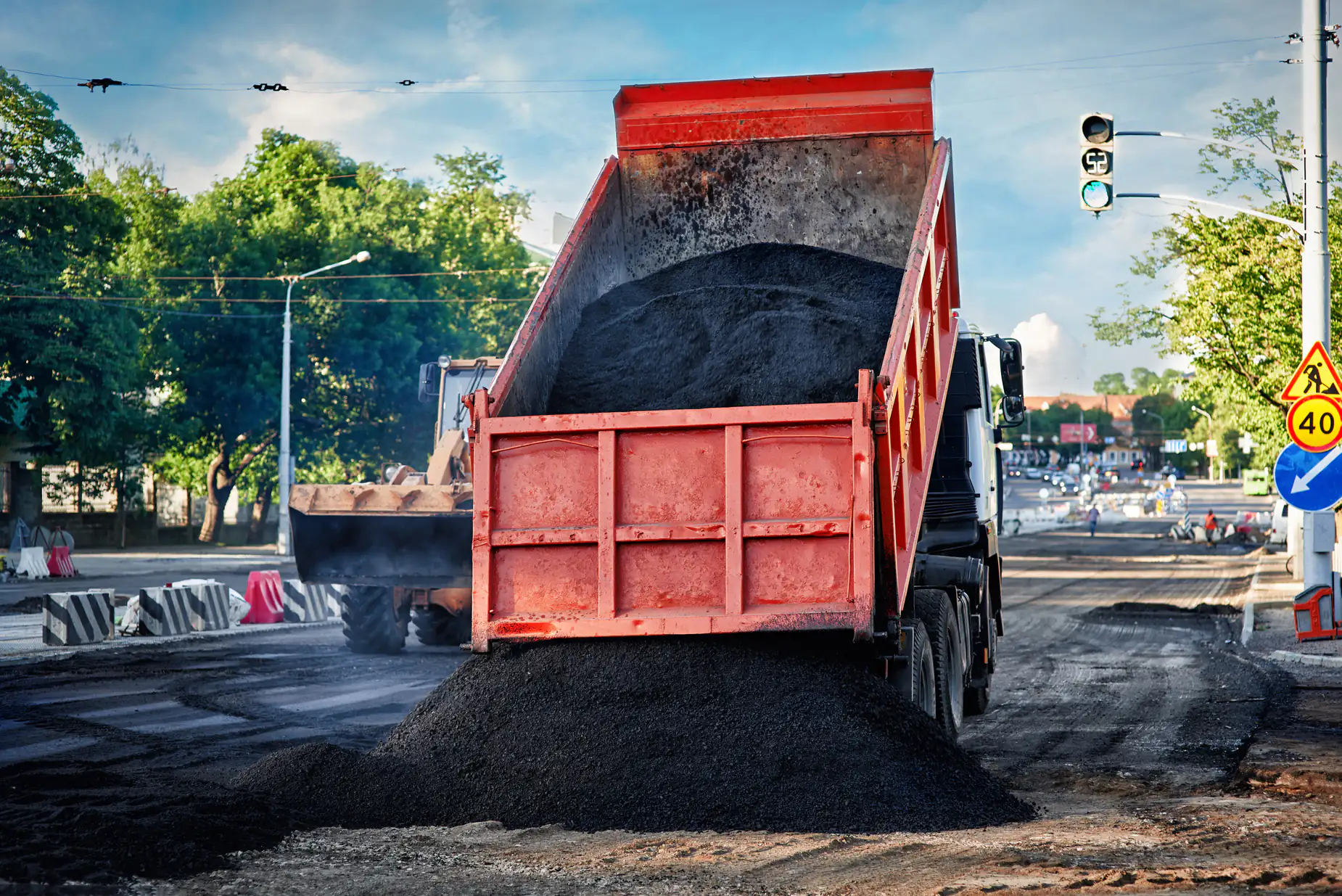
We handle the foundation first. That means proper grading so water moves away from your property, not toward it. It means compacting the aggregate base with the right equipment at the right depth. And it means using high-grade hot mix asphalt applied at the correct temperature, not whatever’s convenient.
You get a surface that handles Morris County winters without turning into a patchwork of cracks and potholes. That’s what happens when the work is done right the first time.
We’ve been handling asphalt and concrete paving in Mount Hope, NJ and throughout Morris, Sussex, and Somerset Counties for over 20 years. We’re a family-owned company, and we’ve stayed in business this long because we show up when we say we will and do the work the way it’s supposed to be done.
We’re licensed, insured, and we don’t cut corners. That means no surprise charges, no disappearing after the deposit, and no excuses when something needs to be made right.
Mount Hope has clay soil that doesn’t drain well naturally, and the freeze-thaw cycles here are some of the harshest in New Jersey. We account for that in every job—because we’ve seen what happens when contractors don’t.
First, we look at your property. Not just the surface, but the drainage, the slope, the soil conditions. If water’s pooling or the ground isn’t stable, we address it before anything gets paved.
Next comes the base. We excavate to the right depth, bring in quality aggregate, and compact it in layers using professional-grade rollers. This isn’t the step to rush, because this is what determines whether your asphalt lasts 5 years or 25.
Then we install the asphalt. We use hot mix asphalt designed for northeastern climates, applied at the proper temperature, and rolled with attention to compaction patterns and density. The edges get sealed. The slope gets checked. Everything gets done so water moves off your driveway, not into it.
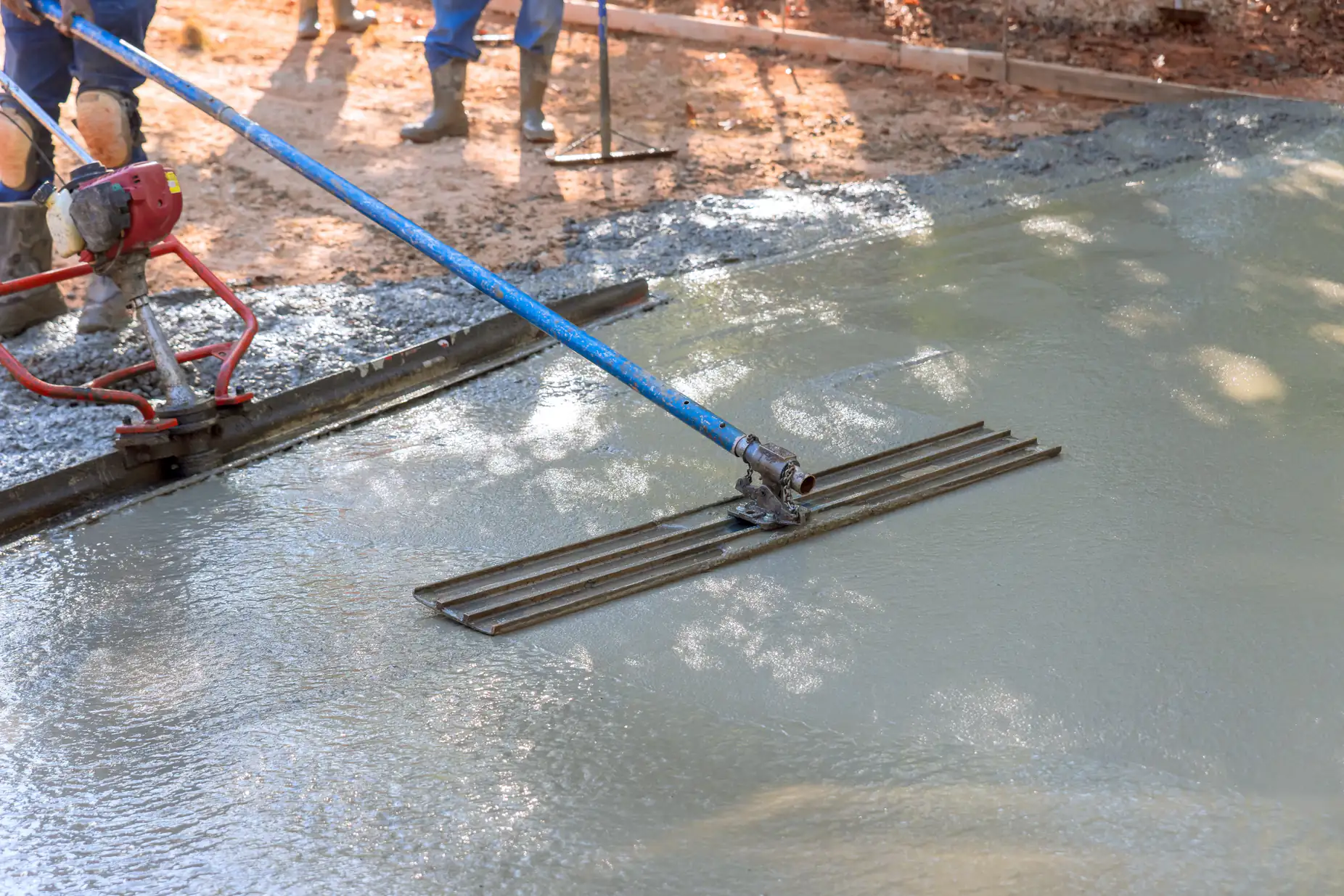
For concrete work, we use Portland cement mixes with rebar reinforcement. If you want decorative stamped patterns, we handle that too. But the foundation prep stays the same—because that’s what matters most.
You’ll get a clear timeline upfront, and we aim to finish on schedule. If something changes, we’ll tell you. No ghosting, no runarounds.
Ready to get started?
We handle residential driveways, commercial parking lots, and everything in between. That includes new installations, resurfacing, repairs, and sealcoating to extend the life of existing asphalt.
Every project starts with a site evaluation. We measure, assess drainage, check for underground issues, and give you an upfront quote with no hidden fees. If your property has challenges—steep grades, poor soil, tricky drainage—we’ll tell you what’s needed to make it work long-term.
Morris County winters are brutal. Freezing temperatures, snowstorms, salt, and plowing all take a toll. That’s why we use commercial-grade materials and installation techniques built for this climate. The asphalt we use is designed to handle temperature swings without cracking. The base is engineered to stay stable even when the ground freezes.
We also offer maintenance services like crack sealing and sealcoating, which can add years to your pavement’s lifespan. A properly maintained asphalt driveway in Mount Hope, NJ can last 25 years or more. But that only happens if it’s installed correctly from the start and maintained when it needs it—not after it’s already falling apart.
You can walk on new asphalt within 24 hours, but you should wait at least 3 to 5 days before driving on it. Full curing takes several months, but the surface is functional much sooner.
Temperature matters. If it’s hot out, asphalt stays softer longer, so give it extra time before parking heavy vehicles or turning your wheels while stationary. In cooler weather, it hardens faster.
We’ll give you specific guidance based on the conditions during your install. The short version: don’t rush it, especially in the first week. Patience now prevents premature wear later.
Almost always, it’s a base problem. If the foundation isn’t compacted properly or the drainage isn’t right, water gets underneath. When that water freezes, it expands and pushes the asphalt up. When it thaws, the base softens and the asphalt sinks. That cycle creates cracks, buckling, and potholes.
Mount Hope has clay soil, which holds water instead of draining it. If a paving contractor doesn’t account for that, your driveway is set up to fail from day one.
The other common issue is thin asphalt. Some contractors lay down 1.5 inches instead of the 2 to 3 inches needed for residential driveways. It looks fine at first, but it doesn’t have the structural integrity to last. Proper thickness and a solid base are non-negotiable if you want your driveway to hold up.
Resurfacing means adding a new layer of asphalt over the existing surface. It’s a good option if your current driveway has minor cracks and surface wear, but the base underneath is still solid.
A full replacement means tearing out the old asphalt, fixing or rebuilding the base, and installing everything new. You need this if there’s significant cracking, buckling, or drainage problems—because those issues come from below the surface, and resurfacing won’t fix them.
We’ll assess your driveway and tell you honestly which option makes sense. If resurfacing will just be a temporary band-aid, we’ll say so. There’s no point spending money on a fix that won’t last.
Cost depends on size, site conditions, and what needs to be done. A standard two-car driveway typically runs between $3,000 and $7,000 for a full installation, but that can vary based on excavation needs, drainage work, and material choices.
If your property has poor drainage, unstable soil, or requires significant grading, that adds to the cost—but it’s also necessary if you want the driveway to last. Skipping that work to save money upfront usually means paying more later to fix premature failure.
We give clear, upfront quotes that break down what’s included. No surprises, no vague estimates. You’ll know what the work costs and why before anything starts.
Yes, sealcoating protects asphalt from water, UV damage, and chemicals like oil and salt. It also makes the surface look fresh and extends its lifespan.
You should sealcoat every 2 to 3 years, depending on traffic and weather exposure. In Mount Hope, NJ, where winters are harsh and salt is heavy, staying on top of sealcoating makes a real difference in how long your driveway lasts.
Wait at least 6 to 12 months after new asphalt is installed before applying the first sealcoat. The asphalt needs time to cure fully. After that, regular sealcoating is one of the most cost-effective ways to protect your investment.
Asphalt needs to be applied at a minimum temperature—usually around 50°F and rising—for proper compaction and bonding. If it’s too cold, the asphalt cools too quickly and won’t compact correctly, which leads to premature failure.
That means late fall and winter aren’t ideal for new installations in Mount Hope, NJ. Spring through early fall is the best window for paving work.
If you have an urgent repair, there are cold-weather patching materials that can hold you over until conditions are right for a permanent fix. We’ll be honest about what’s possible and what’s worth waiting for.