
Hear from Our Customers
Every March, you walk outside and find new cracks zigzagging across your driveway. What started as hairline fractures in November are now potholes collecting water. You’re looking at another repair bill, wondering if this is just how driveways are.
It’s not. The difference between pavement that lasts 5 years and pavement that lasts 20 comes down to three things: proper base preparation, quality materials, and installation that accounts for New Jersey’s climate. Most paving companies near me skip at least one of these steps because it’s faster and cheaper.
When your base is properly graded and compacted, water drains away instead of pooling under the surface. When the asphalt is applied at the right temperature with the right thickness, it flexes through freeze-thaw cycles instead of cracking. When the contractor knows Morris County weather patterns, they time the work so the pavement cures correctly.
You get a driveway that looks sharp in year one and still looks sharp in year fifteen. No surprise repairs. No watching your investment deteriorate faster than it should.
We’ve been working in Wharton and throughout Morris County for over two decades. We’re not new to this area, and we’re not learning on your property.
We know which asphalt plants supply the best hot mix for this region. We know how Morris County soil behaves and what kind of base preparation prevents settling. We know the permit requirements for Wharton and surrounding towns because we’ve handled them hundreds of times.
You’re working with a family-owned company where the owner is involved in your project from estimate to final pass. We provide upfront pricing that details exactly what’s included, and we guarantee a callback within 24 to 48 hours when you request a quote. Our work is backed by a real 5-year warranty because we’re confident in how we build.
The job starts with site preparation. We excavate to the proper depth, then grade the area so water flows away from your foundation and off the pavement surface. Poor drainage destroys asphalt faster than traffic ever will.
Next comes the base layer—6 to 8 inches of crushed stone that gets compacted in lifts using heavy vibratory rollers. This base is what carries the load and prevents settling. Skimping here is where most problems start, so we don’t.
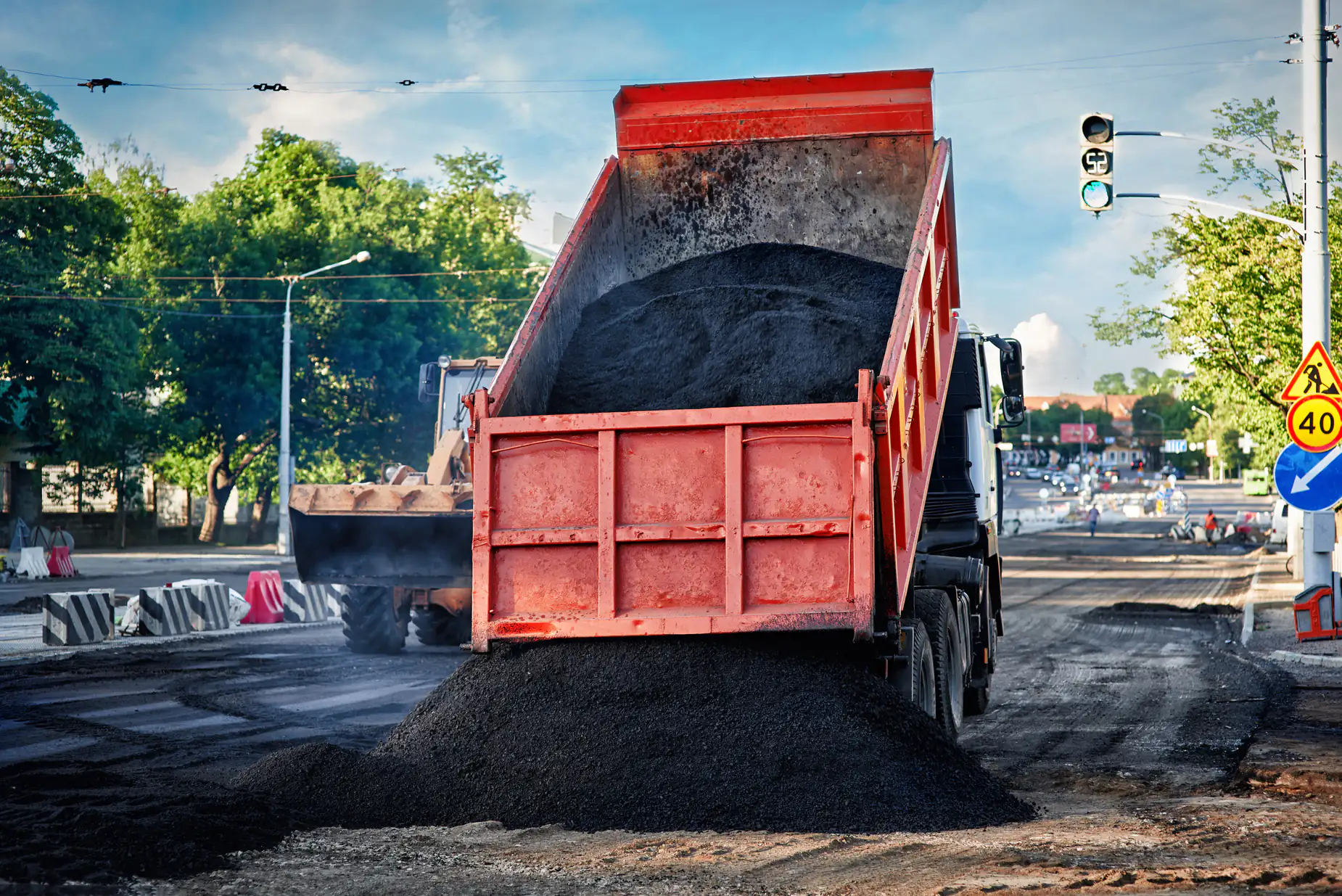
Then we apply hot mix asphalt at the proper temperature. The asphalt needs to be hot enough to compact correctly but not so hot that it damages the base or cools unevenly. We use high-grade HMA designed for northeastern climates—material that can handle Morris County’s temperature swings.
Final compaction happens immediately using steel-wheeled rollers to achieve the density the pavement needs for strength and water resistance. Once it cures, you have a surface that’s ready for New Jersey weather.
After installation, we offer sealcoating services and maintenance reminders to help you protect the investment. Sealcoating every few years fills surface cracks and extends pavement life significantly.
Ready to get started?
Whether you need a residential driveway, a commercial parking lot, or road resurfacing, the process is built around durability. You’re getting proper excavation, graded base, compacted aggregate, and professionally applied asphalt or concrete.
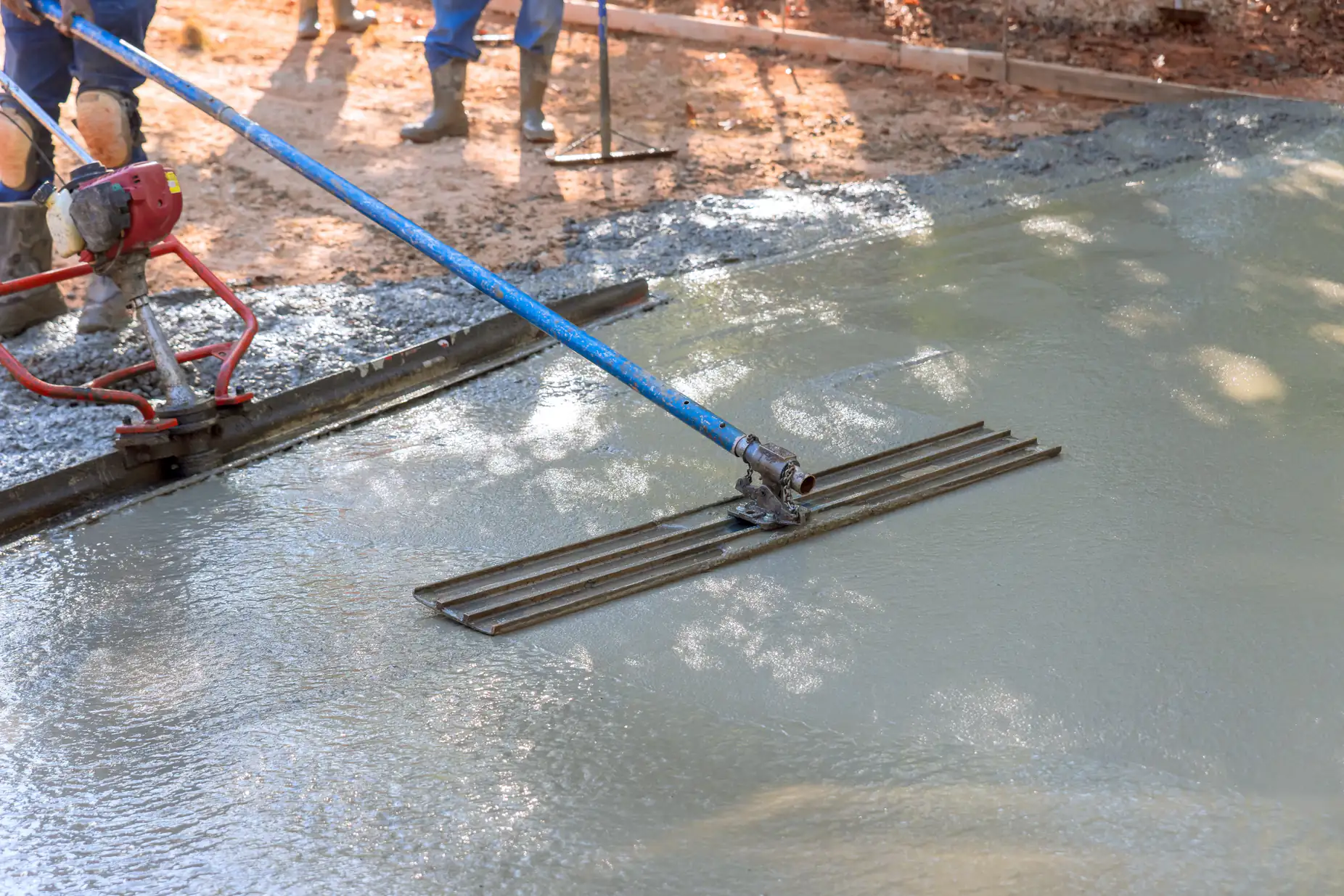
For residential driveways in Wharton, that typically means a 6-inch stone base with 2 to 3 inches of compacted asphalt on top. For commercial parking lots with heavier traffic, we increase thickness and adjust the mix design accordingly. We also handle decorative options like stamped concrete if you want something beyond standard blacktop.
Morris County homeowners deal with some of the toughest winter conditions in New Jersey. Your pavement needs to be engineered for freeze-thaw cycles, not just installed fast. We also coordinate any necessary permits with local townships so you’re not dealing with compliance issues down the road.
Pricing in New Jersey runs higher than the national average—typically $3.50 to $6 per square foot for residential asphalt—because of material costs, labor rates, and the thicker base requirements this climate demands. We provide transparent quotes upfront so you know exactly what the project costs before work begins.
A properly installed asphalt driveway in Wharton should last 15 to 20 years with regular maintenance. That lifespan depends heavily on three factors: base preparation, installation quality, and how well you maintain it.
Morris County’s freeze-thaw cycles are tough on pavement. Water seeps into small cracks, freezes, expands, and creates bigger cracks. If the base wasn’t graded correctly or the asphalt was applied too thin, you’ll see problems within the first few years.
Maintenance makes a huge difference. Sealcoating every 2 to 3 years fills surface cracks and protects the asphalt from water infiltration and UV damage. Fixing small cracks before they become potholes prevents water from reaching the base layer. Homeowners who stay on top of maintenance regularly get 20+ years from their driveways. Those who don’t often need major repairs or replacement within 10 years.
Asphalt costs less upfront—typically $3 to $7 per square foot compared to $6 to $12 for concrete. It’s also more flexible, which helps it handle freeze-thaw cycles without cracking as easily. Asphalt can be installed faster and is ready to drive on within a day or two.
Concrete lasts longer if maintained properly and offers more design options like stamped patterns and decorative finishes. But it’s more prone to cracking in cold climates because it’s rigid. Once concrete cracks, repairs are more visible and harder to blend in.
For Morris County, most homeowners choose asphalt because it performs better in winter weather and costs significantly less. If you want decorative appeal, stamped concrete works well for patios or walkways where freeze-thaw stress is lower. For driveways that see daily use and heavy winter conditions, asphalt is usually the smarter choice. We install both, so the decision comes down to your budget, aesthetic preferences, and how much maintenance you’re willing to do.
Most residential driveways in Wharton cost between $3.50 and $6 per square foot for new asphalt installation. A standard two-car driveway (around 600 square feet) typically runs $2,100 to $3,600. Larger driveways or those requiring significant excavation and grading will cost more.
New Jersey pricing runs 15 to 25 percent higher than the national average because of labor costs, material costs, and the thicker base requirements our climate demands. You need 6 to 8 inches of crushed stone base here versus 4 inches in warmer states. Skipping that extra depth saves money short-term but costs you thousands in premature failure.
Additional factors that affect cost include site access, existing pavement removal, drainage issues, and whether you’re adding features like aprons or turnarounds. We provide detailed upfront quotes that break down exactly what’s included so there are no surprises. Timing also matters—scheduling work in early spring or late fall instead of peak summer season can save you money since demand is lower.
Late spring through early fall is ideal for asphalt paving in New Jersey—typically May through October. Asphalt needs warm temperatures to cure properly. If it’s too cold, the material doesn’t compact correctly and you end up with a weaker surface.
Summer is peak season, which means higher prices and longer wait times. Early spring (April to May) and early fall (September to October) offer better availability and sometimes lower pricing. The weather is still warm enough for proper installation, but demand drops off.
Avoid paving in winter or early spring when ground temperatures are still cold and frost is coming out of the soil. Even if the air temperature is warm, cold ground prevents proper compaction and can cause settling issues later. We also avoid paving right before or during rainy periods since moisture interferes with bonding and curing. If you’re planning a project, reach out a few months ahead to lock in scheduling during the optimal window. Waiting until summer means competing with everyone else who needs paving work done.
Yes, if you want it to last. Sealcoating protects asphalt from water, UV rays, and chemicals like oil and gasoline. It fills small surface cracks before they turn into bigger problems and gives the pavement a fresh, clean appearance.
You should sealcoat a new driveway about 6 to 12 months after installation, then every 2 to 3 years after that. Waiting that first year lets the asphalt cure fully. After that, regular sealcoating extends pavement life by several years and prevents costly repairs.
In Morris County, sealcoating is especially important because of winter freeze-thaw cycles. Water that seeps into cracks freezes, expands, and breaks apart the pavement. Sealcoating creates a protective barrier that keeps water on the surface where it can drain away. The cost is minimal compared to resurfacing or replacing a deteriorated driveway. Most homeowners spend a few hundred dollars on sealcoating every few years versus thousands on major repairs. We offer sealcoating services and can set up maintenance reminders so you don’t have to track it yourself.
It depends on the extent of the damage. If you have isolated cracks or small potholes and the base is still solid, patching and sealcoating can extend the life of your driveway for several more years. If more than 30 percent of the surface is damaged or the base has failed, replacement is usually more cost-effective.
Signs you need replacement include widespread alligator cracking (interconnected cracks that look like reptile skin), large sunken areas, or standing water that indicates base failure. These problems mean the foundation is compromised, and patching is just a temporary fix.
Resurfacing is a middle option where we apply a new layer of asphalt over the existing surface. This works if the base is sound but the top layer is worn. It costs less than full replacement and adds years to the pavement’s life. We’ll assess your driveway and give you an honest recommendation. If patching makes sense, we’ll tell you. If you’re throwing money away on repairs when replacement is smarter, we’ll tell you that too. The goal is to help you make the right call for your situation and budget.