
Hear from Our Customers
A driveway that doesn’t crack after two winters. Parking lots that don’t pool water every time it rains. Surfaces that actually look good when potential buyers drive up.
Most paving problems start during installation. Thin asphalt. Poor compaction. Inadequate base prep. You don’t see the shortcuts until the damage shows up a year later, and by then, the contractor who gave you the lowest bid isn’t answering your calls.
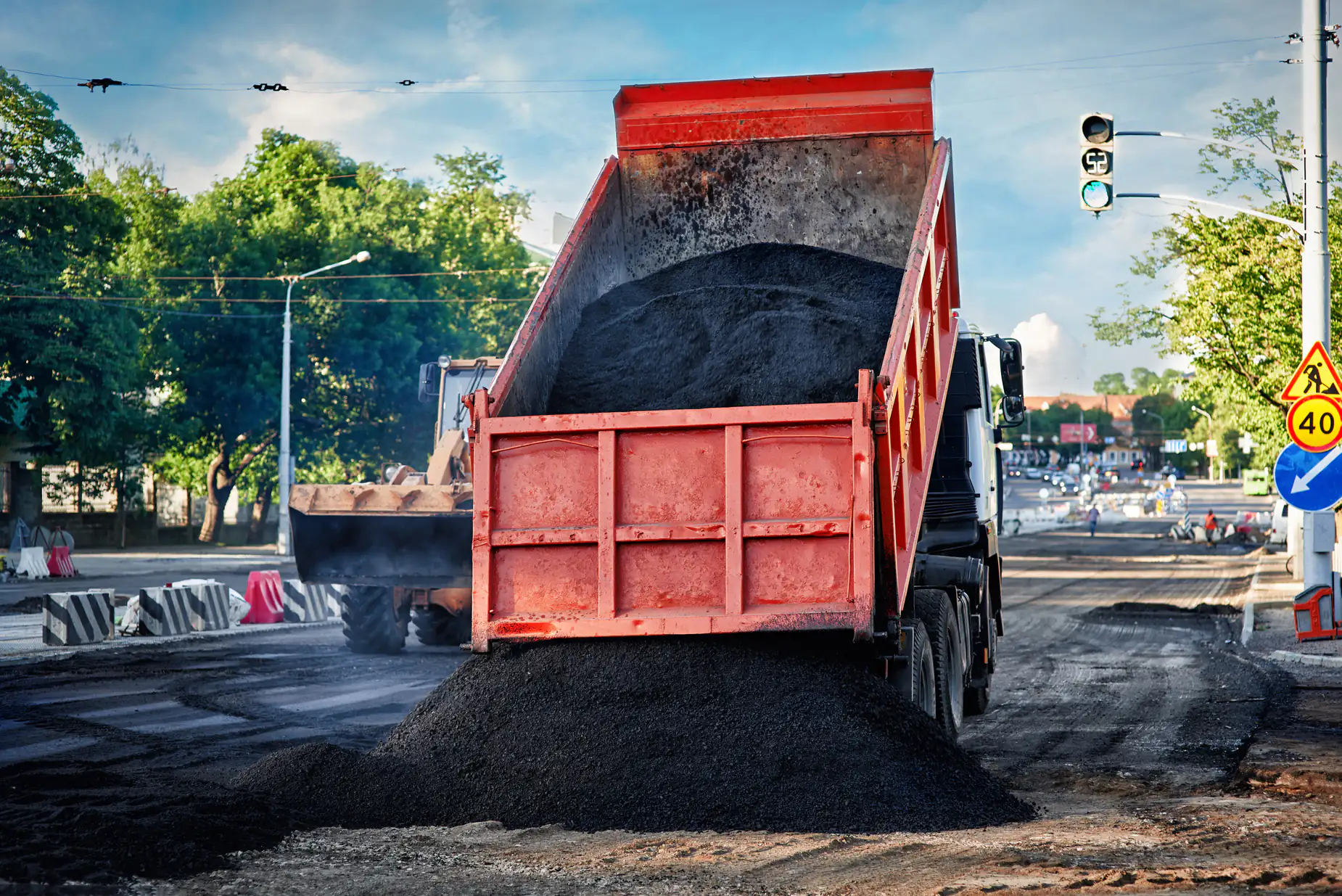
Proper asphalt work in Victory Gardens means using hot mix asphalt applied at the right temperature, compacted with heavy rollers to the correct density, over a properly graded aggregate base. It means understanding that Morris County’s temperature swings require specific mix designs. It means your driveway becomes an asset, not a liability.
When the work is done right, you’re looking at 25-30 years of service life with basic maintenance. That’s the difference between a surface and an investment.
We’re a third-generation, family-owned asphalt contractor based in Dover, serving Victory Gardens and Morris County for over 20 years. We’re BBB accredited and have completed work for more than 75 residential and commercial customers across the area.
We’re grounded in Morris County because we understand the conditions here. The soil composition. The drainage patterns. The way winter hits and what that means for your pavement six months later.
Our approach is straightforward: explain what needs to happen and why, give you clear pricing with no surprise charges, and show up when we say we will. We back our work with a 5-year warranty because we’re using the right materials and proven techniques from the start.
First, we measure and assess your site. That includes checking drainage, evaluating the existing base, and identifying any issues that’ll cause problems down the road if ignored.
Next comes excavation and base preparation. We remove old material, grade the area properly, and install a compacted aggregate base. This step determines whether your driveway lasts three years or thirty. Most failures happen because contractors skip proper base work.
Then we apply hot mix asphalt at the engineered thickness for your specific use case. Residential driveways need different specs than commercial parking lots. We use heavy rollers to achieve proper compaction and density, which prevents water infiltration and premature deterioration.
Finally, we ensure proper drainage and grading so water moves away from your foundation and doesn’t pool on the surface. Water is asphalt’s biggest enemy, and managing it correctly is non-negotiable.
The entire process typically takes 2-3 days for a residential driveway, depending on size and site conditions. You’ll know the timeline upfront.
Ready to get started?
Every project starts with a thorough site evaluation and accurate measurement. We’re looking at slope, drainage, existing damage, and what’s causing it. You get a detailed quote with clear pricing before any work begins.
Our installation includes complete excavation and removal of old materials, proper grading and compaction of the aggregate base, application of high-grade hot mix asphalt at correct temperatures, and professional compaction using heavy equipment. We also handle edging, transitions to existing surfaces, and final grading for water management.
In Victory Gardens and throughout Morris County, weather is a major factor. New Jersey’s temperature extremes mean your asphalt needs to handle both summer heat and winter freeze-thaw cycles. We adjust our mix designs and installation methods accordingly. That’s not something every paving company near you actually does.
We also offer sealcoating and maintenance services to extend the life of your asphalt. Preventive maintenance costs a fraction of replacement and can add years to your pavement’s lifespan. Most driveways should be sealed every 2-3 years after the initial cure period.
Asphalt paving in Victory Gardens typically runs between $7 and $15 per square foot, including materials and labor. That means a standard two-car driveway (around 600 square feet) usually costs between $4,200 and $9,000.
The range exists because every project is different. Factors that affect cost include the amount of excavation required, the condition of your existing base, site accessibility, drainage issues that need correction, and the thickness of asphalt needed for your specific use.
If someone quotes you significantly below market rate, ask what they’re cutting. Thinner asphalt? Smaller crew leading to seams and poor compaction? Skipping base prep? Those shortcuts cost you more in the long run when you’re repaving three years later instead of twenty. We give you upfront pricing based on what the job actually requires, not what sounds good in the moment.
Fresh asphalt is drivable within 24-48 hours, but full curing takes 6-12 months depending on weather conditions and traffic. During that first year, the asphalt continues to harden and gain strength.
For the first week, avoid parking in the same spot repeatedly and don’t turn your steering wheel while stationary. The surface is still soft and can scuff or indent under concentrated weight. After a week, you can use it normally, but heavy vehicles or dumpsters should still be avoided for the first month.
New Jersey’s climate affects curing time. Hot summer temperatures can keep the surface softer longer, while cooler fall installations cure faster. We schedule your project with weather in mind and give you specific care instructions based on when your asphalt is installed. Most importantly, don’t sealcoat new asphalt for at least 6-12 months. It needs to cure and off-gas first, or you’ll trap oils that prevent proper hardening.
Nothing. Asphalt and blacktop are the same material—the terms are used interchangeably. Both refer to a mixture of aggregate (stone and sand) bound together with asphalt cement (a petroleum product).
The confusion comes from regional language preferences. Some areas say “asphalt,” others say “blacktop,” and some use “pavement.” In New Jersey, you’ll hear all three. What matters isn’t the name but the quality of materials and installation.
When you’re comparing quotes from different asphalt companies near you, focus on specifics: What thickness are they installing? What’s the compaction method? How are they preparing the base? Are they using hot mix asphalt applied at proper temperature? Those details determine whether your driveway lasts or fails, regardless of whether the contractor calls it asphalt or blacktop.
If more than 30% of your asphalt surface shows damage, or if you have widespread alligator cracking and base failure, you’re looking at repaving. Isolated cracks, small potholes, and surface wear can usually be repaired.
Alligator cracking (interconnected cracks that look like reptile skin) indicates base failure underneath the asphalt. Patching the surface won’t fix the underlying problem. Similarly, if your driveway has multiple areas of sunken or heaved pavement, the base has failed and needs rebuilding.
On the other hand, linear cracks from normal settling, small potholes in isolated areas, and surface oxidation (faded gray color) can be addressed with crack filling, patching, and sealcoating. We’ll assess your specific situation and tell you honestly what makes sense. Sometimes spending $1,500 on repairs buys you another 5-7 years. Other times, that money is better put toward replacement because the damage is too extensive. We explain the why behind our recommendation so you can make an informed decision.
Premature cracking usually comes down to three issues: inadequate base preparation, insufficient asphalt thickness, or poor water management. Sometimes it’s all three.
If the aggregate base wasn’t properly compacted or was too thin, the asphalt above it will flex and crack as the base shifts. If the asphalt itself is too thin (some contractors install 1.5 inches when 3 inches is needed), it can’t handle the stress and temperature changes. And if water isn’t draining away from the surface, it infiltrates through small cracks, freezes in winter, expands, and creates bigger cracks.
Morris County’s freeze-thaw cycles accelerate this process. Water gets into small cracks, freezes, expands, and makes the crack larger. This repeats every winter until you have significant damage. That’s why proper installation matters from day one. Once the base fails or water infiltration begins, repairs become temporary fixes. The only real solution is removal and proper reinstallation with correct base prep, adequate thickness, and proper drainage.
Yes. Sealcoating protects your asphalt from oxidation, UV damage, water infiltration, and chemical spills like oil and gas. It should be applied every 2-3 years after your asphalt has fully cured.
New asphalt shouldn’t be sealed for at least 6-12 months. It needs time to cure and release oils. Sealing too early traps those oils and prevents proper hardening. After that initial cure period, regular sealcoating extends your pavement’s life significantly.
The process involves cleaning the surface thoroughly, filling cracks, and applying two coats of commercial-grade sealer. It takes about a day for residential driveways, and you can usually drive on it within 24-48 hours depending on weather. Sealcoating costs a fraction of repaving and can add 5-10 years to your asphalt’s lifespan. It’s one of the most cost-effective maintenance steps you can take, especially given how harsh New Jersey winters are on pavement.