
Hear from Our Customers
When your driveway or parking lot is installed correctly the first time, you’re looking at 15 to 20 years of performance instead of cracks showing up after three winters. That’s the difference between a paving company that understands Morris County soil conditions and one that doesn’t.
The right base preparation matters. The asphalt mix temperature during application matters. Compaction technique matters. These aren’t details you should have to worry about, but they’re exactly what separates a surface that holds up from one that doesn’t.
You get fewer repair calls, better drainage, safer surfaces for your family or customers, and an investment that actually protects your property value. That’s what happens when the work is done right from the start.
We’ve been handling residential and commercial asphalt projects throughout Morris County for over 20 years. We’re not new to Landing’s clay soil challenges or the permit requirements that trip up contractors from outside the area.
Our crews understand how North Jersey weather affects asphalt performance. We know when to pour and when to wait. We know which mix designs hold up to your specific conditions and which ones fail early.
You’re working with a local team that’s seen what works and what doesn’t across hundreds of driveways, parking lots, and roadways in this region. That experience shows up in how long your pavement lasts and how few problems you deal with after we’re done.
You request a quote online, and we call you back within 24 to 48 hours to discuss your project specifics. No runaround, no pressure—just a conversation about what you need and what it takes to do it right.
Once we’re on site, we assess your base conditions, drainage patterns, and any prep work required before asphalt goes down. Poor base preparation is the number one reason driveways fail early, so we don’t skip this step.
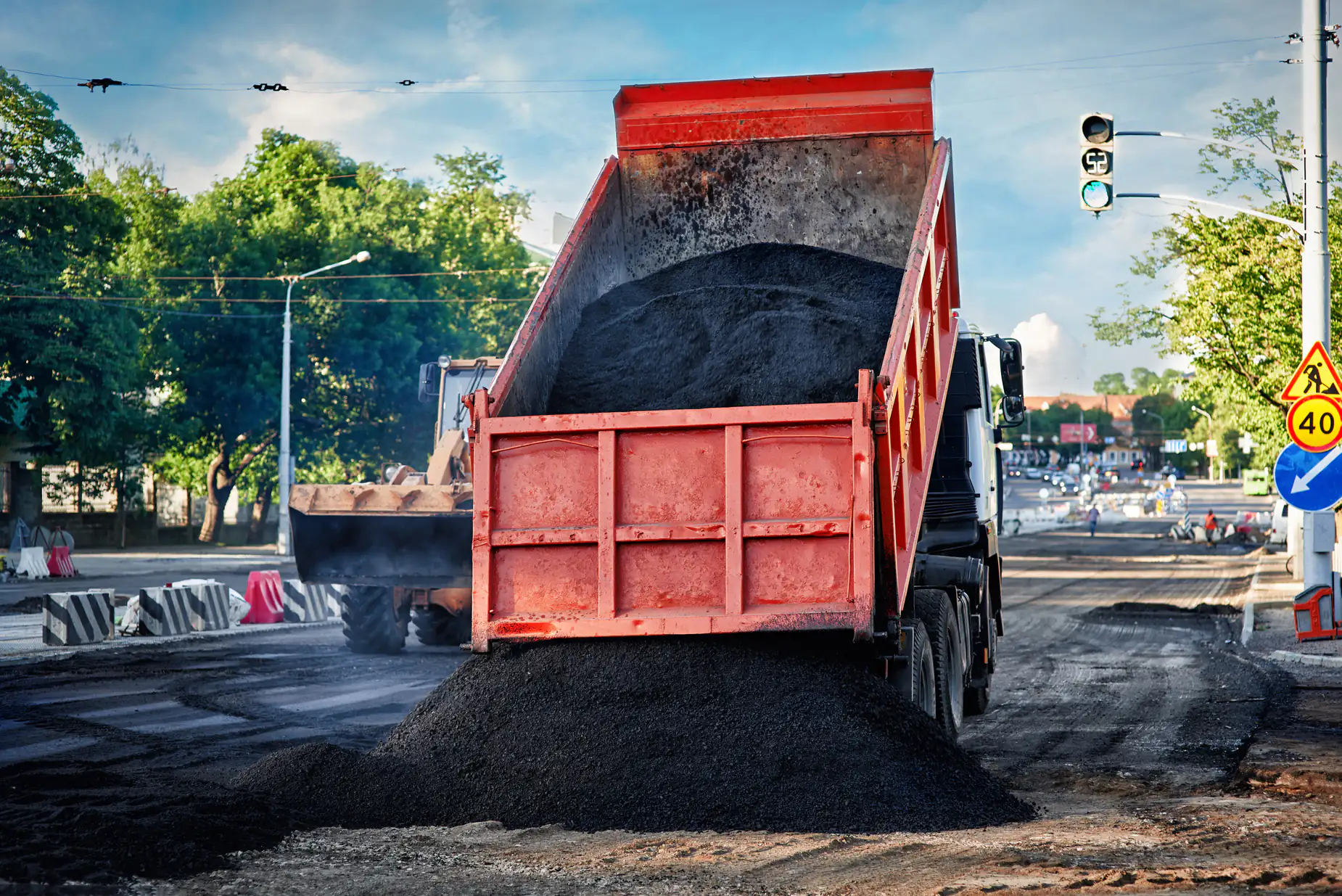
We schedule your project during optimal weather conditions—typically between June and early October when temperatures support proper curing. Our crew preps the site, applies high-grade hot mix asphalt at the correct temperature, and compacts it properly while it’s still workable.
After installation, you’ll know exactly when you can drive on it and what to expect during the curing process. We don’t disappear after the job. If you have questions or concerns, you can reach us.
Ready to get started?
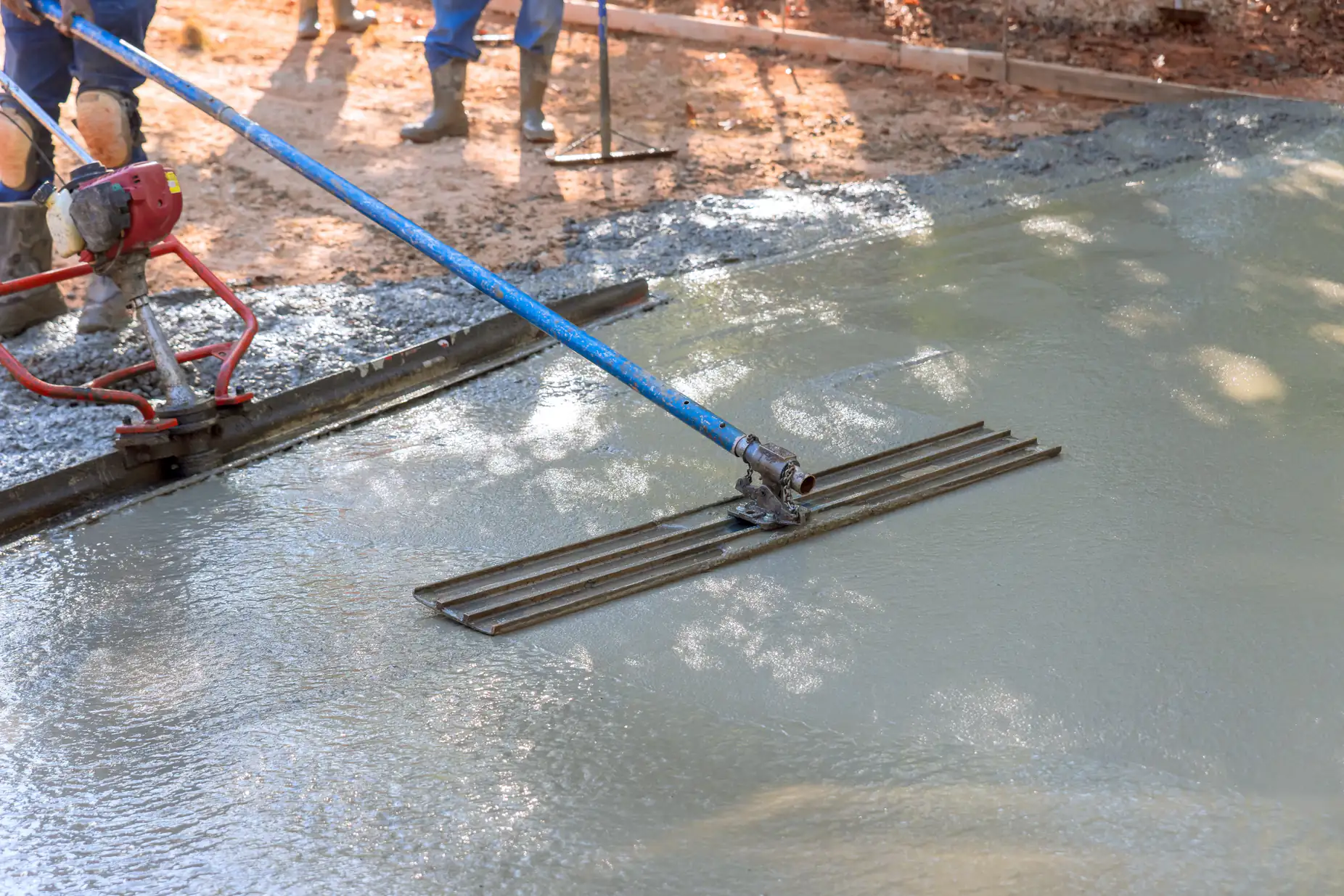
Every project starts with proper site preparation—grading, base material, and compaction that meets the load requirements for your specific use. Whether it’s a residential driveway or a commercial parking lot, the foundation work doesn’t change. It has to be right.
We use high-grade hot mix asphalt applied at temperatures that allow proper compaction and bonding. In Morris County, that means adjusting our approach based on seasonal conditions and daily weather. A crew that doesn’t account for ambient temperature and humidity will give you a surface that underperforms.
You also get transparent pricing with no surprise charges, written estimates that break down every component of the work, and scheduling that respects your timeline. For commercial projects, we coordinate to minimize disruption to your operations.
Our service area covers Morris County communities like Landing, where we’ve completed projects ranging from single-family driveways to multi-unit parking areas. We’re licensed, insured, and equipped to handle the permitting process if your project requires it.
A properly installed asphalt driveway in Morris County should give you 15 to 20 years of solid performance. That lifespan depends entirely on three things: base preparation, installation quality, and how well you maintain it.
New Jersey weather is tough on pavement. Freeze-thaw cycles, heavy rain, and temperature swings put stress on asphalt that doesn’t exist in milder climates. If your contractor cuts corners on base depth or compaction, you’ll see depressions and cracks within a few years.
Sealcoating every few years and addressing small cracks early can push your driveway past the 20-year mark. Ignoring maintenance won’t destroy it overnight, but water infiltration speeds up deterioration significantly. The better the install, the less maintenance you’ll need and the longer it lasts.
June through early October gives you the best conditions for asphalt paving in Morris County. You need consistent temperatures above 50°F, ideally in the 70s and 80s, for the asphalt to cure properly and compact correctly.
Late spring can be tricky because of unpredictable rain and cooler overnight temps. By June, the ground is warm and stable. Summer is peak season for a reason—the asphalt stays workable longer, which means better compaction and a smoother finish.
September and early October are actually ideal if you missed the summer window. The humidity drops, temperatures are still warm enough for proper curing, and crews have more availability. Once you hit late October, nighttime temps can dip too low and compromise the quality of the work. If a contractor tells you they can pave in November or December in New Jersey, that’s a red flag.
Ask for proof of both before you sign anything. Every asphalt paving contractor working in Morris County needs to carry liability insurance and workers’ compensation coverage. If they don’t, you’re on the hook if someone gets hurt on your property.
Some contractors offer lower prices because they’re skipping insurance costs. That savings disappears fast if an accident happens and your homeowners policy has to cover it. Your premiums can double or triple for years.
A legitimate contractor will provide you with a certificate of insurance without hesitation. You can also verify their business license through local township offices. If they dodge the question or promise to send documentation later, walk away. Licensed and insured isn’t a premium feature—it’s the baseline for doing business legally.
Depressions happen when the base wasn’t compacted properly before the asphalt went down. If the ground underneath isn’t stable and dense, it settles unevenly under the weight of vehicles. The asphalt follows that settlement, and you get low spots where water pools.
Once water starts collecting in a depression, it accelerates the damage. Freeze-thaw cycles make it worse. The water seeps into small cracks, freezes, expands, and breaks down the pavement structure. What starts as a minor dip becomes a pothole.
Fixing depressions isn’t as simple as throwing more asphalt on top. You need to address the base issue, or the problem comes back. A qualified paving contractor in Landing will spend time on base prep specifically to avoid this. If someone’s rushing through that step to save time, you’ll pay for it later in repairs.
Asphalt costs less upfront and handles freeze-thaw cycles better than concrete, which is why it’s more common in New Jersey. Concrete cracks more easily when water gets in and freezes. Asphalt flexes slightly, so it tolerates ground movement and temperature changes without breaking apart.
Concrete lasts longer if it’s maintained well—up to 30 years compared to asphalt’s 15 to 20. But that longevity comes with a higher initial cost and more expensive repairs when cracks do appear. Asphalt repairs are simpler and cheaper.
For Morris County properties, asphalt makes sense for most residential driveways. It performs well in our climate, it’s cost-effective, and maintenance is straightforward. Concrete works better for decorative applications or areas where you want a specific aesthetic. Both materials require proper installation to hit their expected lifespan, so contractor quality matters more than the material itself.
You can typically drive on new asphalt within 24 to 48 hours, but full curing takes longer—usually several months. During that curing period, the asphalt is still hardening, so you need to be careful with heavy loads and sharp turns.
For the first week, avoid parking in the same spot repeatedly and don’t turn your steering wheel while the vehicle is stationary. Those actions can leave marks or depressions in asphalt that’s still curing. The hotter the weather, the softer the surface, so be extra cautious during summer.
After a few months, the asphalt reaches full strength and you can use it normally. Your contractor should give you specific guidance based on the weather conditions during your install and the thickness of the asphalt layer. If they don’t mention curing time or care instructions, that’s a sign they’re not thinking about long-term performance.