
Hear from Our Customers
You’re tired of watching cracks spread across your driveway every spring. Tired of patch jobs that last maybe a season before the same problems come back. That’s what happens when the base wasn’t done right in the first place.
Proper asphalt paving means you stop worrying about water pooling near your foundation. You stop feeling embarrassed when guests pull up to a cracked, deteriorating surface. Most importantly, you stop paying for the same repairs over and over.
When the base is excavated to the right depth, graded for proper drainage, and compacted until it’s solid, your pavement handles freeze-thaw cycles without turning into a mess. That’s the difference between a driveway that lasts decades and one that needs work every few years.
We work throughout Morris County and the surrounding areas, including North Plainfield. We’re licensed and insured, which matters when you’re investing thousands in your property.
Being local means accountability. We live and work here, so if something goes wrong, you know where to find us. That’s different from crews that show up with a truck and disappear when problems surface.
We’ve handled residential driveways and commercial parking lots across North Plainfield long enough to know what works in this climate. North Jersey gets some of the highest freeze-thaw cycles in the entire state. That puts extra stress on pavement all winter long, which is why proper installation matters from day one.
First, we come out to look at your property. Not just measure it, but check drainage patterns and soil conditions. That tells us how deep to excavate and where water needs to go.
Then we excavate to the right depth and grade everything for proper slope. Water has to run off, not pool. We compact the base until it’s solid, no shortcuts. This is where most contractors cut corners, and it’s why their work fails.
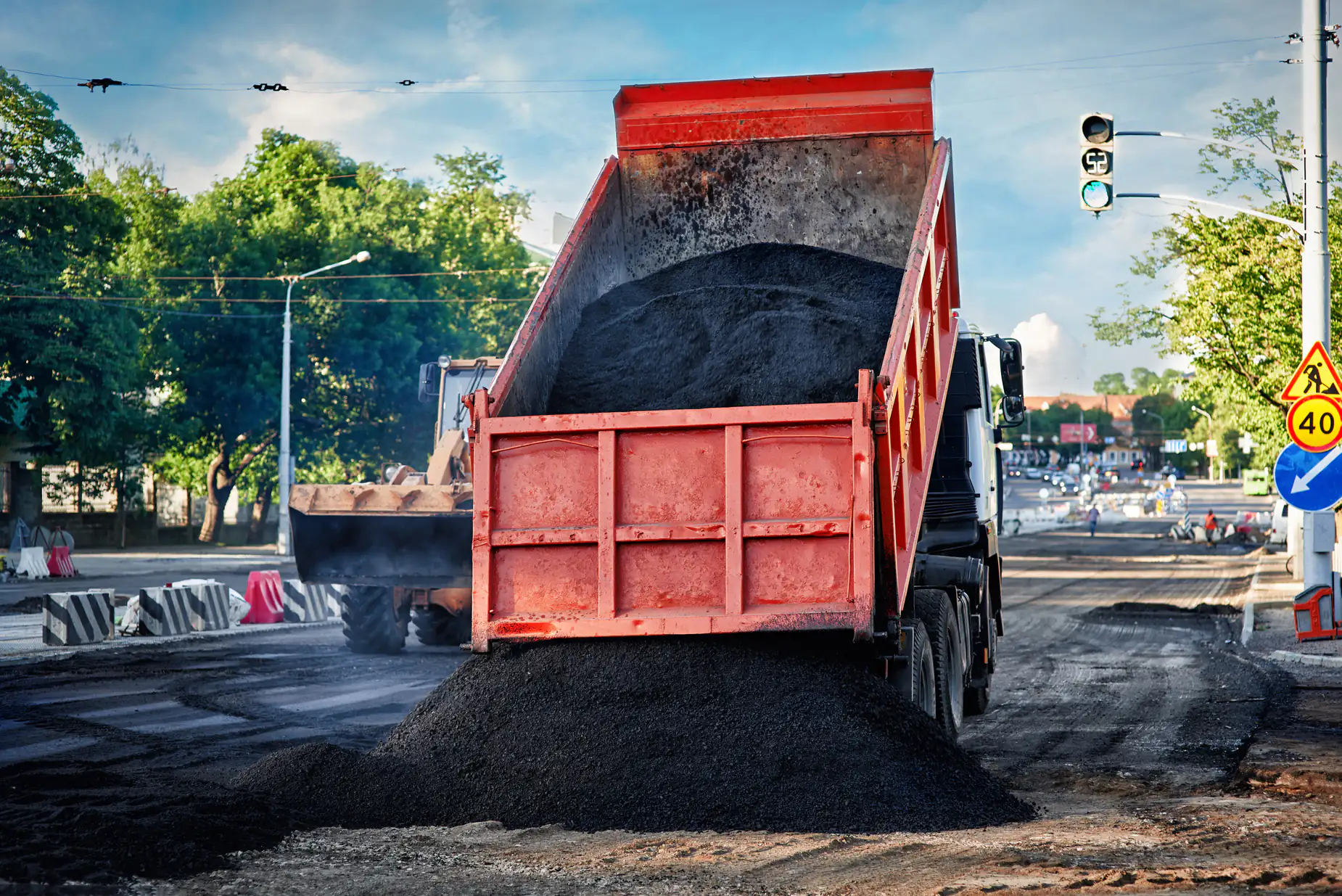
Once the base is ready, we lay hot mix asphalt at the right temperature. Material needs to be hot enough to compact properly. We use the right equipment, not stretching materials or rushing the job.
Most residential driveways in North Plainfield take one to three days depending on size and complexity. Commercial projects take longer, but we’ll give you a realistic timeline upfront. When we’re done, we walk you through maintenance so you know how to protect your investment.
Ready to get started?
Every driveway project includes proper excavation, base preparation, and grading for drainage. We handle permits when required and coordinate with utility companies if there are lines in the work area.
For commercial parking lots, we factor in traffic patterns and ADA compliance. Businesses need professional-looking surfaces that handle customer traffic safely. That means proper striping, adequate drainage, and asphalt thick enough for the load.
North Plainfield’s climate demands specific attention to drainage. Multiple freeze-thaw cycles each winter mean water that gets below the surface will expand, crack, and cause damage. We build every inch with proper slope so water moves off the surface instead of seeping down.
You’ll get a detailed written estimate breaking down all costs. No hidden fees or surprise charges. We show up when scheduled, complete projects on time, and stand behind our work. You’re not just getting asphalt, you’re getting pavement built to last in New Jersey weather.
A properly installed asphalt driveway in North Plainfield typically lasts twenty to thirty years with basic maintenance. That assumes the base was done right and you’re sealing it every few years.
The key word is “properly installed.” If the contractor skipped proper excavation or didn’t compact the base, you’ll see problems within five years. Cracks, settling, drainage issues. Those aren’t normal wear and tear, they’re installation failures.
North Plainfield’s freeze-thaw cycles are tough on pavement. Water gets into small cracks, freezes, expands, and makes those cracks bigger. That’s why proper drainage matters so much. If water can’t pool on the surface, it can’t seep down and cause damage. A well-built driveway with good drainage handles our winters without major issues.
Nothing. Asphalt and blacktop are the same material, just different terms. Both refer to hot mix asphalt, which is aggregate mixed with liquid asphalt cement.
Some people use “blacktop” for driveways and “asphalt” for roads, but there’s no technical difference. The material is identical. What matters is the quality of the mix and how it’s installed.
For residential driveways in North Plainfield, you want hot mix designed for residential applications. That means the right aggregate size and asphalt content for the job. Commercial parking lots might use a different mix designed for heavier loads, but the base material is still hot mix asphalt. Don’t let terminology confuse you. Focus on whether the contractor is using quality material and installing it correctly.
Most residential driveways in North Plainfield run between five thousand and fifteen thousand dollars, depending on size and complexity. A standard two-car driveway is usually in the eight to twelve thousand range.
That price includes excavation, base prep, grading, and asphalt installation. If you need significant drainage work or there are utility lines to work around, costs go up. If the existing base is in good shape and just needs new asphalt on top, costs go down.
Be skeptical of quotes that seem too good to be true. If someone’s significantly cheaper than everyone else, they’re cutting corners somewhere. Usually it’s base prep, which means you’ll pay for it later in repairs. Get detailed written estimates that break down what’s included. Compare apples to apples, not just bottom-line numbers.
Late spring through early fall is ideal for asphalt installation in North Plainfield. You need temperatures consistently above fifty degrees, and the ground can’t be frozen or saturated.
Asphalt needs to be laid hot and compacted properly. Cold weather makes that harder. The material cools too fast, which affects compaction. You can technically pave in cooler weather, but conditions have to be right and the contractor needs to adjust their process.
By spring, paving contractors are already booking up. Businesses that waited until the last minute face longer wait times. If you’re planning a project, get on our schedule early. That gives you more flexibility on timing and ensures the work gets done during optimal weather. Don’t wait until you see your neighbors getting their driveways done to start making calls.
It depends on the scope of work. If you’re repaving an existing driveway in the same footprint, you usually don’t need a permit in North Plainfield. If you’re expanding the driveway or changing drainage patterns, you probably do.
Local regulations vary, and there might be additional requirements if you’re near wetlands or if the work affects stormwater runoff. We know the local requirements and handle permit applications if needed.
Don’t skip this step. Unpermitted work can cause problems when you sell your property. Inspectors might flag it, and you’ll be stuck either getting retroactive permits or tearing out the work. We’ll tell you upfront if permits are required and factor that into the timeline. If someone tells you not to worry about permits when you clearly need them, that’s a red flag.
Seal coating every two to three years is the most important maintenance task. Sealant protects asphalt from UV damage, water penetration, and chemicals like oil and gas. It’s basically sunscreen for your driveway.
Fill cracks as soon as you notice them. Small cracks turn into big cracks when water gets in and freezes. A tube of crack filler costs a few dollars and takes minutes to apply. Ignoring it costs thousands in repairs later.
Keep the surface clean. Sweep off debris, remove oil stains promptly, and don’t let water pool anywhere. In winter, use calcium chloride ice melt instead of rock salt, which is harder on asphalt. Avoid parking heavy equipment or dumpsters in the same spot for extended periods. Following these basics means your driveway in North Plainfield will look good and last decades.