
Hear from Our Customers
You’re tired of watching your driveway deteriorate every winter. Water seeps into cracks, freezes, expands, and turns small problems into expensive disasters. That cycle doesn’t stop until someone installs it right the first time.
Proper asphalt work means engineered drainage, the right base materials, and hot mix asphalt applied at the correct temperature. When that happens, you get a surface that sheds water instead of trapping it. Your driveway stops being a maintenance headache and starts being what it should be—a smooth, reliable surface that handles daily use and seasonal extremes.
The difference shows up in year five, year ten, and year fifteen. While neighbors are calling for repairs, your driveway is still performing. That’s what happens when the installation is done with North Jersey’s climate in mind from the start.
We’ve been handling residential and commercial asphalt projects across Morris, Essex, and Somerset counties for over four decades. We’re not new to Watsessing’s soil conditions, drainage challenges, or the freeze-thaw punishment that defines this region.
Every project gets supervised from start to finish. No subcontractors showing up unsupervised. No disappearing after deposit. You get a callback within 24 to 48 hours when you request a quote, and the work gets completed on the timeline we agree to.
We’ve paved driveways in East Orange, parking lots in Morristown, and commercial surfaces in Dover. The projects change, but our approach doesn’t—proper site prep, quality materials, and installation methods that account for what North Jersey weather will throw at it.
First, we assess your site’s drainage. Water is the enemy of asphalt longevity, so we identify where it flows and engineer grading that moves it away from the surface. If your property has poor drainage, we address it before any asphalt goes down.
Next comes base preparation. We excavate to the proper depth, compact a crushed stone base, and ensure it’s level and stable. This foundation determines how well your asphalt performs under load and through seasonal changes. Skipping this step is how driveways fail in three years instead of lasting twenty.
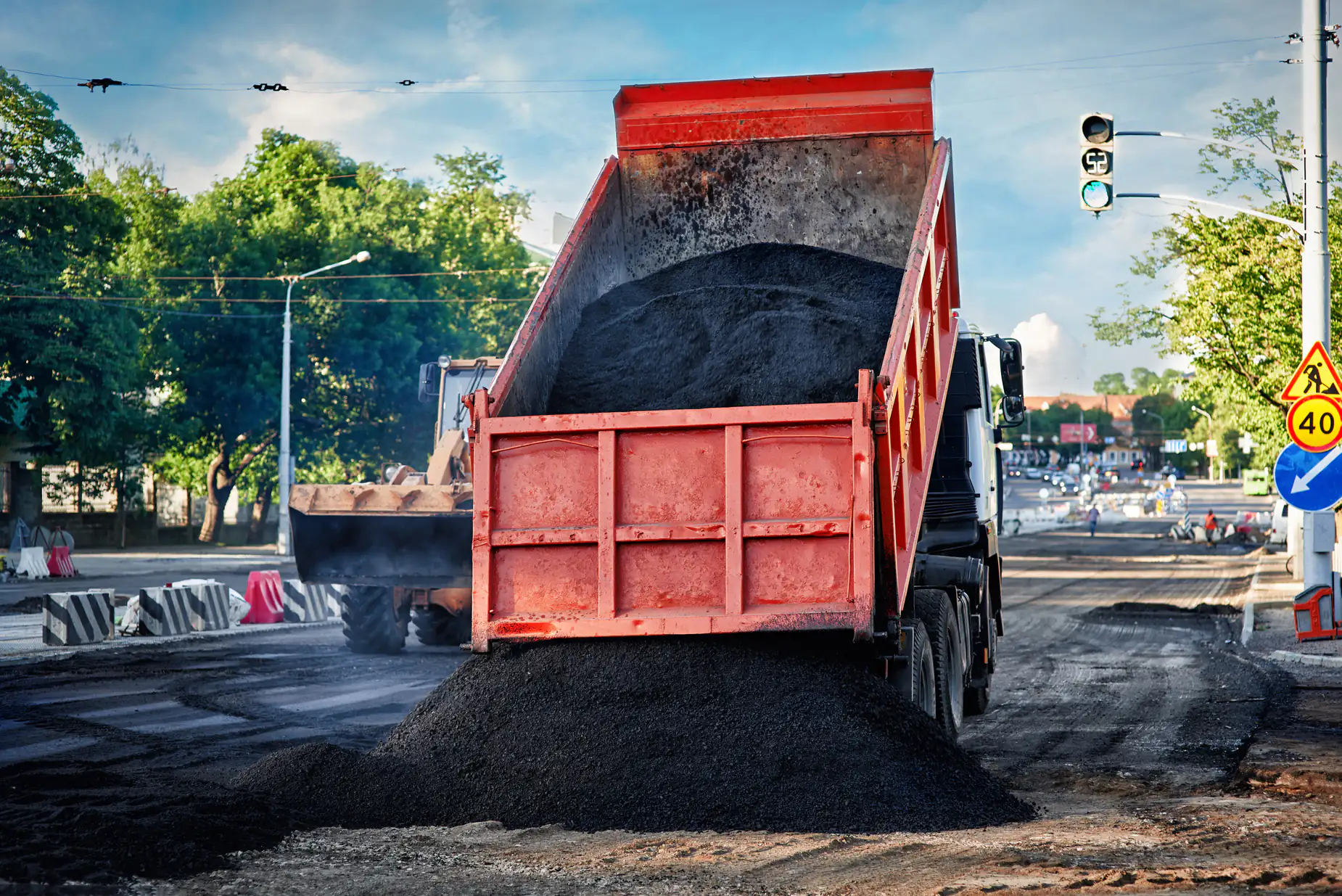
Then we apply hot mix asphalt at the right temperature—usually between 275 and 300 degrees. Too cool and it won’t compact properly. Too hot and it can become unstable. We use commercial-grade equipment to lay it evenly and compact it to the correct density. The result is a surface that’s ready for vehicle traffic in one to two days and built to handle North Jersey’s 40% higher freeze-thaw cycle rate compared to other regions.
Ready to get started?
You get transparent pricing before work starts. No surprise charges for “unforeseen issues” that should have been identified during the estimate. The quote covers site prep, materials, labor, and cleanup.
You get high-grade hot mix asphalt designed for commercial and residential use. This isn’t bargain-bin material that breaks down in five years. It’s engineered to withstand the expansion pressure that happens when water freezes—about 30,000 psi, which is enough to crack inferior surfaces.
For commercial projects, we handle everything from parking lot layout to striping and ADA-compliant markings. For residential work, that means driveways graded for proper water runoff and edges that won’t crumble under tire pressure. We also offer sealcoating services to extend your asphalt’s lifespan once it’s cured, typically recommended every two to three years depending on traffic and exposure.
Watsessing sits in an area where soil conditions vary and drainage can be tricky. We’ve worked enough properties in Essex County to know what to expect and how to adjust our approach based on your specific site. That local knowledge prevents the kind of failures that happen when out-of-area contractors guess their way through installation.
A properly installed asphalt driveway in Watsessing should last 15 to 20 years, sometimes longer with regular maintenance. The key factors are installation quality and how well you maintain it after the fact.
North Jersey’s freeze-thaw cycles are aggressive. Water gets into small cracks, freezes, expands, and creates bigger cracks. If your driveway wasn’t installed with proper drainage and a solid base, that process accelerates and you’ll see failure in under ten years. But when the base is compacted correctly, the asphalt is applied at the right temperature, and water is directed away from the surface, you’re looking at two decades of reliable use.
Sealcoating every two to three years adds another layer of protection. It fills surface voids, prevents water penetration, and protects against UV damage and chemical spills like oil or gasoline. Skipping sealcoating can reduce your driveway’s lifespan by 20 to 30 percent. It’s a small investment that makes a big difference in how long your asphalt holds up.
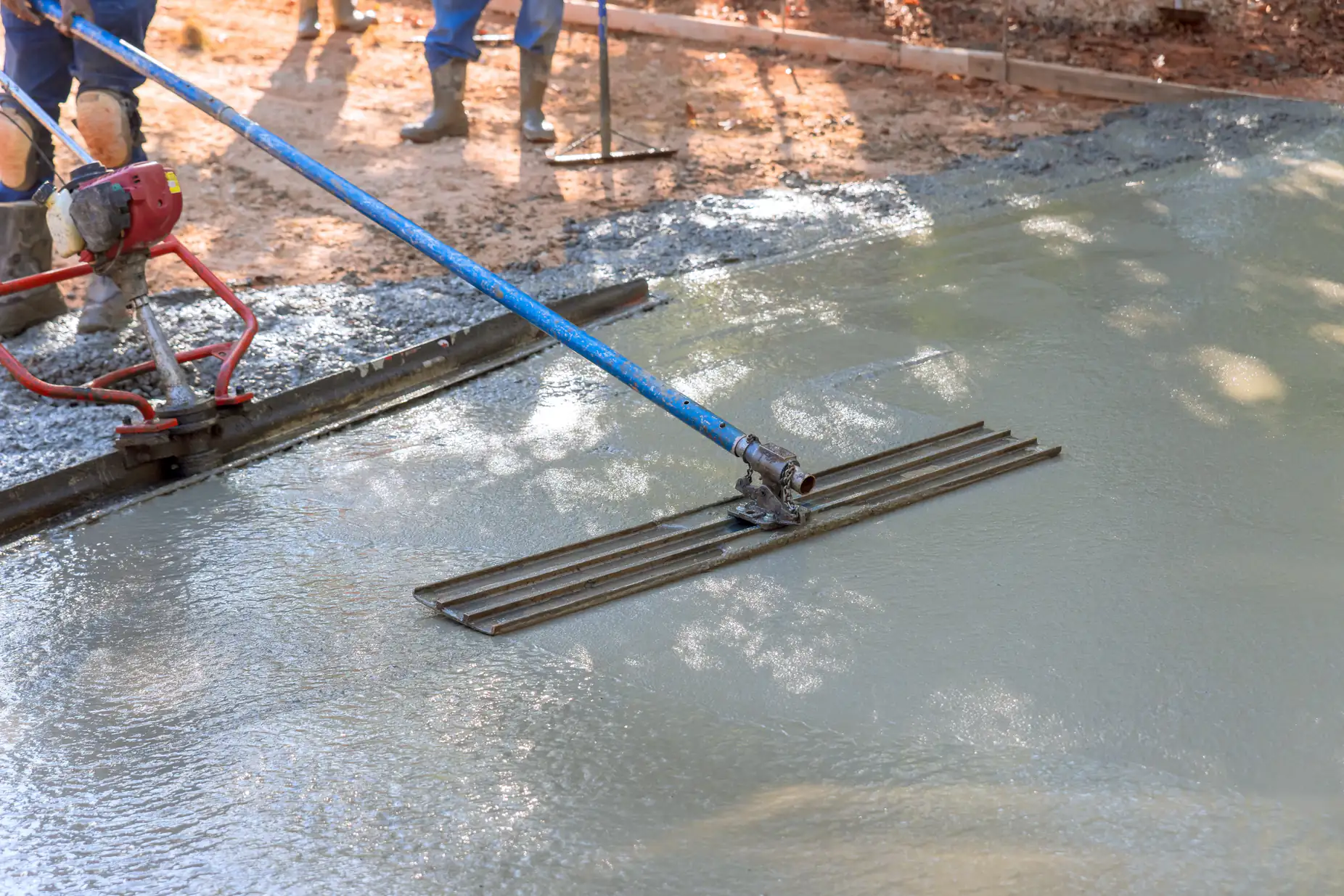
Asphalt costs 30 to 40 percent less than concrete and performs better in freeze-thaw conditions, which makes it the smarter choice for most North Jersey properties. Concrete runs $8 to $12 per square foot installed, while asphalt typically costs $3 to $7 per square foot depending on site conditions and project size.
Asphalt is flexible, so it can handle the ground movement that happens during freeze-thaw cycles without cracking as easily as concrete. Concrete is rigid, and when the ground shifts, it cracks. Repairs are also simpler with asphalt—you can patch and sealcoat problem areas. With concrete, cracks often mean replacing entire sections.
Asphalt is ready for use in one to two days. Concrete needs seven days to cure before you can drive on it. If you’re trying to minimize downtime or disruption, asphalt wins. The tradeoff is maintenance—asphalt needs sealcoating every few years, while concrete requires less frequent attention. But given the cost difference and performance in this climate, asphalt makes more sense for most residential and commercial applications in Watsessing and surrounding areas.
Residential asphalt driveways in Watsessing typically cost between $3 and $7 per square foot installed. A standard two-car driveway of about 600 square feet runs $1,800 to $4,200 depending on site conditions, base work required, and thickness of the asphalt layer.
Commercial parking lot paving costs vary more widely based on size, traffic load requirements, and site prep needs. Larger projects benefit from economies of scale, but if your site has drainage issues or requires significant excavation and base work, costs increase. We provide detailed quotes that break down what you’re paying for so there’s no confusion about where your money goes.
Material costs have increased over the past few years—asphalt cement went from $299 per ton in 2016 to $460 per ton in 2021, and prices have remained elevated. That affects everyone in the industry. What separates contractors is how efficiently they work and whether they’re installing it right the first time. Cheap installations that fail in five years end up costing more than quality work that lasts twenty. We focus on the latter because it’s better for you and better for our reputation.
Drainage is the single biggest factor in whether your asphalt lasts 20 years or fails in five. Water is asphalt’s primary enemy. When water sits on or under your driveway, it weakens the base, seeps into cracks, and creates the conditions for freeze-thaw damage.
Here’s what happens: water infiltrates small surface cracks or weak spots in the base. When temperatures drop below freezing, that water expands by about 10 percent and exerts roughly 30,000 psi of pressure. That’s enough force to turn hairline cracks into potholes. Poor drainage accelerates this cycle because water never leaves—it just sits there waiting for the next freeze.
Proper drainage means grading your driveway so water flows away from the surface and doesn’t pool. It also means ensuring the base layer is stable and compacted so water doesn’t collect underneath. We evaluate drainage during every estimate because fixing it after installation is expensive and disruptive. Getting it right from the start prevents the majority of premature asphalt failures we see across Morris and Essex counties.
It depends on the extent of the damage and the condition of the base. If you have isolated cracks or small potholes and the base is still solid, repairs and resurfacing can extend your driveway’s life by several years. If the base has failed or you have widespread cracking and settling, replacement is usually the better investment.
We assess the base by looking at how the surface has failed. Alligator cracking—those interconnected cracks that look like reptile skin—usually indicates base failure. At that point, patching the surface is a temporary fix that won’t last. You’re better off removing the failed asphalt, addressing the base issues, and installing new asphalt properly.
For driveways with minor surface damage, we can mill off the top layer, make necessary repairs, and apply a new layer of asphalt. This costs less than full replacement and works well when the underlying structure is sound. We’ll tell you honestly which approach makes sense for your situation. There’s no benefit to us recommending replacement if repair will give you another five to ten years of good performance.
You can typically drive on new asphalt within 24 to 48 hours after installation, but full curing takes several months. The asphalt is firm enough for vehicle traffic after a day or two, but it continues to harden and gain strength over time as it cures.
During the first few weeks, avoid parking in the same spot repeatedly, especially in hot weather. The asphalt is still somewhat pliable, and concentrated weight can create depressions. Power steering while stationary can also leave marks. After about 30 days, the surface is stable enough that normal use won’t cause issues.
Full curing—where the asphalt reaches maximum hardness—takes six to twelve months depending on weather conditions and traffic. You don’t need to baby it during this time, but being mindful of heavy concentrated loads helps. We recommend waiting at least 90 days before sealcoating. Sealcoating too early traps volatiles that need to escape during the curing process. Once it’s fully cured and sealed, your driveway is ready to handle everything North Jersey weather throws at it for the next 15 to 20 years.