
Hear from Our Customers
A driveway or parking lot that makes it through multiple Morris County winters without turning into a pothole minefield. That’s what happens when the foundation is graded correctly, the base is compacted properly, and the asphalt is applied at the right temperature with the right mix.
You’re not dealing with spring cracks that zigzag across your driveway because water got underneath and froze. You’re not watching your property value drop because the entrance looks like a disaster zone. And you’re not paying for a full replacement in three years because someone cut corners on the prep work.
The difference isn’t just in the materials. It’s in understanding that Morris County doesn’t get sustained cold—it gets constant freeze-thaw cycles that destroy improperly installed pavement. When the work is done right, your asphalt expands and contracts without cracking apart. When it’s done wrong, you’re looking at expensive repairs before you’ve even finished paying off the original job.
We’ve spent over two decades working in Morris, Sussex, and Somerset Counties. We’re not new to how Parsippany weather treats pavement, and we’re not learning on your property.
We’re a family-owned operation that responds to quote requests within 24 to 48 hours, shows up when we say we will, and prices the job upfront without surprise charges later. We’re BBB accredited, fully insured under New Jersey’s 2024 bonding requirements, and we use the same high-grade hot mix asphalt and professional equipment on every job—whether it’s a residential driveway in Parsippany or a commercial parking lot in Morristown.
What we don’t do is rush the foundation work to get to the paving faster. That’s where most asphalt jobs fail, and that’s where we spend the most time.
First, we handle the foundation. That means grading the site for proper drainage so water moves away from the pavement instead of pooling underneath it. Then we lay and compact a robust aggregate base—this is what supports the asphalt and prevents it from sinking or shifting when the ground freezes and thaws.
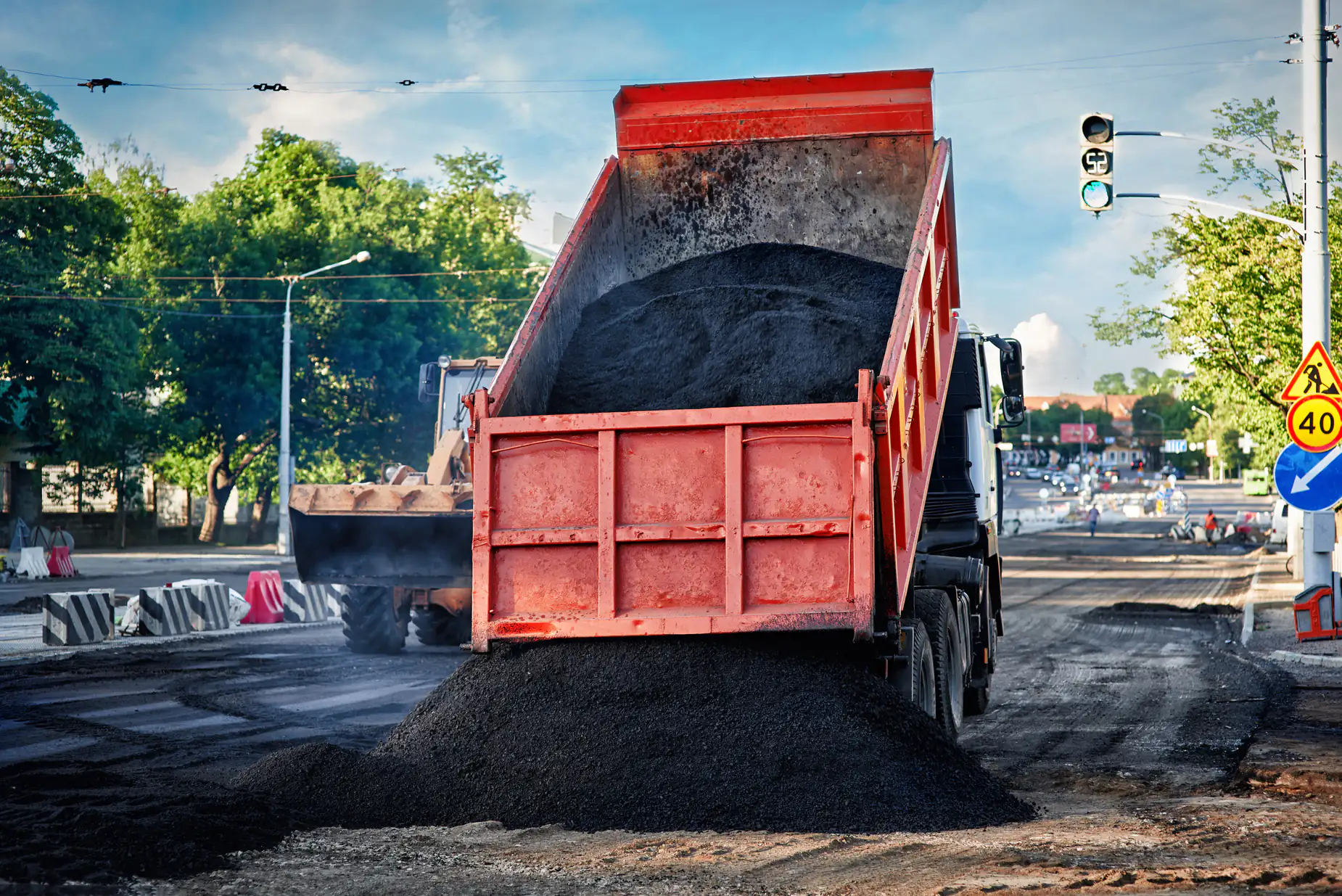
Next comes the asphalt itself. We use high-grade hot mix asphalt applied at the correct temperature, which creates a dense, resilient surface that can handle Morris County’s weather cycles. The mix matters, the temperature matters, and the compaction matters. Miss any of those, and you’re setting up for premature failure.
After the asphalt cures, we can add sealcoating for extra protection or move into decorative options if you’re looking at stamped concrete for patios or walkways. But the core of the job—the part that determines whether your driveway lasts five years or twenty—happens before the asphalt ever goes down. That’s where experience separates a smooth surface from a durable one.
Ready to get started?
You’re getting a full-spectrum asphalt service—driveways, parking lots, roadways, and repairs. We handle residential and commercial projects across Parsippany, Morristown, Dover, Madison, and the surrounding Morris County area. That includes new installations, resurfacing, pothole repair, and sealcoating to extend the life of existing pavement.
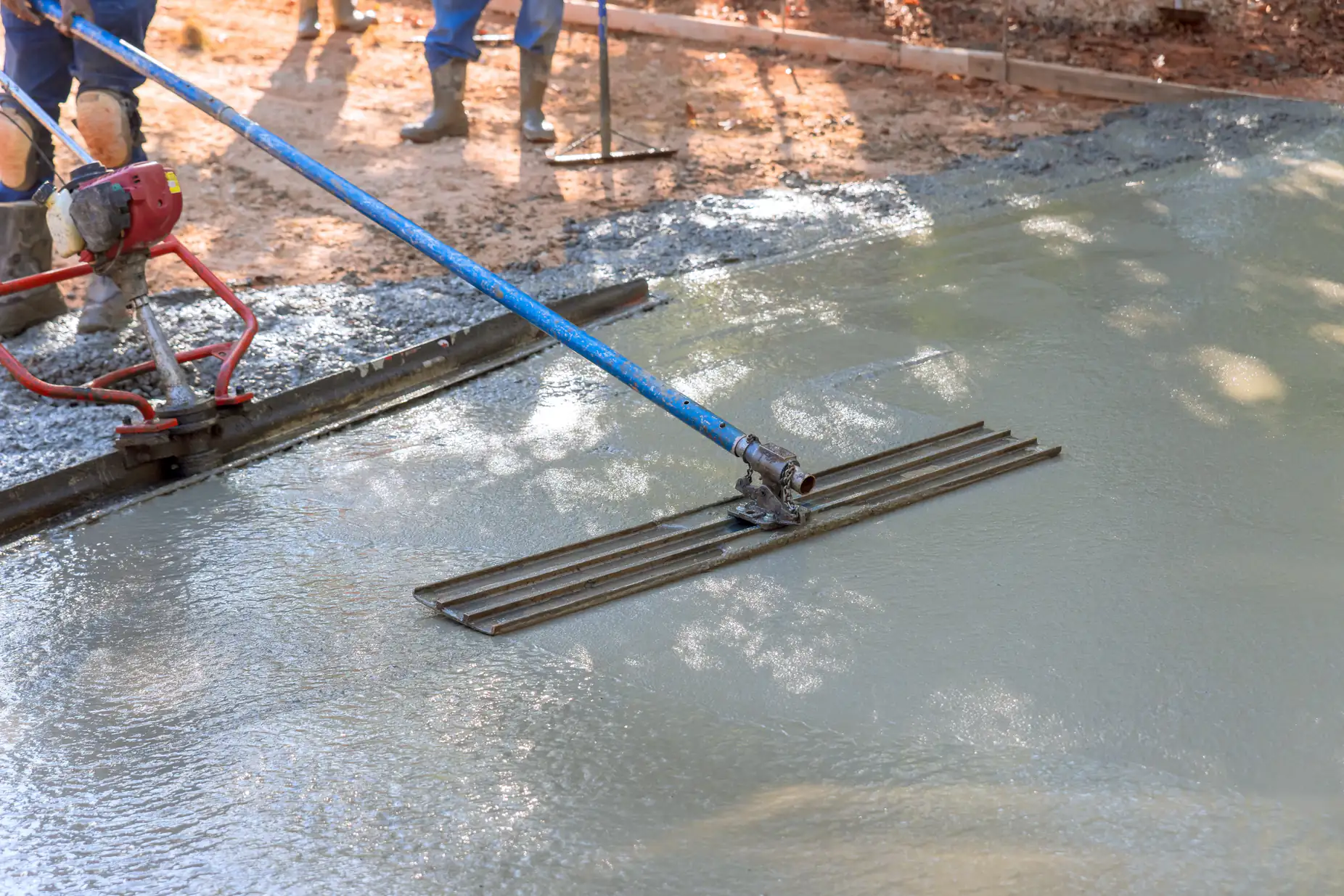
For concrete work, we use Portland cement mixes with rebar reinforcement and offer finishes from standard to decorative stamped patterns. If you’re adding paver patios or walkways, those get the same attention to base preparation and drainage that we give to asphalt jobs.
Here’s what matters locally: Parsippany sits in a zone where December through February creates the most damaging conditions for pavement. Temperatures hover around freezing, which means constant melting and refreezing. That’s why proper drainage and a solid base aren’t optional—they’re the only way to avoid watching your driveway disintegrate every spring. We’ve seen it happen to properties all over Morris County, and we’ve spent twenty years learning how to prevent it. The process doesn’t change based on the weather forecast. It’s built to handle the worst conditions Morris County throws at it.
A properly installed asphalt driveway in Parsippany should last 15 to 20 years, sometimes longer with regular maintenance like sealcoating every few years. The lifespan depends almost entirely on the foundation work—if the base isn’t graded and compacted correctly, you’ll start seeing cracks and settling within the first five years.
Morris County’s freeze-thaw cycles are brutal on asphalt. Water seeps into small cracks, freezes and expands, then melts and moves deeper into the pavement. That cycle repeats all winter and destroys driveways that weren’t built with proper drainage. If water can’t escape from under the asphalt, it’s going to cause problems no matter how good the surface layer is.
Regular maintenance helps, but it can’t fix a bad foundation. Sealcoating protects the surface from UV damage and water penetration, which can add years to your driveway’s life. But if the base is failing, you’re looking at a replacement, not a repair. That’s why the upfront work matters more than anything else.
Asphalt is more flexible, which makes it better suited for areas with freeze-thaw cycles like Parsippany. It expands and contracts with temperature changes without cracking as easily as concrete. It’s also faster to install and typically costs less upfront. The tradeoff is that asphalt needs sealcoating every few years to maintain its appearance and protection.
Concrete is more rigid and can crack under the stress of freezing and thawing, especially if the ground underneath shifts. It lasts longer without maintenance—30 to 40 years if installed correctly—but repairs are more expensive and more visible. Concrete also offers more decorative options, like stamped patterns and color, which asphalt doesn’t.
For most residential driveways in Morris County, asphalt makes more sense. It handles the weather better, costs less to install, and is easier to repair if something does go wrong. Concrete works well for patios, walkways, and areas where you want a specific look, but for a driveway that sees daily use and constant temperature swings, asphalt is the more practical choice.
A standard residential driveway in Parsippany typically runs between $3,000 and $8,000, depending on size, condition of the existing surface, and how much prep work is needed. If you’re starting from scratch and need excavation, grading, and a new base, you’re looking at the higher end of that range. If you’re resurfacing an existing driveway that’s in decent shape, the cost drops.
Asphalt prices fluctuate based on material costs, which have gone up significantly over the past few years. In 2021, asphalt cement was running around $460 per ton compared to $299 per ton in 2016. That affects the overall price, but it’s still cheaper than replacing a driveway every few years because it was installed poorly the first time.
The real cost isn’t just the installation—it’s what happens after. A cheap job that skips proper base preparation will fail within a few years, and you’ll be paying for repairs or a full replacement. A properly installed driveway costs more upfront but saves you thousands in the long run. That’s the calculation you’re actually making when you’re comparing quotes.
Late spring through early fall is the best window for asphalt paving in New Jersey. Asphalt needs to be applied at a specific temperature to compact properly and create a dense, durable surface. If it’s too cold, the asphalt cools too quickly and doesn’t bond correctly. If it’s too hot, it can become unstable during installation.
Most paving companies in Morris County are busiest from May through September. That’s when weather conditions are most predictable and the asphalt plants are running at full capacity. If you’re planning a project, booking in early spring gives you more flexibility with scheduling and avoids the rush.
Winter paving is possible in some cases, but it’s not ideal. The ground is often frozen, which makes proper compaction difficult, and the asphalt itself doesn’t cure as well in cold temperatures. If you’re dealing with emergency repairs—like a pothole that’s creating a safety hazard—contractors can work in winter, but for a full driveway installation, waiting until warmer weather gives you a better result.
Yes, sealcoating protects your asphalt from UV damage, water penetration, and the chemicals that come off cars—oil, gas, and salt in the winter. It also keeps the surface looking fresh instead of faded and worn. Without it, asphalt deteriorates faster, and small cracks turn into bigger problems.
You should sealcoat a new driveway about six months to a year after installation, once the asphalt has fully cured. After that, plan on resealing every two to three years depending on how much traffic the driveway gets and how harsh the winters are. In Morris County, where freeze-thaw cycles are constant, staying on top of sealcoating can add years to your driveway’s lifespan.
Sealcoating costs a few hundred dollars and takes a day or two to dry. Compare that to the $3,000 to $8,000 you’d spend on a full replacement, and it’s an easy decision. It’s preventive maintenance that actually works—if you stay consistent with it. Let it go too long, and you’re not protecting the asphalt anymore, you’re just covering up damage that’s already happening underneath.
Start with licensing and insurance. New Jersey’s 2024 bonding requirements mean contractors need to carry proper coverage to protect you if something goes wrong. If a contractor can’t show proof of insurance or tries to skip that conversation, walk away. You’re taking on all the liability if they’re not covered.
Next, ask about their process—specifically, how they handle site preparation and drainage. If they’re focused on the asphalt and not talking about grading, compaction, and base materials, that’s a red flag. The foundation is what determines whether your driveway lasts five years or twenty. A contractor who rushes that part of the job is setting you up for expensive repairs down the line.
Finally, get a written estimate that breaks down the costs and timeline. Vague quotes that lump everything into one number make it easy for contractors to cut corners or add charges later. You want to know what you’re paying for and when the work will be done. If a contractor won’t commit to a clear schedule or price, they’re either overbooked or not confident in their process. Either way, you’re better off finding someone who can give you straight answers.