
Hear from Our Customers
That crack you’re ignoring right now? It’s letting water reach your base layer. When temperatures drop tonight, that water freezes and expands. By spring, you’re looking at a pothole that costs hundreds to fix.
Proper asphalt installation stops this cycle before it starts. The base gets compacted correctly. Drainage routes water away from your foundation. Materials go down at the right temperature so they bond instead of separating when winter hits.
You’re not just getting a smooth surface. You’re getting a driveway that doesn’t turn into your biggest maintenance headache every time the temperature drops below freezing. That’s what matters when you live in Budd Lake, where freeze-thaw cycles happen dozens of times each winter.
We’ve spent over 20 years installing driveways and parking lots across Morris, Sussex, and Somerset Counties. We’re not a crew that shows up, lays some blacktop, and disappears. We’re the paving contractor your neighbors call when they need it done right the first time.
Our team knows which asphalt plants deliver quality hot mix and which sealant formulations actually hold up in this climate. We understand Morris County soil conditions and how they affect base preparation. That local knowledge matters when your driveway needs to last 15-20 years, not just look good for the first season.
Every job gets the owner on-site. You’re not dealing with a subcontractor who’s never seen your property before. You’re working with people who’ve been doing this work in Budd Lake and surrounding towns long enough to know what fails and what lasts.
First, we assess your existing surface and base. If the foundation is compromised, we’re telling you now, not after we’ve already torn everything up. You get an upfront quote that details exactly what needs to happen.
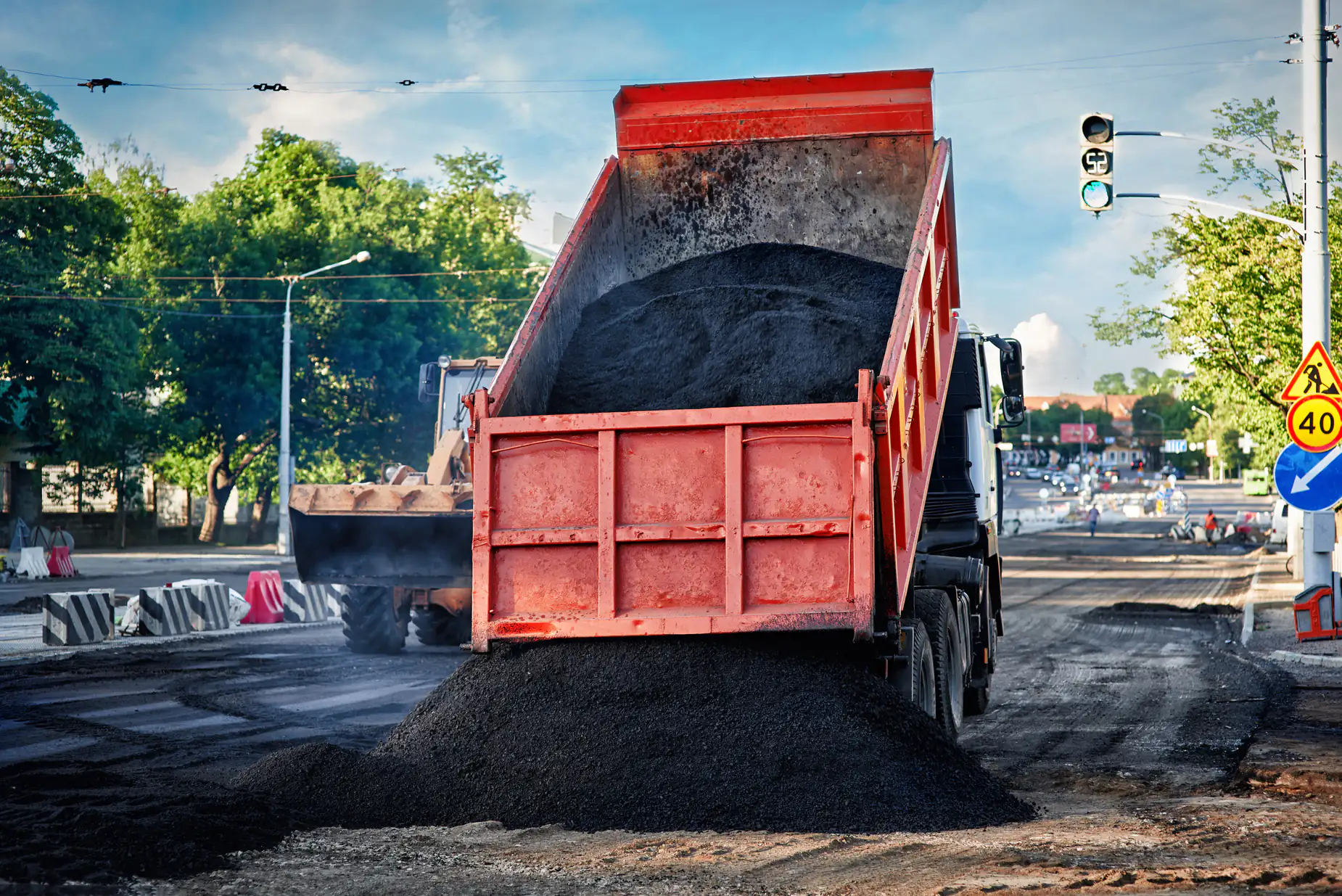
Next comes excavation and base preparation. This is where most paving companies cut corners, and it’s where you’ll pay the price later. We compact the base in layers, not all at once. We grade for proper drainage so water moves away from your foundation instead of pooling where it’ll cause damage.
Then we install the asphalt using high-grade hot mix applied at the correct temperature. This isn’t negotiable. If the material isn’t hot enough, it won’t compact properly. If it’s too hot, it breaks down. We monitor temperature throughout the process because that’s what determines whether your driveway holds up or fails prematurely.
The surface gets compacted with commercial rollers, not some lightweight equipment that can’t achieve proper density. You can typically drive on it within 24-48 hours, though we’ll give you specific guidance based on weather conditions and the scope of your project.
Ready to get started?
You’re getting more than just asphalt. Every installation includes proper base preparation with compacted aggregate, professional grading that prevents water damage, and hot mix asphalt applied at optimal temperature for maximum durability.
We handle residential driveways and commercial parking lots throughout Budd Lake and Morris County. That includes new installations, complete replacements, and extensions when you need more parking space. We also do asphalt repair work, sealcoating to extend surface life, and crack sealing before minor damage becomes major.
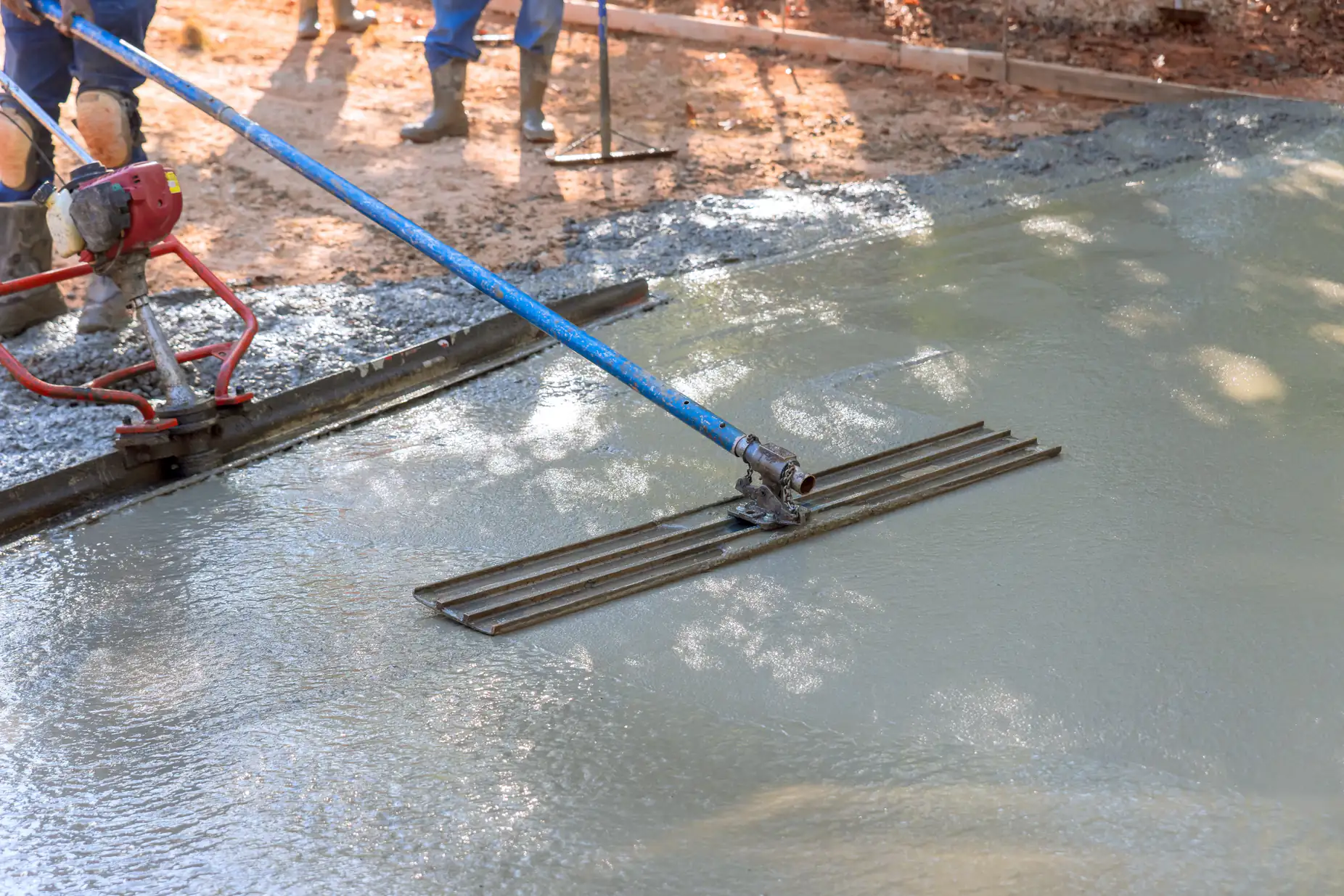
For properties that need concrete instead of asphalt, we work with Portland cement mixes reinforced with rebar. We can install decorative stamped patterns if you want something beyond standard concrete. And if you’re looking at paver stones for patios or walkways, we handle that too.
The 24-48 hour callback guarantee means you’re not waiting a week to hear back about your quote request. We know you’re comparing options and making decisions. You’ll get clear pricing with no surprise charges added later. Projects stay on schedule because we understand your time matters as much as the quality of the work.
Most residential driveway projects in Morris County run between $3,000 and $8,000, depending on size, current condition, and how much base work is needed. A standard two-car driveway typically falls in the $4,500-$6,500 range if the existing base is solid.
If your current driveway has significant settling or drainage issues, you’re looking at additional cost for excavation and new base material. That might add $1,500-$3,000 to the project, but it’s the difference between a driveway that lasts 15-20 years and one that starts cracking within three years.
We give you an upfront quote after assessing your property. No hidden fees, no surprise charges when the work is done. You’ll know exactly what you’re paying for and why each component matters for long-term performance.
Late spring through early fall gives you the best conditions for asphalt installation. You need consistent temperatures above 50°F, ideally in the 60-80°F range, so the material compacts properly and cures correctly.
We can work into October if weather cooperates, but scheduling gets tight as temperatures drop. Most experienced paving contractors in Morris County fill their calendars by mid-summer for fall projects. If you’re planning work for this year, reach out sooner rather than later.
Winter paving is possible for emergency repairs, but it’s not ideal for full installations. Cold temperatures prevent proper compaction, and you won’t get the same longevity as you would from a spring or summer installation. If you can wait until April or May, that’s your best bet for a driveway that performs well for decades.
A properly installed asphalt driveway in Morris County should last 15-20 years before needing replacement. That assumes you’re doing basic maintenance like sealcoating every 3-5 years and addressing cracks when they first appear.
The key phrase there is “properly installed.” If the base wasn’t compacted correctly or drainage wasn’t addressed, you might start seeing problems within 2-3 years. Freeze-thaw cycles are brutal in this area. Water gets into small cracks, freezes overnight, and expands with enough force to turn minor surface damage into major structural issues.
Regular maintenance extends that lifespan significantly. Sealcoating protects the surface from UV damage and water penetration. Crack sealing in the fall prevents winter damage. These aren’t optional if you want to get two decades out of your investment. Think of them like changing your car’s oil – skip them, and you’ll pay for it later.
It depends on how much of the surface is damaged and whether the base is still solid. If you’ve got a few cracks and some minor surface wear, repair and sealcoating will handle it. If more than 30-40% of the surface is cracked or you’ve got significant settling and potholes, replacement makes more financial sense.
We’ll assess your current driveway and give you honest feedback. Sometimes patching and overlay work buys you another 5-7 years at a fraction of replacement cost. Other times, the base has failed and no amount of surface repair will fix the underlying problem. You need to know which situation you’re dealing with before spending money.
The worst-case scenario is paying for repairs on a driveway that needed replacement, then having to replace it anyway two years later. We’d rather tell you upfront that replacement is the right call, even if it’s not what you want to hear. That’s better than taking your money for a temporary fix that doesn’t solve the actual problem.
Yes, but not immediately. New asphalt needs 6-12 months to cure before you apply sealcoat. If you seal too early, you trap oils that need to evaporate, which can actually soften the surface and lead to premature wear.
After that initial curing period, sealcoating every 3-5 years protects your investment. It blocks UV rays that break down the asphalt binder, prevents water from penetrating surface cracks, and gives you a fresh black appearance that makes the whole property look better maintained.
Think of sealcoating as preventive maintenance that costs a few hundred dollars versus waiting until you need repairs that cost thousands. Morris County winters are hard on asphalt. Sealcoating is cheap insurance against the kind of damage that happens when water gets into your pavement and freezes repeatedly over the course of a winter.
Asphalt costs less upfront, typically 30-40% cheaper than concrete for the same area. It handles freeze-thaw cycles better because it has some flexibility, whereas concrete is rigid and more prone to cracking in cold climates. Asphalt also gets repaired more easily when damage does occur.
Concrete lasts longer if properly installed – you’re looking at 25-30 years versus 15-20 for asphalt. It doesn’t need sealcoating, though it does benefit from periodic sealing. Concrete also offers more design options if you want decorative finishes like stamped patterns or colored surfaces.
For most residential driveways in Budd Lake, asphalt makes more sense. You get good longevity at a lower cost, and it performs well in our climate. Concrete works better for areas where you want a specific aesthetic or where the surface won’t see heavy vehicle traffic. We install both, so we can walk you through which option fits your property and budget.