
Hear from Our Customers
Most driveways in North Caldwell fail because contractors skip the base work or pave when it’s too cold. You end up with cracks by the second winter, water pooling near your foundation, and a contractor who won’t return your calls.
Proper asphalt paving means you’re not dealing with potholes that damage your car or standing water that freezes into skating rinks. Your driveway should look clean when guests arrive and hold up when delivery trucks roll over it.
When the work is done right from excavation through compaction, you’re looking at 20-30 years before you need to think about replacement. That’s with basic maintenance like sealcoating every few years. The difference is in how the base is prepped and whether the asphalt is actually hot when it goes down. North Caldwell’s clay soil and elevation mean drainage has to be built in, not hoped for.
We’ve been handling residential and commercial paving in North Caldwell for over 40 years. We’re a third-generation, family-owned asphalt company based in Morris County, which means we’ve seen every soil condition, drainage issue, and winter damage pattern this area throws at pavement.
We’re not the cheapest paving company near me result you’ll find. We use high-grade hot mix asphalt applied at proper temperature, and we won’t pave if it’s raining or below 50 degrees. That costs us jobs when homeowners want it done fast, but it saves you from needing a redo in three years.
You’re working with people who live here, know what North Caldwell homeowners expect, and have the equipment to do commercial parking lots and residential driveways the same way. Fully licensed, insured, and we actually return calls within 24-48 hours.
First, we excavate your existing driveway and check the subgrade. North Caldwell sits on clay soil that holds water, so if the base isn’t right, nothing else matters. We’re looking at proper depth and making sure water drains away from your foundation.
Next comes aggregate base installation and compaction. This is where most contractors cut corners. We’re hitting 92-96% compaction density because that’s what prevents settling and those low spots where water pools. The base depth depends on your specific soil conditions and what kind of traffic you’re expecting.
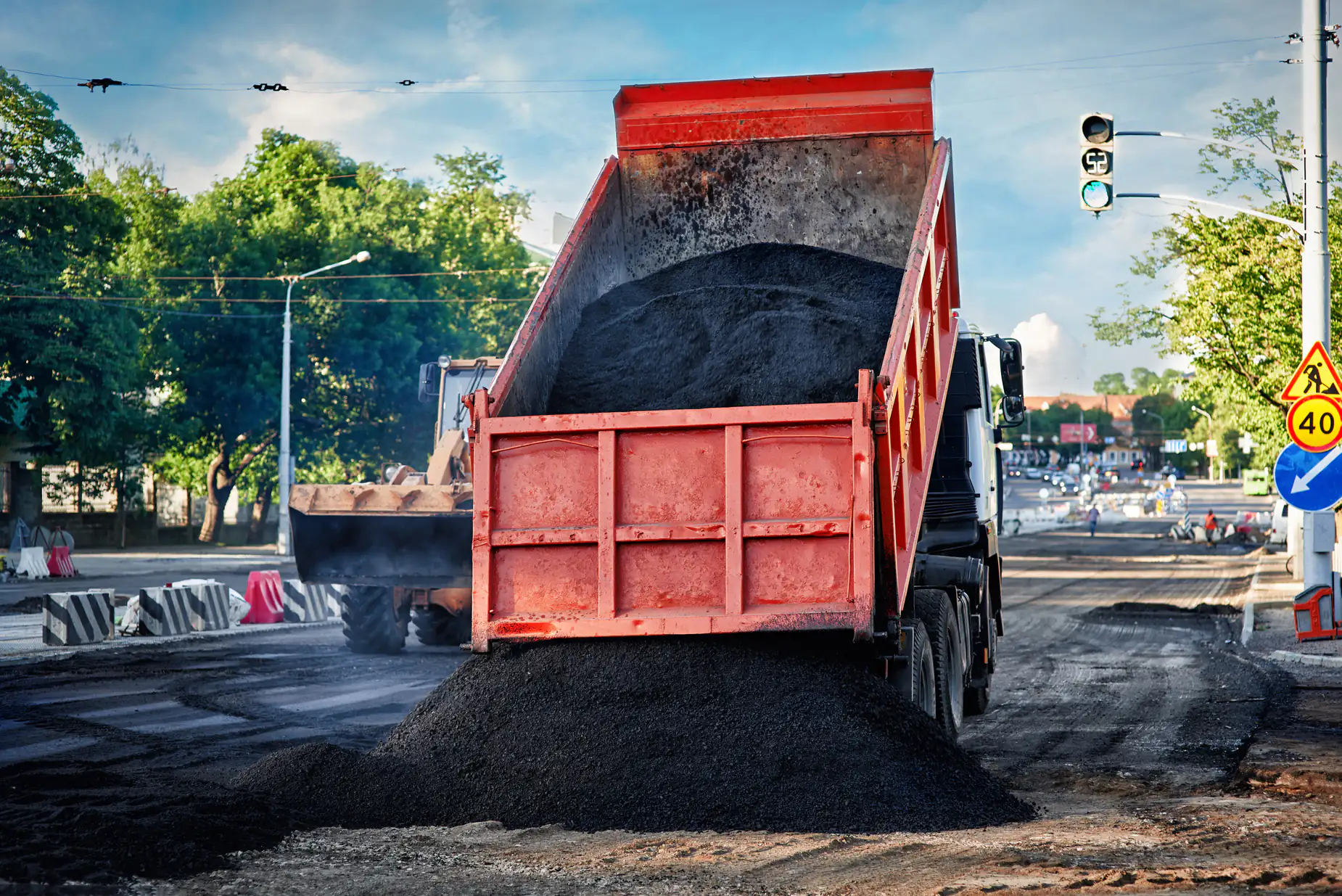
Then we install the hot mix asphalt at the right temperature using commercial-grade equipment. We’re not showing up with a pickup truck and hand tools. The asphalt has to be hot enough to compact properly but not so hot it scorches. Two to three inches is standard for residential driveways. Commercial parking lots might need more depending on truck traffic.
Final pass is compaction with a roller to achieve proper density. Once it cools, you’ve got a surface that flexes with temperature changes instead of cracking like concrete does in freeze-thaw cycles.
Ready to get started?
We handle residential driveway paving for homes in North Caldwell’s established neighborhoods where properties were built in the 1950s and 60s. That means dealing with mature trees, existing drainage patterns, and homeowners who know what quality looks like.
Commercial paving includes parking lots, access roads, and any asphalt work for businesses in Essex County. We’re talking proper striping, ADA-compliant spaces, and surfaces that handle delivery trucks without rutting. Commercial work runs $2.25-3.25 per square foot depending on size and site conditions.
Maintenance services like sealcoating and crack sealing are what make a 15-year driveway last 30 years. Sealcoating every 2-3 years costs $3-7 per square foot and protects against UV damage and oxidation. Crack sealing before water gets in prevents those small cracks from becoming potholes. North Jersey gets 40% more freeze-thaw cycles than central or south Jersey, which means water infiltration destroys pavement faster here.
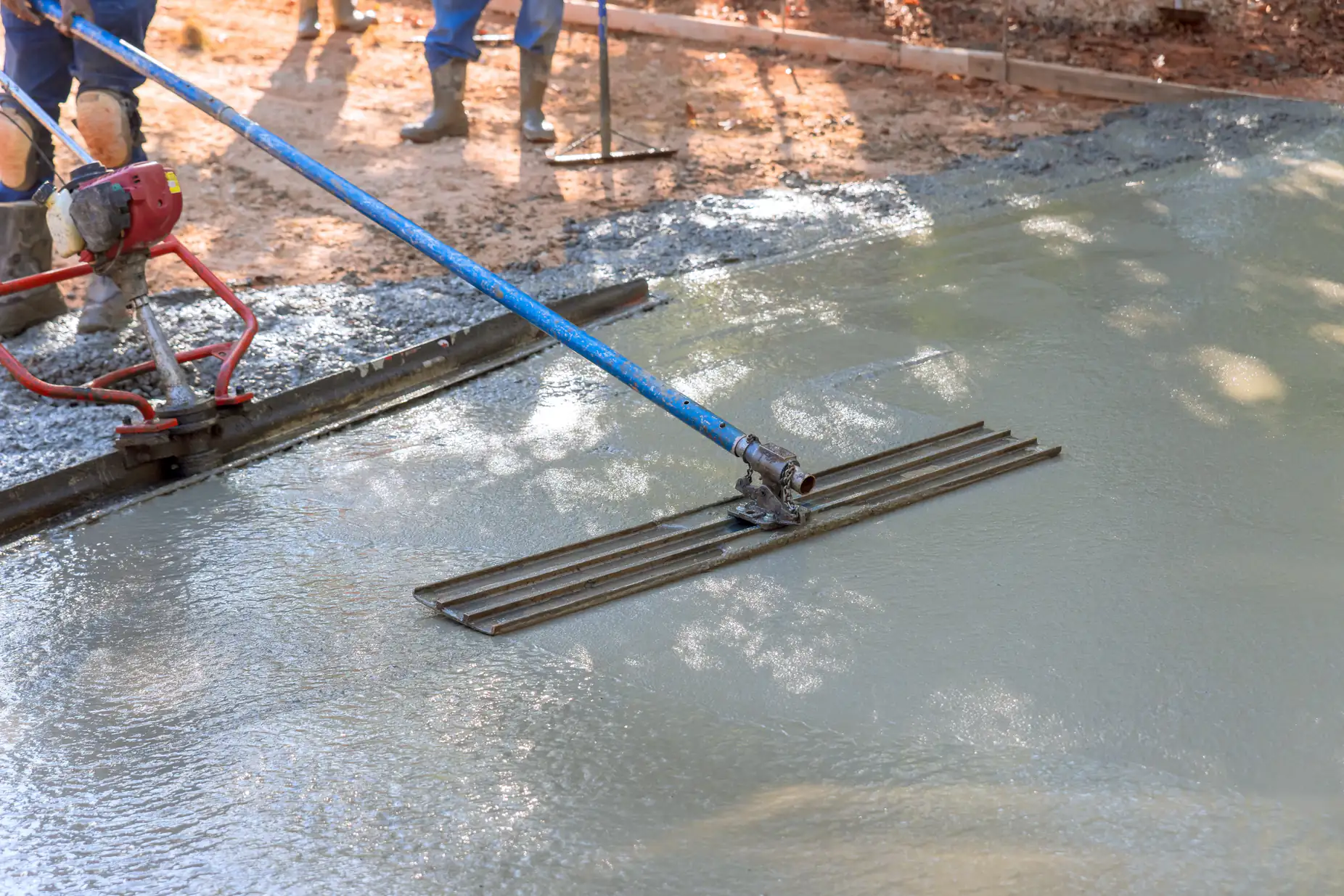
We also install paver patios and decorative stamped concrete when you want something beyond standard blacktop. Some homeowners want pavers for walkways and asphalt for the driveway. We handle both so you’re not coordinating multiple contractors.
You can walk on new asphalt within 24 hours, but you shouldn’t drive on it for at least 3-5 days. Full curing takes about a year, though it’s functional well before that.
The timeline depends on weather conditions and how thick the asphalt layer is. In North Caldwell’s climate, cooler fall temperatures mean slower curing than summer heat. We typically recommend waiting a full week before parking heavy vehicles if you want to be cautious.
During the first few months, avoid sharp turns with your steering wheel locked and don’t park in the exact same spot every day. The asphalt is still hardening and can indent under concentrated weight. After the first winter freeze-thaw cycle, it’s fully set and you can treat it normally.
Asphalt flexes with temperature changes while concrete cracks. In North Caldwell where you’re getting constant freeze-thaw cycles all winter, that flexibility matters.
Concrete lasts longer in theory—30-40 years versus 20-30 for asphalt—but it costs more upfront and when it cracks, repairs are visible and expensive. Asphalt repairs blend in better and sealcoating can extend the life significantly. Concrete doesn’t have an equivalent maintenance option that actually works.
Asphalt is also easier on your car’s suspension, melts snow faster because it absorbs heat, and costs about half what concrete does for installation. The trade-off is you need to sealcoat every few years. For most North Caldwell homeowners dealing with harsh winters, asphalt makes more sense unless you specifically want the look of decorative concrete.
They’re skipping the base work, using cold asphalt, or planning to disappear after they cash your check. Cheap paving jobs fail within 2-3 years and then you’re paying twice.
Proper excavation, aggregate base installation, and hot mix asphalt applied at the right temperature cost real money. Equipment, materials, insurance, and skilled labor aren’t cheap. When someone quotes half what everyone else does, they’re either cutting corners on materials, skipping steps like proper compaction, or they’re not properly insured.
We’ve repaired dozens of driveways in North Caldwell where homeowners hired the cheapest bid and ended up with drainage problems, premature cracking, or a surface that started failing the first winter. You’re better off financing quality work than paying cash for something that won’t last. Our 5-year warranty backs that up.
We won’t pave when temperatures drop below 50 degrees, and most manufacturers recommend 55 degrees as the minimum. Cold weather prevents the asphalt from compacting properly and bonding to the base.
Asphalt needs to stay hot enough during installation to achieve proper density. When it’s cold outside, the material cools too fast and you end up with a weak surface that fails prematurely. Some contractors will pave in cold weather because they need the work, but you’re the one who pays for it when the driveway doesn’t hold up.
The ideal paving season in North Caldwell runs from late spring through early fall. We can sometimes work into November if temperatures cooperate, but we’re not gambling with your money by paving in conditions that compromise quality. If a contractor is willing to pave your driveway in January, find a different contractor.
Residential driveway paving typically runs $7-15 per square foot depending on site conditions, access, and how much excavation is needed. A standard two-car driveway averages around $4,500-6,500 for complete replacement.
That price includes excavation, aggregate base, hot mix asphalt installation, and compaction. If your existing base is in good shape and you just need resurfacing, costs drop to around $3-5 per square foot. Properties with drainage issues, difficult access, or extensive tree root damage cost more because there’s more work involved.
Commercial parking lot paving runs $2.25-3.25 per square foot for larger areas. We provide clear upfront pricing with no surprise charges. The quote we give you after looking at your property is what you pay. We’re not adding fees after the work starts.
Yes, but only if the driveway was installed correctly to begin with. Sealcoating protects against UV damage, water infiltration, and oxidation—all things that break down asphalt over time.
Studies show sealcoating every 2-3 years can extend pavement life by 10-15 years. In North Caldwell where winters are harsh and you’re getting constant freeze-thaw cycles, that protection matters. Sealcoating costs $3-7 per square foot, which is a fraction of what you’d pay for premature replacement.
The catch is that sealcoating won’t fix structural problems. If your driveway is cracking because the base is failing or drainage is poor, sealcoating just makes it look better temporarily. That’s why proper installation matters more than any maintenance you do later. Get the foundation right and sealcoating does its job. Skip the base work and you’re wasting money on maintenance.