
Hear from Our Customers
You stop dealing with emergency repairs every spring. The cracks that show up after winter don’t get worse. Water can’t seep in and expand when temperatures drop, so you’re not watching your driveway deteriorate section by section.
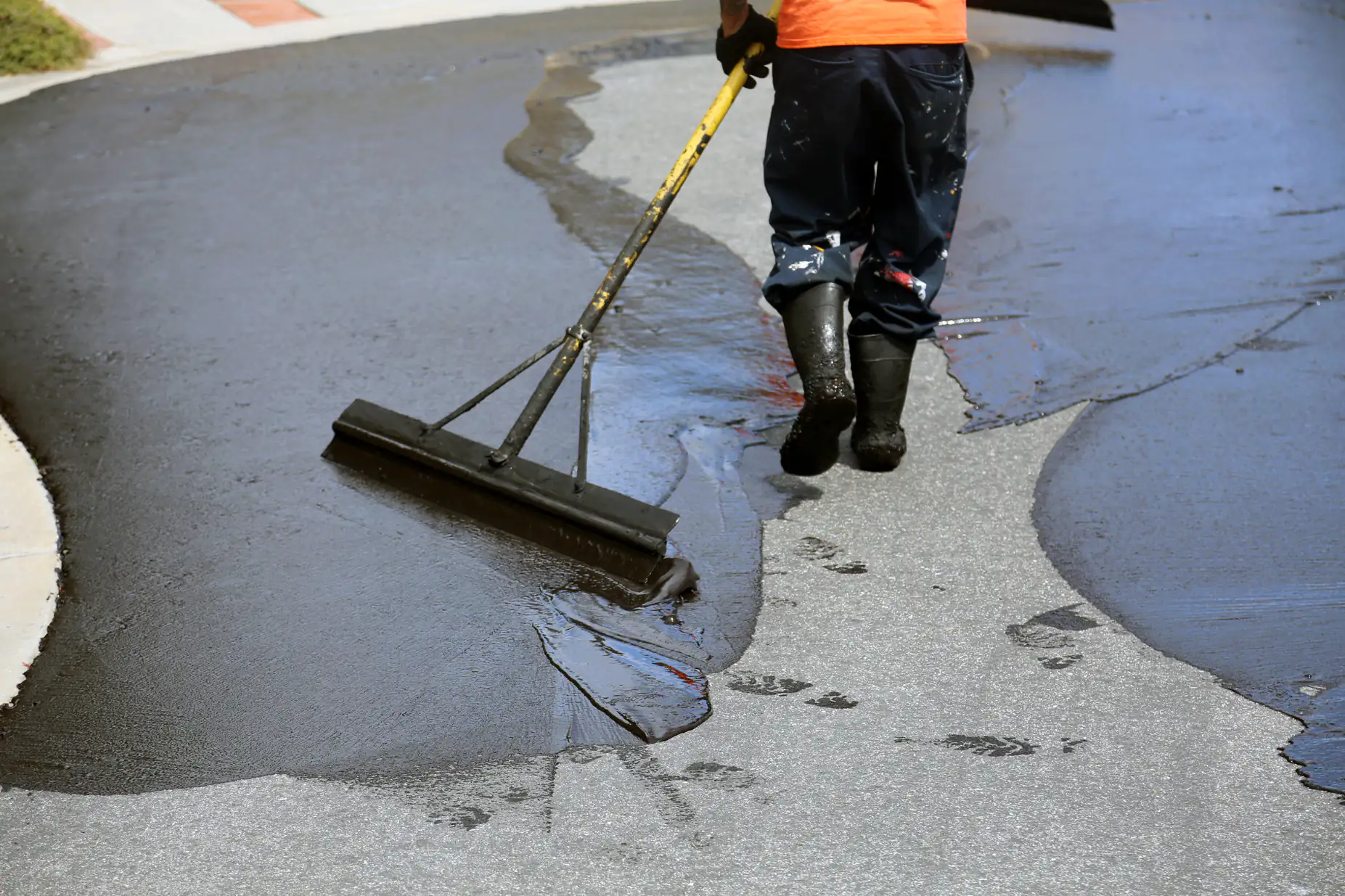
Your property looks better. A fresh sealcoat brings back that deep black finish that makes your home look maintained, not neglected. If you’re planning to sell, it’s one of those details buyers notice immediately when they pull up.
The surface stays smoother for snow removal. Salt and plows do less damage. You’re not scraping around potholes or worrying about tripping hazards when you’re carrying groceries in from the car.
Sealcoating every 2-3 years costs you $200-500. Tearing out and replacing sections of failed asphalt costs $1,500 or more. The math isn’t complicated.
We handle asphalt and concrete work across Morris, Sussex, and Somerset Counties. We’re based here, so we know what Lake Hopatcong driveways go through between November and March.
The area gets 55 to 75 freeze-thaw cycles every winter. Each one forces water in your asphalt to expand by 9%, creating pressure that splits the surface apart. We’ve seen what happens when homeowners skip sealcoating for five or six years. It’s not pretty, and it’s not cheap to fix.
We use high-grade hot mix asphalt applied at the right temperature. Our crews prep the surface properly before sealing, which means crack filling, power washing, and priming oil spots. You get a 24-48 hour callback on quote requests, and we show up when we say we will.
First, we inspect the surface. If there are cracks wider than a quarter-inch, we fill them with hot rubberized crack filler. This step matters because sealer won’t bridge gaps on its own.
Next, we power wash the entire driveway to remove dirt, oil, and debris. Sealer needs a clean surface to bond properly. If there are oil spots, we apply a special primer so the sealer adheres instead of peeling off in sheets later.
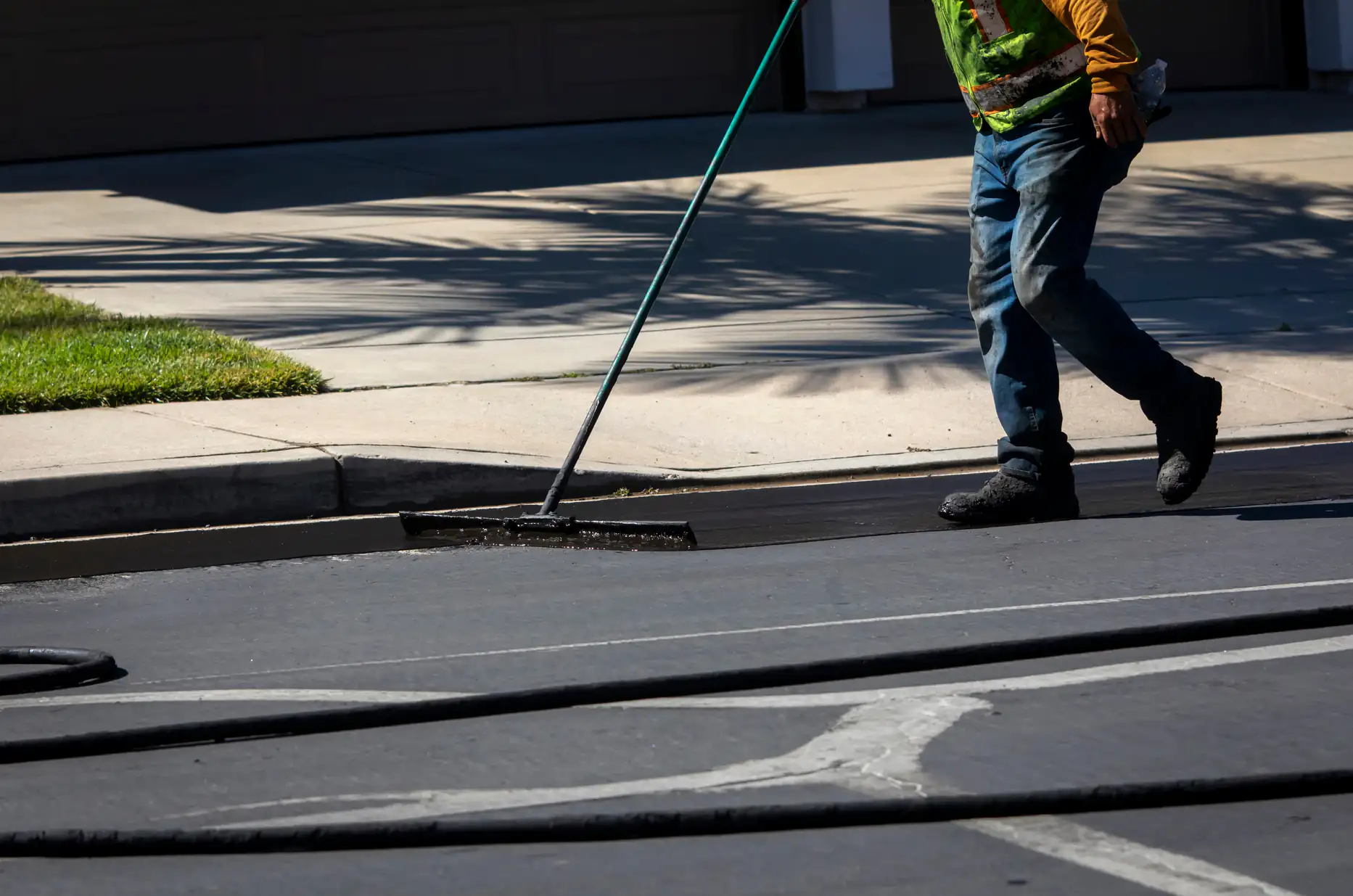
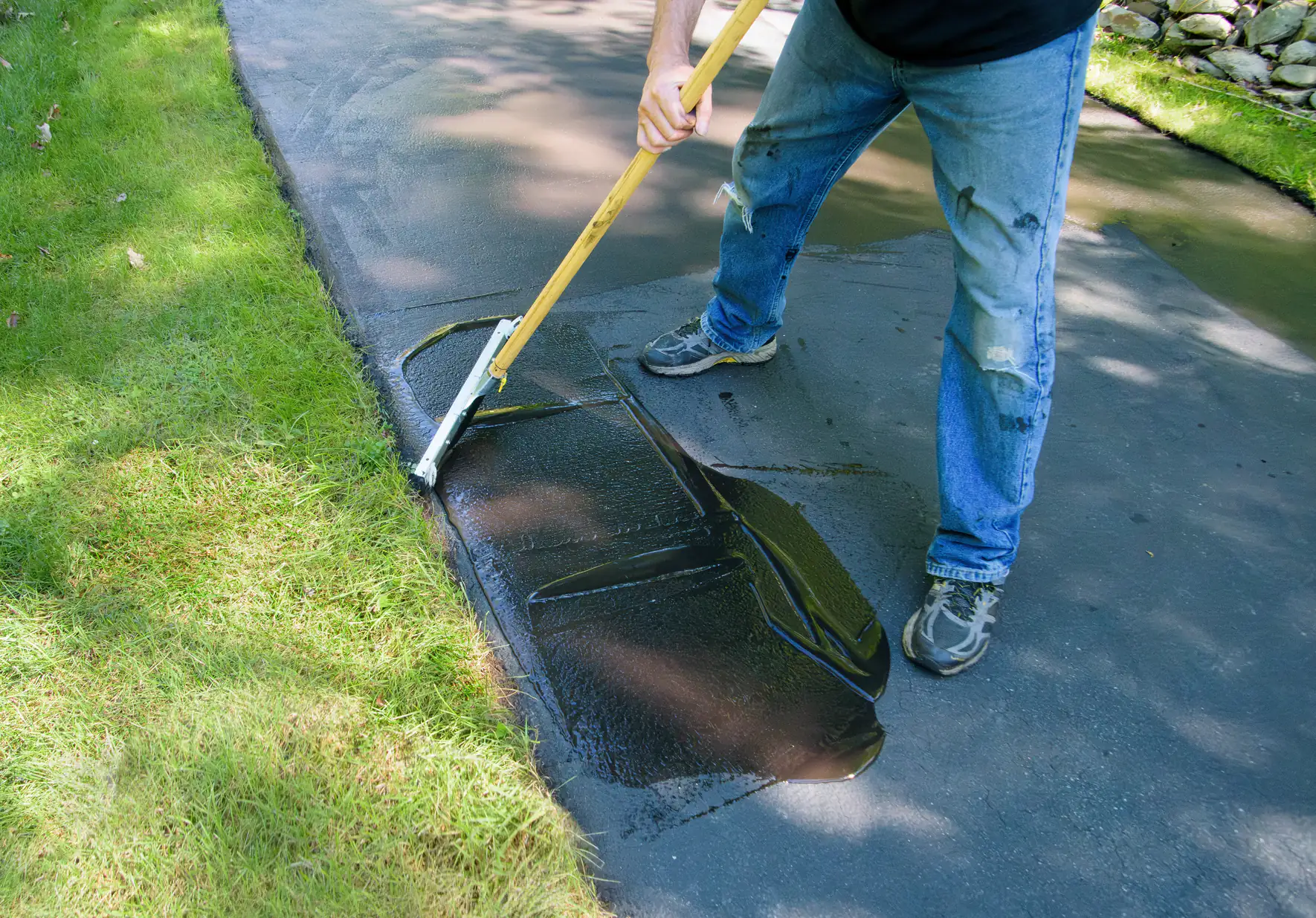
We trim the edges around your walkways and garage so the sealer doesn’t bleed onto concrete or pavers. Then we apply two coats of commercial-grade sealer using squeegees or spray equipment, depending on the size and condition of your driveway.
The sealer needs 24-48 hours to cure, depending on temperature and humidity. You’ll need to stay off it during that time. Once it’s cured, the surface is protected from UV rays, water infiltration, and chemical damage from salt and oil.
Ready to get started?
You’re getting a full prep and application process, not just someone rolling sealer over a dirty driveway. That means crack filling, power washing, oil spot treatment, and edge trimming before we apply anything.
We use commercial-grade sealer that holds up to Morris County winters. The material we apply creates a barrier against water, UV rays, and chemicals. It’s not the cheap stuff you buy in buckets at the hardware store.
Lake Hopatcong sits in a part of New Jersey that sees more freeze-thaw cycles than areas farther south. Your driveway takes a beating. The hilly terrain around the lake also means water runoff can pool in certain spots, which accelerates cracking if the surface isn’t sealed properly.
Fall is the best time to schedule this work. Temperatures are moderate, the sealer cures correctly, and you’re getting ahead of winter instead of scrambling to fix damage in the spring. We recommend resealing every 2-3 years to keep the protection layer intact.
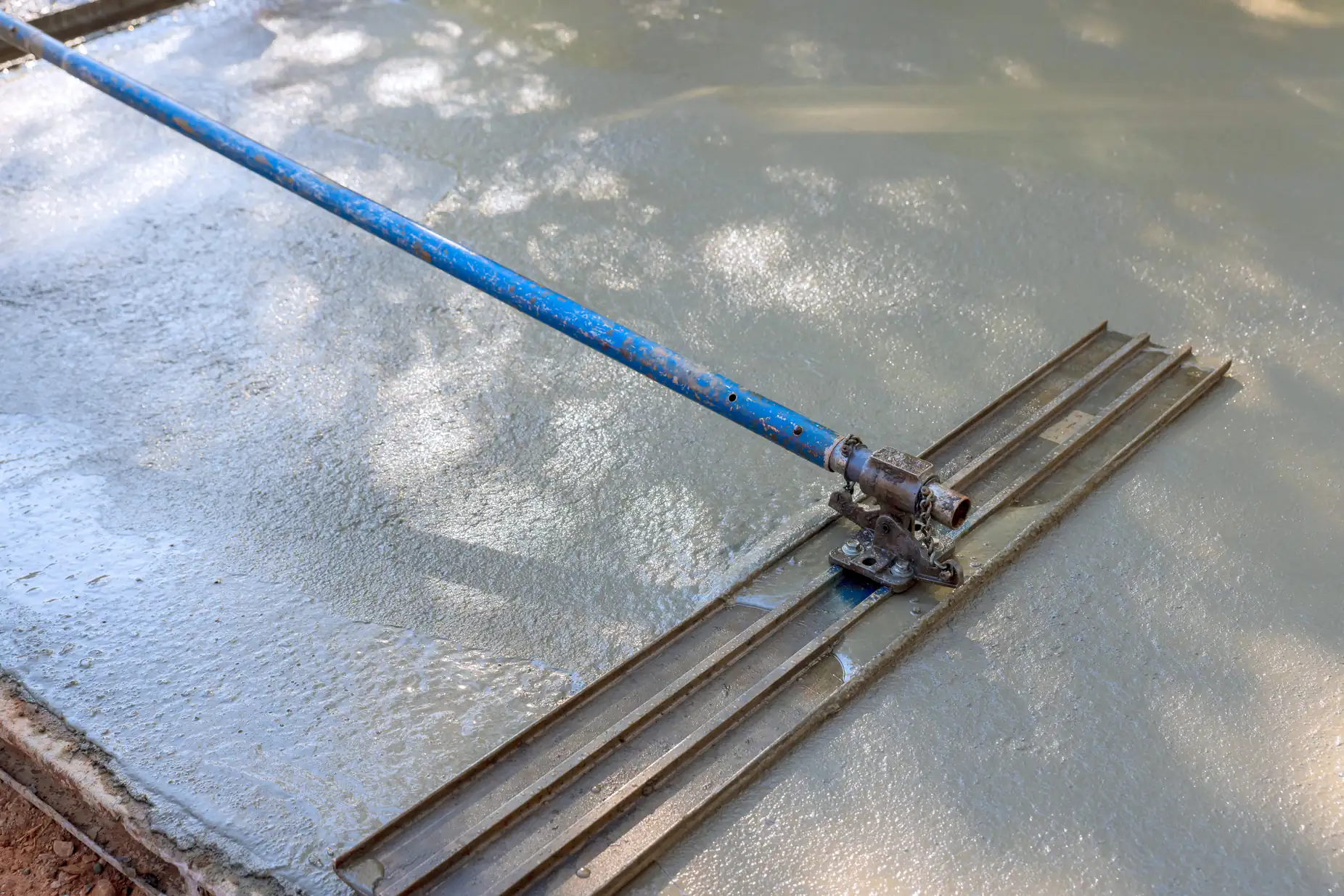
Professional driveway sealcoating in Morris County runs between $0.15 and $0.30 per square foot. For a standard two-car driveway (around 600-720 square feet), you’re looking at $200-500 depending on the condition of the asphalt and how much prep work is needed.
If your driveway has a lot of cracks, oil stains, or areas where the base has settled, the price goes up because we have to spend more time on repairs before sealing. But even at the higher end, you’re spending a fraction of what it costs to resurface or replace failed asphalt.
Compare that to the $5,000-8,000 you’d pay to tear out and repave a driveway that’s been neglected for too long. Sealcoating every few years is the cheapest way to protect your investment.
Every 2-3 years is the standard recommendation for driveways in North Jersey. If your driveway gets heavy use or you park commercial vehicles on it, you might need to seal it closer to every two years.
The sealer wears down over time from traffic, weather, and UV exposure. Once it starts to fade and you see the aggregate showing through, the protection layer is thinning out. That’s when water can start getting into the asphalt again.
Lake Hopatcong’s freeze-thaw cycles are aggressive. Waiting four or five years between sealcoating jobs means you’re giving water more opportunities to infiltrate the surface and cause damage. By the time you notice the cracks, the repair costs have already gone up.
Fall is ideal. You want temperatures between 50-85°F and at least 24-48 hours of dry weather for the sealer to cure properly. September and October usually give you those conditions in Morris County.
Spring works too, but you’re dealing with more unpredictable weather. A surprise rainstorm can ruin a fresh sealcoat before it cures. Summer is fine if it’s not too hot—sealer can dry too fast in 90+ degree heat, which affects how well it bonds to the asphalt.
You can’t seal in winter. The sealer won’t cure in cold temperatures, and any moisture in the asphalt will freeze and cause the coating to fail. If you’re reading this in November, you’re better off waiting until spring.
Yes. An unsealed driveway in New Jersey typically lasts 12-15 years before it needs major repairs or replacement. A properly maintained driveway that gets sealed every 2-3 years can last 25+ years.
The sealer blocks water from getting into the asphalt. Water is what causes most of the damage—it seeps into tiny cracks, freezes, expands, and breaks the asphalt apart from the inside. UV rays also break down the binder that holds the aggregate together, which makes the surface brittle and more prone to cracking.
Sealcoating slows both of those processes down significantly. You’re not making your driveway indestructible, but you’re giving it a much better chance of surviving Lake Hopatcong winters without falling apart.
You can do it yourself if you’re comfortable with the prep work and application process. The bigger question is whether you want to spend a weekend doing it and risk getting it wrong.
DIY sealers from hardware stores are thinner and don’t last as long as commercial-grade products. You also need to prep the surface correctly—if you skip crack filling or don’t clean the driveway thoroughly, the sealer won’t bond properly and you’ll see it peeling off in sections within a year.
We have commercial equipment, better materials, and experience with local conditions. We know how to handle Morris County’s climate and terrain. If your driveway has significant damage or drainage issues, we can identify and fix those problems before they get worse. For a few hundred dollars, you’re getting a job done right the first time.
No. Sealcoating protects the surface—it doesn’t repair structural damage. If you have cracks wider than a quarter-inch or potholes, those need to be filled before we apply sealer.
We use hot rubberized crack filler for larger cracks. It’s flexible, so it moves with the asphalt as temperatures change instead of cracking apart again. For potholes, we cut out the damaged area and patch it with hot mix asphalt, then compact it so it’s level with the rest of the driveway.
Once the repairs are done, we seal the entire surface to protect it going forward. But if your driveway is severely damaged—deep cracks, large sections of missing asphalt, or a failing base—you might need resurfacing or replacement instead of just sealcoating. We’ll tell you honestly what makes sense for your situation.