
Hear from Our Customers
You’re not sealing your driveway for looks alone, though that fresh black finish doesn’t hurt. You’re buying time and protection.
A properly sealed driveway in Dover handles what New Jersey throws at it. The freeze-thaw cycles that crack untreated asphalt every winter. The summer sun that dries out and oxidizes the surface. The water that seeps into small cracks and turns them into potholes by March.
Sealcoating creates a barrier. It keeps moisture out, slows UV damage, and fills in minor surface imperfections before they become expensive problems. Most homeowners see their driveway lifespan jump from 15 years to 25-plus with regular sealing every two to three years.
That’s the difference between a $400 maintenance job now and a $5,000 replacement later. Your driveway either gets protected, or it gets replaced.
We’ve worked across northern New Jersey for over 20 years. We know Dover’s weather patterns, soil conditions, and what actually holds up when temperatures swing 60 degrees in a week.
We’re not a franchise or a crew passing through town. We’re based in Morris County, and we’ve sealed driveways in neighborhoods from Lake Hopatcong to Morristown. That means we understand local drainage issues, how your property’s slope affects water flow, and which sealcoating products perform best in this climate.
When you call, you’re talking to people who’ve seen what works and what fails. We use professional-grade Sealmaster and Seaboard products, not the hardware store stuff that peels off in a year.
First, we clean the surface. Oil stains, dirt, vegetation growing in cracks—it all has to go. Sealant won’t bond to a dirty driveway, so we power wash or use degreasing agents where needed.
Next, we repair cracks and fill potholes. If water’s already getting into the base layer, sealing over it won’t fix the problem. We address structural issues first with hot rubberized crack filler that flexes with temperature changes.
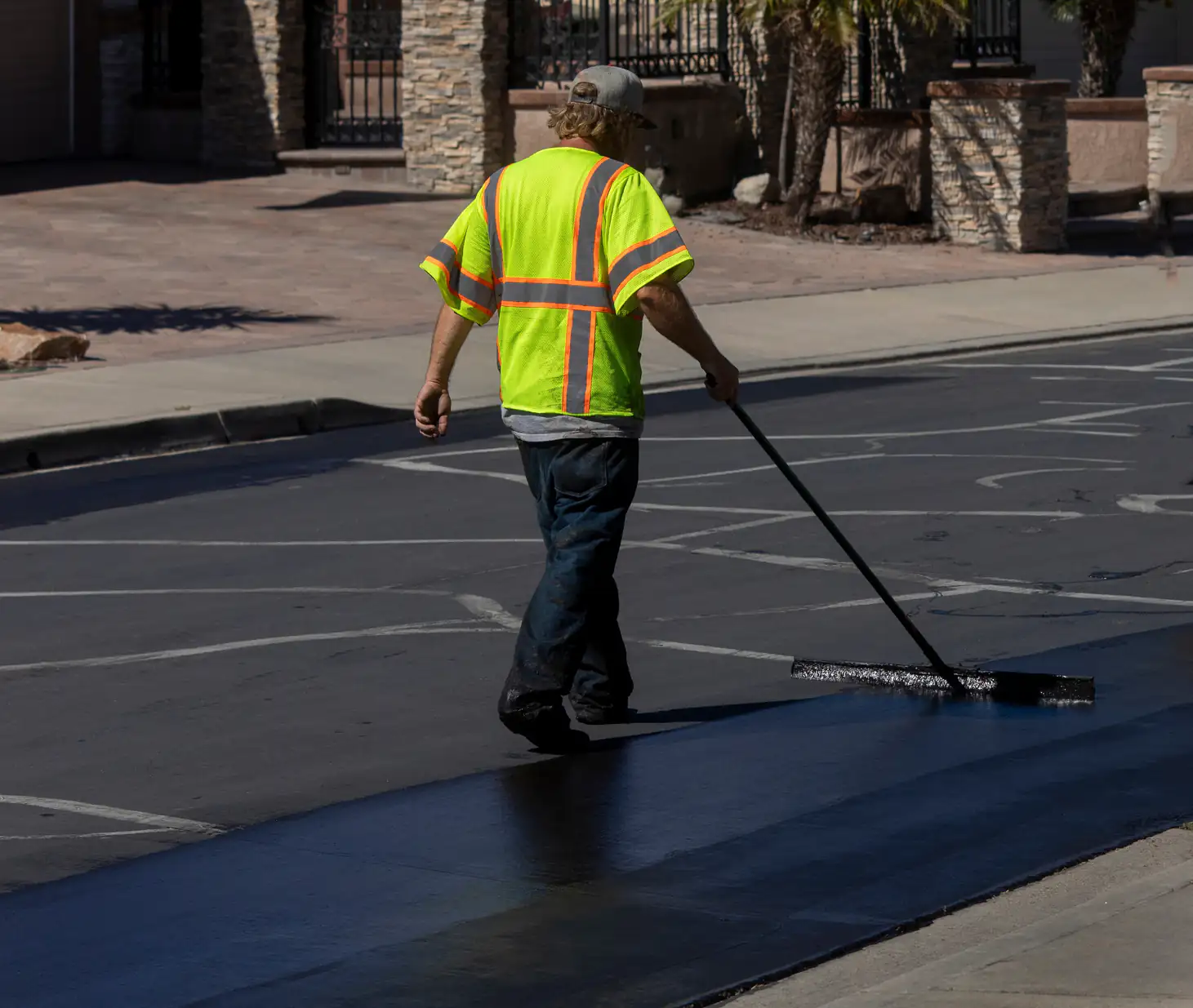
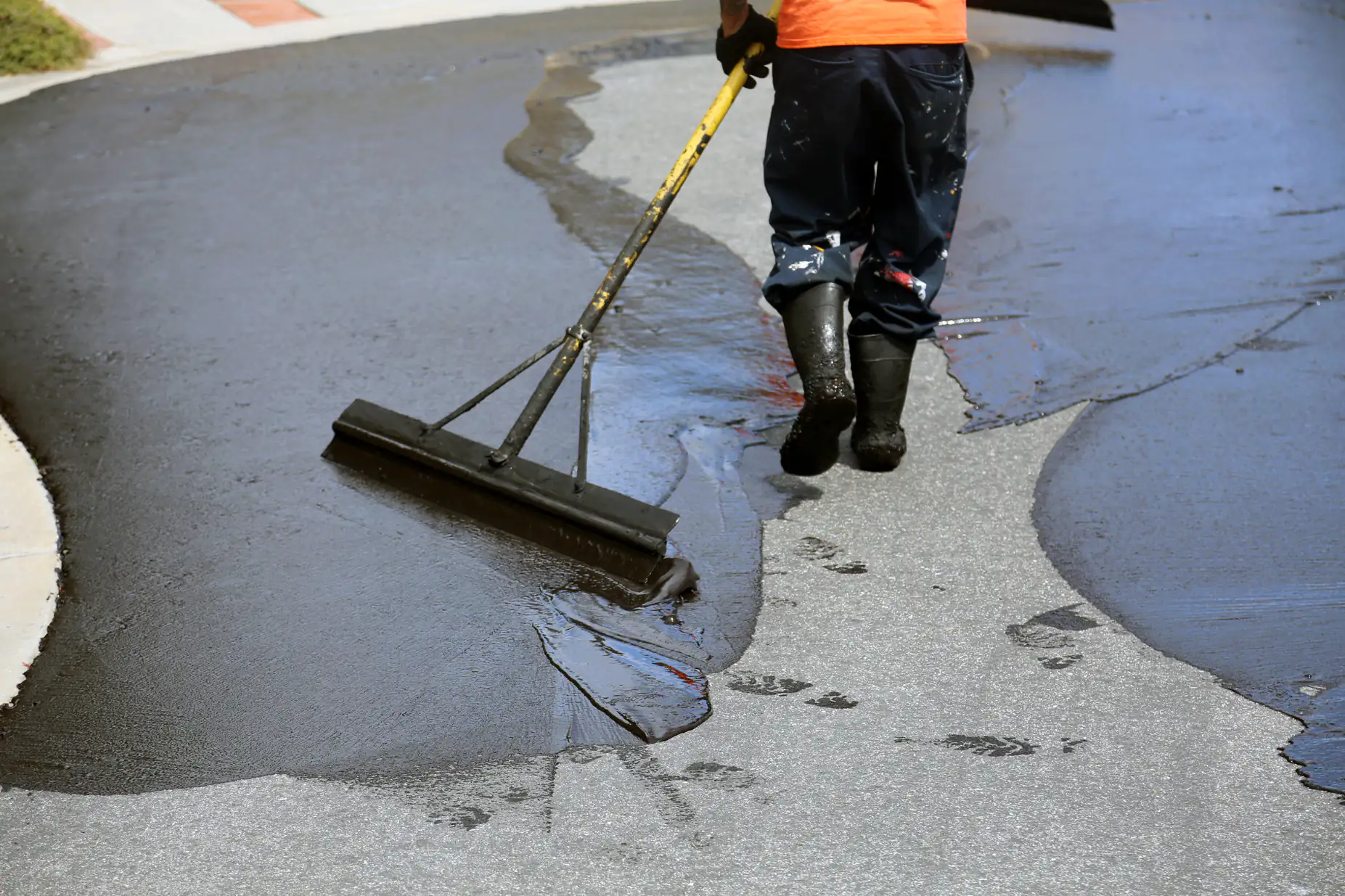
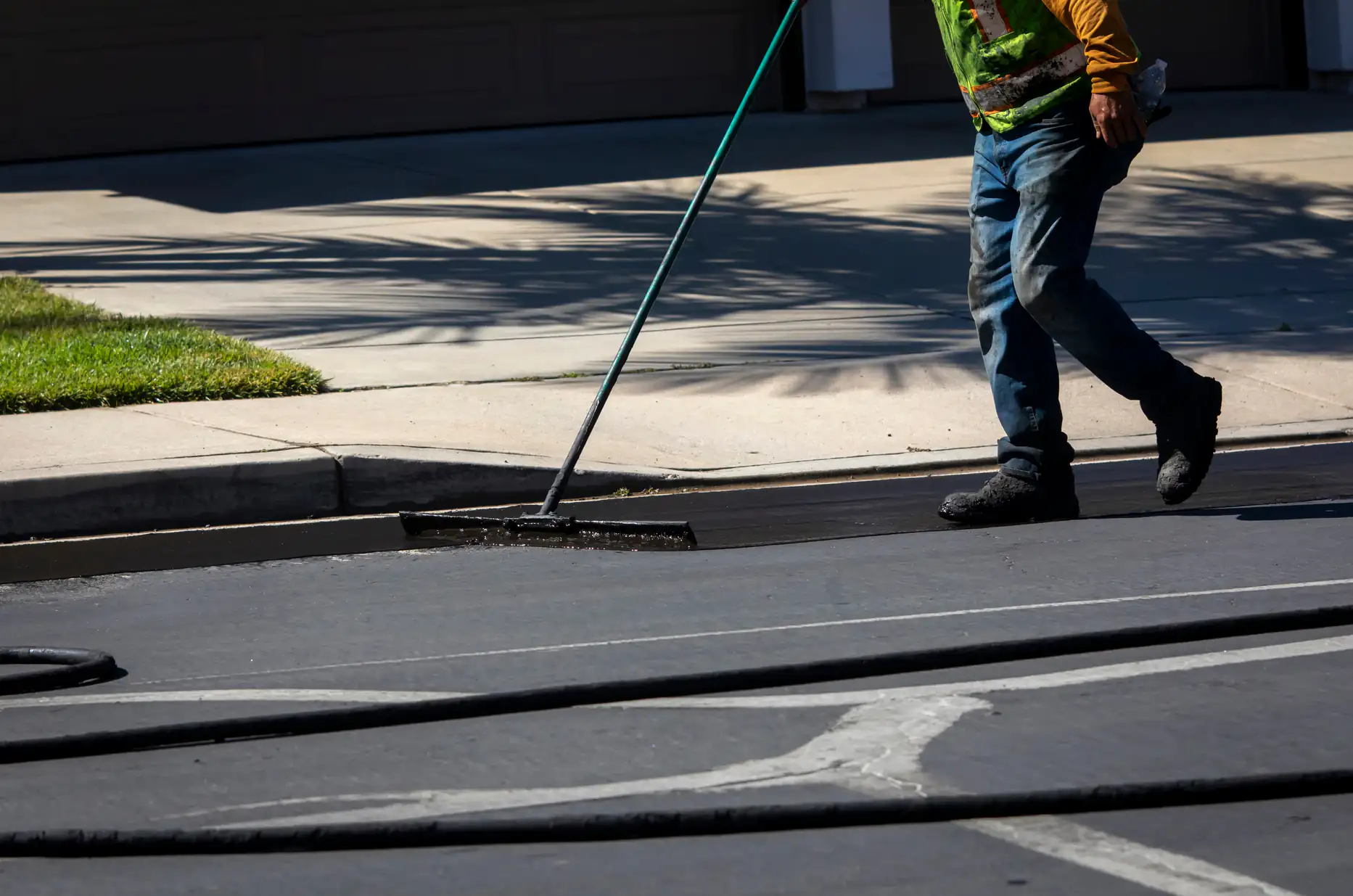
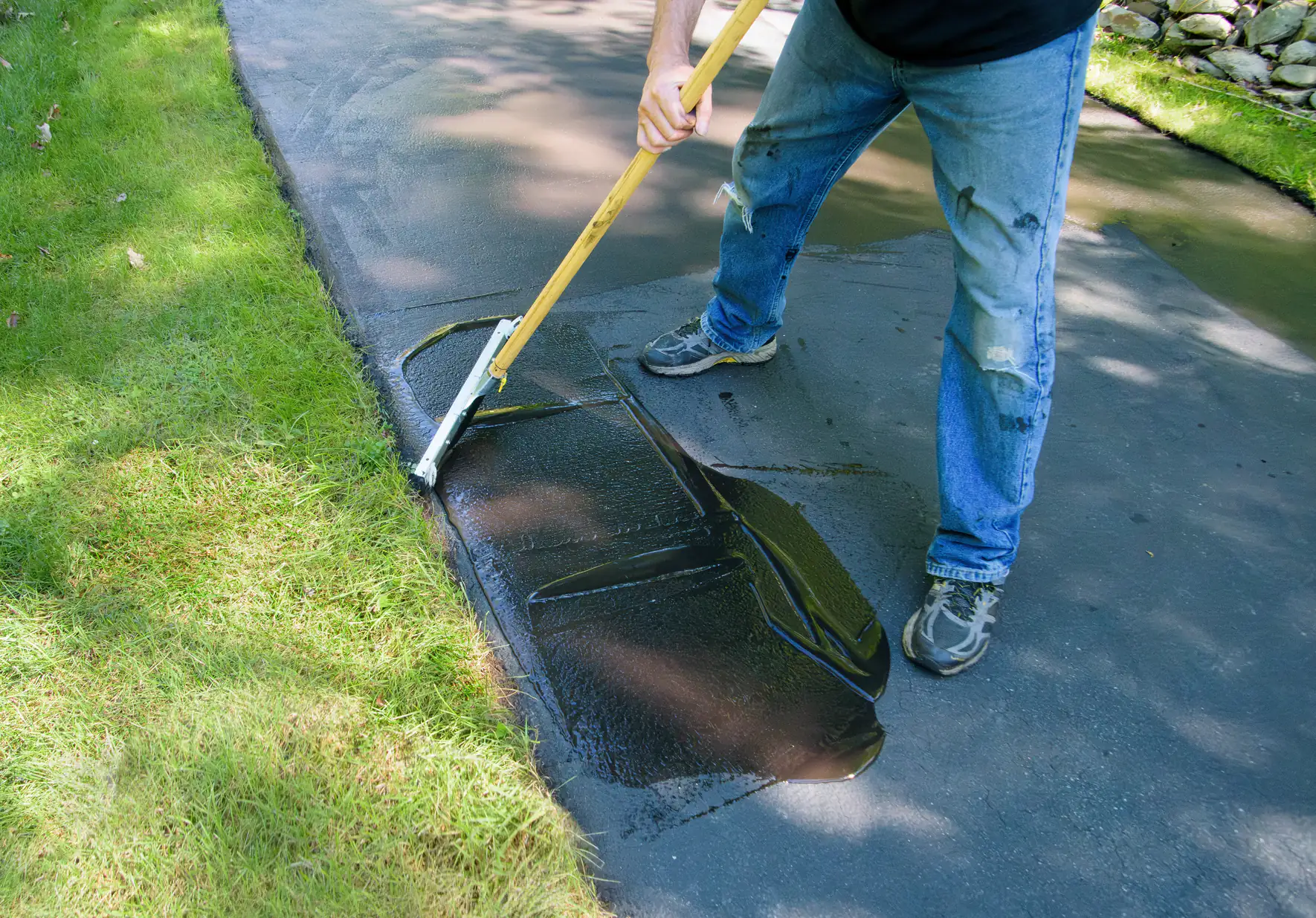
Then we apply two coats of commercial-grade sealer. We use squeegees or spray equipment depending on your driveway’s texture and condition. The first coat penetrates and bonds. The second coat builds thickness and protection.
You’ll need to stay off it for 24 to 48 hours depending on weather. Once cured, you’ve got a water-resistant, UV-protected surface that looks sharp and performs even better. The whole process typically takes a day for most residential driveways in Dover.
Ready to get started?
Driveway sealcoating in Dover typically runs between $0.30 and $0.50 per square foot. A standard two-car driveway costs $300 to $500 depending on size and condition.
That price includes surface cleaning, crack repair, two coats of professional sealer, and proper curing time. You’re not just paying for material—you’re paying for prep work that makes the sealer actually stick and last.
Timing matters here. Spring and fall are ideal in northern New Jersey. Temperatures need to stay above 50 degrees for at least 48 hours after application. Too cold and the sealer won’t cure. Too hot and it dries before it bonds properly.
If your driveway is new, wait at least six months before sealing. Fresh asphalt needs time to cure and release oils. Seal it too early and you trap moisture underneath, which leads to premature failure.
Most Dover homeowners seal every two to three years. If you park heavy vehicles or have a steep driveway with high water flow, you might need it more often. We’ll tell you honestly what your driveway needs—not what makes us the most money.
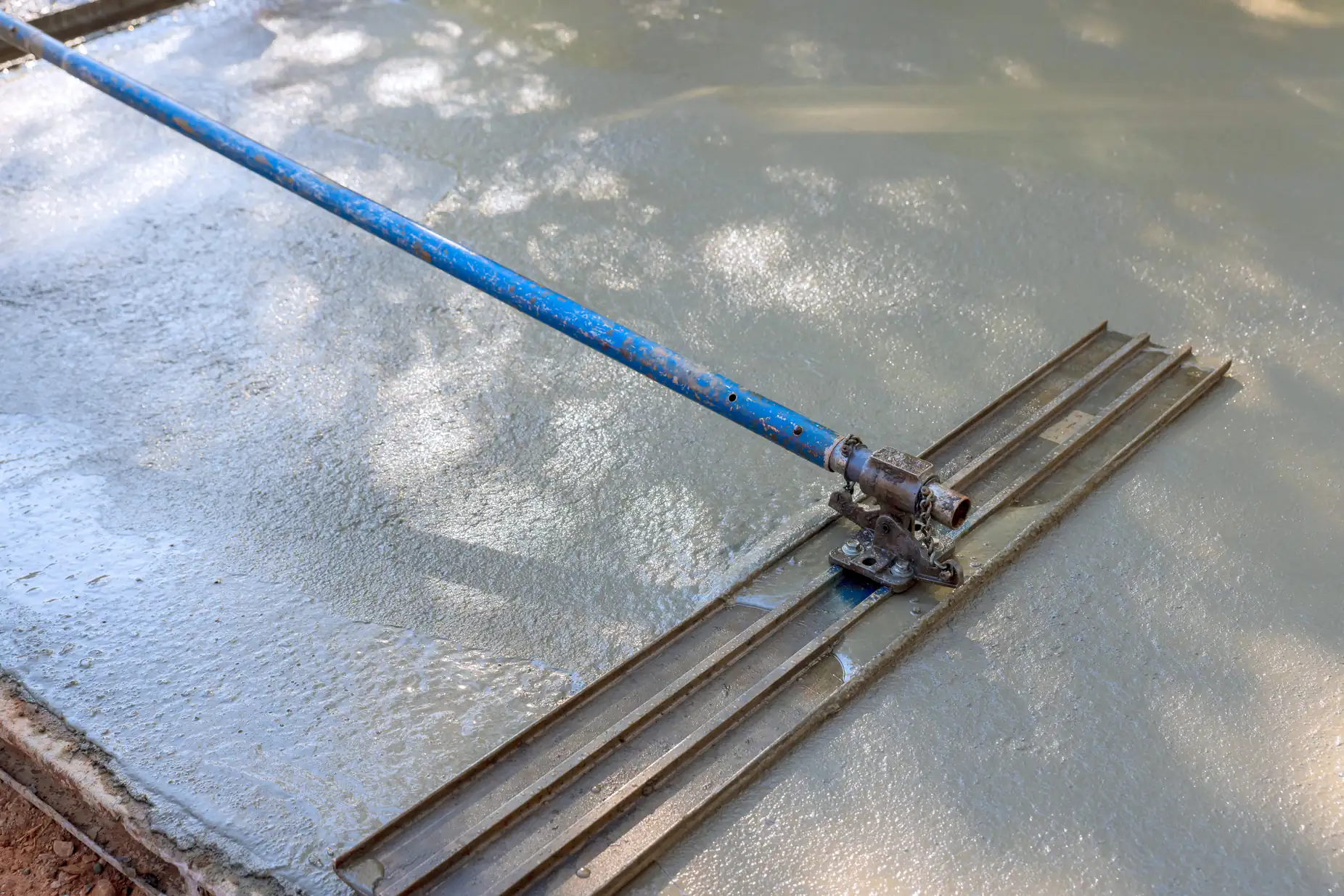
Professional sealcoating lasts two to three years in northern New Jersey under normal conditions. That timeline assumes you’re not parking commercial trucks or plowing aggressively every winter.
Weather plays a big role. Dover gets freeze-thaw cycles that stress pavement more than coastal areas. UV exposure during summer also breaks down the sealer over time. High-traffic areas near the street or garage apron wear faster than the middle of the driveway.
You’ll know it’s time to reseal when the surface starts looking gray instead of black, or when water stops beading up and starts soaking in. If you wait too long, you’re back to repairing cracks instead of preventing them. Regular sealing every two to three years keeps you ahead of damage instead of chasing it.
Asphalt and concrete need completely different products and approaches. Asphalt sealcoating uses a coal tar or asphalt emulsion that penetrates the surface and creates a protective layer. It’s flexible, handles temperature changes well, and restores that dark black color.
Concrete sealing uses a penetrating silane or siloxane sealer, or sometimes an acrylic topical sealer. The goal is to block water and salt intrusion while letting the concrete breathe. You’re not changing the color—you’re protecting what’s underneath.
The application process differs too. Asphalt sealing involves crack filling, cleaning, and two coats of sealer. Concrete sealing focuses on cleaning, etching if needed, and applying a penetrating sealer that soaks into the pores. Both protect your investment, but they’re not interchangeable. Using the wrong product on the wrong surface wastes money and doesn’t protect anything.
You can buy sealer at any home improvement store, but DIY jobs often fail within a year. The product quality isn’t the same—consumer-grade sealers are thinner and don’t hold up to New Jersey weather like commercial products do.
More importantly, prep work makes or breaks the job. Most homeowners skip proper cleaning, don’t fill cracks correctly, or apply sealer too thick or too thin. They also tend to seal in temperatures that are too cold or without checking the forecast for rain.
Professional crews have commercial-grade equipment, bulk pricing on better materials, and experience knowing how thick to apply sealer based on your driveway’s age and condition. A pro job costs $300 to $500 and lasts three years. A DIY job costs $100 in materials and fails in one year, which means you’re resealing twice as often. The math doesn’t favor DIY unless you’ve done it before and know the common mistakes.
Late spring and early fall are ideal for driveway sealing in Dover. You need consistent temperatures above 50 degrees for at least 48 hours after application, with no rain in the forecast.
April through June works well once the ground thaws and temperatures stabilize. September and October are even better—warm days, cool nights, and lower humidity help the sealer cure properly without drying too fast.
Avoid summer sealing during heat waves. When pavement temperatures hit 90-plus degrees, sealer can dry on the surface before it bonds underneath. Winter is obviously out—anything below 50 degrees prevents proper curing. If you seal in poor conditions, you’ll see premature cracking, peeling, or a sealer that never fully hardens. Timing isn’t just convenience—it’s the difference between a job that lasts three years and one that fails in six months.
Expect to pay between $0.30 and $0.50 per square foot for professional driveway sealcoating in Morris County. A typical 500-square-foot driveway runs $150 to $250. Larger driveways in the 800 to 1,000 square foot range cost $300 to $500.
Price depends on current condition, how much crack repair is needed, and accessibility. If your driveway has significant damage or requires extensive prep work, costs go up. Steep driveways or properties with limited access for equipment also add to the price.
Cheaper isn’t better here. Crews charging $100 for a full driveway are either skipping prep work, using thinned-down sealer, or applying only one coat. You’ll reseal again in a year instead of three. We give you upfront pricing with no surprises, and we don’t cut corners to hit a low number. You’re paying for work that actually protects your driveway, not just makes it look black for a few months.
Sealcoating doesn’t fix existing structural damage, but it absolutely prevents new damage from starting. The main enemy of asphalt is water. When water seeps into small cracks, it freezes, expands, and turns hairline cracks into potholes by spring.
A proper seal coat creates a waterproof barrier that keeps moisture out. It also protects against UV rays that dry out asphalt and make it brittle. Gas and oil stains break down asphalt binder too—sealcoating resists those chemicals and makes cleanup easier.
Think of it like maintaining your car. Oil changes don’t fix a blown engine, but they prevent one from happening. Sealcoating works the same way. If you start sealing a new or newly repaired driveway and stay on a regular schedule, you can push the lifespan from 15 years to 25-plus. But if you wait until the driveway is already falling apart, sealing won’t save it. You’ll need repairs or replacement first, then sealing to protect the investment.