
Hear from Our Customers
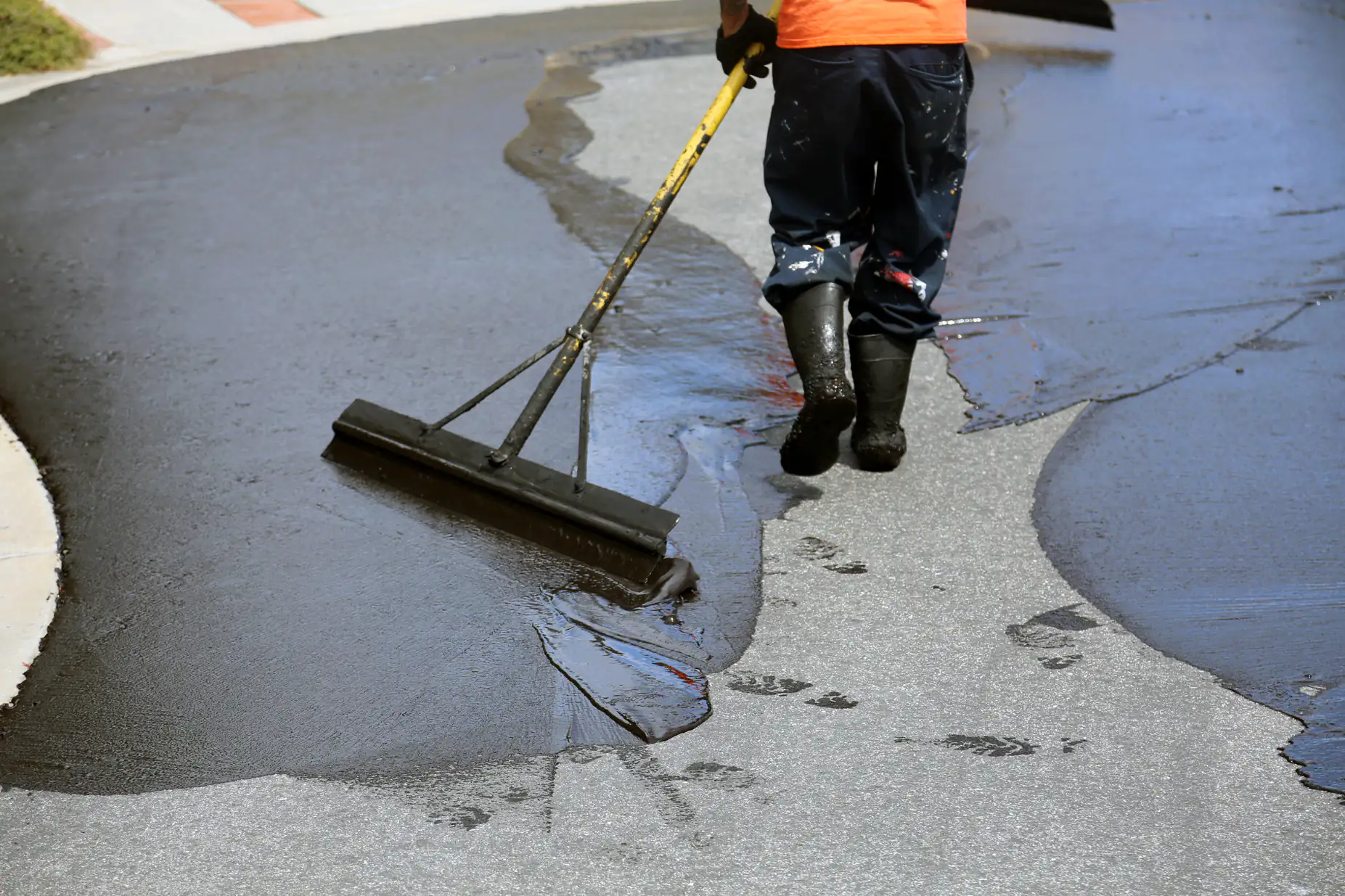
Your driveway takes a beating in Vernon Center. Between the 55-75 freeze-thaw cycles every winter and the de-icing salts you’re using just to get out safely, the asphalt doesn’t stand a chance without protection.
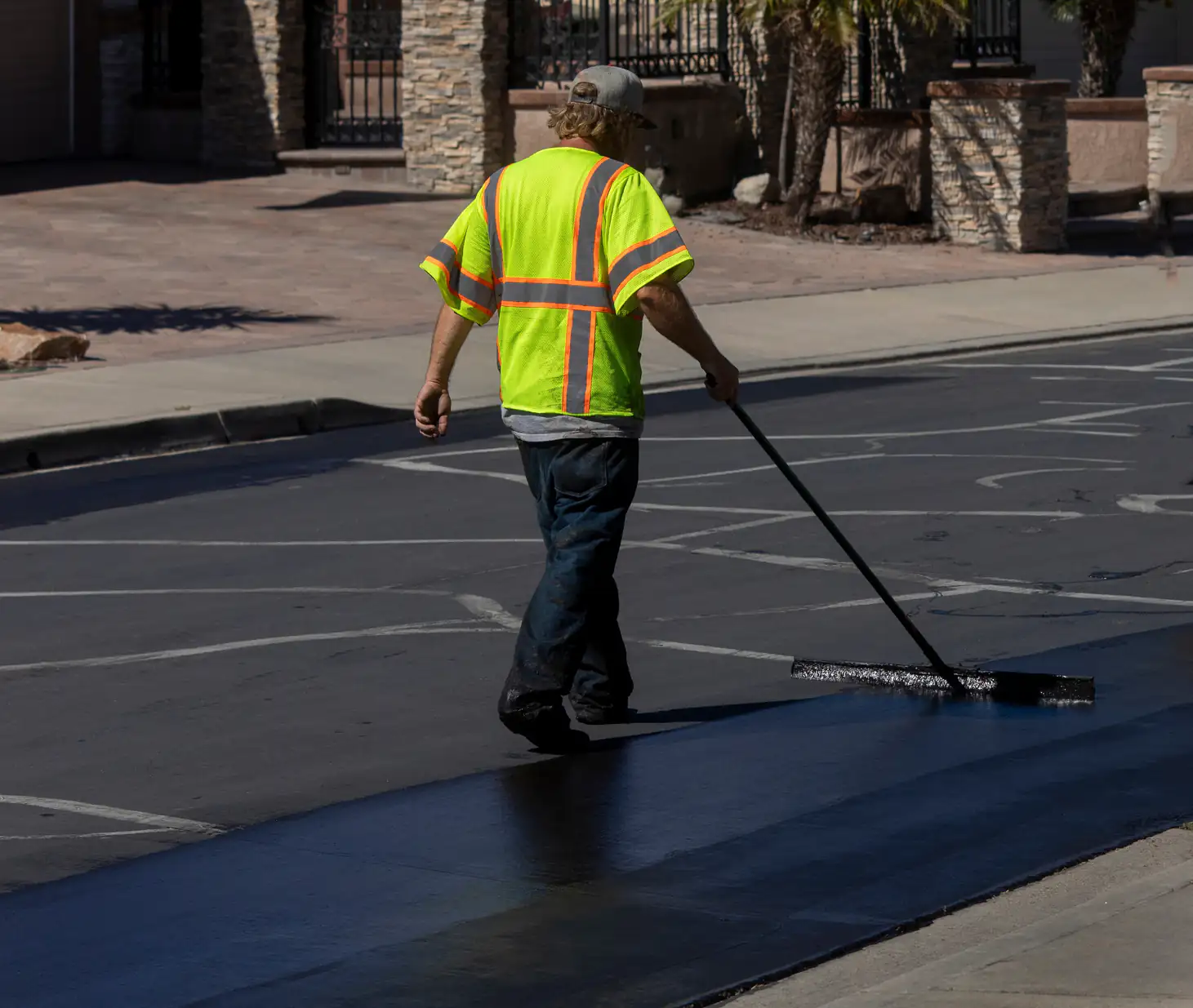
Here’s what changes when you seal it right. Water stops penetrating the surface, which means it can’t freeze, expand, and crack your pavement from the inside out. UV rays from summer sun stop breaking down the binder that holds everything together. Oil drips from your car wash off instead of eating through the surface.
The math is straightforward. Sealcoating every three years costs you around $200-300 per application. Replacing your driveway runs $3,000-10,000. You’re looking at extending your pavement’s lifespan from 15 years to 25+ years, and your property value stays intact instead of dropping because of a cracked, deteriorating driveway that screams “deferred maintenance.”
We’ve been sealing driveways in Morris, Sussex, and Somerset Counties for over 20 years. Third-generation, family-owned, and we’re not going anywhere.
Vernon Center properties deal with specific challenges. Your elevation means harsher winters than towns 20 minutes south. Your soil conditions affect how pavement settles. Your longer commute times mean heavier daily wear on your driveway. We account for all of it.
You’ll get a callback within 24-48 hours when you request a quote online. Pricing is clear upfront. The work comes with a warranty. And over 80% of our business comes from people who’ve hired us before or were referred by someone who did.
First, we inspect your driveway for damage that needs repair before sealing. Cracks get filled, potholes get patched, and any failing sections get addressed. Sealing over problems just hides them temporarily.
Next comes surface prep. We power wash to remove dirt, oil, vegetation, and any loose material. The surface has to be completely clean and dry, or the sealer won’t bond properly. This step matters more than most contractors admit.
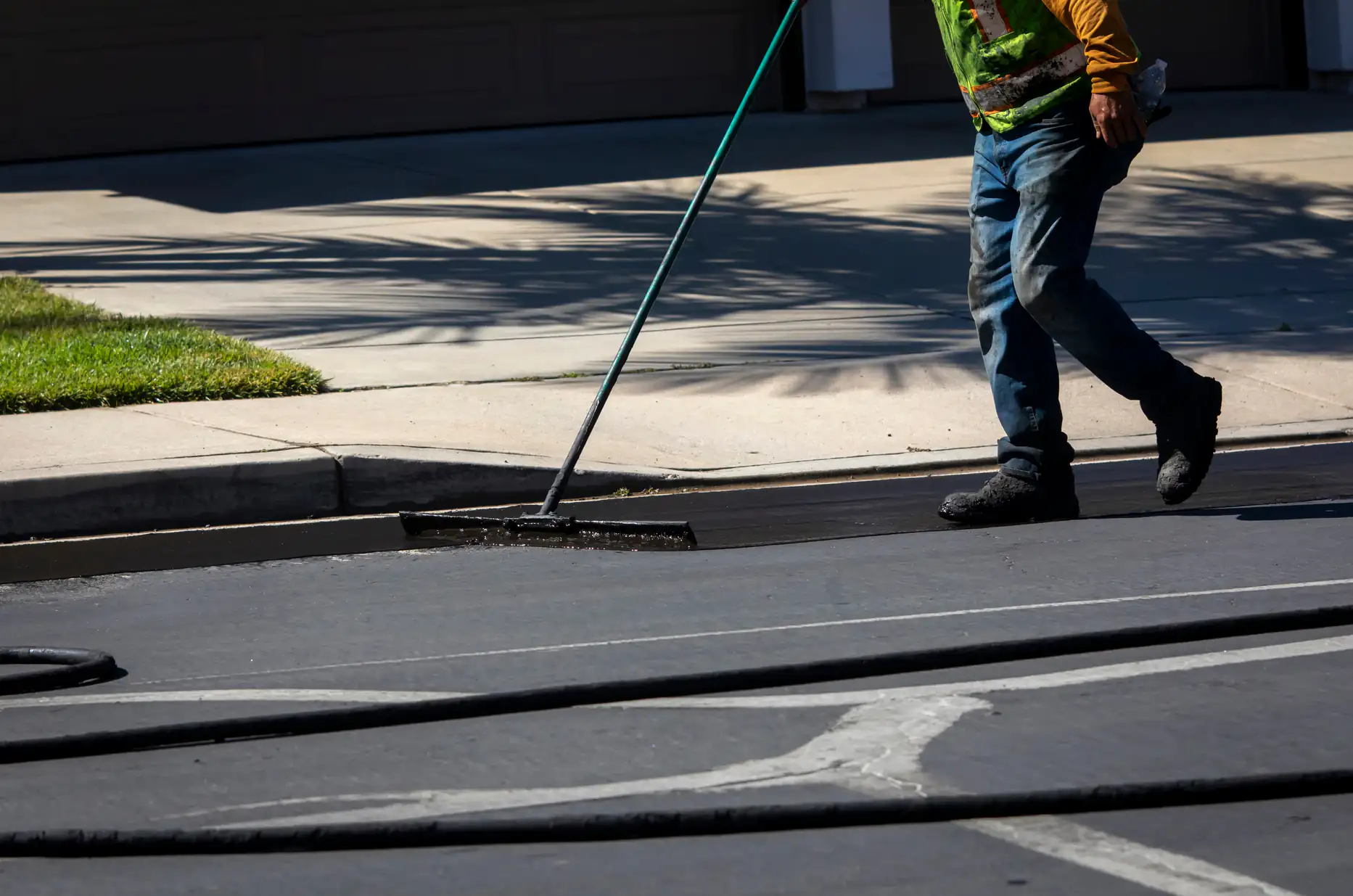
Then we apply commercial-grade sealer in two coats. Not the watered-down homeowner stuff from the hardware store. Two coats are standard in New Jersey because of how brutal your freeze-thaw cycles are. One coat might last two years. Two coats give you three to four.
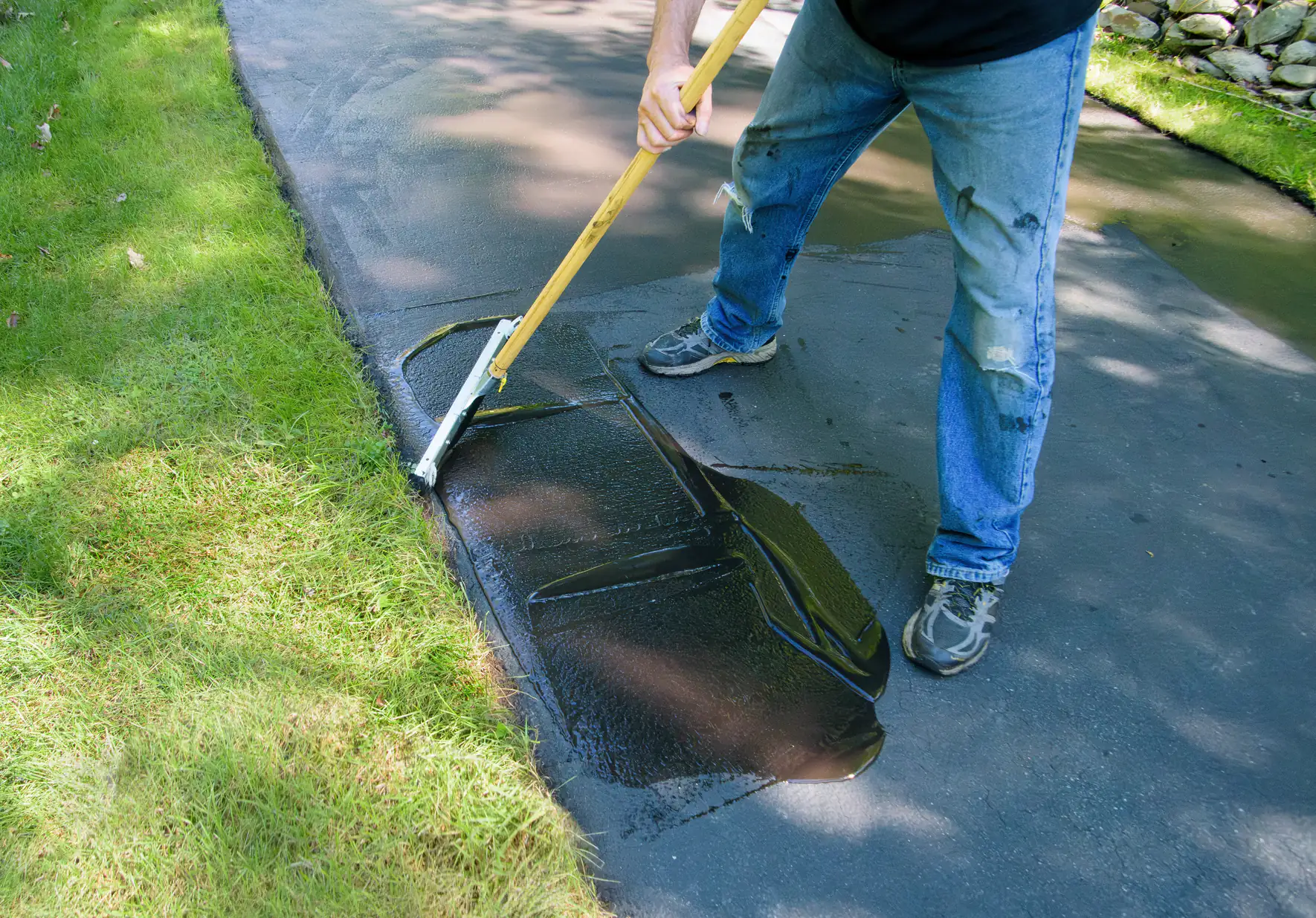
The sealer needs 24-48 hours to cure, depending on temperature and humidity. You’ll need to stay off it during that time. After that, you’ve got a fresh black surface that sheds water, resists stains, and protects the asphalt underneath from everything Vernon Center weather throws at it.
Ready to get started?
Driveway sealing in Vernon Center typically runs $0.15-$0.40 per square foot. Most residential driveways fall in the $200-500 range for a complete two-coat application. That’s about 15-20% higher than the national average, and it’s because labor costs more in North Jersey and the materials need to be higher grade to survive your climate.
You’re not just paying for sealer. You’re paying for crack filling, surface cleaning, proper application with the right equipment, and a crew that knows the difference between doing it fast and doing it right. Cheap sealcoating jobs skip the prep work, use one thin coat, and leave you resealing again in 18 months.
The return on this is simple. A $300 sealcoating job every three years costs you $100 annually. Letting your driveway deteriorate until you need resurfacing costs $1,500-3,000. Full replacement runs $3,000-10,000. Vernon Center sees enough winter damage that you’ll hit that replacement point in 15 years without sealing, or stretch it past 25 years with regular maintenance.
One more thing: if you’re seeing contractors pushing coal tar sealers, know that several New Jersey municipalities have banned or restricted them because of environmental concerns. Asphalt-based sealers work just as well and don’t carry the same risks.
Every two to three years is the standard recommendation for Vernon Center driveways. Your specific timeline depends on a few factors: how much traffic your driveway gets, whether it’s shaded or in full sun, and how harsh the previous winter was.
If you’re using de-icing salts heavily, you might need to reseal closer to the two-year mark. Those chemicals are effective at melting ice, but they’re also effective at breaking down asphalt. Same goes if your driveway is in full sun most of the day—UV damage accelerates wear.
You can tell it’s time when the surface starts looking gray instead of black, or when water stops beading up and starts soaking in. Once water penetrates easily, you’re on borrowed time before freeze-thaw damage starts creating cracks.
Late spring through early fall is your window. You need temperatures consistently above 50°F during the day and at night for at least 24-48 hours after application. The sealer won’t cure properly in cold weather, and you’ll end up with a mess.
Most Vernon Center homeowners schedule sealcoating in May, June, or September. July and August work too, but if it’s too hot—over 90°F—the sealer can dry too fast and not bond correctly. You also want to avoid sealing right before rain, which means watching the forecast carefully.
New asphalt needs six to twelve months to cure before you seal it. If you just had your driveway paved, wait until the following season. Sealing too early traps oils in the asphalt that need to evaporate, and you’ll end up with a surface that never fully hardens.
You can do it yourself, but the results usually show it. The sealer you buy at home improvement stores is thinner and lower quality than what we use as professional contractors. You’re also working with basic application tools instead of commercial spray equipment that ensures even coverage.
The bigger issue is prep work. Most DIY jobs skip proper crack filling, don’t clean the surface thoroughly enough, and apply sealer over dirt and oil that prevent bonding. You end up with a driveway that looks okay for six months, then starts failing in patches.
Professional sealcoating costs $200-500 for most driveways in Vernon Center. That includes crack repair, power washing, two coats of commercial-grade sealer, and a warranty. A DIY job might save you $100-150, but if it only lasts half as long, you’re not actually saving money. You’re also spending a full weekend on manual labor in the heat.
No. Sealcoating protects the surface—it doesn’t repair structural damage. If your driveway has cracks, they need to be filled before sealing. If you have potholes or sections where the base is failing, those need to be patched or replaced.
Think of sealcoating like painting a house. It protects what’s underneath and makes it look better, but it doesn’t fix rot or structural problems. If you seal over cracks without filling them first, water will still get in, freeze, and make those cracks worse.
That’s why a proper sealcoating job starts with inspection and repair. We fill cracks with rubberized crack filler that flexes with temperature changes. Small potholes get patched with hot asphalt. Larger failing sections might need to be cut out and replaced. Then we seal everything to protect it going forward. Skipping the repair step is just throwing money away.
A quality two-coat sealcoating job lasts three to four years in Vernon Center. Single-coat applications only give you one to two years, which is why we don’t recommend them for New Jersey driveways.
Your driveway’s exposure affects longevity. If it’s shaded by trees, the sealer lasts longer because UV damage is reduced. If it’s in full sun or gets heavy traffic, you’ll be on the shorter end of that timeline. Heavy use of de-icing salts also shortens the lifespan.
You’ll know the sealcoating is wearing out when the surface starts looking faded and gray instead of deep black. Water will stop beading up and start absorbing into the pavement. Once you see those signs, it’s time to reseal. Waiting too long means you’re back to unprotected asphalt taking damage from every freeze-thaw cycle.
Absolutely. The numbers are clear. Sealcoating costs $200-500 every three years. Over 15 years, you’re spending around $1,000-2,500 in maintenance. Without it, your driveway deteriorates to the point where you need full replacement, which runs $3,000-10,000 depending on size.
Vernon Center driveways face 55-75 freeze-thaw cycles every winter. Each cycle pushes water into cracks, freezes it, and expands those cracks wider. Within a few years of skipping sealcoating, you’re looking at significant cracking, surface erosion, and base failure. Once the damage reaches that point, patching doesn’t cut it anymore.
Sealcoating extends your driveway’s functional life from 15 years to 25+ years. That’s a decade of avoided replacement costs. It also maintains your property value—a deteriorating driveway is one of the first things potential buyers notice, and it signals that other maintenance has probably been deferred too.