
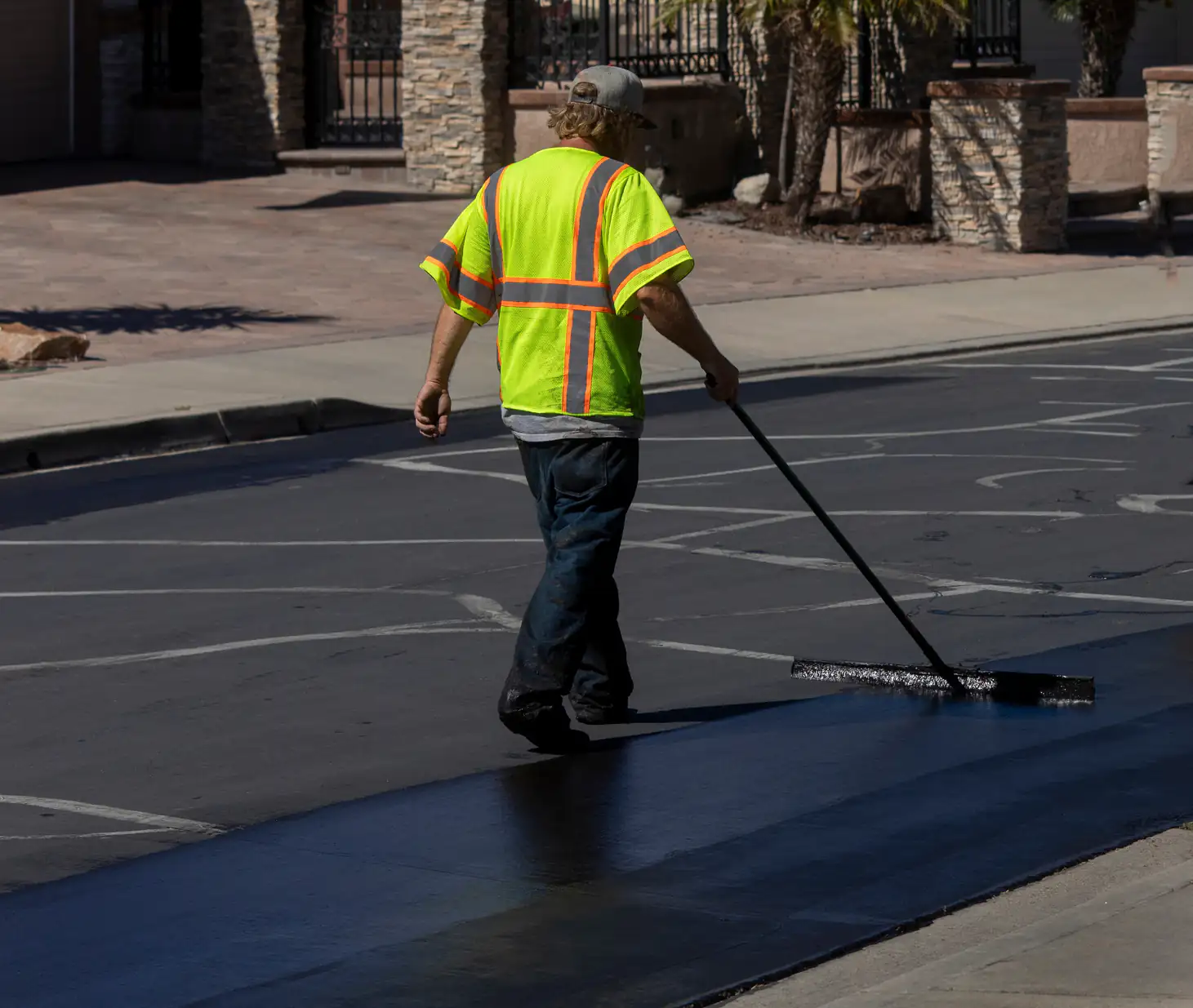
Hear from Our Customers
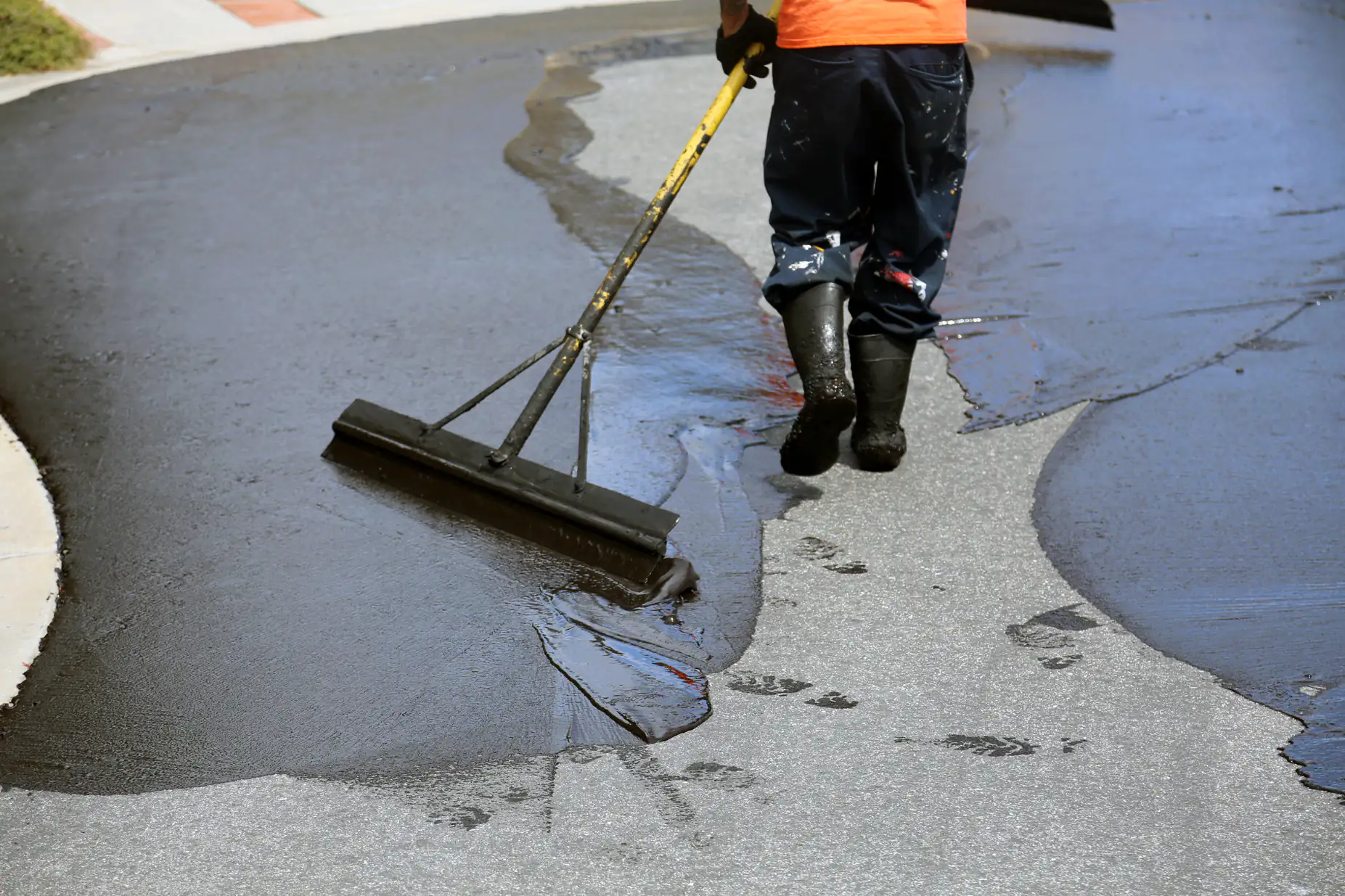
Sealing your asphalt driveway isn’t about making it look nice for the neighbors. It’s about stopping water from getting in, freezing, expanding, and tearing your driveway apart from the inside out.
Watsessing sees 55 to 75 freeze-thaw cycles every winter. Each one pushes water deeper into unsealed cracks, widening them by 9% when it freezes. That’s how small cracks become potholes, and potholes become full resurfacing jobs that run $5,000 or more.
Sealcoating creates a waterproof barrier that keeps moisture out, protects against UV damage, and resists oil and gas stains. Done right and on schedule, it can double the functional life of your driveway—20 to 30 years instead of 10 to 15. Most homeowners in North Jersey spend $250 to $600 on sealcoating every few years, compared to $8 to $15 per square foot for replacement. The math isn’t complicated.
We’ve spent over 20 years working in Morris, Sussex, and Somerset Counties. We know what winter does to driveways here because we’ve repaired the damage and prevented it hundreds of times.
We’re not the cheapest option in Watsessing, and we’re fine with that. Cheap sealcoating means watered-down sealer, skipped prep work, or one coat instead of two. You’ll be resealing again in a year, or worse—paying for repairs that proper sealing would’ve prevented.
We use high-grade materials, power wash before sealing, fill cracks properly, and apply two coats so the protection actually lasts. Our 24-to-48-hour callback guarantee means you’re not waiting around wondering if anyone’s going to show up. And if we say we’ll start on Tuesday, we start on Tuesday.
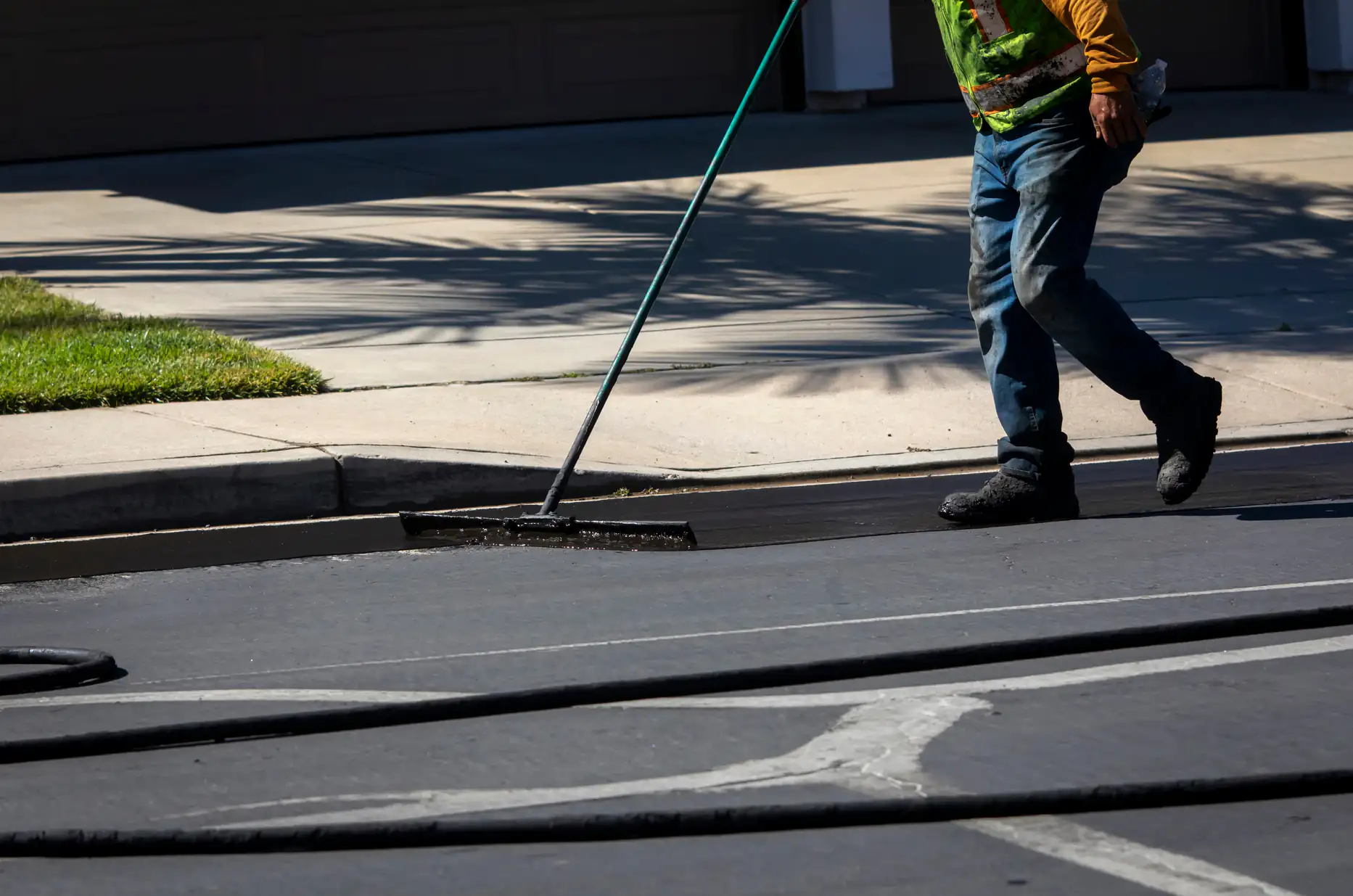
First, we inspect your driveway to see what condition it’s in. If there are cracks wider than a quarter-inch, we fill them with hot rubberized crack filler before sealing. Skipping this step is how water still gets in even after sealcoating.
Next, we power wash the entire surface to remove dirt, oil, and any loose material. Sealer won’t bond to a dirty driveway, so this step matters more than most contractors admit.
Once the surface is clean and dry, we apply the first coat of commercial-grade sealer. This soaks into the asphalt and starts forming that protective layer. After it dries, we apply a second coat for full coverage and durability. Two coats aren’t overkill—they’re the difference between protection that lasts two years and protection that lasts three to five.
The whole process takes one to two days depending on driveway size and weather. You’ll need to stay off it for 24 to 48 hours while it cures. After that, it’s ready for traffic, and you’re set for the next few seasons.
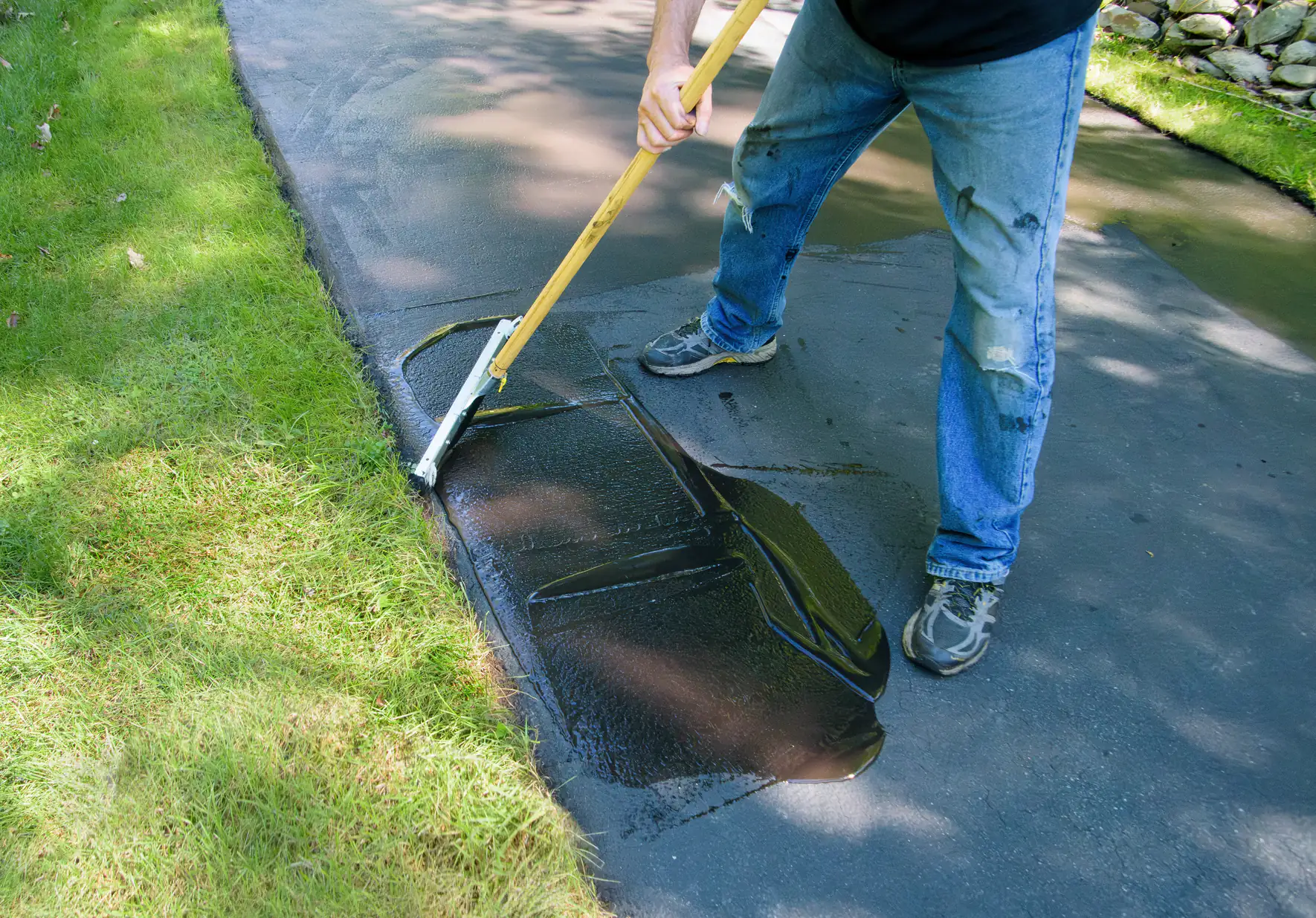
Ready to get started?
Most residential driveways in Watsessing run between $250 and $600 for professional sealcoating, depending on size and condition. That includes power washing, crack filling, two coats of sealer, and a warranty that actually means something.
If someone quotes you $150 for a 600-square-foot driveway, they’re either skipping steps or using sealer that’s been diluted so much it won’t protect anything. You’ll know within six months when the surface starts wearing through.
Timing matters too. Fall is the best window for sealing in North Jersey—temperatures are stable, humidity is lower, and the sealer cures properly before winter hits. Spring works if your driveway survived the winter without major damage, but you’re gambling on unpredictable weather.
Sealcoating should happen every two to three years once your driveway is a year or two old. Any sooner and the asphalt hasn’t fully cured. Any later and you’re letting oxidation and UV damage break down the surface, which means you’re paying for repairs instead of prevention. We’ll remind you when it’s time so you’re not guessing or waiting until cracks show up.
Every two to three years after the first year. New asphalt needs time to cure before sealing—usually 12 to 18 months depending on when it was installed and how much traffic it gets.
After that, you’re on a maintenance schedule. If you wait longer than three years, UV rays and weather start breaking down the asphalt binder, and the surface gets brittle. That’s when small cracks turn into bigger problems, and sealing alone won’t fix it.
If your driveway sees heavy use—multiple vehicles, frequent turning, or commercial traffic—you might need to seal closer to every two years. Light residential use can stretch it to three. Either way, don’t wait until you see widespread cracking. By then, you’re paying for repairs on top of sealing.
Late spring through early fall, with fall being the sweet spot. You need temperatures above 50°F during the day and overnight for the sealer to cure properly. Too cold and it won’t bond. Too hot and it dries too fast, which causes surface issues.
Fall gives you stable temps, lower humidity, and enough time for the sealer to cure before winter. Spring works too, but you’re dealing with more rain and unpredictable temperature swings, which can delay the job or mess with curing.
Avoid sealing in summer heat if possible. When it’s 90°F or hotter, sealer can dry on the surface before it penetrates, and you end up with a weaker seal that wears faster. If summer is your only option, we schedule for early morning or late afternoon when temps drop.
Yes, by 10 to 15 years if you stay on schedule. Unsealed asphalt in a climate like Watsessing’s typically lasts 10 to 15 years before it needs resurfacing or replacement. Sealed asphalt can last 20 to 30 years because you’re protecting it from the things that cause damage—water infiltration, UV breakdown, and chemical exposure.
Sealcoating creates a waterproof barrier that stops water from seeping into cracks and freezing. It also blocks UV rays that dry out the asphalt binder and make the surface brittle. And it resists oil and gas stains, which eat away at asphalt if left untreated.
The key is consistency. One application helps, but the real protection comes from resealing every few years. Think of it like changing the oil in your car—skip it once and you’re probably fine, skip it five times and you’re looking at engine damage.
You can do it yourself, but the results won’t match professional work unless you know what you’re doing and have the right equipment. DIY sealcoating kits from big-box stores use thinner sealer that doesn’t last as long, and most homeowners skip critical prep steps like crack filling and power washing.
We use commercial-grade sealer that’s thicker and more durable. We also have the equipment to apply it evenly and the experience to know how much to use, how long to wait between coats, and what conditions will cause problems.
If your driveway is small, in good shape, and you’re comfortable with the work, DIY can save money upfront. But if there are cracks, oil stains, or uneven areas, or if you want the job done right the first time, hiring us makes more sense. Bad DIY sealcoating can actually trap moisture under the surface and cause more damage than no sealing at all.
Most residential driveways cost between $250 and $600 depending on size, condition, and how much prep work is needed. A standard 600-square-foot driveway with minimal cracking usually falls in the $250 to $400 range. Larger driveways or ones that need extensive crack filling can push toward $600 or more.
Pricing typically runs $0.15 to $0.40 per square foot in New Jersey, but that varies based on the contractor, materials, and what’s included. If someone quotes significantly lower, ask what’s not included—power washing, crack filling, and a second coat all cost money, and skipping them means the sealer won’t last.
You’ll also pay more during peak season (summer) when demand is high. Scheduling in early spring or fall can save you a few hundred dollars and usually means faster turnaround since we aren’t as backed up. Just make sure the weather cooperates—sealing in 45°F weather because you wanted the off-season discount isn’t worth it.
It deteriorates faster, and you’ll pay more in repairs or replacement down the line. Unsealed asphalt is exposed to everything—water, UV rays, oil, gas, and freeze-thaw cycles. Over time, the surface oxidizes, turns gray and brittle, and starts cracking.
Once cracks form, water gets in. In Watsessing’s climate, that water freezes and expands during winter, widening the cracks and creating potholes. What starts as a small crack you could’ve filled for $50 turns into a section that needs patching for $500, or worse—a full resurface for thousands.
Unsealed driveways also stain easier and look worn faster, which affects curb appeal and property value. Even a 1% drop in perceived value because of a damaged driveway can cost you thousands when you sell. Sealing is cheap insurance compared to the alternative.