
Hear from Our Customers
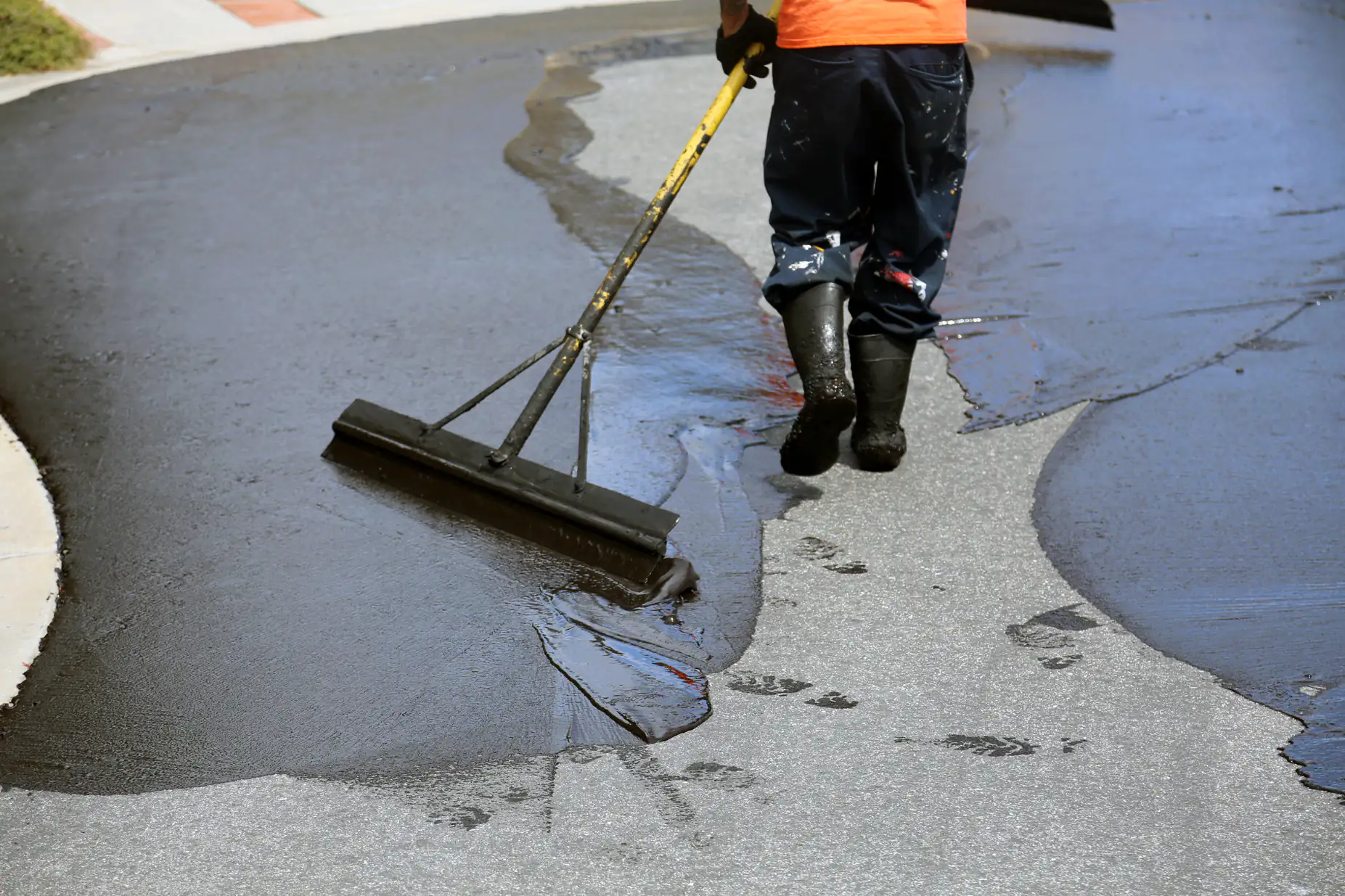
Your driveway takes a beating every winter. Water seeps into small cracks, freezes, expands by 9%, and turns minor surface issues into structural problems that cost thousands to fix.
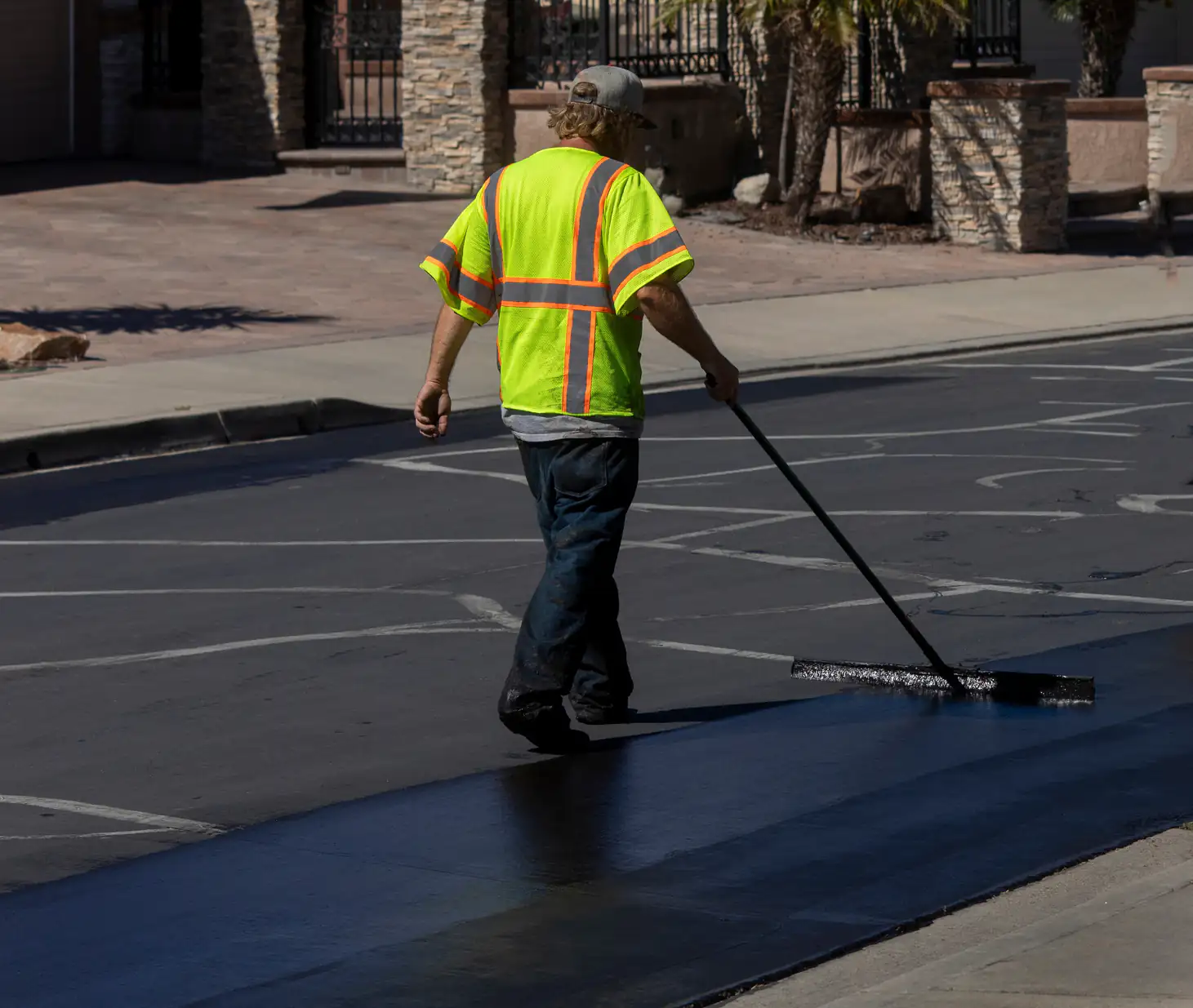
Sealcoating creates a waterproof barrier that keeps moisture out and protects against road salt, oil spills, and UV damage. It’s not just about looks—though a freshly sealed driveway does restore that deep black finish. It’s about stopping expensive damage before it starts.
The difference between a 15-year driveway and a 25-year driveway often comes down to whether it was sealed regularly. Most Short Hills homeowners seal every 2-3 years. That’s roughly $300-500 per application versus $8,000-15,000 for a full replacement when cracks turn into potholes and the base starts failing.
We’ve spent over two decades working on driveways throughout Morris County. We’re based here, we know the climate challenges here, and we’ve seen what happens when homeowners skip maintenance or hire contractors who rush the job.
Short Hills properties demand precision. Your driveway is often the first thing visitors see, and in a community where homes regularly exceed $1.5 million, every detail matters. We treat your property accordingly—proper surface prep, quality materials, correct application temperatures, and timing that respects New Jersey’s weather patterns.
We’re BBB accredited, fully insured, and we guarantee callbacks within 24-48 hours. No disappearing after the deposit. No surprise charges.
First, we inspect your driveway for cracks, oil stains, and drainage issues. If there are cracks wider than a quarter-inch, we fill them with hot rubberized crack filler before sealing. Skipping this step is how other contractors fail you—sealcoat doesn’t fill gaps.
Next, we clean the entire surface. Oil spots get treated with a degreaser because sealant won’t bond to petroleum residue. We remove debris, dirt, and vegetation growing in edges. Then we let everything dry completely.
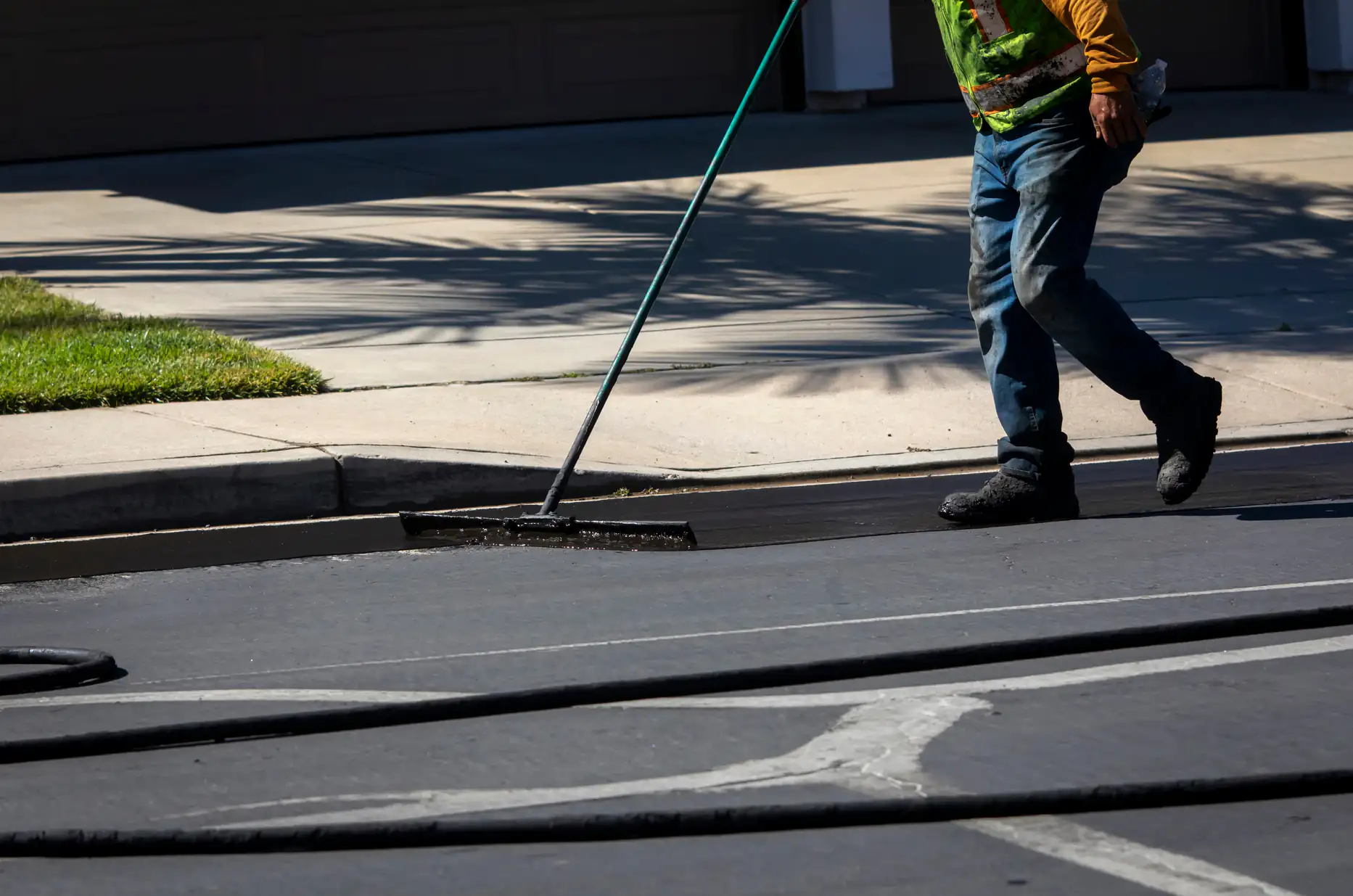
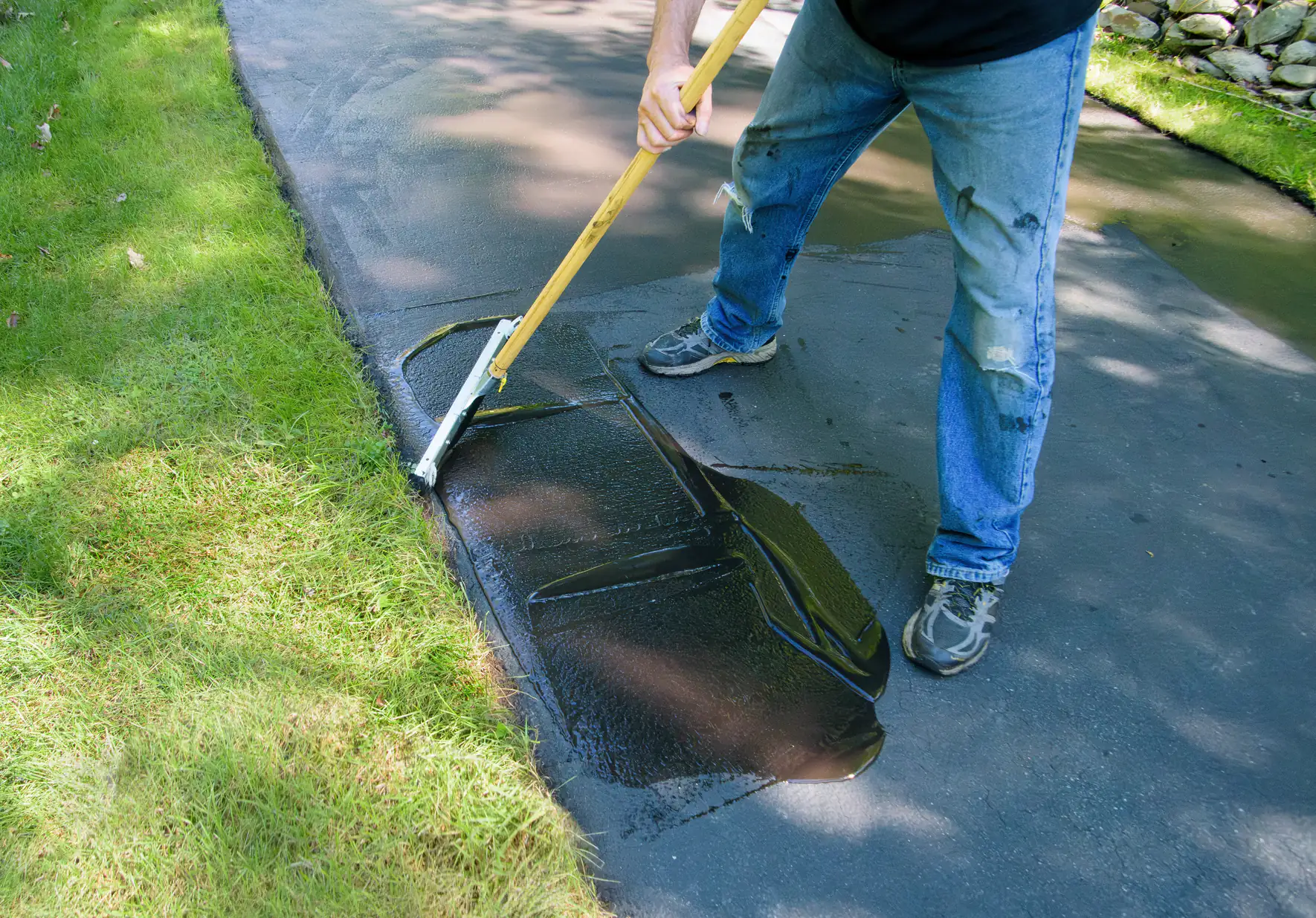
Application happens on a dry day when temperatures will stay above 50°F for at least 48 hours. We apply commercial-grade sealer in two thin coats—not one thick coat that peels. Each coat needs to cure before the next goes down.
You’ll need to stay off the driveway for 24-48 hours depending on weather. After that, your driveway is protected and ready for another New Jersey winter.
Ready to get started?
Driveway sealing in Short Hills typically runs between $0.15-0.40 per square foot depending on your driveway’s condition and size. A standard 1,000 square foot driveway costs $300-500 when done properly.
That price includes crack filling, surface cleaning, oil spot treatment, and two coats of commercial-grade sealer. We use high-grade asphalt emulsion sealers—not the cheap stuff from big box stores that wears off in six months.
Timing matters for cost and results. Fall is ideal in New Jersey. Temperatures are moderate, humidity is lower, and you’re protecting your driveway right before winter damage season. Spring works too, but you’re repairing winter damage instead of preventing it.
Most driveways in Morris County need resealing every 2-3 years. If your driveway is fading to gray, feels rough instead of smooth, or you’re seeing small cracks appear, it’s time. Waiting until you have potholes means you’re past the prevention stage and into repair mode—which costs significantly more.
Professional sealcoating typically lasts 2-3 years in New Jersey’s climate. You’ll know it’s time to reseal when the surface starts looking gray instead of black, feels rougher under your feet, or small cracks begin appearing.
The lifespan depends on traffic, weather exposure, and whether the job was done correctly the first time. Driveways that face south get more UV damage and fade faster. Heavy vehicle traffic wears through sealer quicker than driveways used only by passenger cars.
Some contractors claim their sealer lasts 5+ years. That’s marketing. New Jersey winters are brutal on asphalt. Freeze-thaw cycles, road salt tracked in from streets, and temperature swings from below zero to 90+ degrees all break down sealant over time. Plan on resealing every 2-3 years if you want continuous protection.
Fall is the best time to seal your driveway in Short Hills. You get moderate temperatures, lower humidity, and enough warm days for proper curing before winter hits.
Sealcoating needs at least 48 hours of dry weather with temperatures above 50°F. Fall typically offers more consistent conditions than spring, when rain is frequent and temperatures fluctuate. You’re also creating a protective barrier right before the season that causes the most damage.
Spring is your second-best option, particularly late April through June. Just know that you’re repairing damage from the winter that just passed rather than preventing damage from the winter ahead. Either season works—fall is just more strategic timing.
You can seal your own driveway, but most DIY jobs fail within a year because the process is more involved than it looks. Surface prep matters more than the actual sealing, and that’s where homeowners usually cut corners.
Professional equipment makes a significant difference. We use commercial-grade sprayers that apply thin, even coats. Brush or squeegee application—what you’d do yourself—often goes on too thick, dries unevenly, and peels. We also have hot pour crack filling equipment that creates flexible, waterproof repairs. Hardware store crack filler hardens and pops out during freeze-thaw cycles.
The cost difference isn’t huge. A DIY job might save you $150-200 after buying materials and tools, but if it fails early or doesn’t protect properly, you’ve actually lost money. Professional sealcoating done right extends your driveway’s life. DIY done wrong accelerates deterioration.
Most driveways in Short Hills cost between $300-700 to seal professionally, depending on size and condition. The typical range is $0.15-0.40 per square foot for complete service including crack filling and two coats of sealer.
A standard two-car driveway around 1,000 square feet runs $300-500. Larger driveways or those with significant cracking and oil stains cost more because they require extra prep work. If your driveway hasn’t been sealed in 5+ years, expect to pay toward the higher end.
Compare that to $8,000-15,000 for driveway replacement when neglected asphalt fails completely. Or even $2,000-4,000 for patching and resurfacing when cracks turn into potholes. Sealcoating every 2-3 years is the cheapest maintenance you can do to avoid expensive repairs later.
Yes. Properly maintained asphalt with regular sealcoating lasts 20-30 years. Unsealed asphalt typically fails around 12-15 years. The difference is whether water penetrates the surface and destroys the base underneath.
Asphalt is petroleum-based, which means it breaks down from UV exposure, oxidation, and chemical damage from gas and oil drips. Sealcoating creates a protective layer that blocks UV rays and prevents fluids from penetrating. It also fills small surface voids where water would otherwise seep in.
The real damage happens when water gets into cracks, freezes, and expands. Each freeze-thaw cycle makes cracks wider. Eventually water reaches the aggregate base, which shifts and settles, causing the asphalt above to collapse into potholes. Sealcoating stops this process at the surface level before it becomes structural damage.
If it rains within 24 hours of sealing, you’ll likely have problems. The sealer needs time to cure into a hard, protective surface. Rain during that window can wash away sealer, create streaks, or prevent proper bonding.
This is why weather timing matters so much and why we don’t start a job unless the forecast is clear for at least 48 hours. We’re not gambling with your money or our reputation on questionable weather.
If rain does hit before the sealer cures, the damage depends on timing and intensity. Light rain after 12+ hours might just slow curing. Heavy rain after 4 hours can ruin the application entirely, requiring stripping and reapplication. We monitor weather closely and won’t seal your driveway when conditions aren’t right—even if that means rescheduling.