
Hear from Our Customers
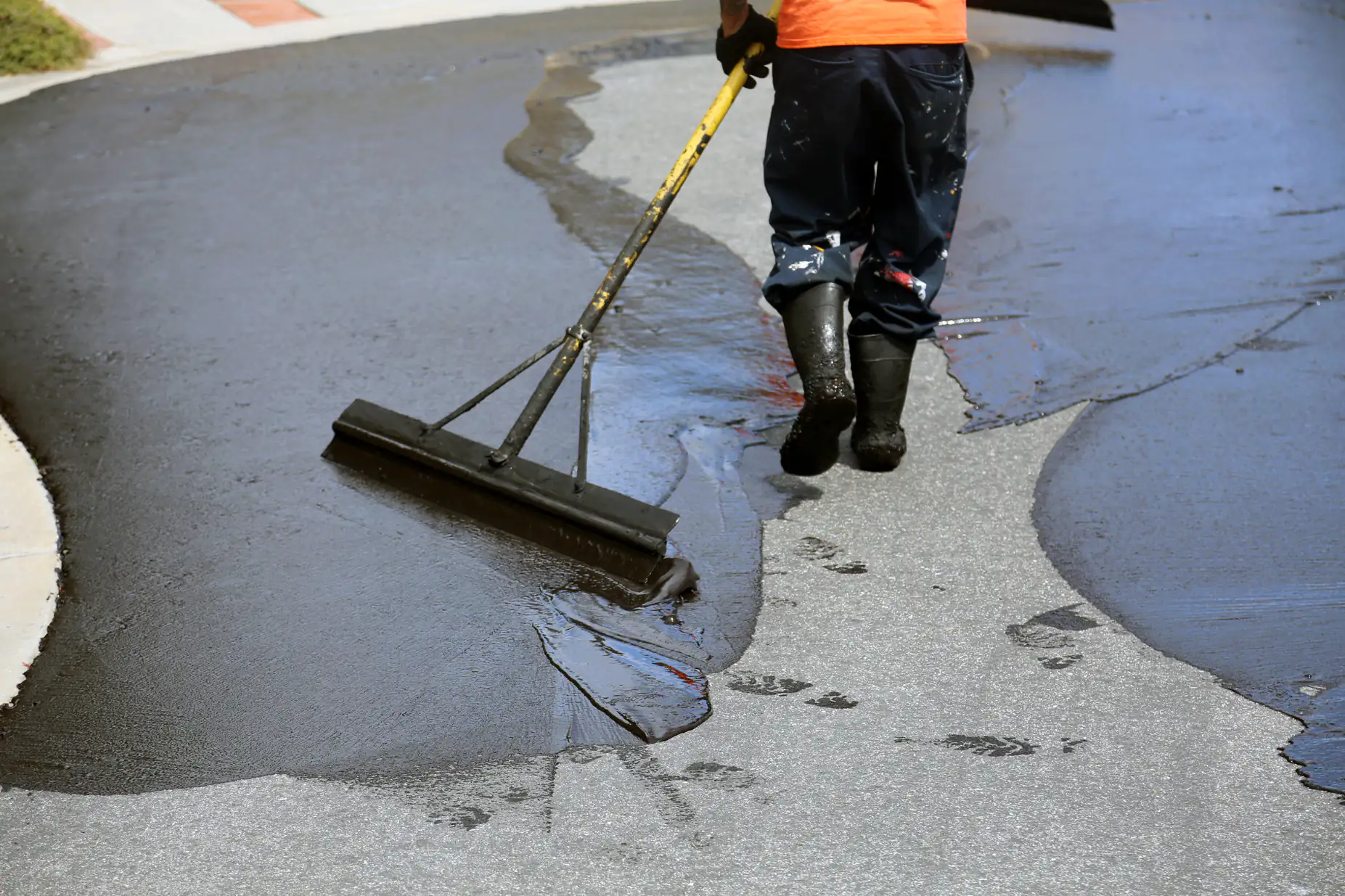
North Caldwell winters destroy unprotected asphalt. Water seeps into cracks, freezes overnight, and expands with enough force to split your driveway from the inside out. This happens dozens of times each winter.
Professional sealcoating creates a waterproof barrier that stops this cycle before it starts. You’re looking at 10-15 additional years of driveway life, which means the $300-500 you spend now prevents the $3,000-8,000 you’d spend on replacement later.
The difference is visible too. Sealed driveways maintain that fresh, dark appearance that makes your property look maintained. Unsealed asphalt turns gray, cracks spread like spiderwebs, and your home’s curb appeal drops along with its value. You avoid all of that with regular sealcoating every 2-3 years.
We’ve been sealing driveways across Morris and Essex Counties for over a decade. We understand how North Caldwell’s clay-heavy soils retain moisture longer than sandy areas, creating extended freeze-thaw stress on your pavement.
Our crews know the local drainage patterns, temperature swings near the Caldwells, and exactly how asphalt performs in this specific microclimate. That knowledge matters when you’re trying to get 3-5 years out of a sealcoat application instead of watching it fail after one winter.
We’re BBB accredited, we’ve earned a 4.5-star rating from real customers, and we guarantee callbacks within 24-48 hours. You’re not dealing with a fly-by-night operation that disappears after the job.
First, we inspect your driveway for cracks, drainage issues, and existing damage. Any crack wider than a quarter-inch gets filled with hot-pour rubberized material heated to 400 degrees. This creates a flexible, waterproof seal that moves with your asphalt through temperature changes.
Next, we clean the entire surface. Oil stains, dirt, vegetation, and loose material all have to go or the sealant won’t bond properly. We’re using commercial-grade equipment, not a garden hose and a push broom.
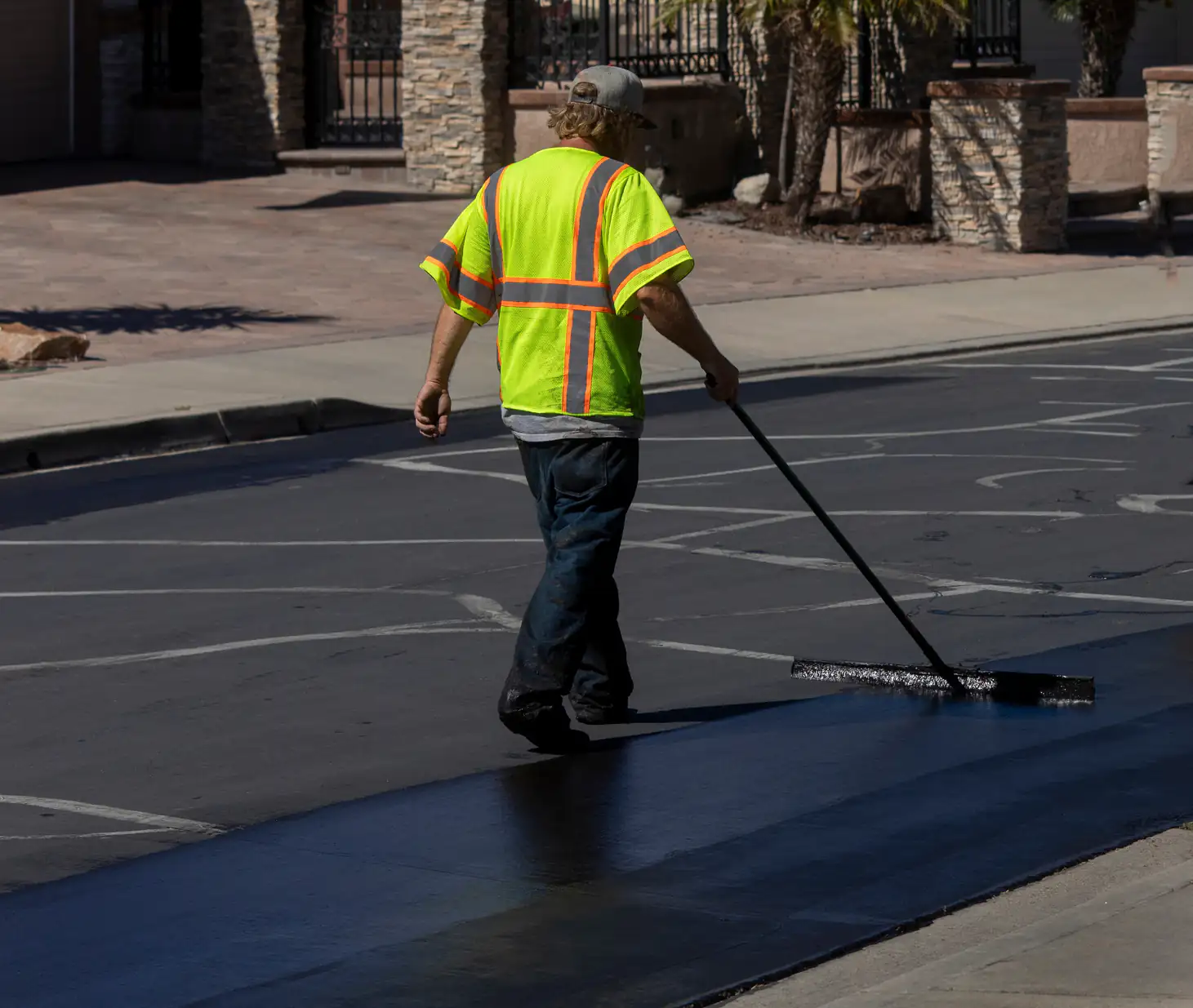
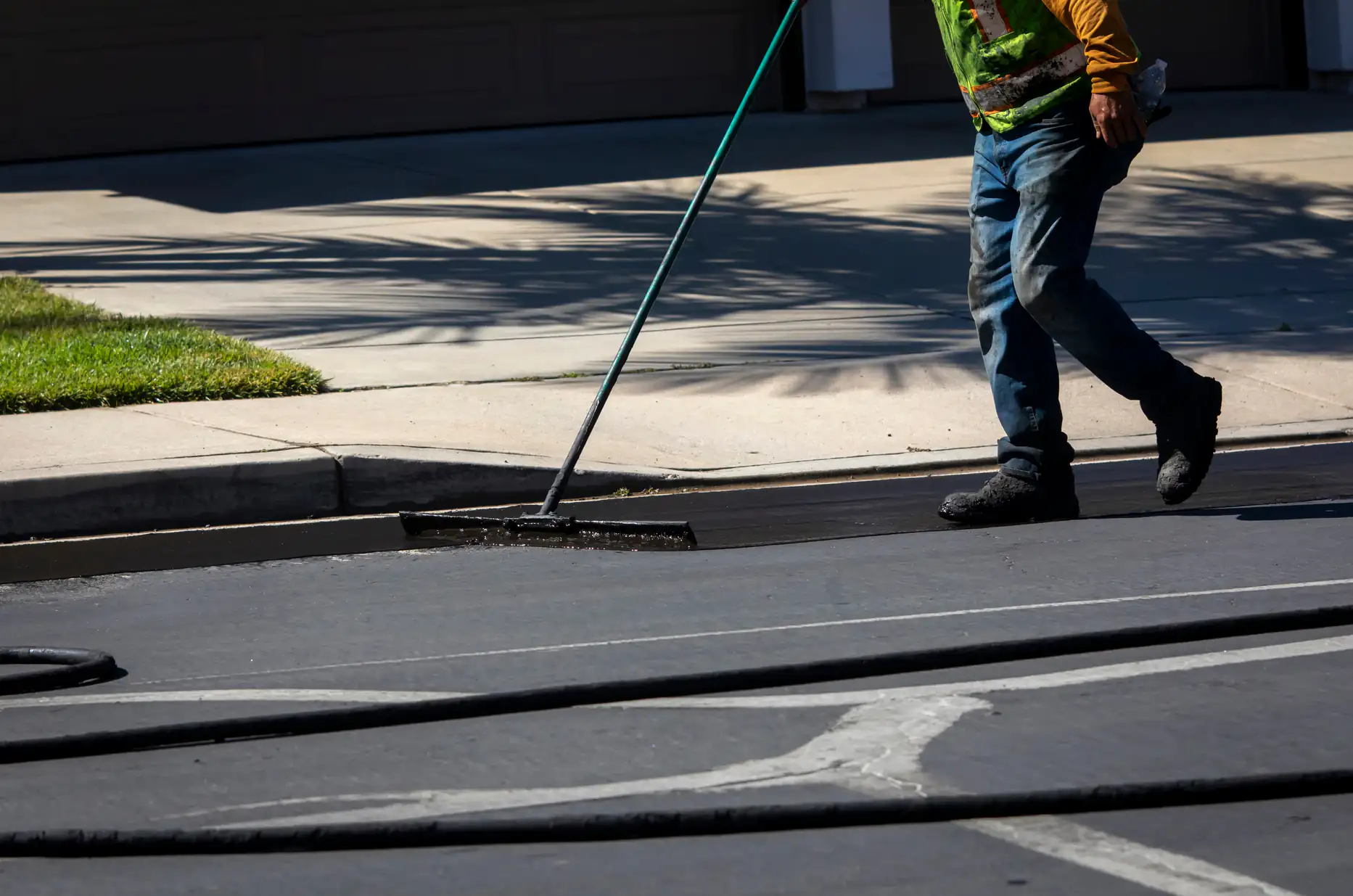
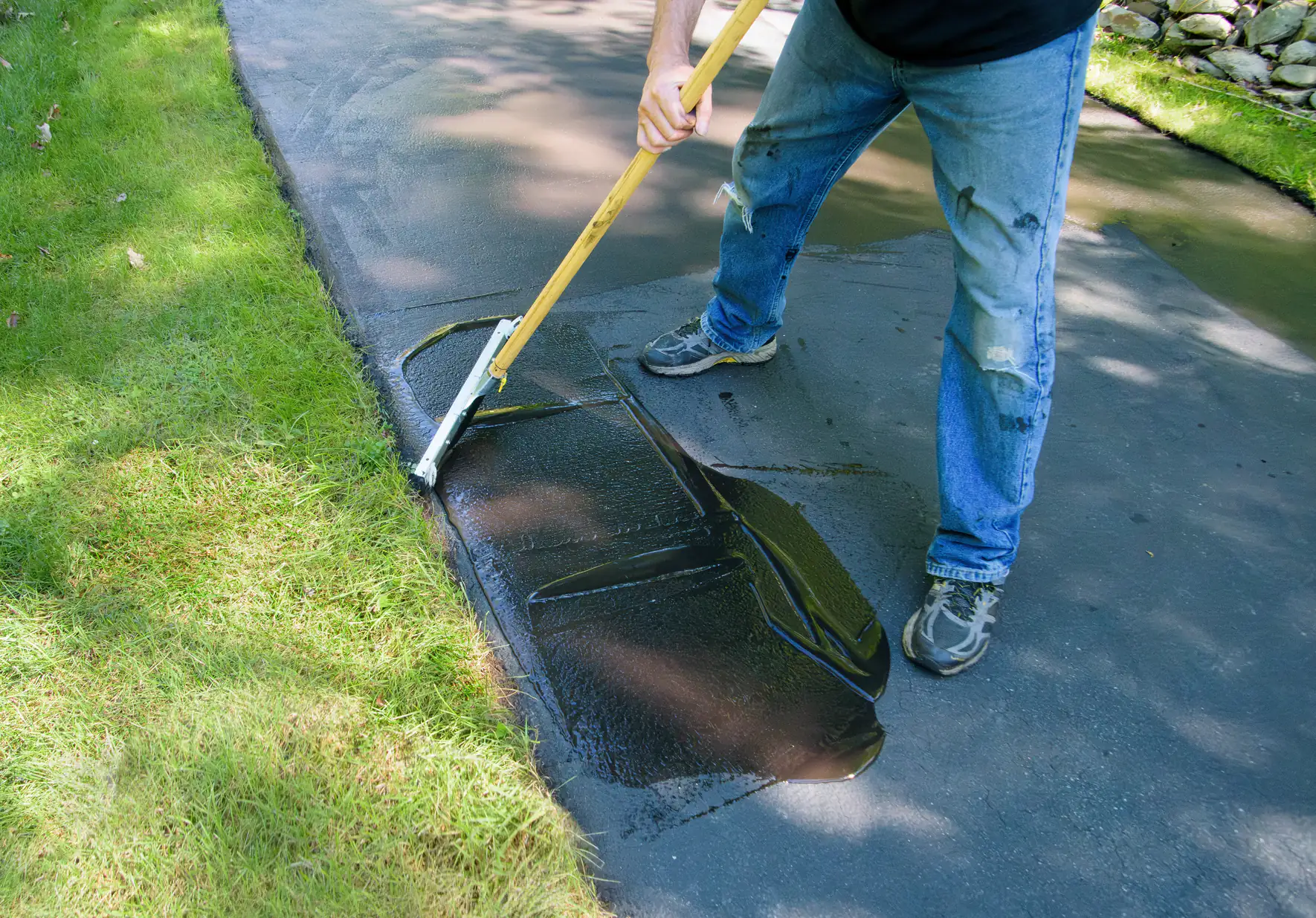
Then we apply two coats of professional-grade sealer. The first coat penetrates and bonds. The second coat provides the protective layer that shields against water, UV rays, and chemicals. We’re not using the cold-pour products from the hardware store that crack and peel within months. Our materials stay flexible through multiple freeze-thaw cycles.
The whole process takes one to two days depending on driveway size. You’ll need to stay off it for 24-48 hours while it cures. After that, you’ve got a protected driveway that’s ready for whatever winter throws at it.
Ready to get started?
Professional driveway sealing in North Caldwell typically runs $0.15-0.40 per square foot. For an average 600 square foot driveway, you’re looking at $200-500 depending on condition and prep work needed.
That includes crack filling with hot-pour materials, thorough surface cleaning, and two coats of commercial-grade sealer. If your driveway has significant damage, we’ll tell you upfront whether sealing makes sense or if you need more extensive repairs first. No surprises, no upselling.
The ROI is straightforward. Sealcoating every 2-3 years extends your driveway’s total lifespan from 15-20 years to 25-30 years. You’re preventing water infiltration that leads to base erosion, foundation settling, and eventually complete reconstruction. The math works heavily in your favor.
North Caldwell’s temperature swings are particularly hard on asphalt. You get more freeze-thaw cycles here than in many other parts of New Jersey, which means unprotected driveways deteriorate faster. Regular sealcoating isn’t optional maintenance – it’s the difference between minor upkeep costs and major capital expenses.
Every 2-3 years for most residential driveways in North Caldwell. If you’ve got heavy vehicle traffic or your driveway gets full sun exposure all day, lean toward every 2 years.
New asphalt needs to wait 6-12 months before its first sealcoating. The oils in fresh asphalt need time to cure and volatilize. Sealing too early traps those oils and prevents proper curing, which actually weakens your pavement.
You’ll know it’s time when the asphalt starts looking gray instead of black, or when you notice small cracks forming. Catching it at that stage prevents water infiltration and the expensive damage that follows.
Professional materials and application methods. The cold-pour products you buy at hardware stores shrink, crack, and pull away from asphalt edges within months. They can’t handle the expansion and contraction forces that define North Caldwell winters.
We use hot-pour rubberized crack filler heated to 400 degrees that bonds permanently with your existing asphalt and stays flexible through freeze-thaw cycles. Our sealers are commercial-grade products with higher solids content and better UV protection.
Application matters too. We’re using commercial equipment that ensures even coverage and proper penetration. DIY applications often leave thin spots, puddles, or uncovered areas that fail quickly. Professional work typically lasts 3-5 years. DIY solutions often fail within the first winter, making the cost difference minimal when you factor in longevity and effectiveness.
Yes, and we should. Cracks are exactly why you need sealcoating now rather than later. Small cracks turn into big problems fast once water gets in and starts freezing.
We fill all cracks wider than a quarter-inch with hot-pour rubberized material before applying sealer. This creates a waterproof repair that flexes with temperature changes. Hairline cracks get sealed over with the sealcoat itself.
If you’ve got major structural damage – like large potholes, significant settling, or base failure – we’ll tell you honestly whether sealing makes sense or if you need reconstruction first. There’s a point where sealcoating is just putting lipstick on a pig. But most driveways with typical crack patterns benefit hugely from proper crack filling and sealcoating.
Late spring through early fall, with September and October being ideal. You need consistent temperatures above 50 degrees for at least 48 hours before and after application so the sealer can cure properly.
Fall is particularly smart timing for North Caldwell homeowners. You’re sealing cracks before winter water infiltration begins, and you’re giving the sealer time to cure before the first freeze. This represents the difference between a few hundred dollars in preventive maintenance versus thousands in emergency repairs come spring.
Avoid sealing in extreme heat too. When temperatures hit the 90s, sealer can dry too fast and not bond properly. The sweet spot is 60-80 degrees with low humidity and no rain in the forecast for 24-48 hours.
Yes, because it stops water from getting into your asphalt in the first place. Freeze-thaw damage happens when water seeps into cracks and pores, then expands by roughly 9% when it freezes. That expansion creates tremendous pressure that fractures asphalt from within.
Sealcoating creates a waterproof barrier over the asphalt surface. Water can’t penetrate, so there’s nothing to freeze and expand. You’re breaking the cycle that destroys driveways across North Caldwell every winter.
The protection isn’t permanent, which is why you need to reseal every 2-3 years. UV rays, traffic, and weather gradually wear down the sealer. But maintaining that protective layer consistently is what extends driveway life from 15-20 years to 25-30 years. It’s the single most cost-effective maintenance you can do.
Professional sealcoating typically lasts 3-5 years in North Caldwell, depending on traffic, sun exposure, and weather conditions. High-traffic areas or driveways in full sun may need resealing closer to the 2-3 year mark.
You’ll see the protection wearing down gradually. The asphalt starts looking lighter, water stops beading on the surface, and small cracks may begin appearing. These are signs it’s time to reseal before water infiltration causes real damage.
North Caldwell’s freeze-thaw cycles are particularly hard on sealcoating, which is why the 2-3 year maintenance schedule makes sense here. You’re not waiting for complete failure – you’re maintaining protection before it breaks down. That’s how you get maximum value and lifespan from your driveway investment.