
Hear from Our Customers
Your driveway takes a beating. Succasunna winters mean freeze-thaw cycles that crack asphalt wide open. Spring rains flood those cracks. One more freeze and you’ve got potholes forming.
A $300 sealcoat job today prevents a $5,000 repaving job three years from now. That’s not a sales pitch—that’s math. Without protection, your driveway lasts 12 to 15 years. With regular sealcoating, you’re looking at 20 to 25 years, sometimes longer.
Sealcoating creates a barrier against water, UV rays, oil stains, and the de-icing salts that destroy asphalt every winter. You’re not just making it look better. You’re buying time, saving money, and protecting what’s likely one of the most visible parts of your property.
We work exclusively in Morris, Sussex, and Somerset Counties. We’re not a statewide operation trying to cover everyone. We focus on this region because the climate here demands specific materials, timing, and techniques.
We’ve sealed driveways through Succasunna’s coldest winters and hottest summers. We know how freeze-thaw cycles affect asphalt in this area, and we know what it takes to make sealcoating last. You’ll get high-grade materials applied at the right temperature, not a rushed job that fails in six months.
When you call, you’re talking to people who live and work in the same towns you do. We’re licensed, insured, and we show up when we say we will.
First, we clean your driveway completely. Dirt, oil, debris—it all has to go or the sealer won’t bond properly. We’re not skipping this step to save 20 minutes.
Next, we fill any cracks. If water’s already getting in, sealing over the top won’t fix it. We address the damage first so the sealcoat can do its job.
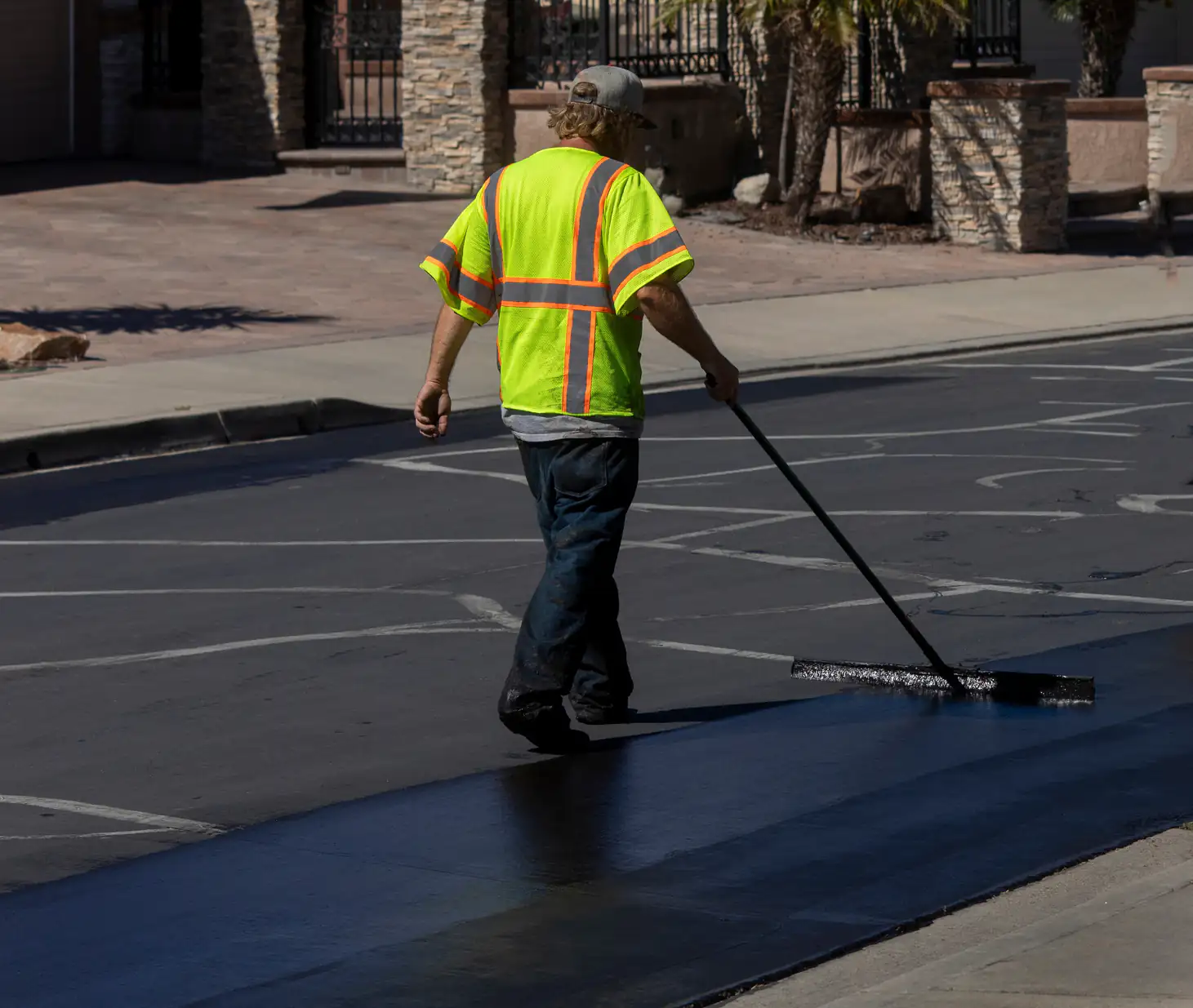
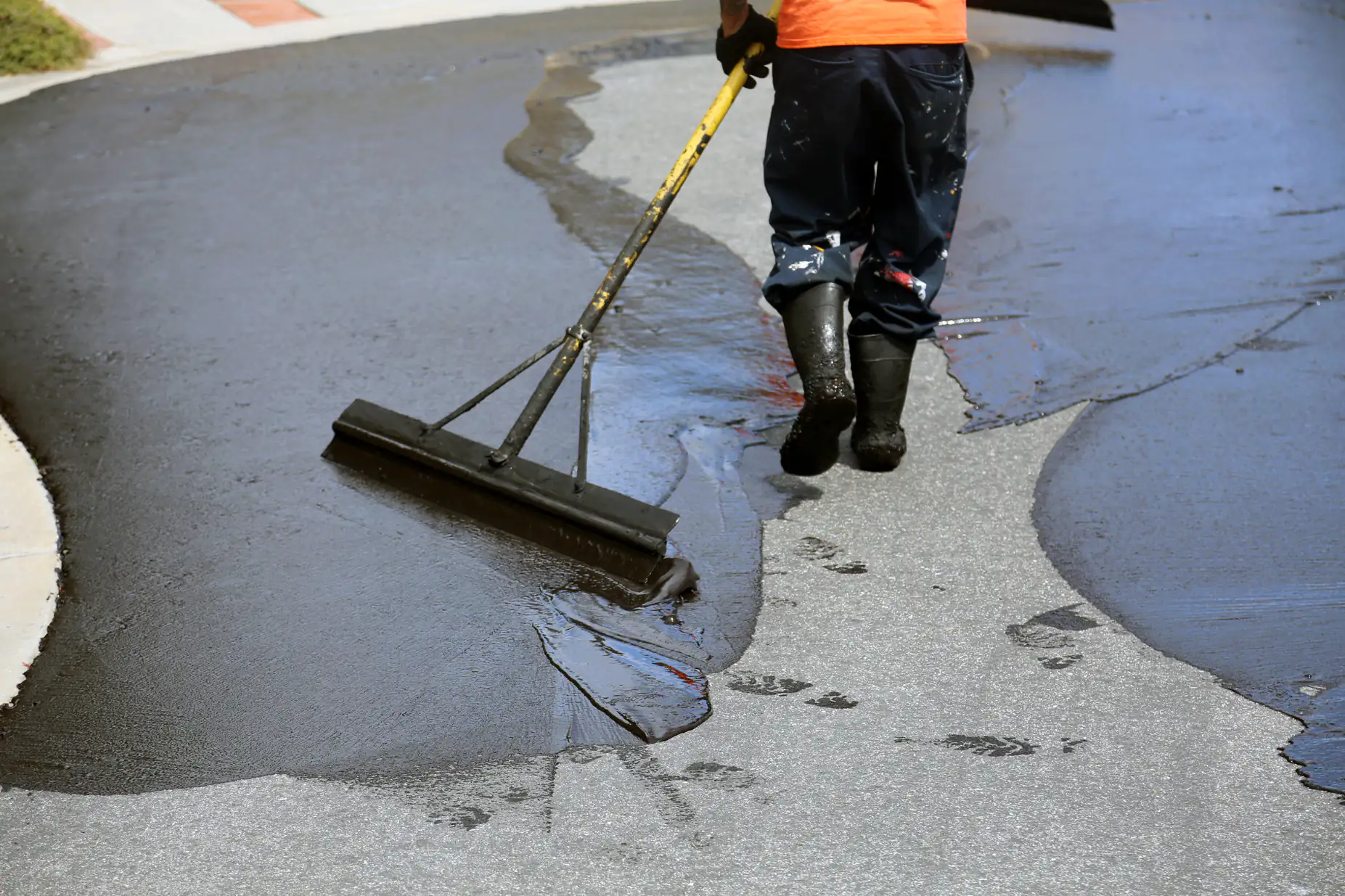
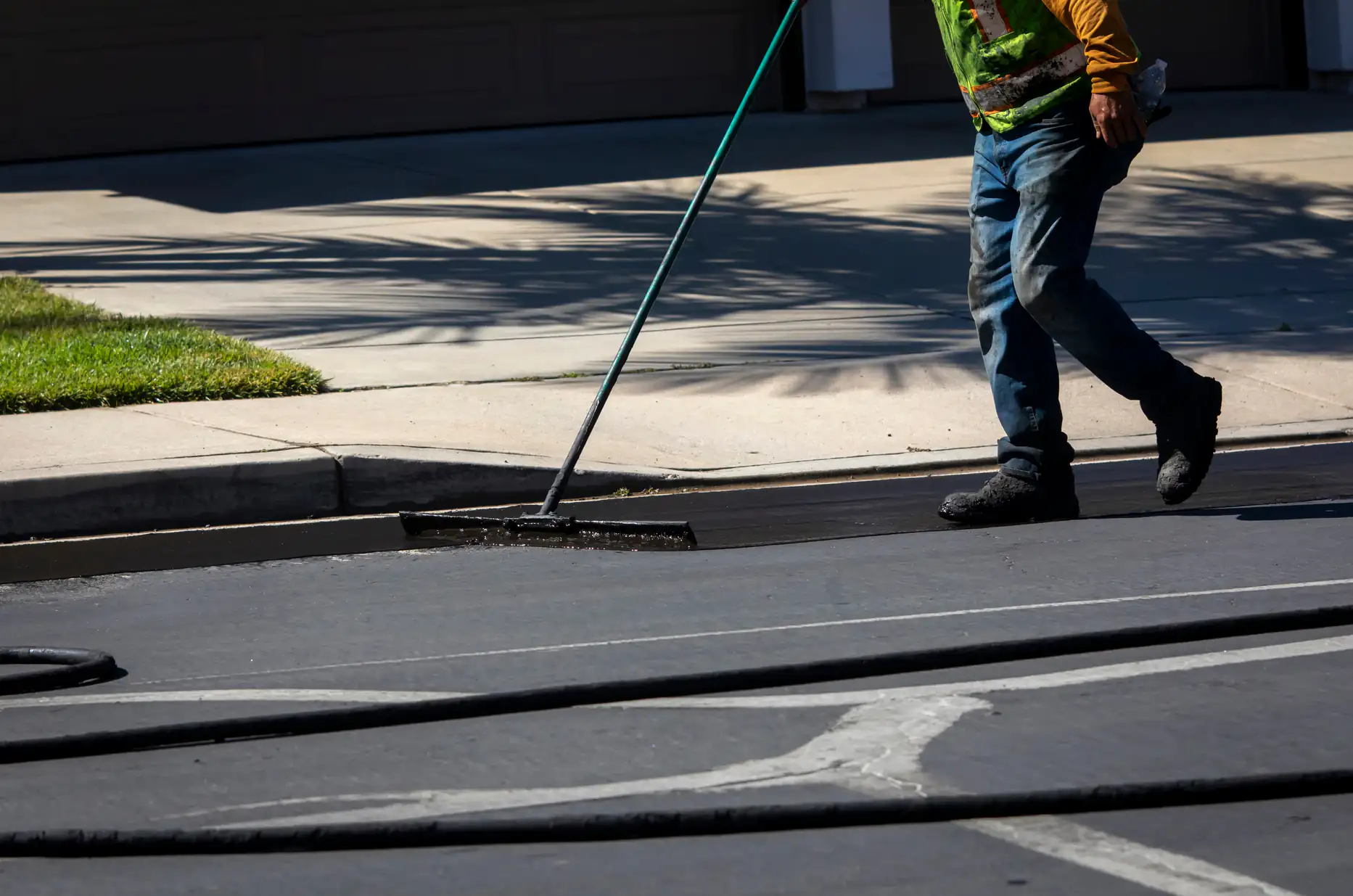
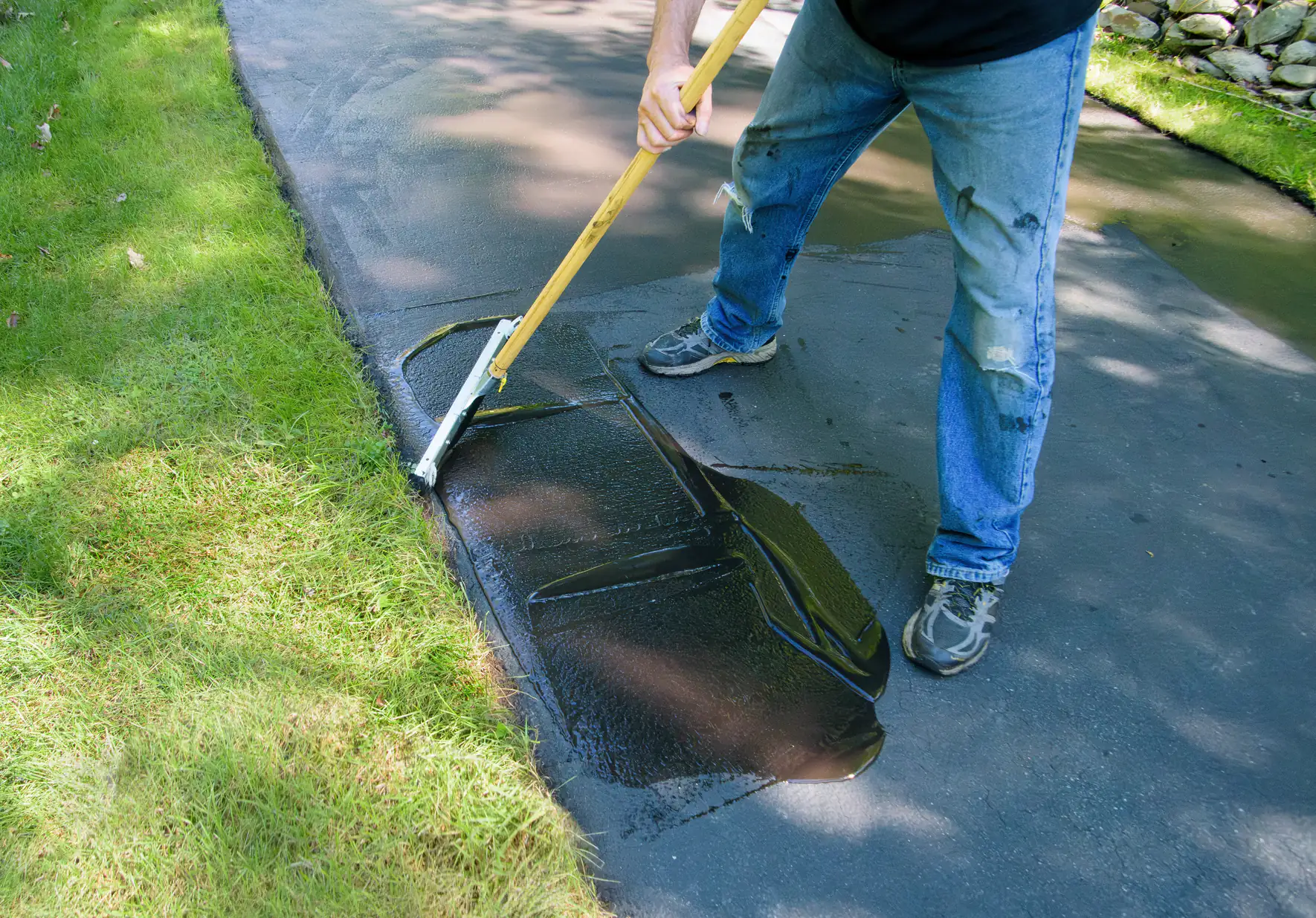
Then we apply two coats of commercial-grade sealer. We use coal tar or asphalt emulsion depending on your driveway’s condition and your budget. Both work, but coal tar handles freeze-thaw cycles better, which matters in Succasunna. The sealer goes on evenly, cures properly, and creates a protective layer that keeps water and chemicals out.
You’ll need to stay off it for 24 to 48 hours depending on weather. After that, it’s ready to handle daily use and whatever winter throws at it.
Ready to get started?
Most residential driveways in Succasunna run between $150 and $500 for sealcoating, depending on size and condition. That’s roughly $0.15 to $0.40 per square foot. North Jersey prices run about 15% to 20% higher than the national average because labor costs more here and our winters are harder on asphalt.
You’re paying for materials that can handle freezing temperatures, a crew that preps the surface correctly, and a finish that lasts three to four years before you need to reseal. Cheaper jobs use watered-down sealer or skip the crack filling. You’ll see the difference in year two when it starts flaking off.
We give you clear upfront pricing. No surprise charges when the job’s done. If your driveway needs extra prep work, we’ll tell you before we start. You’ll know what you’re getting and what it costs before we show up with equipment.
Sealcoating isn’t glamorous, but it’s one of the smartest things you can do for your property. It’s routine maintenance that prevents major expenses.
Every three to four years is the standard recommendation for residential driveways in this area. That timeline assumes normal use—two cars, regular traffic, no heavy trucks.
If your driveway gets more sun exposure, you might need to reseal closer to three years. UV rays break down asphalt faster. Same goes for driveways that see a lot of turning or braking in the same spot. That wears through the sealer quicker.
You’ll know it’s time when the surface starts looking faded or grayish instead of deep black. If you can see small cracks forming or the texture feels rough, don’t wait. Resealing now is cheaper than repairing damage later.
Coal tar is more durable and handles freeze-thaw cycles better, which is why it’s been the go-to choice in New Jersey for years. It’s more resistant to gas and oil stains, and it holds up longer in harsh weather. The downside is it costs a bit more and some towns have started restricting it due to environmental concerns.
Asphalt emulsion is the alternative. It’s less expensive, more eco-friendly, and still does a solid job protecting your driveway. It just doesn’t last quite as long in extreme conditions, so you might need to reseal a little sooner.
Both work. The right choice depends on your budget, how long you plan to stay in your home, and whether your town has restrictions. We’ll walk you through the pros and cons based on your specific situation.
You can buy sealer at any home improvement store and do it yourself. Plenty of people do. But there’s a reason professional jobs last longer.
The difference comes down to prep work and application. Most DIY jobs skip the thorough cleaning, use one coat instead of two, and don’t fill cracks properly. The sealer might look fine for a few months, but it won’t hold up through a full winter.
We use commercial-grade equipment that applies sealer evenly and at the right thickness. We mix it correctly, apply it at the right temperature, and make sure it cures properly. If you’ve got a small driveway and you’re comfortable doing the work, DIY can save you money. But if you want it done right and you want it to last, hiring someone who does this daily makes sense.
Late spring through early fall is your window. You need temperatures above 50 degrees for at least 24 hours after application so the sealer can cure properly. That usually means May through September in Succasunna.
Early summer is ideal because the asphalt is warm, the sealer bonds better, and you’ve got time for it to cure before winter. Avoid sealing right before a rainstorm—water will ruin a fresh application.
Fall works too, but you’re racing the calendar. If temperatures drop unexpectedly or you get an early freeze, the sealer won’t cure right and you’ll have problems. Spring is tricky because of rain. Summer gives you the most predictable weather and the best results.
No. Sealcoating protects the surface—it doesn’t repair structural damage. If you’ve got cracks or potholes, those need to be fixed first before we seal.
Small cracks get filled with rubberized crack filler that flexes with temperature changes. Larger cracks or potholes need patching with hot asphalt. Once those repairs are done and cured, then we can seal over everything.
Sealing over damaged asphalt without fixing it first is a waste of money. The sealer will just sink into the cracks and you’ll still have the same problems underneath. We’ll assess your driveway’s condition before we start and tell you exactly what needs repair and what doesn’t. If it’s in rough shape, sometimes resurfacing makes more sense than trying to patch and seal.
The actual application takes a few hours for most residential driveways. We’re usually done in half a day unless your driveway is unusually large or needs extensive prep work.
The waiting period is what takes time. You need to stay off it for 24 to 48 hours depending on weather conditions. Hotter, drier weather means faster curing. Cooler or humid conditions mean you wait longer.
After that initial cure time, you can drive on it, but the sealer continues hardening for about 30 days. Avoid sharp turns or heavy braking in the same spot during that first month. Don’t drag anything across it or park a trailer on it. Normal use is fine—just be a little careful while it fully cures. We’ll give you specific instructions based on the weather forecast when we finish your job.