
Hear from Our Customers
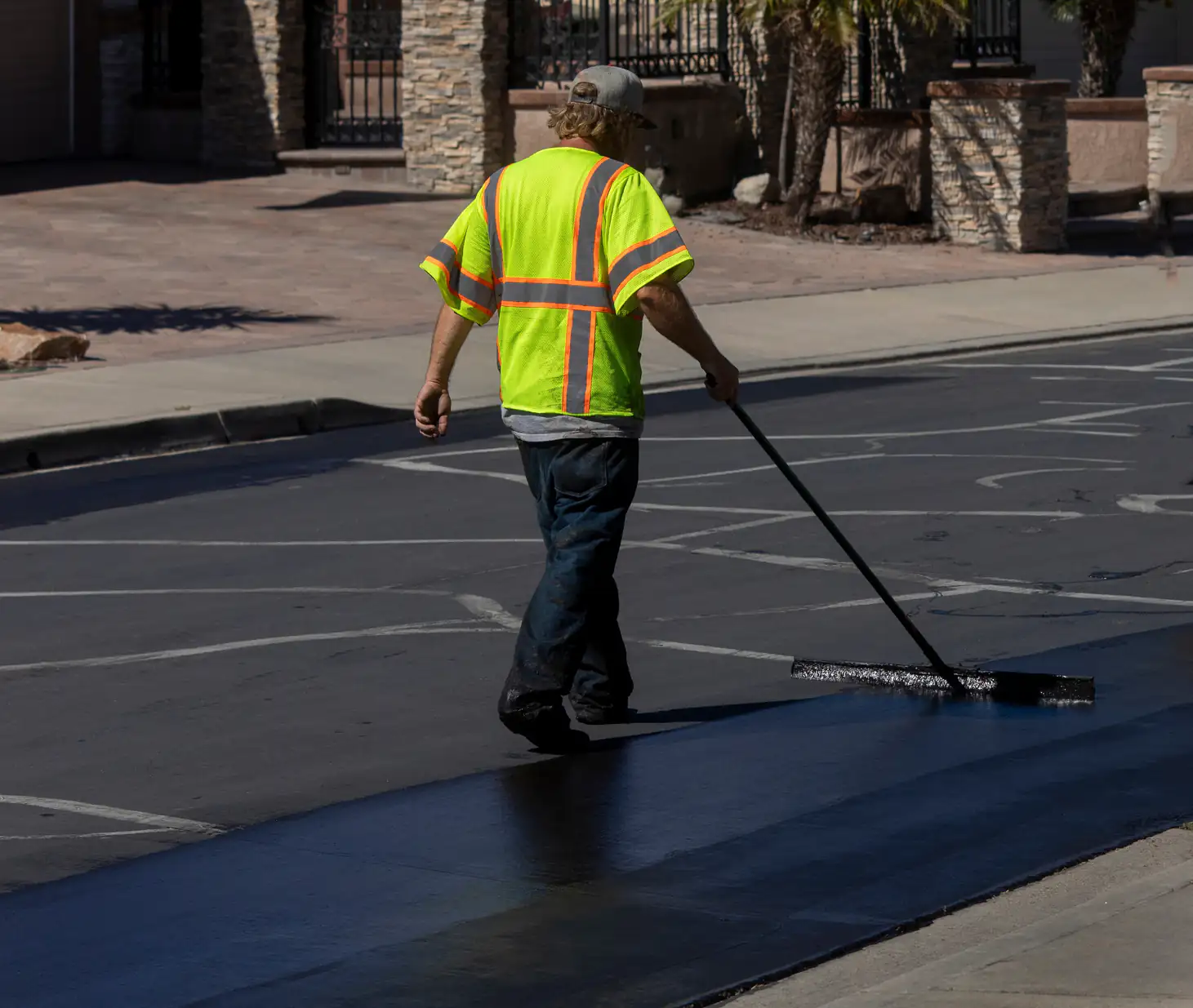
Your driveway faces something most people don’t think about until it’s too late. Water seeps into small cracks, freezes, expands with 30,000 psi of force, and turns hairline damage into expensive problems. North Jersey gets hit with more freeze-thaw cycles than almost anywhere in the state, and East Franklin’s clay soil makes things worse by shifting and settling under your asphalt.
Sealcoating creates a protective barrier that keeps water out, prevents oxidation from UV rays, and shields against oil spills and salt damage. You’re looking at a driveway that stays black instead of fading to grey, maintains its structural integrity through winter, and lasts 25+ years instead of needing replacement at 15.
The cost difference matters too. Professional driveway sealing runs $200 to $500 every few years. A full replacement costs $5,000 or more. You’re not just protecting your driveway—you’re protecting what might be your largest investment.
We work throughout Morris, Somerset, and Sussex County. We’ve seen what happens to driveways in East Franklin specifically—the clay soil conditions, the drainage issues that pop up near certain neighborhoods, the way winter hits harder here than 20 minutes south.
We’re not the cheapest option, and that’s intentional. You’re paying for high-grade asphalt emulsion sealer applied at the right temperature, proper surface prep that most contractors skip, and a team that shows up when scheduled. We give you clear pricing upfront, a 24 to 48-hour callback guarantee on quote requests, and work that holds up through multiple New Jersey winters.
Most importantly, we don’t treat every driveway the same. Your property gets assessed for drainage, soil stability, and existing damage before we recommend anything.
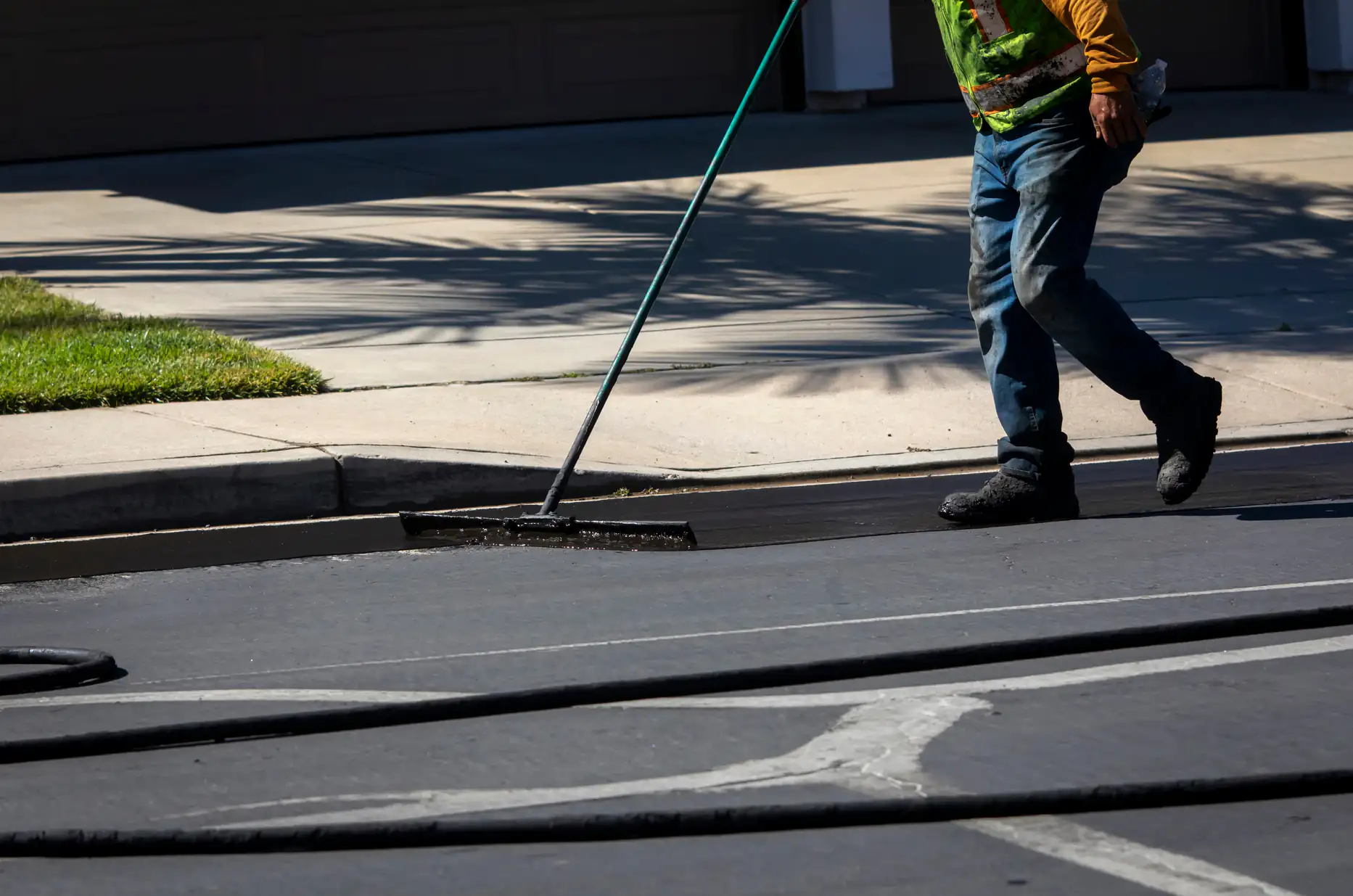
First, we inspect your driveway for cracks, drainage problems, and areas where the base might be failing. If you’ve got issues beyond surface wear, we’ll tell you before sealing makes sense. There’s no point in sealing over structural problems.
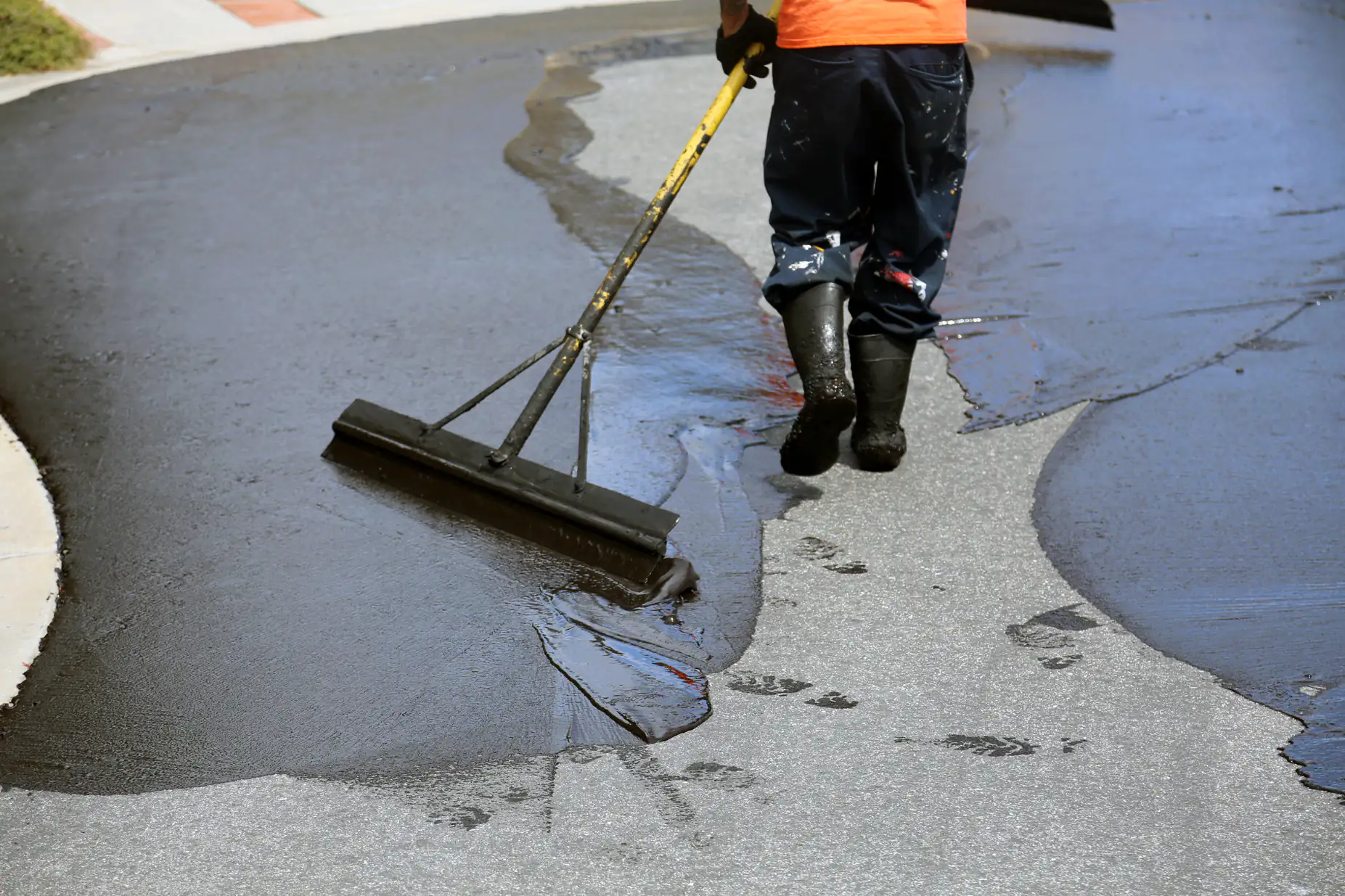
Next comes surface prep. We clean off dirt, debris, and vegetation, then fill cracks with hot rubberized crack filler. This step matters more than most people realize—sealer won’t bond properly to a dirty surface, and unfilled cracks will just reappear through the coating.
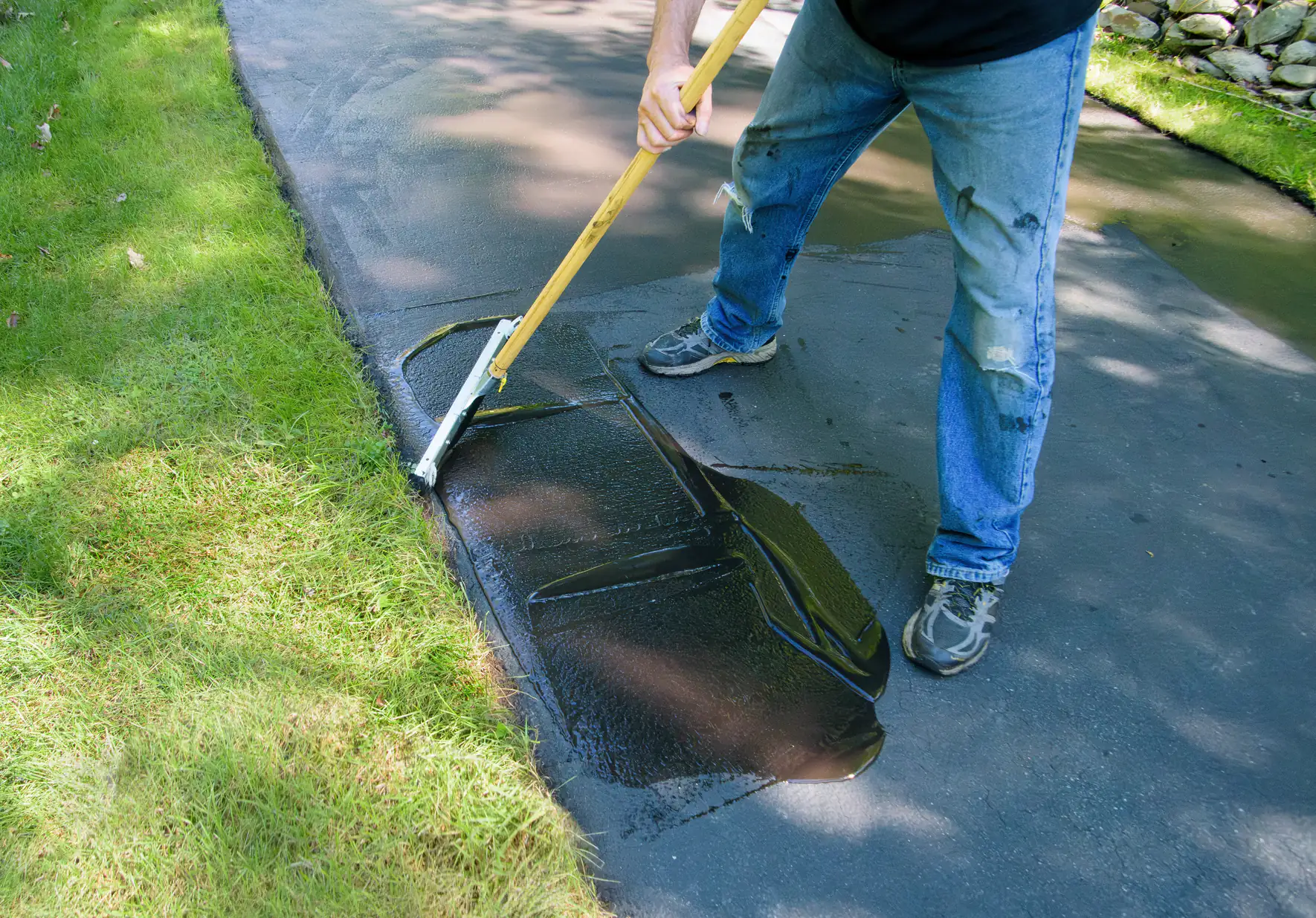
Then we apply two coats of commercial-grade sealer using professional equipment. The first coat penetrates and bonds. The second coat provides the protective layer. We work in temperatures between 50°F and 85°F with no rain in the forecast for 48 hours, because curing conditions determine how long your sealcoat lasts.
You’ll need to stay off the driveway for 24 to 48 hours depending on weather. After that, you’ve got a surface that sheds water, resists damage, and looks new again.
Ready to get started?
Every sealcoating job includes a full property assessment. We look at how water moves across your driveway, where the sun hits hardest, and whether your base is still solid. East Franklin properties built on clay soil need extra attention to settling and heaving issues that create low spots where water pools.
You get crack filling with hot pour rubberized material that flexes with temperature changes instead of cracking out after one winter. We edge along garage doors, walkways, and landscaping to keep lines clean. The sealer itself meets or exceeds industry performance standards and gets applied at proper thickness—not watered down to stretch the job.
We also time the work correctly. Late spring and early fall offer the best curing conditions in New Jersey. By scheduling during these windows, your sealcoat has time to cure properly before extreme temperatures hit. Most contractors will work whenever you call because they need the work. We’d rather do it right and have it last than do it fast and have you call us back in two years with problems.
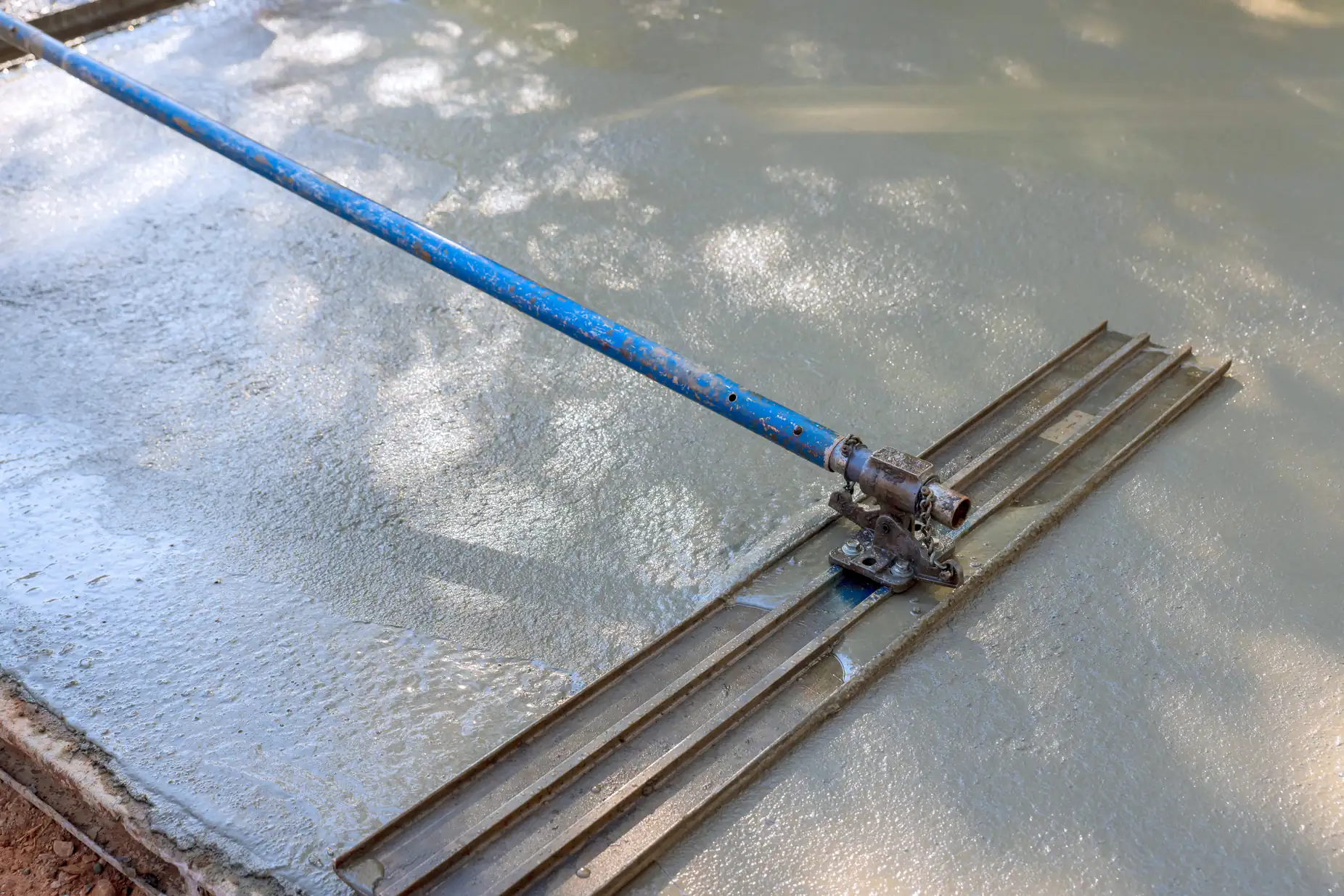
Professional asphalt sealcoating in East Franklin typically runs between $0.15 and $0.40 per square foot depending on your driveway’s condition and size. A standard two-car driveway costs $200 to $500 for a complete job including crack filling and two coats of sealer.
That price assumes your driveway is in decent shape without major structural issues. If you’ve got significant cracking, potholes, or base failure, you’ll need repairs before sealing makes sense. Sealer protects good asphalt—it doesn’t fix bad asphalt.
The cost breaks down to routine maintenance every two to three years versus a $5,000+ replacement down the road. Most East Franklin homeowners find that regular sealcoating pays for itself several times over by extending their driveway’s lifespan from 15 years to 25 or more. You’re looking at spending a few hundred dollars now to avoid spending thousands later.
Late spring (May through June) and early fall (September through October) offer the best conditions for driveway sealing in New Jersey. You need temperatures consistently between 50°F and 85°F with no rain expected for at least 48 hours after application.
Sealer needs time to cure properly, and temperature matters more than most people realize. Too cold and it won’t bond correctly. Too hot and it dries too fast without penetrating. New Jersey’s weather gives you narrow windows where conditions are right, which is why contractors get booked solid during these months.
If you’re scheduling for spring, call in late winter. If you’re planning for fall, reach out by mid-summer. Waiting until you see contractors working in your neighborhood usually means you’re looking at a multi-week wait or getting pushed to next season. The difference between a properly cured sealcoat and a rushed job often comes down to scheduling during the right weather window.
Professional sealcoating lasts two to three years in East Franklin under normal conditions. That timeframe accounts for New Jersey’s freeze-thaw cycles, UV exposure, and typical vehicle traffic. High-traffic areas or driveways that face south and get constant sun exposure might need resealing closer to the two-year mark.
The lifespan depends heavily on application quality and weather during curing. A properly applied sealcoat with good curing conditions will protect your driveway through multiple winters. A cheap job done in marginal weather might start failing within a year.
You’ll know it’s time to reseal when the surface starts looking grey instead of black, or when water stops beading up and starts soaking in. Those are signs the protective layer is wearing thin. Staying on a regular two to three-year schedule prevents damage from starting in the first place, which is a lot cheaper than fixing problems after they develop.
Unsealed asphalt oxidizes from UV exposure, which breaks down the binding agents that hold everything together. The surface turns grey and brittle, small cracks form, and water gets underneath. Once water penetrates, you’re dealing with freeze-thaw damage that gets worse every winter.
In East Franklin specifically, you’re also dealing with clay soil that expands and contracts with moisture. An unsealed driveway on clay soil faces problems from above and below—UV damage on the surface and soil movement underneath. That combination shortens your driveway’s lifespan significantly.
The practical result is you’ll need replacement around year 15 instead of year 25 or longer. You’ll also deal with more frequent repairs—crack filling, pothole patches, edge crumbling—that add up over time. Sealing costs a few hundred dollars every few years. Ignoring it costs thousands when you’re forced to replace the whole thing earlier than necessary.
You can buy sealer at home improvement stores and do it yourself, but the results usually don’t compare to professional work. DIY sealer is thinner, doesn’t last as long, and requires equipment most homeowners don’t own. You’re also working with a product that needs specific temperature and weather conditions to cure correctly.
The bigger issue is surface prep. Most DIY jobs skip proper cleaning, don’t fill cracks correctly, and apply sealer too thin to provide real protection. You might save money upfront, but you’ll reseal more frequently and still end up with a shorter driveway lifespan.
Professional driveway sealcoating uses commercial-grade materials applied with proper equipment by people who do this daily. The cost difference between DIY and professional work is smaller than most people think—maybe $100 to $200 for a typical driveway. For that difference, you get better materials, proper application, and results that last twice as long. Unless you’re sealing driveways regularly, the professional route makes more sense.
Sealcoating protects your driveway’s surface—it doesn’t repair structural damage. If you’ve got cracks, they need to be filled with hot rubberized crack filler before sealing. If you’ve got potholes or areas where the base is failing, those need actual repair work before sealcoating makes sense.
Think of it this way: sealer is preventive maintenance for good asphalt, not a fix for bad asphalt. It keeps water out, prevents UV damage, and protects against surface wear. But it won’t stop a crack from spreading if the crack isn’t properly filled first, and it won’t fix a failing base underneath.
We inspect your driveway and tell you what needs repair before recommending sealcoating. If someone offers to seal over significant damage without addressing it first, they’re either inexperienced or dishonest. Proper driveway maintenance means fixing problems, then sealing to prevent new ones. Trying to do it backwards doesn’t work.