
Hear from Our Customers
Your driveway takes a beating in Pompton Plains. Between the 55-75 freeze-thaw cycles every winter and the summer heat pushing past 90°F, asphalt breaks down faster here than in most of the country. Water gets into small cracks, freezes, expands by 9%, and turns hairline damage into structural problems.
Sealcoating creates a protective barrier against all of it. It blocks moisture from penetrating the surface, shields against UV damage that dries out asphalt, and gives you a clean, uniform surface that’s easier to maintain. Done correctly with commercial-grade materials, it extends your driveway’s lifespan from 15 years to 25+ years.
That’s not marketing talk. That’s what happens when you prevent water infiltration before it becomes a costly repair. You’re looking at spending $200-$300 every few years instead of $3,000-$5,000 for a full replacement. The math makes sense, but only if the application is done right—proper surface prep, quality sealer, correct weather conditions, and enough cure time.
We’re a third-generation paving company that’s been serving Morris County and the surrounding areas for over 60 years. We’re not a national franchise or a crew that shows up for one season and disappears. We’re based in Dover, we know North Jersey weather, and we’ve sealed thousands of driveways in Pompton Plains, Pequannock Township, and the surrounding communities.
The homes here—mostly single-family ranches and colonials with median values around $540,000—deserve contractors who understand what Morris County driveways go through. You’re not dealing with mild winters. You’re dealing with road salt, heavy moisture, and temperature swings that crack asphalt faster than almost anywhere else in New Jersey.
We use high-grade materials, show up when we say we will, and give you a clear price upfront. No surprises, no upsells once we’re on site. Just straightforward work done by people who’ve been doing this longer than most companies have been in business.
First, we assess your driveway’s condition. If your asphalt is newer than six months old, it’s too soon—fresh asphalt needs time to cure before sealing. If it’s cracked, we fill those cracks first. Skipping this step is where most cheap sealcoating jobs fail.
Next, we power wash the entire surface to remove dirt, oil, debris, and any loose material. Sealer won’t bond to a dirty surface, so this step isn’t optional. We let it dry completely—usually 24 hours depending on weather—because moisture under the sealer causes peeling and early failure.
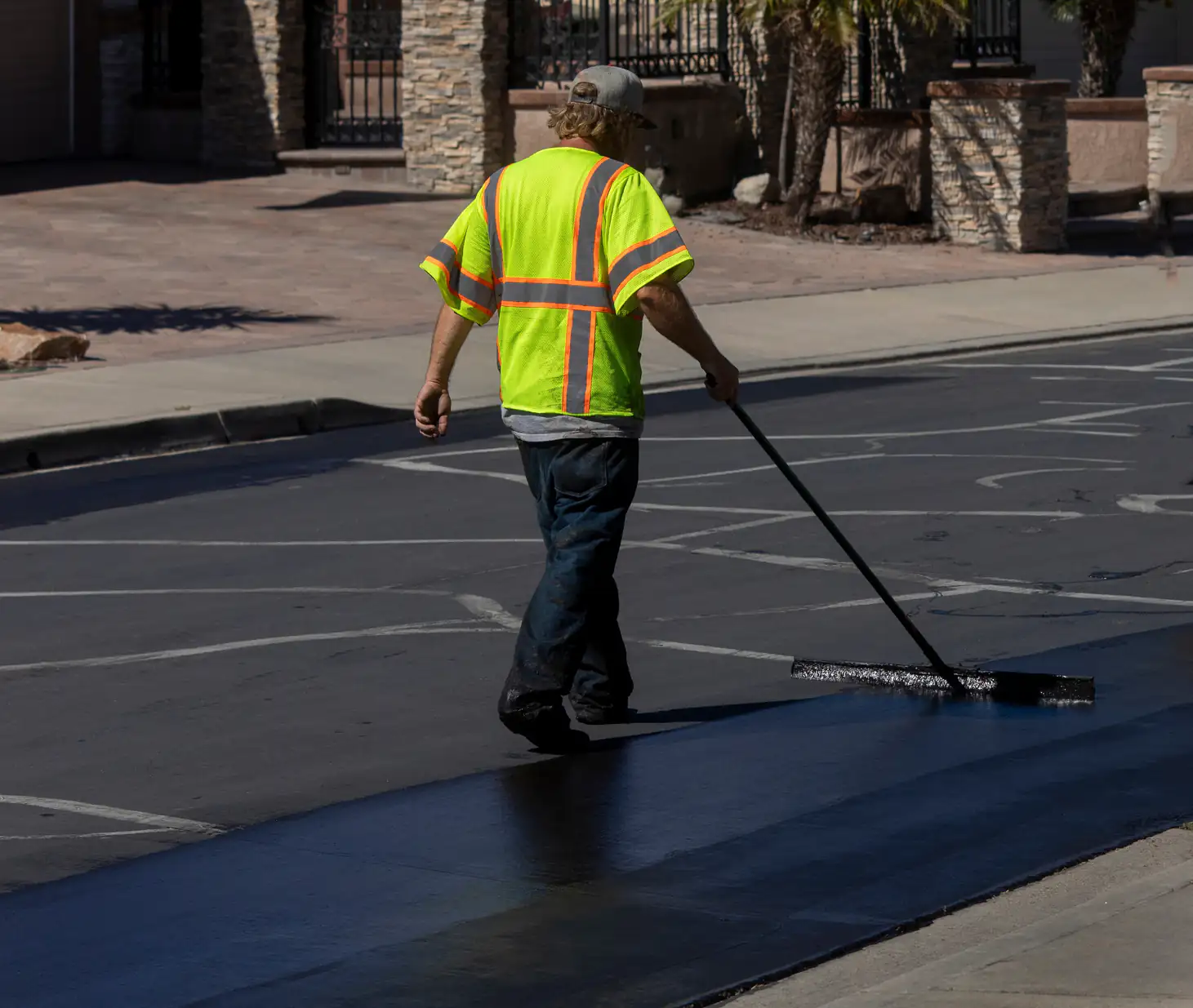
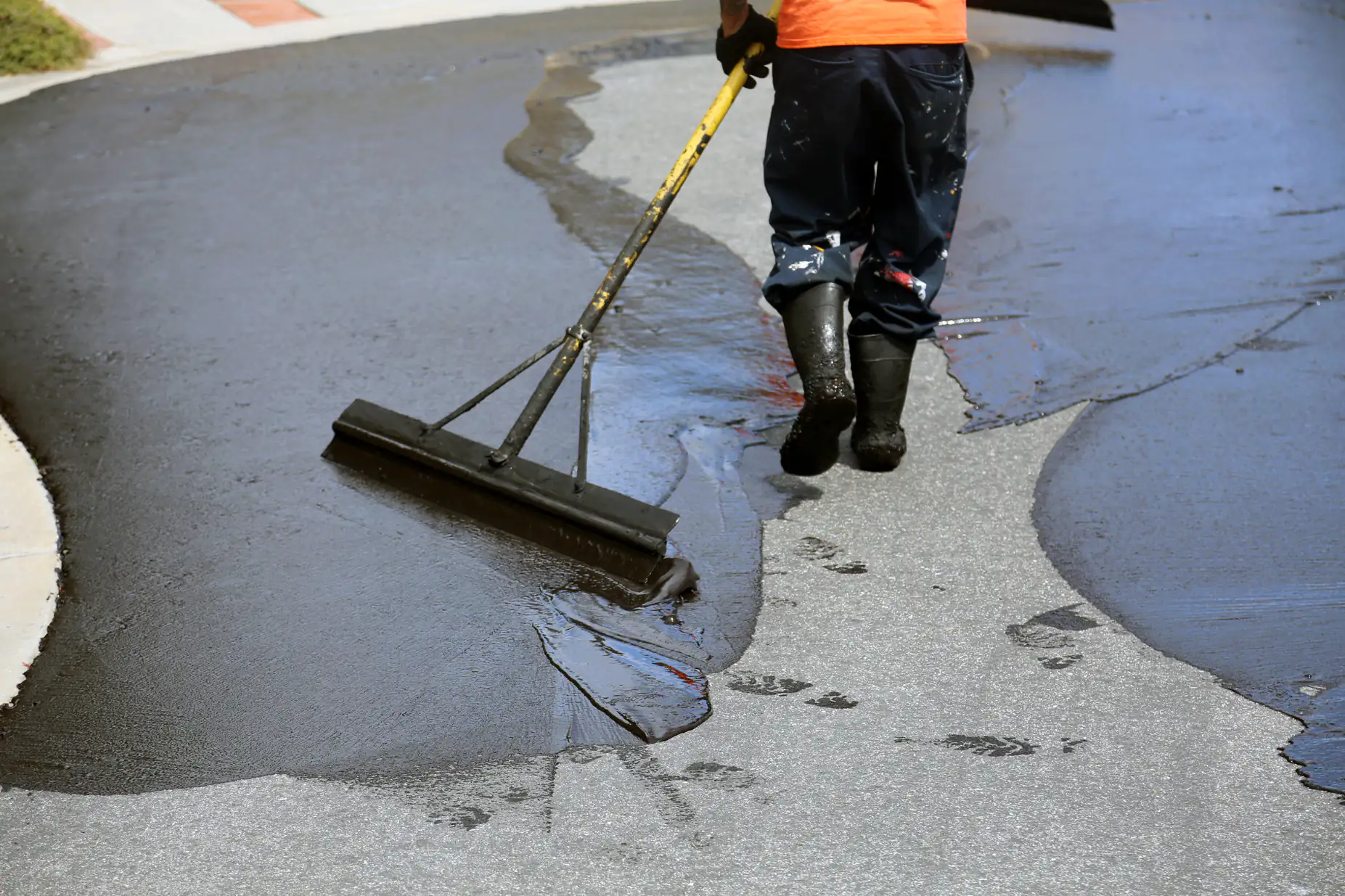
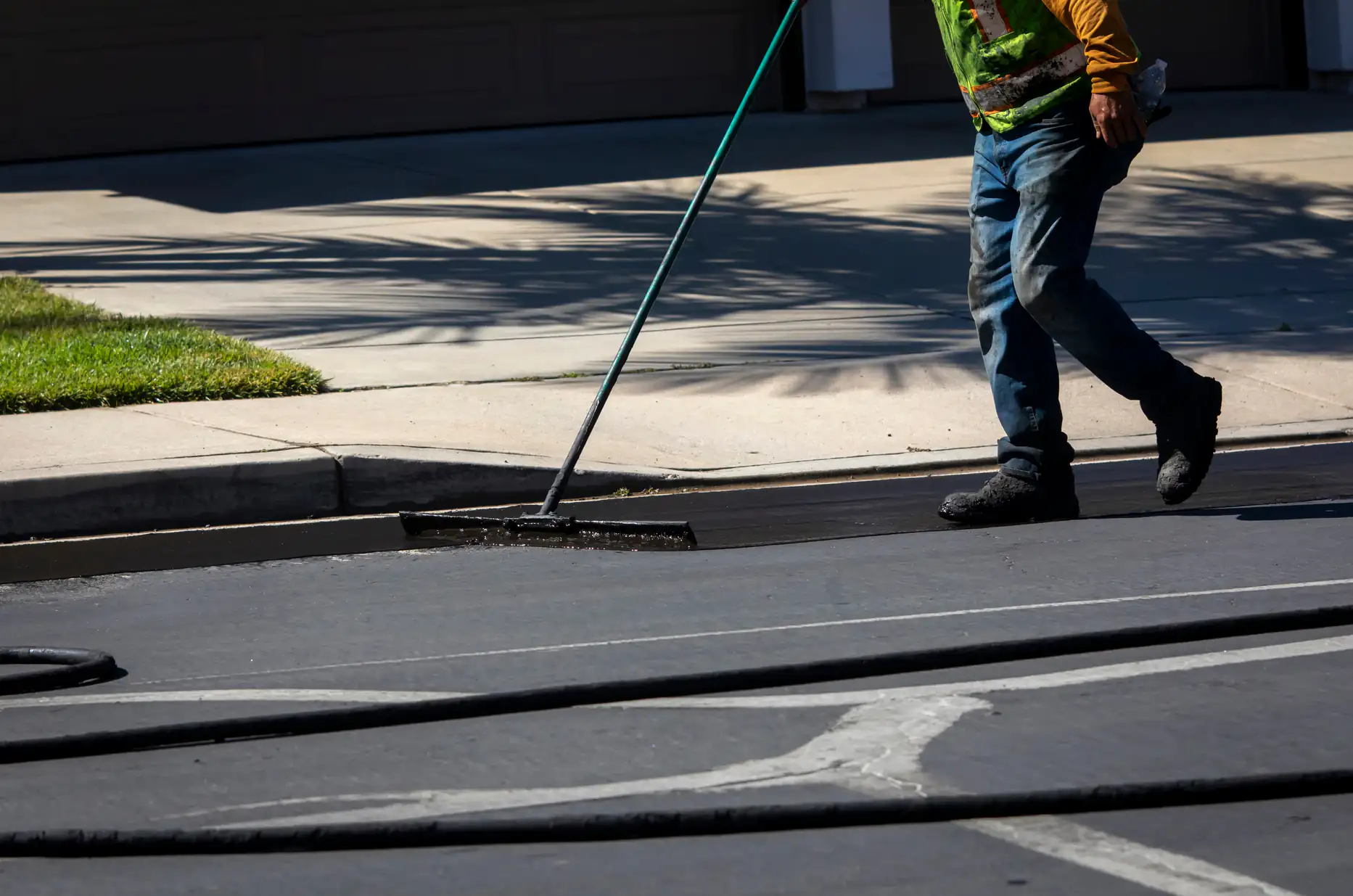
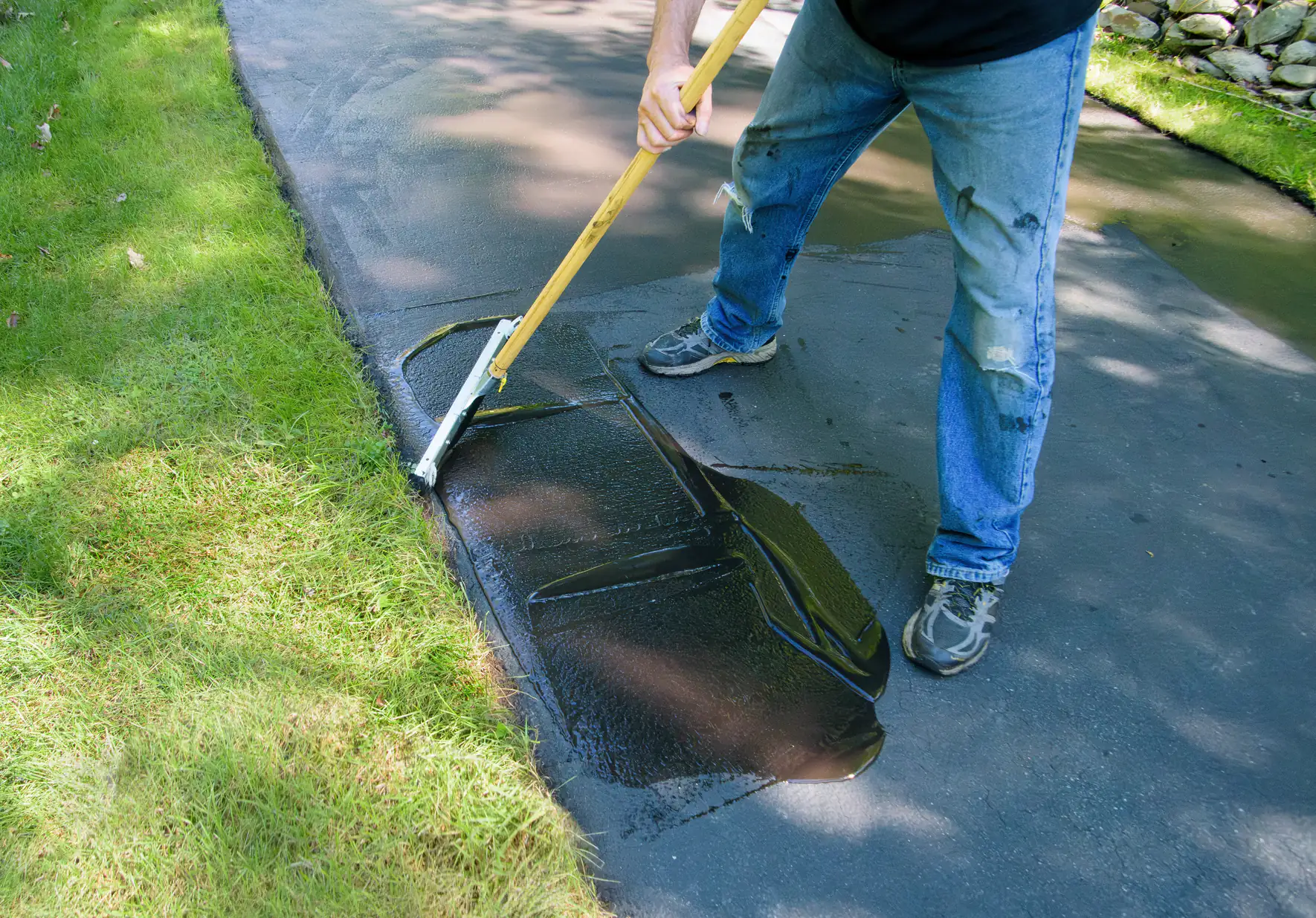
Then we apply two coats of commercial-grade sealer with a sand additive for traction. We’re not brushing it on thin to save money. We’re applying it at the right thickness to actually protect your asphalt. The first coat seals and penetrates. The second coat builds the protective layer that handles traffic and weather.
After application, your driveway needs 24-48 hours to cure before you can walk on it, and 72 hours before you drive on it. We schedule around the weather because temperature and humidity matter. If it’s below 55°F or rain is coming, we reschedule. Rushing a sealcoating job costs you years of protection.
Ready to get started?
For a standard 600-square-foot two-car driveway in Pompton Plains, you’re looking at $180-$270 for professional sealcoating. That includes power washing, crack filling up to 50 linear feet, two coats of sealer, sand additive for traction, and a two-year warranty on the work.
Larger driveways cost more, and if you have significant cracking or damage, that changes the scope. We’ll tell you that upfront during the estimate—not after we’ve started the job. Some driveways need repairs before sealing makes sense, and we’re not going to seal over problems just to get the work done.
Morris County homeowners deal with specific challenges. The freeze-thaw cycles here are among the worst in New Jersey. Your driveway isn’t just sitting there—it’s expanding and contracting dozens of times every winter. That’s why resealing every 2-3 years isn’t a luxury, it’s maintenance. The homeowners who stay on top of it get 25+ years from their asphalt. The ones who wait end up replacing it at 12-15 years.
We also work with your schedule. Spring and fall are the busiest times for driveway sealing near me searches because that’s when the weather is right. If you’re calling in April or September, expect a few weeks’ lead time. But we guarantee a callback within 24-48 hours and a clear timeline once you’re on the schedule.
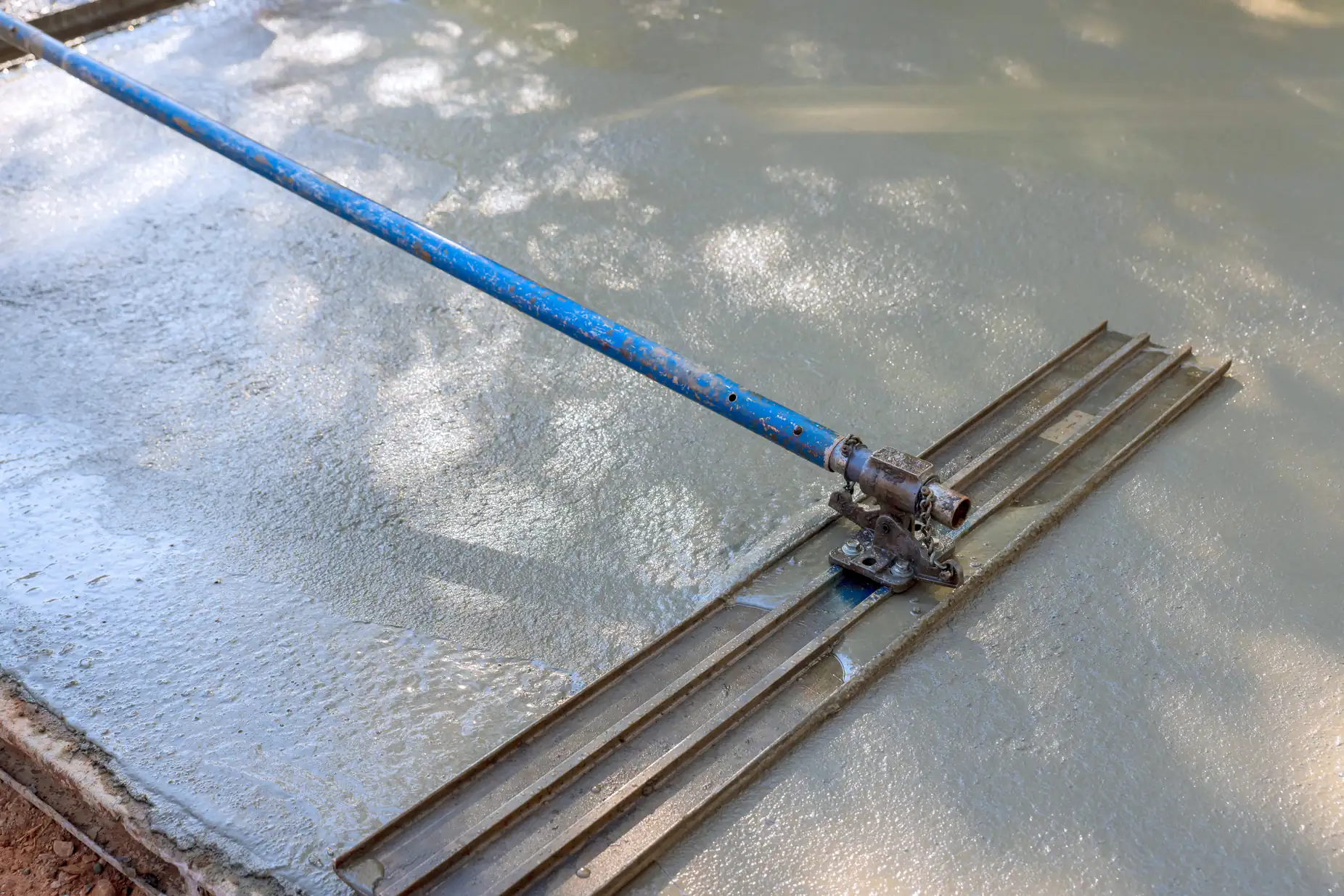
Professionally applied sealcoating lasts 2-3 years in North Jersey, depending on weather exposure, traffic, and how well the surface was prepped. If you’re seeing wear after one year, the job was either done too thin, applied in bad weather, or the surface wasn’t cleaned properly before application.
Pompton Plains gets hit harder than a lot of areas because of the freeze-thaw cycles and road salt exposure. Driveways that face south and get full sun tend to last a bit longer because UV exposure is more consistent. Shaded driveways or ones with heavy tree cover can hold moisture longer, which shortens the lifespan slightly.
The key is resealing before the coating fully wears off. If you wait until you see bare asphalt again, you’ve already lost some protection. Most homeowners in Morris County reseal every 2-3 years and get 25+ years total from their driveway. The ones who skip it or go 5+ years between applications are the ones calling for full replacements at year 15.
Mid-April through mid-October is the window for asphalt sealcoating in New Jersey. You need consistent temperatures above 55°F during application and curing, and no rain in the forecast for at least 24 hours. If it’s too cold, the sealer won’t cure properly. If it rains too soon, you’ll get washout and uneven coverage.
Late spring and early fall are ideal because temperatures are moderate and humidity is lower. Summer works too, but if it’s above 90°F, the sealer can dry too fast and not bond correctly. We don’t schedule jobs in July and August unless morning temps are reasonable.
Most driveway sealer companies in Morris County are booked solid in May and September, so if you’re trying to get on the schedule during peak season, call early. We keep a waitlist and move fast when weather opens up. Winter sealing isn’t an option—it won’t cure, and you’ll waste your money.
You can seal your own driveway if you’re willing to rent or buy the right equipment, spend a full weekend on prep and application, and accept that the results probably won’t last as long as a professional job. Most homeowners who try it once hire a contractor the second time.
The biggest issue with DIY driveway sealing is surface prep. If you don’t power wash correctly, fill cracks properly, or let everything dry completely, the sealer won’t bond. You’ll see peeling, streaking, and premature wear within a year. The sealer you buy at a big box store is also thinner than commercial-grade products, so you’re starting with a weaker product even if you apply it perfectly.
Professional crews have commercial sprayers or squeegees that apply sealer evenly at the right thickness. They know how to handle edges, transitions, and problem areas. And if something goes wrong, there’s a warranty. For a $200-$300 cost difference on a standard driveway, most people in Pompton Plains would rather spend a Saturday doing something else and know the job is done right.
A standard two-car driveway in Pompton Plains runs $180-$270 for professional sealcoating with crack filling, power washing, and two coats of sealer. Larger driveways or ones with heavy damage cost more, but you’ll know the price before any work starts.
If a contractor quotes you under $150 for a full driveway, they’re either cutting corners on materials, skipping prep steps, or applying one thin coat instead of two. That kind of job might look okay for six months, but it won’t hold up through a North Jersey winter. You’ll be resealing again in a year or dealing with new cracks because water got through.
On the other end, if someone is quoting $500+ for a standard driveway, ask what’s included. Sometimes that price covers additional services like edging, patching, or oil stain treatment. Other times it’s just inflated. We give you a transparent breakdown so you know exactly what you’re paying for and why.
No. New asphalt needs 3-6 months to cure before you seal it, sometimes longer depending on weather and how it was installed. If you seal too early, you trap oils and volatile compounds that need to evaporate, and the sealer won’t bond correctly.
Your installer should tell you when the driveway is ready to seal. If they don’t, wait at least six months and check the surface. It should feel firm and dry, not soft or oily. If you’re in Pompton Plains and the driveway was installed in late fall, wait until the following spring to seal. Cold weather slows the curing process.
Once that first sealing is done, you’re on a 2-3 year cycle. That first application is critical because it sets the foundation for long-term protection. Skipping it or doing it wrong means you’re starting from behind, and you’ll see premature cracking and wear within a few years.
If it rains within the first 24 hours after sealing, the sealer can wash away, streak, or fail to cure properly. That’s why we check the weather forecast before starting and reschedule if rain is coming. If we’re on your property and the forecast changes, we’ll stop work and come back when conditions are right.
Light moisture after 24 hours usually isn’t a problem, but heavy rain or standing water can still cause issues if the sealer hasn’t fully cured. Full cure time is 48-72 hours depending on temperature and humidity. That’s why we tell you to keep cars off for three days even if the surface looks dry.
If a contractor shows up, seals your driveway, and it rains that night, call them immediately. A good company will come back and fix it. A bad one will ignore your calls. That’s one reason why hiring a local, established contractor in Morris County matters—you know where to find us if something goes wrong.