
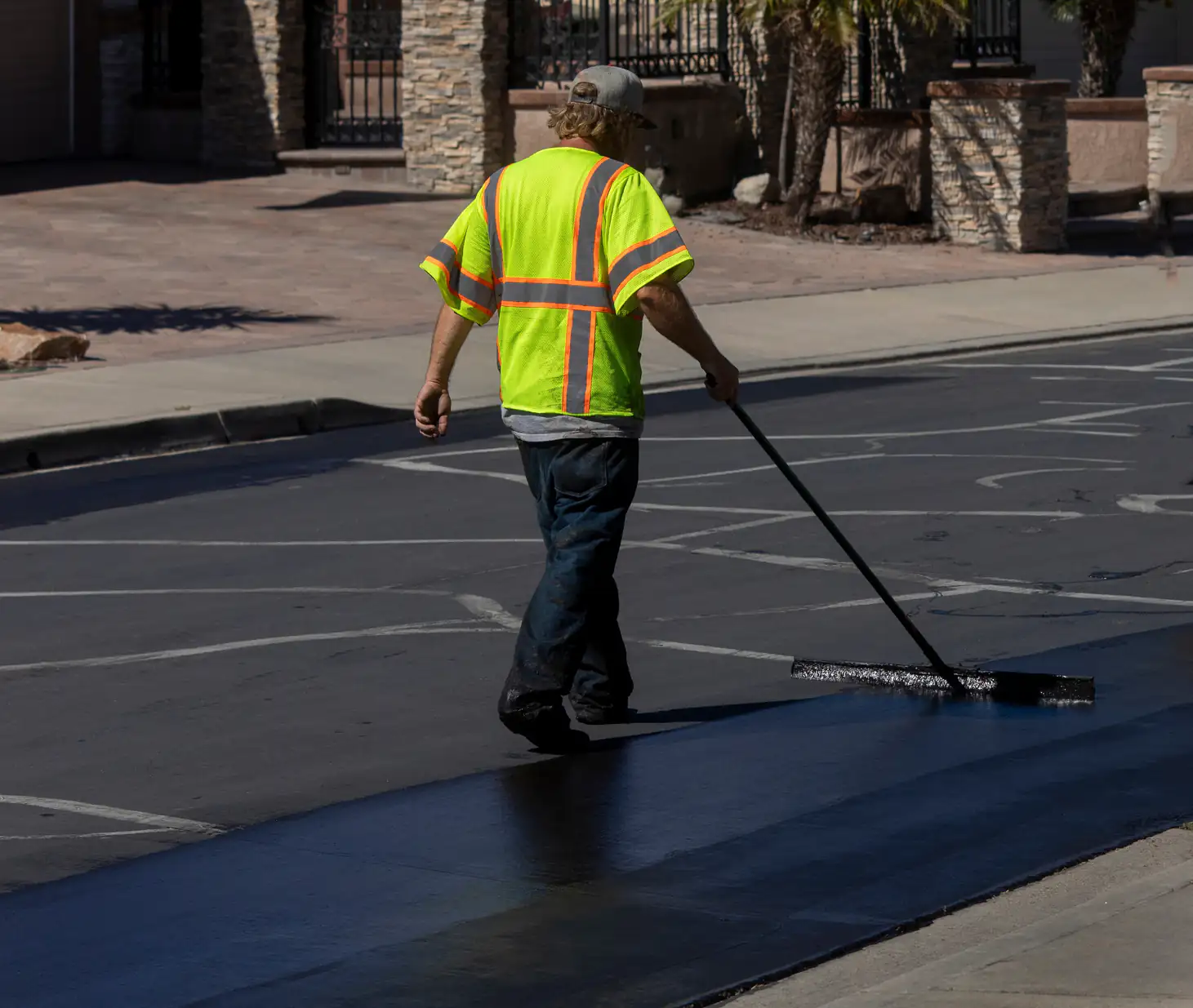
Hear from Our Customers
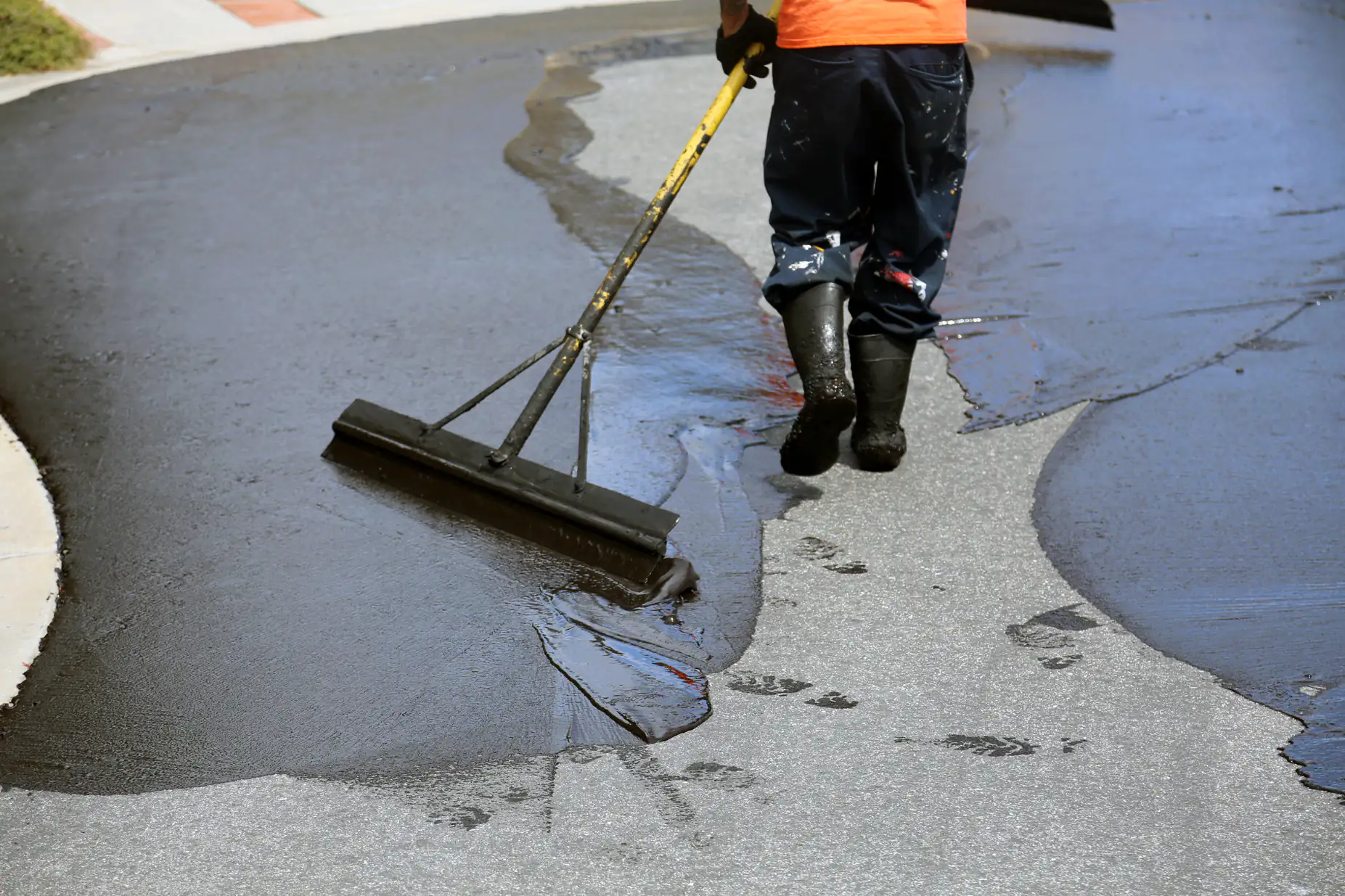
Your driveway takes a beating. Freezing temperatures, summer heat, moisture seeping into cracks – it all adds up faster than most homeowners realize.
Sealcoating creates a protective barrier that keeps water out. That matters here because moisture is what kills asphalt in New Jersey. When water gets in, freezes, and expands, it turns hairline cracks into potholes. Sealcoating stops that cycle before it starts.
You’re also replacing the fine particles that oxidation strips away. That’s what makes old asphalt look gray and brittle. A fresh seal brings back that deep black finish and keeps the surface flexible enough to handle temperature swings without cracking.
Done right, you’re looking at extending your driveway’s life from 15 years to 25 or more. That’s the difference between replacing it once or not replacing it at all while you own the house.
We’ve been doing this for over 20 years. Third-generation, family-owned, based right here in Morris County. We’re not a national franchise or a crew that shows up once and disappears.
Bridgewater Center sits in one of the wealthier townships in New Jersey. Median household income here is over $170,000. You’ve invested in your property, and you expect contractors who show up on time, do the work right, and stand behind it. That’s what we do.
We know the weather patterns, the soil conditions, the way driveways age in this area. That local knowledge shows up in how we prep the surface, which materials we use, and how we time the application so it cures properly.
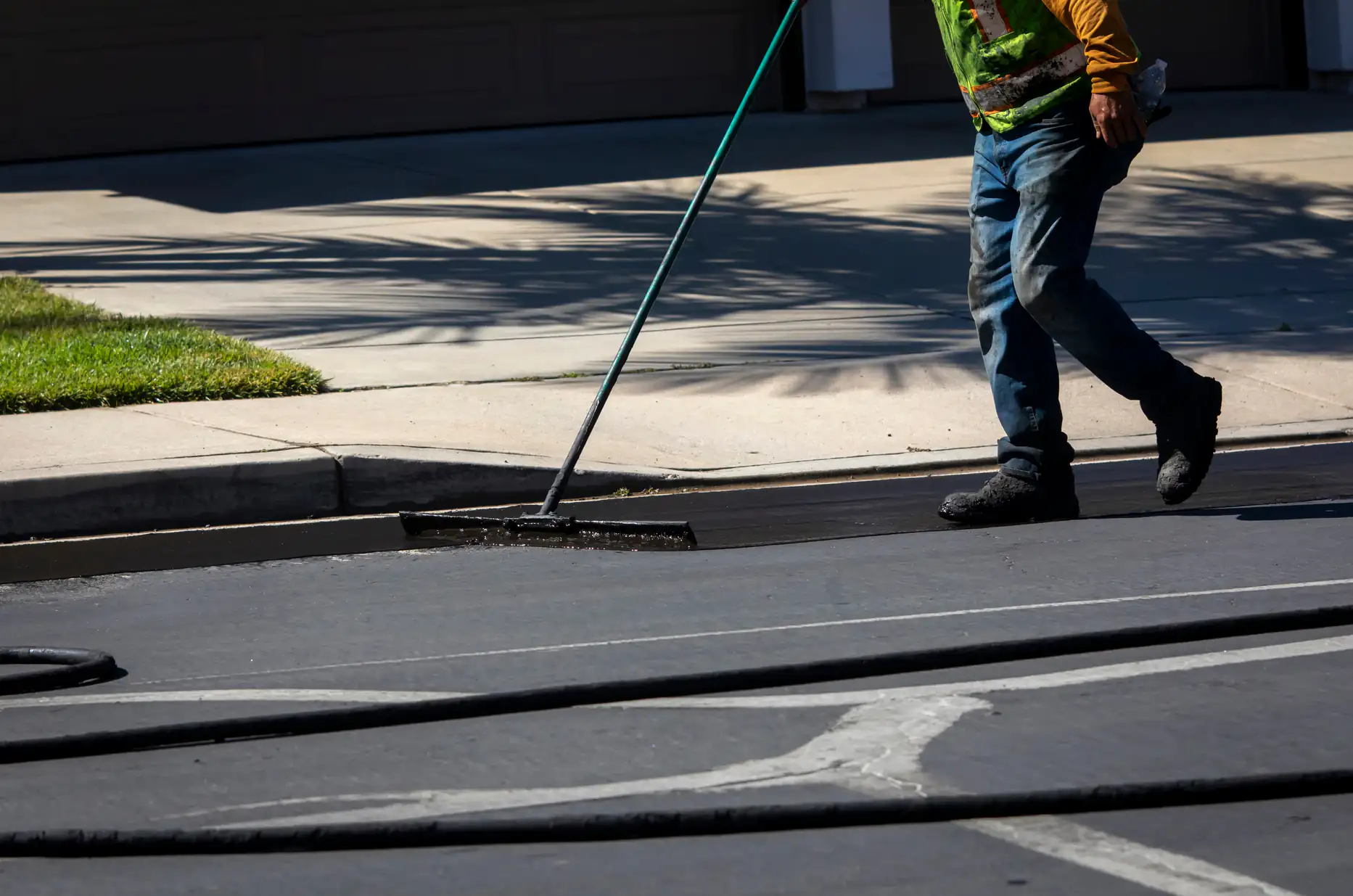
First, we power wash the entire surface. Any dirt, oil, or debris left behind will prevent the sealer from bonding. This step matters more than most contractors admit.
Next, we fill cracks. Our standard service includes up to 50 linear feet of crack filling using hot rubberized material. If your driveway has more than that, we’ll let you know upfront – no surprises.
Then we apply two coats of high-grade sealer. Not one thick coat. Two properly applied coats with drying time in between. We also add sand for traction so the surface isn’t slippery when wet.
The whole process takes a day, and you’ll need to stay off it for 24 to 48 hours depending on weather. We’ll block it off and give you clear instructions on when it’s safe to park again.
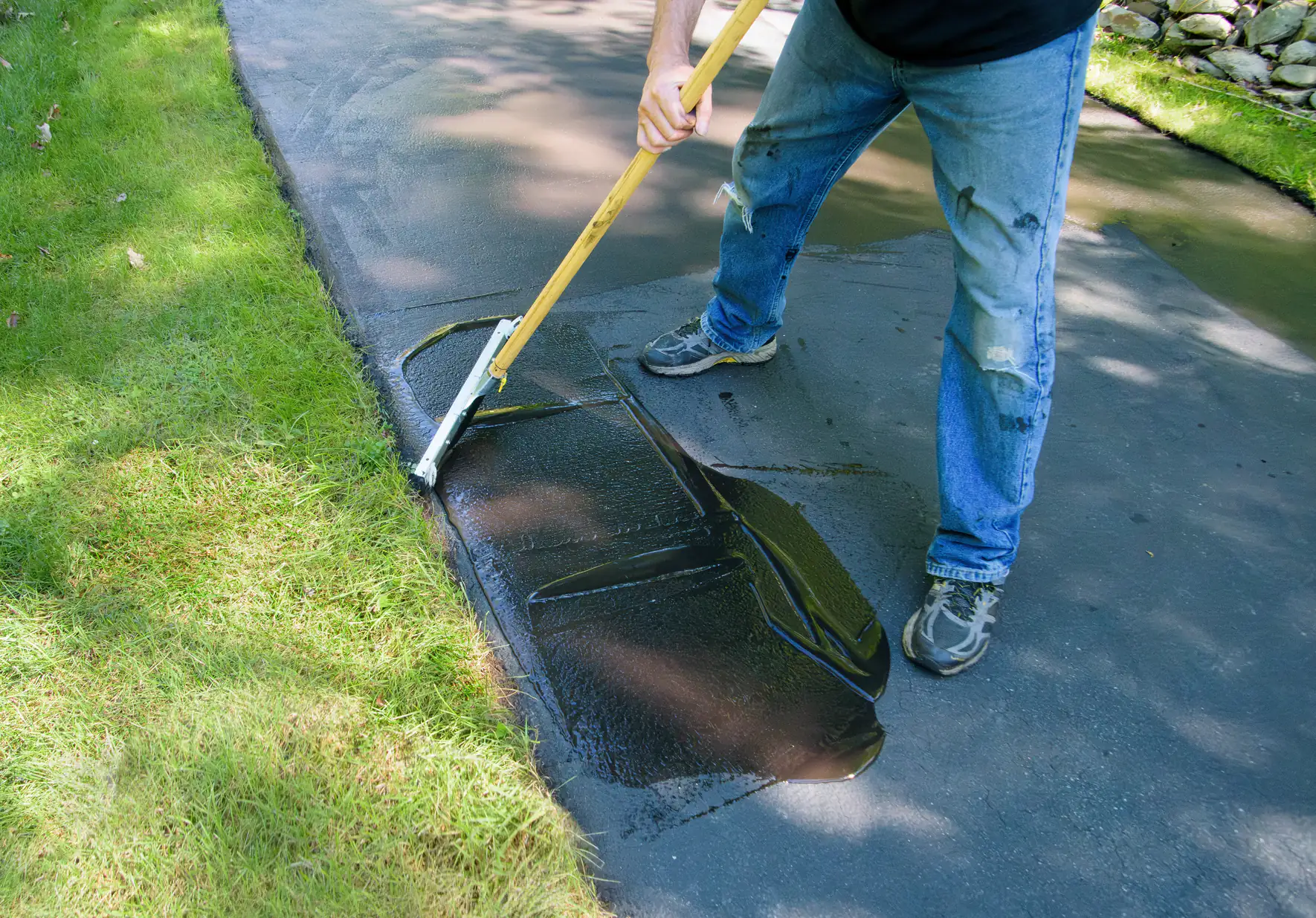
Ready to get started?
You get power washing, crack filling up to 50 linear feet, two coats of commercial-grade sealer, sand additive for traction, and a 2-year warranty on the work. That’s our standard package for a typical 600-square-foot driveway.
In Bridgewater Center and the surrounding Somerset County area, driveways face specific challenges. You’ve got clay-heavy soil that shifts with moisture. You’ve got mature trees that drop sap and create shade, which keeps surfaces damp longer. You’ve got freeze-thaw cycles that start earlier and last longer than areas closer to the coast.
We account for all of that. The sealer we use is designed for northern climates. We don’t cut it with water or additives to stretch it further. We apply it at the right temperature and thickness so it bonds correctly and lasts.
Timing matters too. Spring and fall are ideal. Summer heat can make the sealer dry too fast. Winter is obviously out. We’ll tell you the best window for your specific driveway based on its condition and exposure.
Every two to three years is the standard recommendation. That said, it depends on a few factors: how much traffic your driveway gets, whether it’s shaded or in full sun, and how well it was sealed last time.
If your driveway is starting to look gray instead of black, that’s oxidation. If you can see small cracks forming or the surface feels rough, you’re overdue. Waiting too long means you’re not just maintaining anymore – you’re repairing damage that could have been prevented.
New driveways are different. If you just had asphalt installed, wait at least six months before sealing. Fresh asphalt needs time to cure. Sealing it too early traps oils that need to evaporate, and that can cause problems down the line.
For a standard two-car driveway around 600 square feet, you’re looking at $180 to $270 in this area. That includes power washing, crack filling, two coats of sealer, and sand additive.
Larger driveways or ones with significant cracking will cost more. If you’ve got more than 50 linear feet of cracks, we’ll need to do additional prep work. Same goes for oil stains – those require special treatment or they’ll bleed through the sealer.
We give you a firm price upfront after looking at your driveway. No surprises, no upselling once we’re there. You’ll know exactly what you’re paying and what’s included before we start.
A quality sealcoating job should last two to three years before you need to do it again. Some driveways go longer, especially if they don’t get heavy use or aren’t exposed to full sun all day.
The lifespan depends on the quality of materials and application. Cheap sealer or a single thin coat won’t hold up. Neither will sealer applied in the wrong weather conditions – too hot, too cold, or with rain in the forecast.
When we seal a driveway, we’re aiming for that full two to three year window. That’s why we use commercial-grade materials and apply two coats. It costs a bit more upfront, but you’re not calling us back in a year because it’s already failing.
Yes, but there’s a limit. Small cracks – anything under a half-inch wide – we fill as part of the standard service. Larger cracks, potholes, or areas where the base is failing need repair work before we seal.
Sealcoating isn’t a structural fix. It protects the surface and fills minor imperfections, but it won’t hold together a driveway that’s falling apart. If the damage is significant, we’ll tell you. Sometimes a section needs to be cut out and repaved before sealing makes sense.
The good news is that catching cracks early and sealing regularly prevents most major damage. That’s the whole point – spend a few hundred dollars every few years on maintenance instead of several thousand on replacement.
Spring and fall are ideal. You need temperatures above 50 degrees at night and dry weather for at least 24 hours after application. Late April through June and September through October usually give you those conditions in New Jersey.
Summer can work, but if it’s too hot, the sealer dries too fast and doesn’t bond properly. You also can’t seal in direct sun when it’s over 90 degrees – the surface gets too hot and the material breaks down.
Our schedule fills up fast in October because everyone’s trying to get it done before winter. If you’re thinking about it, call early. We guarantee a callback within 24 to 48 hours for quote requests, and we’ll get you on the schedule while there’s still availability.
It’s not cosmetic. Sealcoating is preventive maintenance that directly impacts how long your driveway lasts. Asphalt without protection oxidizes, cracks, and breaks down – especially in climates with freeze-thaw cycles like ours.
When you seal, you’re keeping water out. Water is the enemy. It seeps into tiny cracks, freezes, expands, and turns small problems into big ones. Once the base starts failing, you’re looking at repaving, not resealing.
The cost difference is massive. Sealing a 600-square-foot driveway runs $200 to $300. Replacing it runs $2,400 to $4,800. Do the math – even if you seal every two years for 20 years, you’re still way ahead compared to replacing it halfway through.