
Hear from Our Customers
You’re not just making your driveway look darker. You’re adding years to its life.
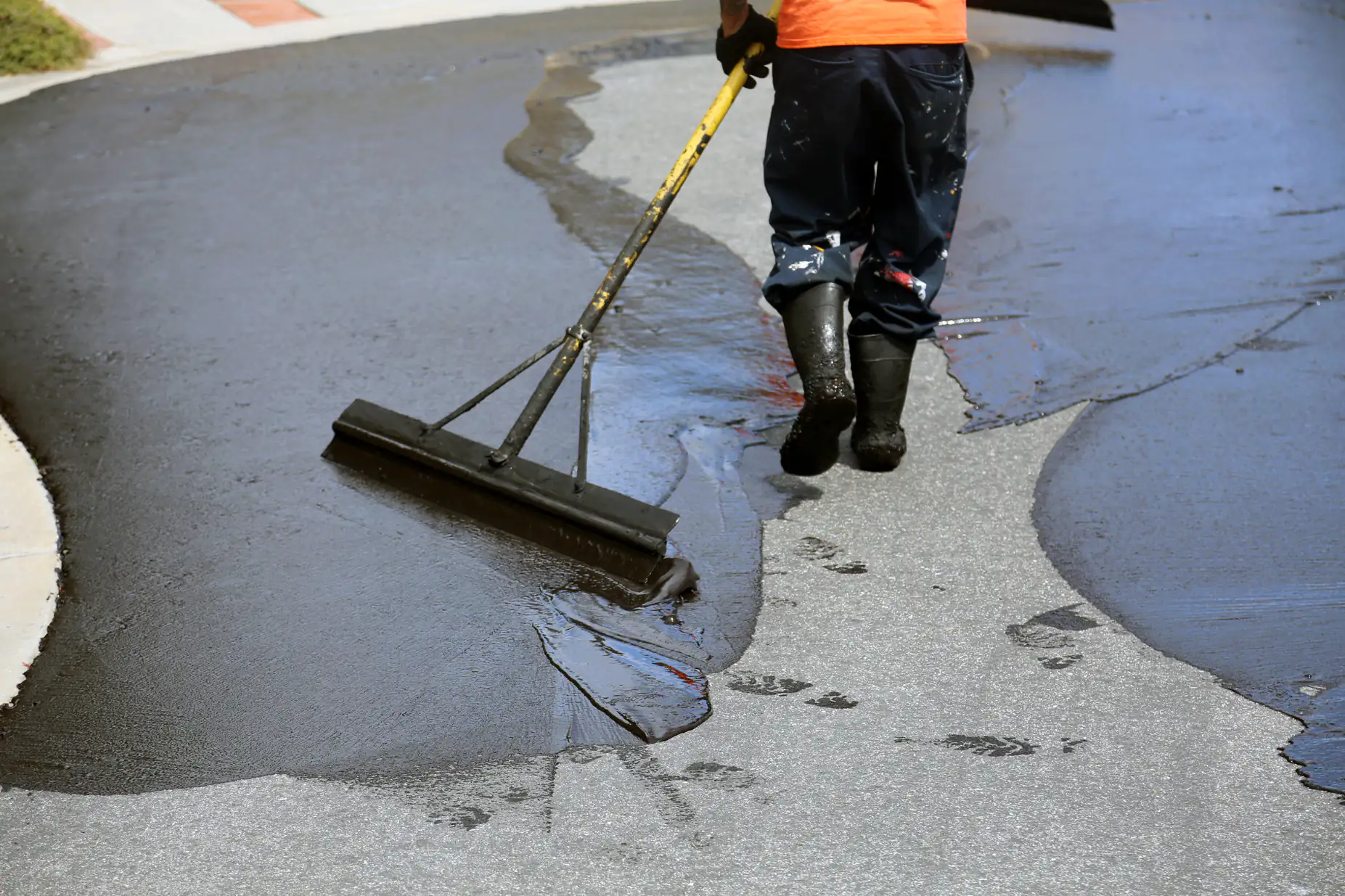
Asphalt driveway sealing creates a protective barrier against the things that destroy driveways in New Jersey. UV rays that dry out the binder. Water that seeps into tiny cracks and freezes. De-icing salts that eat away at the surface. Without that protection, you’re looking at deterioration that costs thousands to fix.
A properly sealed driveway in Gillette can last 25 years instead of 15. That’s the difference between one repaving job in your lifetime versus two or three. The math is simple: spend a few hundred dollars every few years on sealcoating, or spend several thousand on replacement when the damage becomes too severe.
The difference shows up in how your driveway handles Morris County winters. Sealed asphalt sheds water instead of absorbing it. It flexes through freeze-thaw cycles instead of cracking. It resists the chemical assault from road salt. You’re not preventing every bit of wear, but you’re dramatically slowing it down.
We’re a third-generation, family-owned paving contractor. We’ve spent over 20 years working specifically in Morris, Sussex, and Somerset Counties.
That local focus matters because your driveway faces different conditions than one in South Jersey or Pennsylvania. We know how Morris County winters stress asphalt. We understand local drainage patterns, soil conditions, and the specific challenges your property faces.
When you call, you’re talking to people who’ve sealed thousands of driveways in Gillette and surrounding towns. We’re not guessing at what your driveway needs. We’ve seen what works and what fails in this exact climate. You get that experience applied to your specific situation, with clear pricing and no surprises when the bill comes.
First, we assess your driveway’s current condition. If there are cracks wider than a quarter-inch, we fill those first. Sealcoating won’t fix structural damage, so any necessary repairs happen before we seal.
Next, we clean the surface thoroughly. Oil stains, dirt, vegetation, and loose material all have to go. The sealer needs to bond directly to clean asphalt, not to whatever’s sitting on top of it.
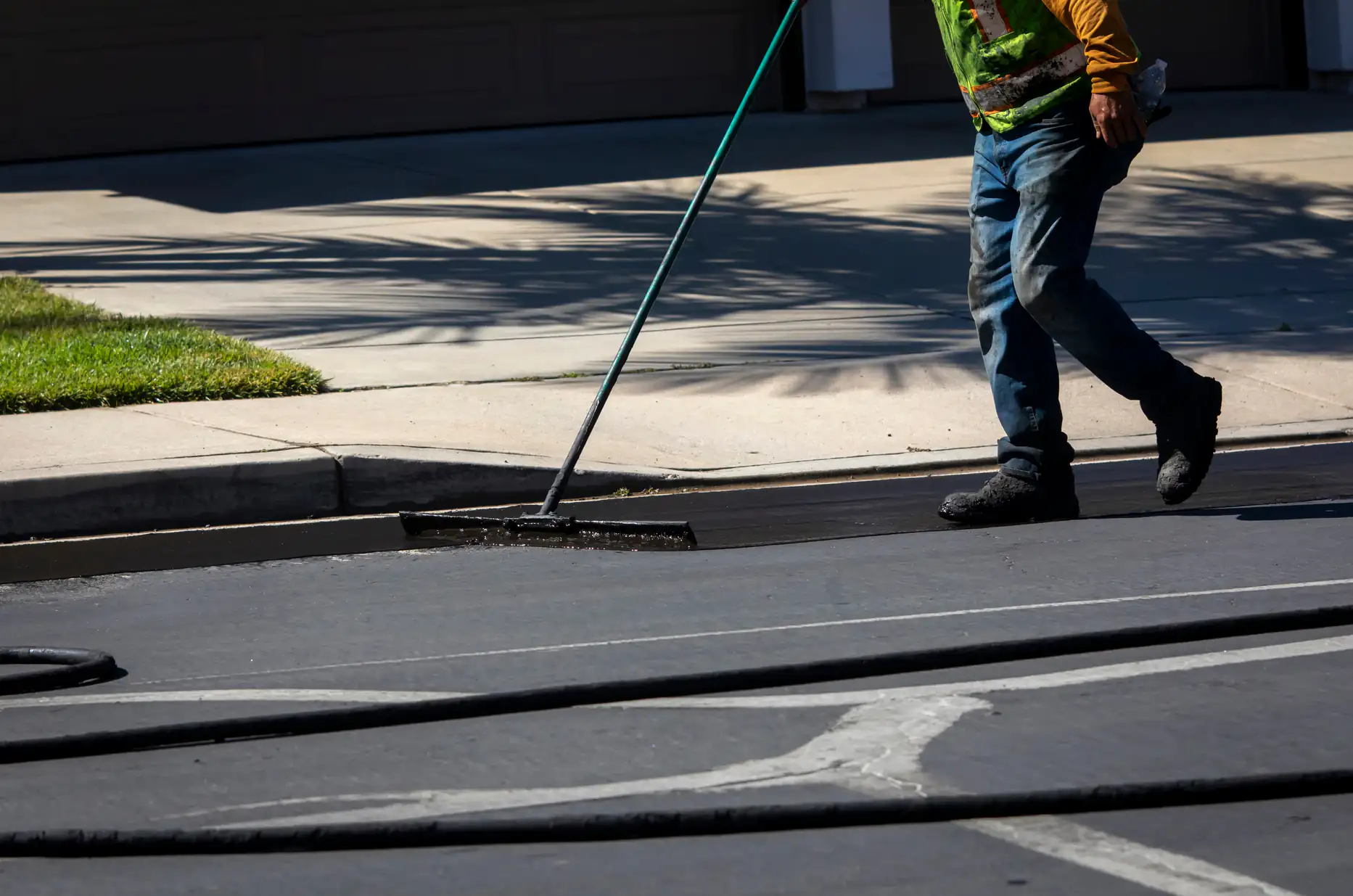
Then we apply high-grade asphalt emulsion sealer in two coats. We’re not using the cheap stuff from the hardware store. Professional-grade sealer penetrates deeper and lasts longer. The first coat soaks in and fills surface voids. The second coat creates that protective layer.
Finally, we let it cure properly. That means staying off it for 24 to 48 hours depending on temperature and humidity. Rushing this step ruins the job. We schedule work when weather conditions support proper curing, typically late spring through early fall when temperatures stay above 50 degrees.
The whole process takes one to two days for a typical residential driveway. You’ll know the timeline before we start, and we stick to it.
Ready to get started?
Driveway sealcoating in Gillette typically runs between $200 and $500 for a standard residential driveway. That price includes crack filling, surface cleaning, and two coats of professional-grade sealer.
The cost varies based on your driveway’s size and condition. A 600-square-foot driveway in good shape costs less than a 1,000-square-foot driveway with multiple cracks that need filling first. We give you upfront pricing after seeing your specific situation.
New Jersey pricing runs about 15 to 20 percent higher than the national average. That’s partly labor costs, but mostly because our climate demands more from sealers. We deal with 55 to 75 freeze-thaw cycles every winter. Your driveway takes more abuse here than it would in milder climates, so the materials and application have to be better.
You should reseal every two to three years in this area. Some contractors will tell you every year, but that’s overkill and wastes your money. Others say every five years, but that’s too long for Morris County conditions. Two to three years is the sweet spot where you maintain protection without over-applying.
Compare that maintenance cost to replacement. A full driveway replacement in Gillette runs $3,000 to $8,000 depending on size. Regular sealcoating for 20 years costs maybe $2,000 total. The choice is pretty clear.
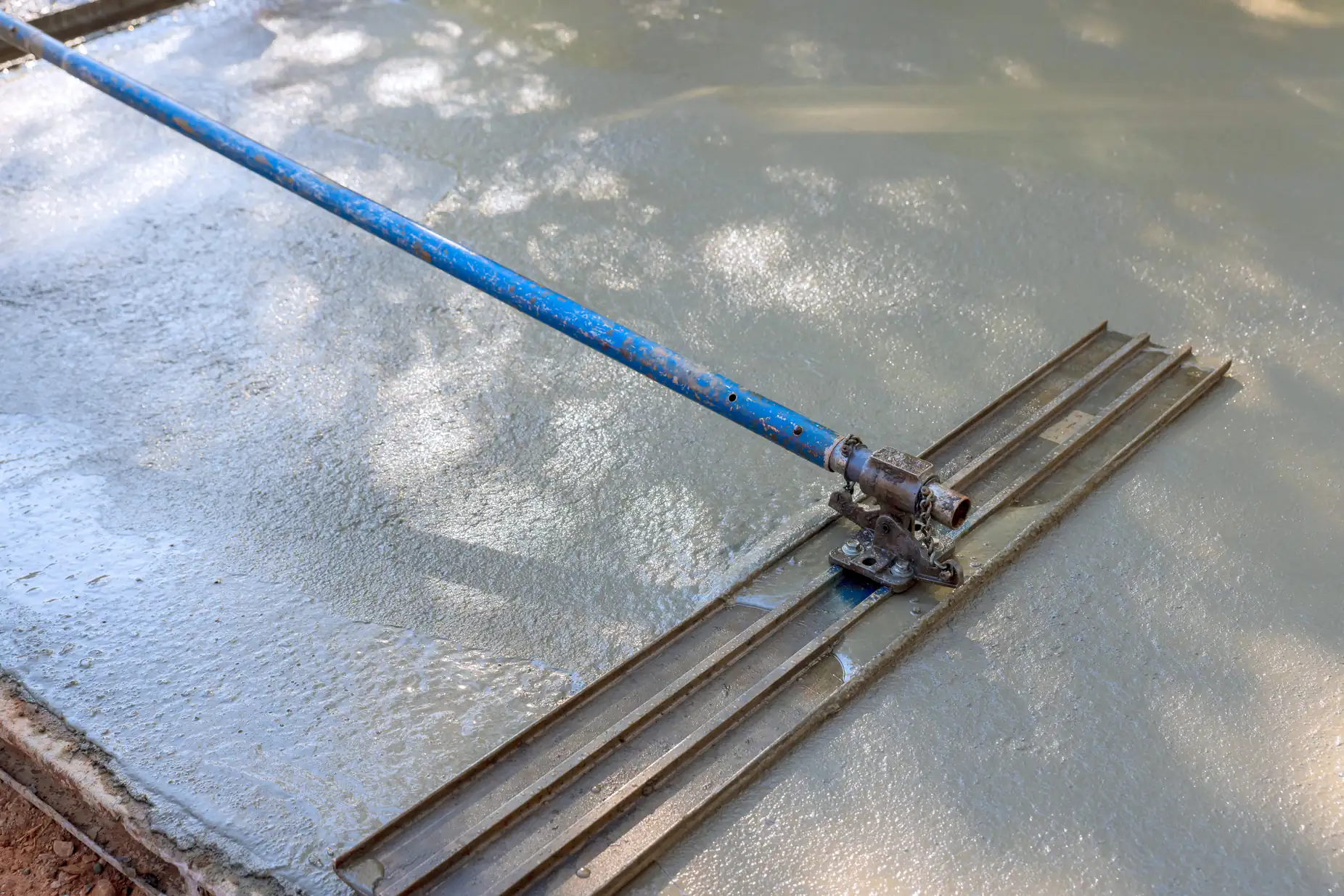
Professional sealcoating lasts two to three years in New Jersey before you need to reapply. That timeline is shorter than what you’ll see advertised nationally because our climate is harder on driveways.
Morris County gets 55 to 75 freeze-thaw cycles every winter. Each cycle pushes water into your asphalt, freezes it, expands it, and stresses the binder. That’s on top of UV exposure in summer and chemical exposure from de-icing salts. All of that degrades sealer faster than it would in milder climates.
You’ll know it’s time to reseal when water stops beading on the surface. If rain soaks into your driveway instead of running off, the sealer’s protection is wearing thin. Don’t wait until you see new cracks. By then, water’s already getting underneath and causing damage.
Small cracks get filled as part of the sealing process. Anything wider than a quarter-inch needs crack filling before we apply sealer. Anything wider than a half-inch might need more substantial repair.
Here’s why: sealer isn’t a crack filler. It’s a protective coating that goes on top of sound asphalt. If you seal over cracks without filling them first, water still gets in through those cracks. The sealer looks good on the surface, but it’s not actually protecting your driveway where it needs it most.
We fill cracks with rubberized crack filler that flexes with temperature changes. It bonds to the edges of the crack and moves with the asphalt as it expands and contracts. Then we seal over the entire surface, including the filled cracks. That gives you complete protection.
If your driveway has extensive cracking, alligatoring, or potholes, sealing won’t fix it. At that point, you’re looking at patching or resurfacing. We’ll tell you honestly if your driveway is past the point where sealing makes sense.
The main differences are material quality, surface preparation, and application technique. DIY sealers from hardware stores are thinner and don’t last as long as professional-grade products. They’re designed for ease of application, not maximum protection.
Professional sealcoating uses commercial-grade asphalt emulsion that’s thicker and more durable. We apply it with commercial equipment that ensures even coverage and proper thickness. Two coats from a professional typically last twice as long as a DIY application.
Surface prep makes a bigger difference than most people realize. We use commercial pressure washers and cleaning agents to remove oil, dirt, and oxidized asphalt. A garden hose and a push broom don’t cut it. If the surface isn’t truly clean, the sealer won’t bond properly no matter how carefully you apply it.
The cost difference isn’t as big as you’d think. DIY materials for a typical driveway run $100 to $150, plus you’re spending a full day on the work. Professional application runs $200 to $500 and includes crack filling, proper prep, better materials, and a result that lasts longer. Most homeowners find the professional route worth the modest additional cost.
Late spring through early fall is the window for driveway sealing in Gillette. You need consistent temperatures above 50 degrees for at least 24 hours before and after application. The sealer has to cure properly, and that doesn’t happen in cold weather.
September and early October are ideal. Temperatures are moderate, humidity is lower than summer, and you’re getting ahead of winter damage. Spring works too, but you’re often dealing with higher humidity and unpredictable weather. Summer is fine if we avoid the hottest days when sealer can dry too quickly.
We don’t seal in late fall or winter, even if you get a warm day. The ground temperature matters as much as air temperature, and once the ground gets cold, sealer won’t cure properly. A warm November afternoon might seem fine, but if the asphalt itself is cold, you’re wasting money.
Rain is the other factor. We need at least 24 hours of dry weather after sealing. If rain hits before the sealer cures, it can wash away or create an uneven finish. We watch the forecast closely and won’t start a job if rain’s coming within the curing window.
Sealcoating prevents the conditions that cause cracks, but it won’t stop cracks that are already forming due to base failure or settling. It’s preventive maintenance, not a structural repair.
Most cracks start because water gets into small surface voids, freezes, and expands. That expansion breaks the bonds in the asphalt and creates a crack. Sealcoating fills those surface voids and creates a waterproof barrier. No water penetration means no freeze-thaw damage, which means fewer cracks.
Sealcoating also protects against UV damage. Sunlight breaks down the binders in asphalt, making it brittle. Brittle asphalt cracks more easily under stress. The sealer blocks UV rays and keeps the asphalt flexible. Flexible asphalt handles temperature changes and traffic stress without cracking.
What sealcoating can’t do is fix problems with the base layer or stop cracks caused by ground movement. If your driveway was installed over poorly compacted soil, or if tree roots are pushing it up, sealing the surface won’t solve that. Those are structural issues that need different solutions.
If your driveway is still mostly black or dark gray with minor surface cracks, it’s a good candidate for sealing. If it’s turned light gray, has widespread cracking, or shows alligatoring (interconnected cracks that look like reptile skin), sealing won’t help much.
The water test tells you a lot. Pour some water on your driveway. If it beads up and runs off, your existing sealer is still working. If it soaks in immediately, you need to reseal soon. If it soaks in and you can see the aggregate (stones) clearly through worn-away asphalt, you might be past the sealing stage.
Potholes, major cracking, and crumbling edges mean your driveway needs repair or replacement, not just sealing. Sealing is preventive maintenance for driveways in decent shape. It’s not a fix for driveways that are already failing.
We’ll give you an honest assessment when we look at your driveway. If sealing will add years to its life, we’ll tell you. If you’re better off patching problem areas first, or if replacement makes more sense than continued maintenance, we’ll tell you that too. You’ll know exactly what you’re dealing with before spending a dollar.