
Hear from Our Customers
You’ve probably noticed the cracks getting worse each spring. That’s not random wear and tear—that’s New Jersey winters doing exactly what they do best: destroying unprotected asphalt.
Water seeps into those hairline cracks during fall and early winter. Then temperatures drop below freezing, the water expands, and those small cracks become bigger problems. By March, you’re looking at potholes and crumbling edges that weren’t there six months ago.
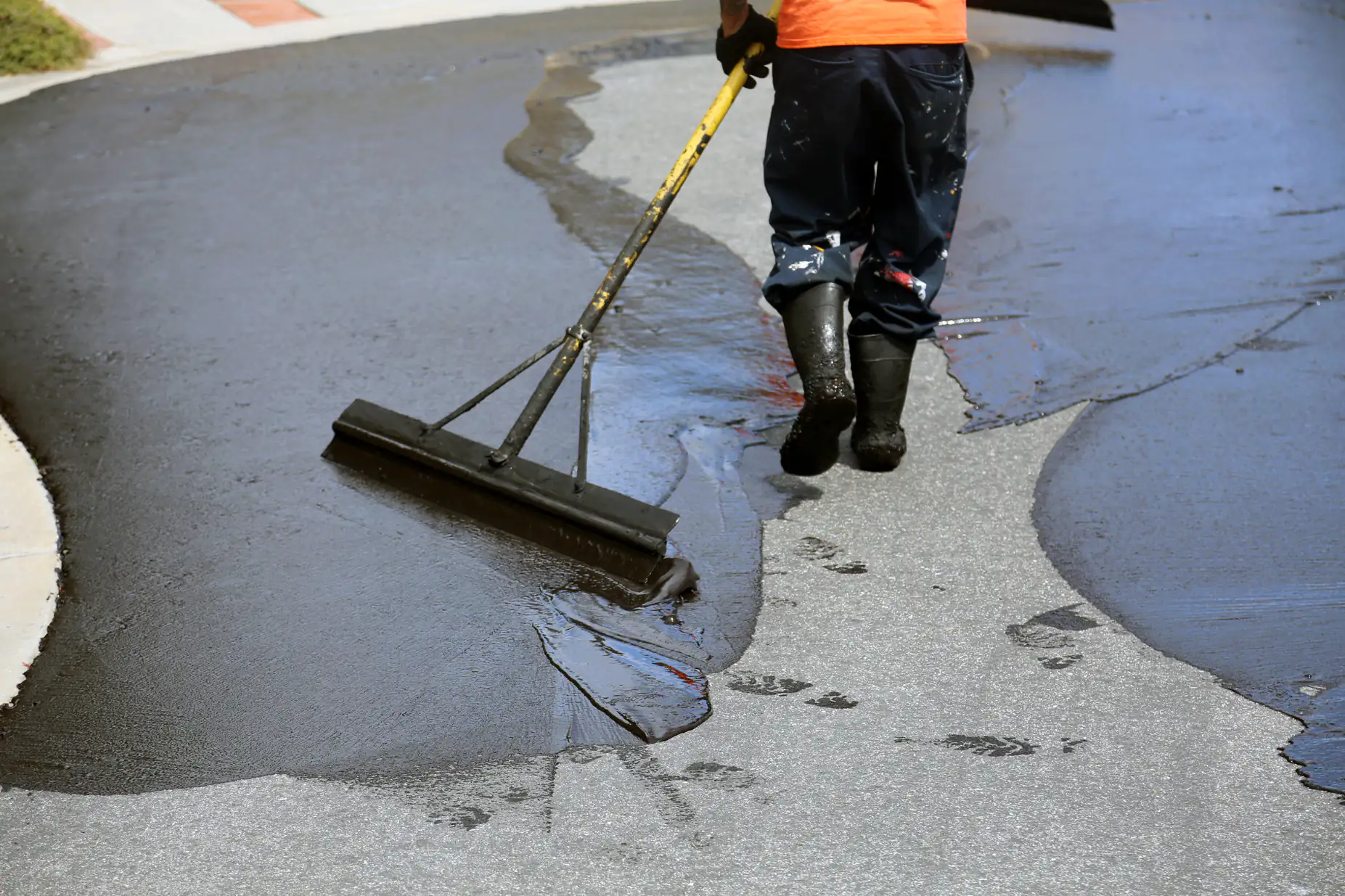
Sealcoating creates a waterproof barrier over your asphalt. It keeps moisture out, which means freeze-thaw cycles can’t do their damage. Your driveway stays intact through winter instead of breaking down piece by piece. The difference between a sealed driveway and an unsealed one in Franklin Park isn’t subtle—it’s the difference between 15 years of life and 25+ years.
Most homeowners spend $300-$500 on professional sealcoating. That same investment prevents a $5,000+ repaving job three years from now. You’re not just maintaining your driveway—you’re protecting one of your property’s biggest surface investments from the weather conditions that destroy it fastest.
Platinum Paving is a third-generation, family-owned asphalt contractor based in Morris County. We’ve spent two decades working exclusively in North Jersey—Morris, Somerset, and Sussex Counties—so we know exactly what Franklin Park driveways face each year.
The weather patterns here aren’t the same as South Jersey. You get more freeze-thaw cycles, heavier spring moisture, and harsher winter conditions. That means your driveway needs materials and application methods designed for this specific climate, not generic products that work “everywhere.”
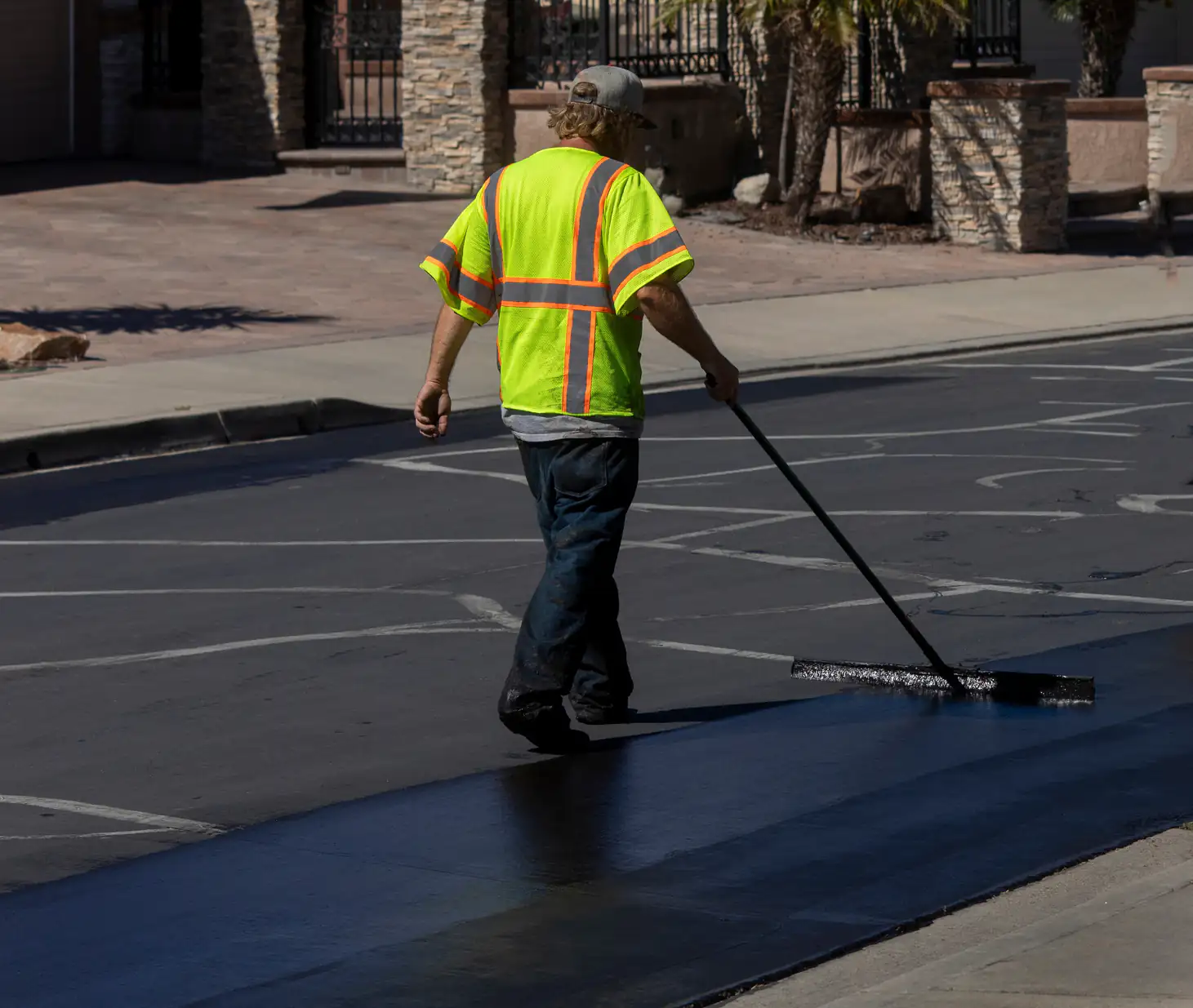
We use coal tar sealer with sand additive for traction, applied in two coats after power washing and crack filling. It’s the same process we’ve used on thousands of driveways across Somerset County, and it’s backed by a two-year warranty. You’re not getting a crew that showed up from out of state last month—you’re getting local contractors who’ve been doing this since before you moved to Franklin Park.
First, we power wash your entire driveway to remove dirt, oil stains, and loose debris. Sealer won’t bond properly to a dirty surface, so this step matters more than most homeowners realize.
Next, we fill cracks up to 50 linear feet using hot rubberized crack filler. This isn’t the stuff you buy at the hardware store—it’s professional-grade material that stays flexible through temperature changes and actually prevents water infiltration.
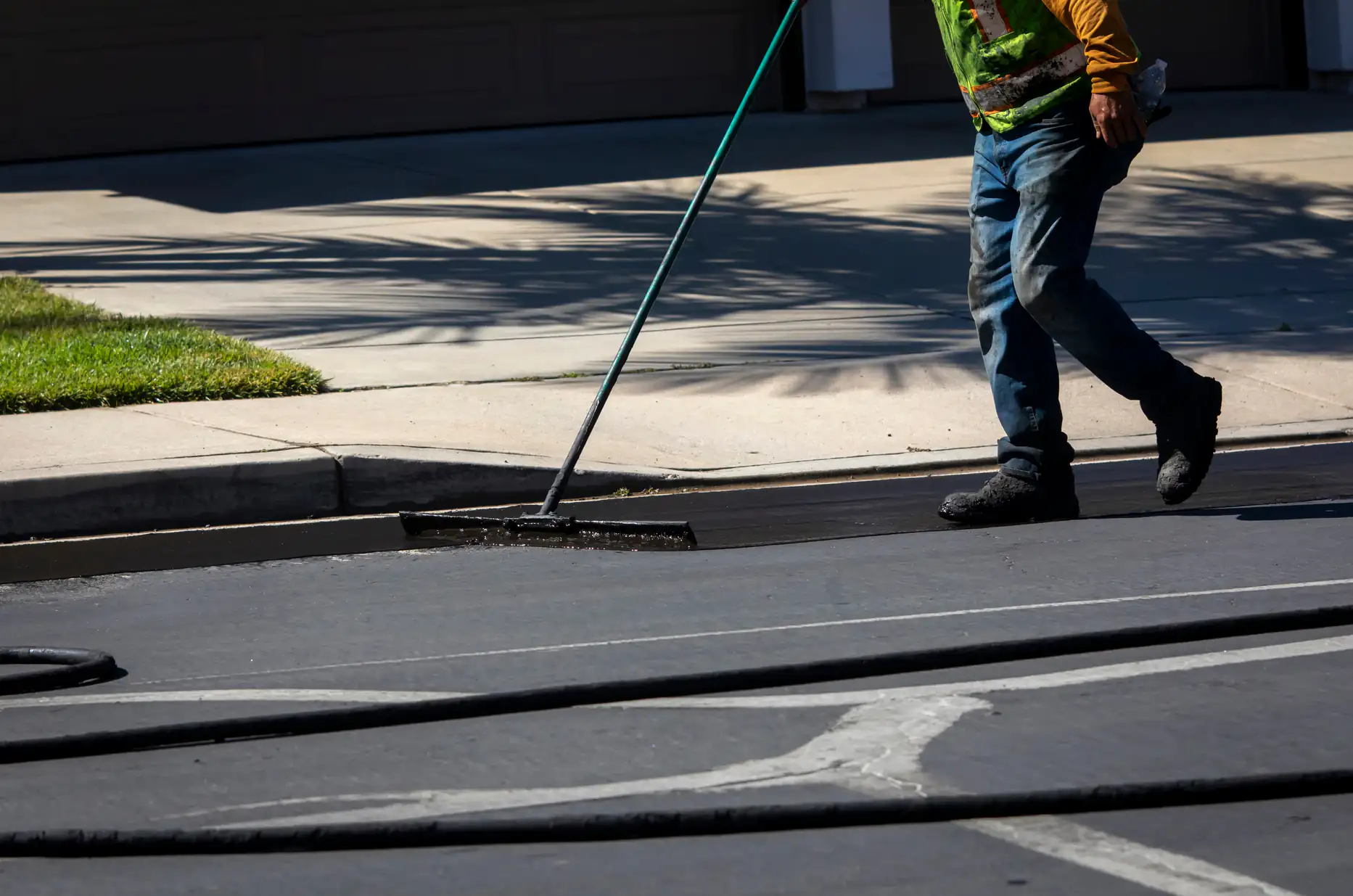
Then we apply two coats of coal tar sealer with a sand additive mixed in. The first coat seals the surface. The second coat ensures complete coverage and adds the traction you need for safe vehicle and foot traffic. We let each coat cure properly before applying the next one.
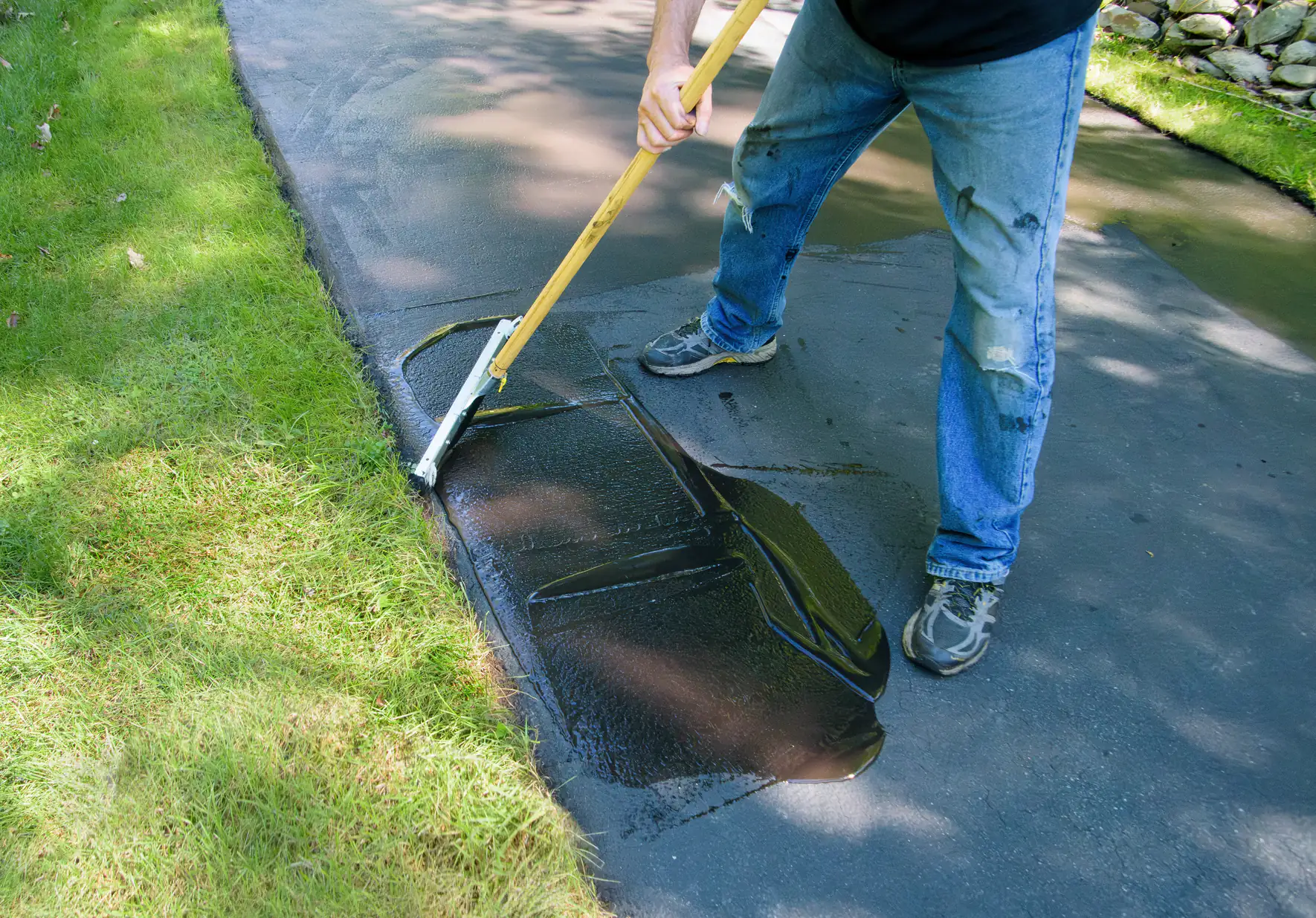
The entire process takes one day for most residential driveways in Franklin Park. You’ll need to stay off the driveway for 24-48 hours depending on temperature and humidity. After that, your driveway is fully cured and protected for the next 2-3 years.
Ready to get started?
Most residential driveways in Franklin Park run between $180 and $500 for complete sealcoating, depending on size and condition. A standard two-car driveway (around 600 square feet) typically costs $250-$350.
That price includes power washing, crack filling up to 50 linear feet, two coats of coal tar sealer, sand additive for traction, and a two-year warranty. You’re not paying extra for each step—it’s all part of the service.
Timing matters in New Jersey. Sealcoating needs to be applied when temperatures are consistently above 55 degrees during application and curing. That gives you a window from mid-April through mid-October. Fall is actually ideal because your driveway gets protected right before winter hits.
The application window is narrow, but the protection lasts 2-3 years. After that, you’ll want to reseal to maintain the barrier. Most Franklin Park homeowners get on a regular schedule—seal every 2-3 years, and your driveway consistently outlasts the 15-year average lifespan for unsealed asphalt in this climate.
You’ll also see better curb appeal. Fresh sealcoating makes your driveway look new again, which matters if you’re planning to sell. Homeowners in New Jersey typically see a 50-75% return on driveway maintenance costs when it’s time to list the property.
Professional sealcoating lasts 2-3 years in Franklin Park under normal conditions. That timeline can shift based on how much traffic your driveway gets, how harsh the winter was, and whether you’re parking heavy vehicles on it regularly.
The sealer itself doesn’t just disappear after two years—it gradually wears down from vehicle traffic, UV exposure, and weather. You’ll start noticing the surface looks lighter or more faded. That’s your signal to reseal before the protection is completely gone.
If you wait too long between applications, water starts getting back into the asphalt. Once that happens, you’re back to dealing with freeze-thaw damage. The goal is to reseal while the previous coat is still doing its job, not after it’s already failed.
Coal tar sealer is more durable and offers better protection against gas, oil, and UV damage. It’s what we use on most residential driveways in Franklin Park because it holds up better in New Jersey’s climate.
Asphalt emulsion sealer is less expensive and more environmentally friendly, but it doesn’t last as long. It also doesn’t protect as well against petroleum-based spills, which matters if you’re parking cars that occasionally leak oil or gas.
For driveways that see regular vehicle traffic and exposure to New Jersey winters, coal tar sealer is the better investment. It costs slightly more upfront, but you get longer protection and fewer reapplications over the life of your driveway.
You can buy DIY sealcoating products at any home improvement store, but the results aren’t comparable to professional application. The sealer you get at retail stores is thinner and doesn’t include the same additives that professional-grade products have.
Application matters as much as the product itself. If the surface isn’t properly cleaned, if cracks aren’t filled first, or if the sealer isn’t applied evenly in two coats, you won’t get the protection you’re paying for. Most DIY jobs last 6-12 months instead of 2-3 years.
We also have commercial-grade equipment for power washing and application. We can complete the job in one day with proper curing time, and it’s backed by a warranty. If something goes wrong with a DIY job, you’re starting over from scratch and buying more materials.
Late summer through early fall is ideal for driveway sealcoating in Franklin Park. You need consistent temperatures above 55 degrees during application and for 24-48 hours afterward while the sealer cures.
Spring works too, but you’re dealing with more unpredictable weather and higher humidity. Fall gives you stable conditions and gets your driveway protected right before winter hits, which is when you need that protection most.
Avoid sealing in extreme heat—above 90 degrees—because the sealer can dry too fast and not bond properly. You also can’t seal if rain is in the forecast within 24 hours. The application window in New Jersey runs from mid-April to mid-October, but September and early October are your best bet for consistent results.
You’ll need to keep vehicles off your driveway for 24-48 hours after sealcoating, depending on temperature and humidity. Warmer, drier conditions mean faster curing. Cooler or more humid weather extends the wait time.
Foot traffic is usually safe after 12-18 hours, but you still want to avoid dragging anything across the surface or walking on it more than necessary. The sealer needs time to fully cure and harden.
If you drive on it too soon, you’ll leave tire marks and damage the fresh coating. Those marks don’t just look bad—they create weak spots where water can eventually penetrate. It’s worth planning ahead and parking on the street for a day or two to let the sealer do its job properly.
Sealcoating doesn’t fill cracks—it seals the surface. If your driveway has cracks, they need to be filled separately before sealcoating happens. Otherwise, water will still get into those cracks and cause freeze-thaw damage even with fresh sealer on top.
Our driveway sealing service includes crack filling up to 50 linear feet for residential jobs. We use hot rubberized crack filler that stays flexible and moves with the asphalt as temperatures change. It’s not the same as the squeeze-tube products you find at hardware stores.
If your driveway has extensive cracking—more than 50 linear feet or cracks wider than a quarter inch—you might need more significant repairs before sealcoating makes sense. At that point, you’re looking at patching or possibly resurfacing, depending on how far the damage has progressed.