
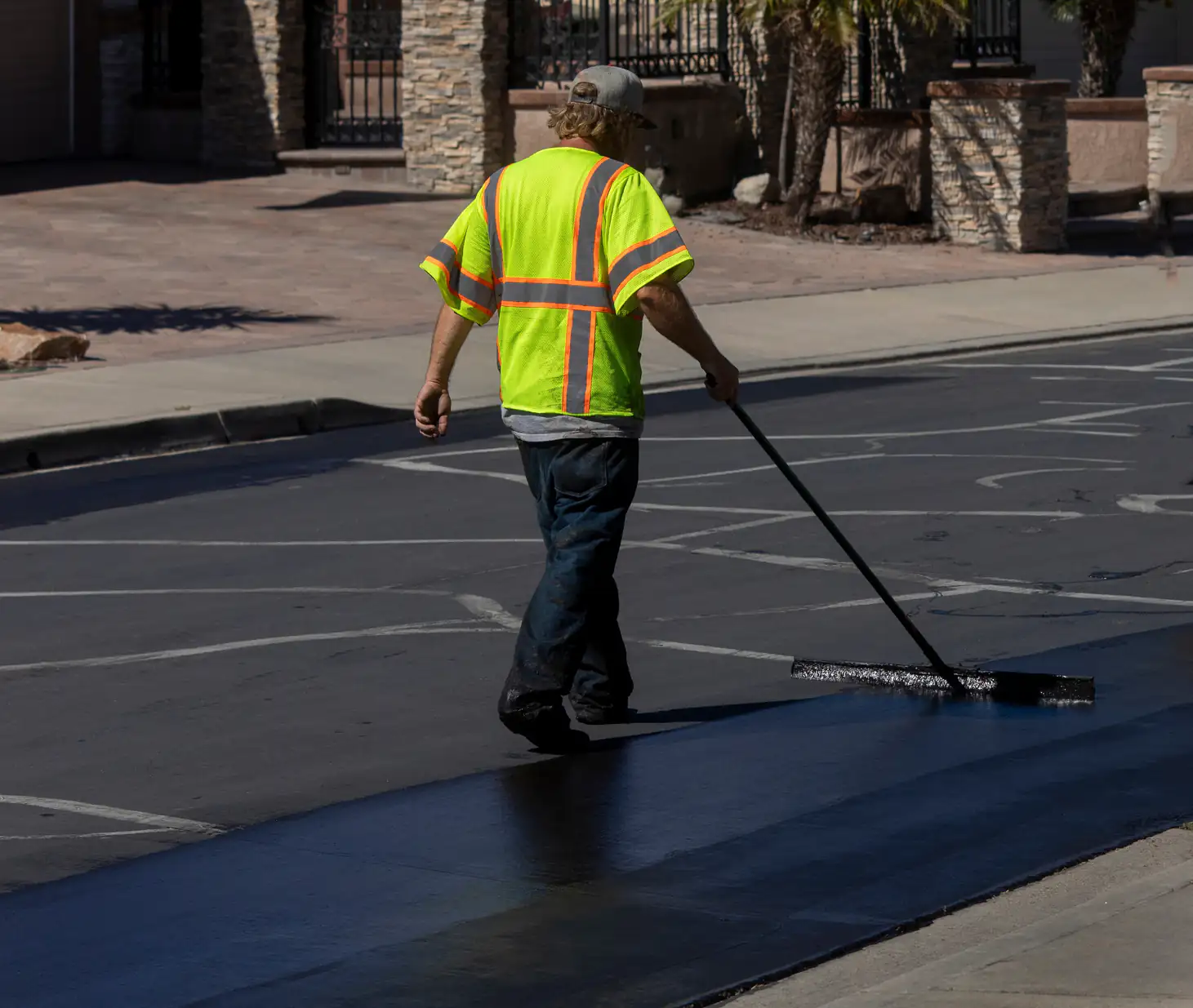
Hear from Our Customers
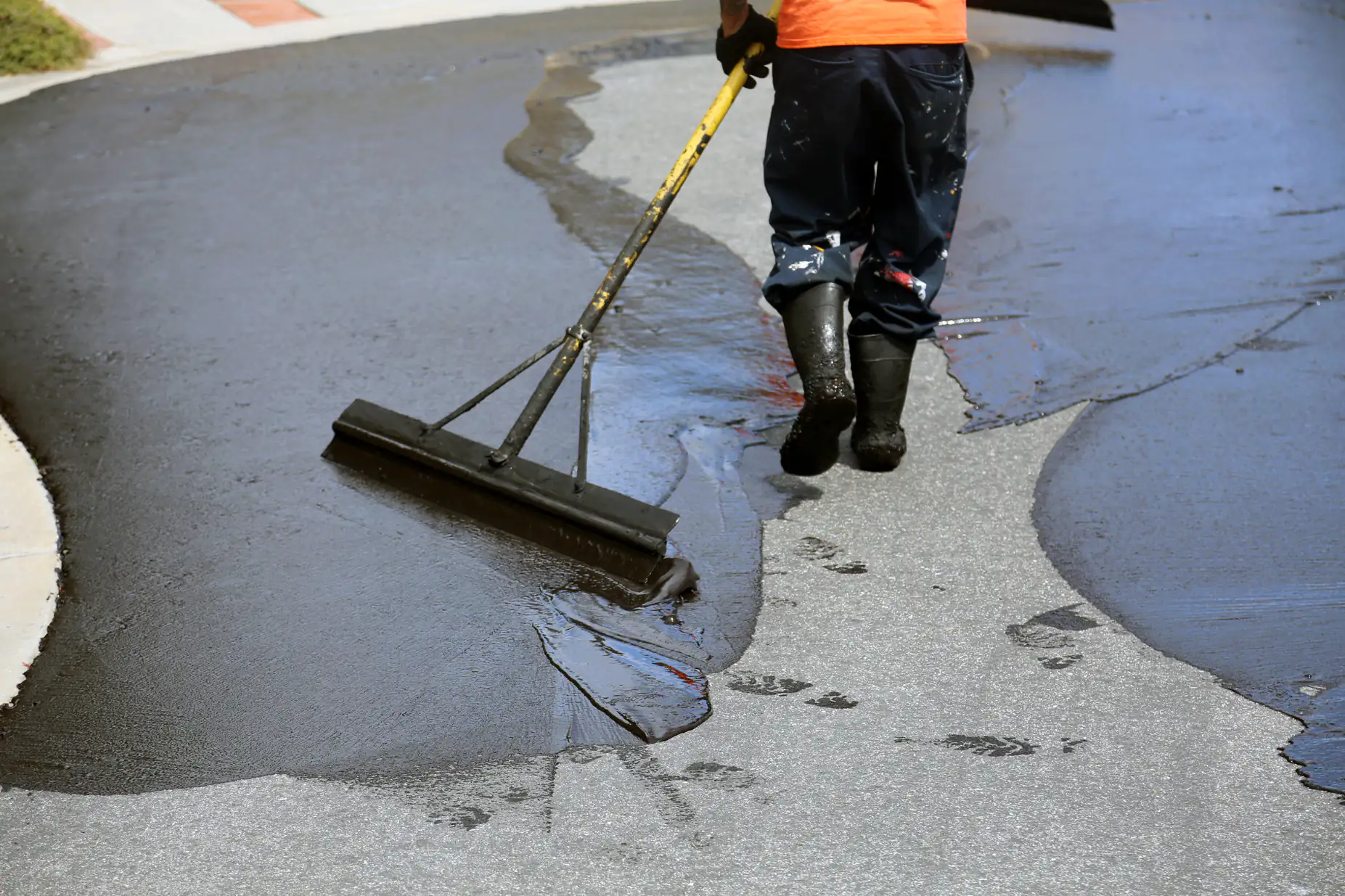
Your driveway takes a beating in Morris County. Between 40-50 freeze-thaw cycles every winter, summer heat pushing past 90°F, and 45+ inches of rain annually, unsealed asphalt doesn’t stand a chance.
Here’s what changes after a proper sealcoating. Water stops seeping into small cracks and expanding when it freezes. That alone prevents the kind of damage that turns into potholes by spring. The surface stays flexible instead of brittle, so it moves with temperature changes instead of cracking apart.
You’ll also notice oil stains and chemical spills don’t penetrate like they used to. The sealer creates a barrier that keeps contaminants on the surface where you can wash them off. And that rich black finish isn’t just cosmetic—it actually helps snow and ice melt faster because darker surfaces absorb more heat from the sun.
Most homeowners see their driveway last 25-30 years with regular sealing, compared to just 15 years without it. That’s the difference between one repaving job in your lifetime versus two or three.
We work throughout Morris, Sussex, and Somerset Counties. We’re not a national franchise following a generic playbook—we’re local contractors who understand what winter does to asphalt around here.
Our sealcoating material contains over 50% solids with a polymer modification system, which matters because cheaper sealers with lower solids content wear off in one season. We back our work with a two-year written guarantee against wear-off, peeling, or flaking.
You’ll get a callback within 24-48 hours of requesting a quote, and we’ll give you clear upfront pricing. No surprises, no pressure, just straight information so you can make the right call for your property.
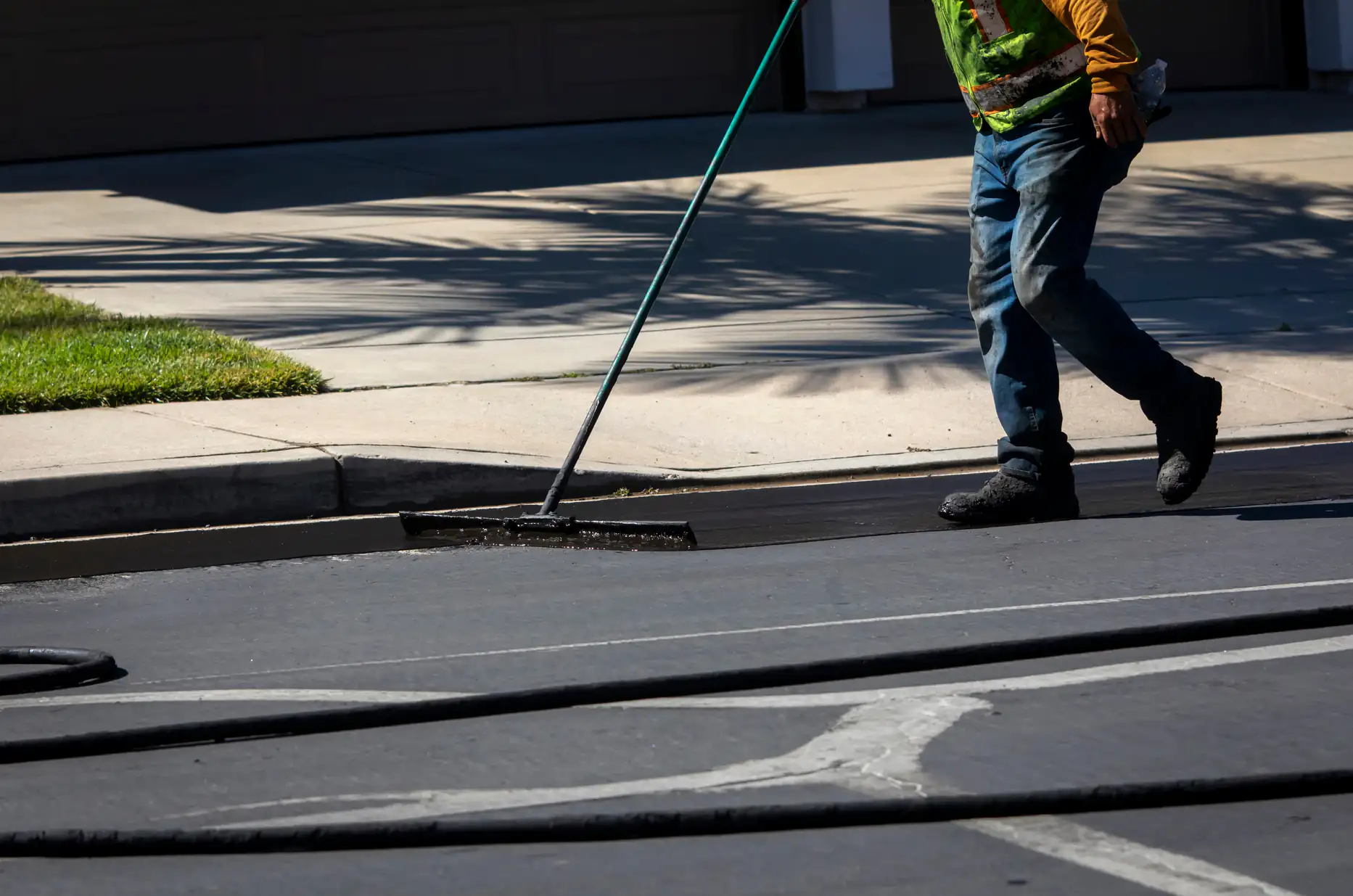
We start with a thorough power wash to remove dirt, debris, and any loose material. This step matters more than most people realize—sealer won’t bond properly to a dirty surface, which is why DIY jobs often fail within months.
Next comes crack filling with hot rubberized filler. We’re not talking about the cold pour stuff from the hardware store. Hot-applied crack filler stays flexible through temperature changes and actually prevents water infiltration. Any oil spots get primed with a special treatment that helps the sealer adhere.
Then we apply two coats of commercial-grade sealer. Not one thick coat, but two proper applications that create a durable, even surface. We add sand to the mix for traction and edge-trim around garage doors and walkways so everything looks clean.
The whole process takes a day, and you’ll need to stay off the driveway for 24-48 hours depending on weather. We only work when temperatures are between 50°F and 85°F with no rain in the forecast, because conditions matter as much as materials.
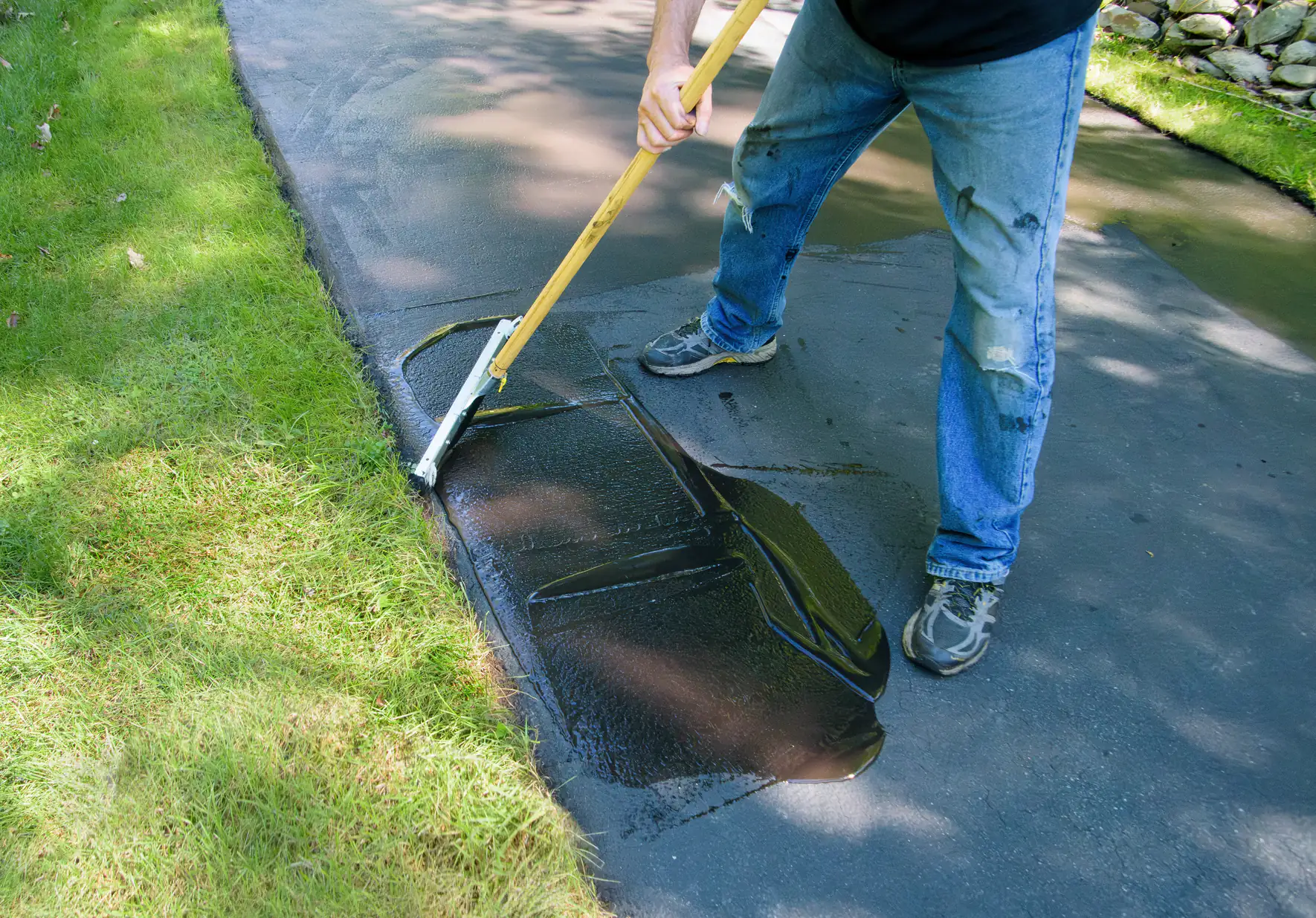
Ready to get started?
A typical two-car driveway in Pine Brook runs about 600 square feet. Professional sealcoating for that size costs between $180 and $270, which includes everything: power washing, crack filling up to 50 linear feet, two coats of sealer, sand additive, and a two-year warranty.
Compare that to the $3,000-$3,600 you’d spend replacing the same driveway. Sealing every three years costs roughly $600-$800 over a decade. Skipping it means you’re looking at full replacement in 12-15 years instead of 25-30 years.
The math gets even clearer when you factor in what happens between now and replacement. Unsealed driveways develop cracks that need patching, low spots that hold water, and edges that crumble. Each of those repairs costs money and time. A sealed driveway just needs occasional cleaning.
Timing matters too. Late spring and early fall are ideal in New Jersey because temperatures stay consistent and rain is less frequent. We can’t seal in extreme heat, cold, or when rain is coming—the sealer needs proper conditions to cure correctly.
Every two to three years for most residential driveways in Morris County. That timeline assumes normal use—two cars, regular traffic, no heavy vehicles.
High-traffic areas or driveways that see a lot of sun exposure might need annual sealing. You’ll know it’s time when the surface starts looking gray instead of black, or when water stops beading up and starts soaking in. Those are signs the previous seal coat has worn through.
Going longer than three years is risky in New Jersey’s climate. Once the sealer wears off completely, UV rays and water start breaking down the asphalt binder. That damage happens fast, and it’s not reversible with sealcoating—you’re looking at repairs or replacement at that point.
Materials and preparation. The sealer you buy at home improvement stores typically contains 30-35% solids. Professional-grade products contain 50%+ solids, which means better coverage and longer protection.
But the bigger difference is prep work. Most DIY jobs skip proper crack filling, use cold-pour filler that doesn’t last, or don’t power wash thoroughly enough. The sealer goes on top of dirt and loose material, so it peels off within months.
We see a lot of homeowners who tried DIY, had it fail, and then paid us to strip it off and start over. You end up spending more money and getting worse results than if you’d hired someone from the start.
Yes, but the cracks need to be filled first. Sealcoating isn’t a crack filler—it’s a protective coating that goes over the surface. If you seal over unfilled cracks, water will still get in and cause damage.
We use hot rubberized crack filler that stays flexible through freeze-thaw cycles. It expands and contracts with the asphalt instead of cracking apart like the cold-pour products. Any crack wider than a quarter-inch gets filled before we seal.
There’s a limit though. If your driveway has major structural damage—like alligatoring, deep potholes, or large sections that have failed—sealcoating won’t fix it. At that point you’re looking at patching, resurfacing, or replacement depending on how bad things are. We’ll tell you honestly if sealing makes sense or if you need a different solution.
Two to three years with professional-grade materials and proper application. Cheaper products or DIY jobs might only last one season, especially with the weather conditions we get in Morris County.
The lifespan depends on several factors. Traffic volume matters—a driveway with four cars coming and going daily wears faster than one with light use. Sun exposure breaks down sealer over time, so driveways in full sun need more frequent resealing. And if you’re plowing snow or using a lot of salt in winter, that accelerates wear too.
You’ll know the sealer is failing when the surface starts looking faded or when water stops beading up. That’s your signal to schedule the next application. Waiting until the surface is completely gray means you’ve gone too long and the asphalt underneath has already started deteriorating.
Late spring (May-June) or early fall (September-October) in the Pine Brook area. You need consistent temperatures between 50°F and 85°F, and no rain for at least 48 hours after application.
Summer can work, but we avoid the hottest days because extreme heat causes sealer to dry too fast and not cure properly. Winter is out completely—sealer won’t bond in cold temperatures and any moisture in the asphalt will cause problems.
Spring is popular because homeowners want to fix winter damage and get the driveway looking good for summer. Fall works well too because temperatures are stable and there’s less chance of sudden weather changes. We book up fast during peak seasons, so calling a few weeks ahead makes sense if you want a specific timeframe.
Yes, if you maintain the schedule. A $250 seal coat every three years costs about $2,000 over the 25-year lifespan of a well-maintained driveway. Skipping it means your driveway fails around year 15, and replacement costs $3,000-$3,600 for an average two-car driveway.
The protection works because sealcoating blocks water infiltration, which is what causes most driveway damage in New Jersey. Water seeps into small cracks, freezes, expands, and turns those small cracks into big ones. Then you’re paying for crack repairs, patching, and eventually full replacement.
Sealed driveways also resist oil and chemical damage, which matters if you have vehicles that leak or if you’re doing any maintenance work. And the smoother surface makes snow removal easier, which means less wear from plowing. It’s not magic—it’s just basic protection that adds up to significant savings over time.