
Hear from Our Customers
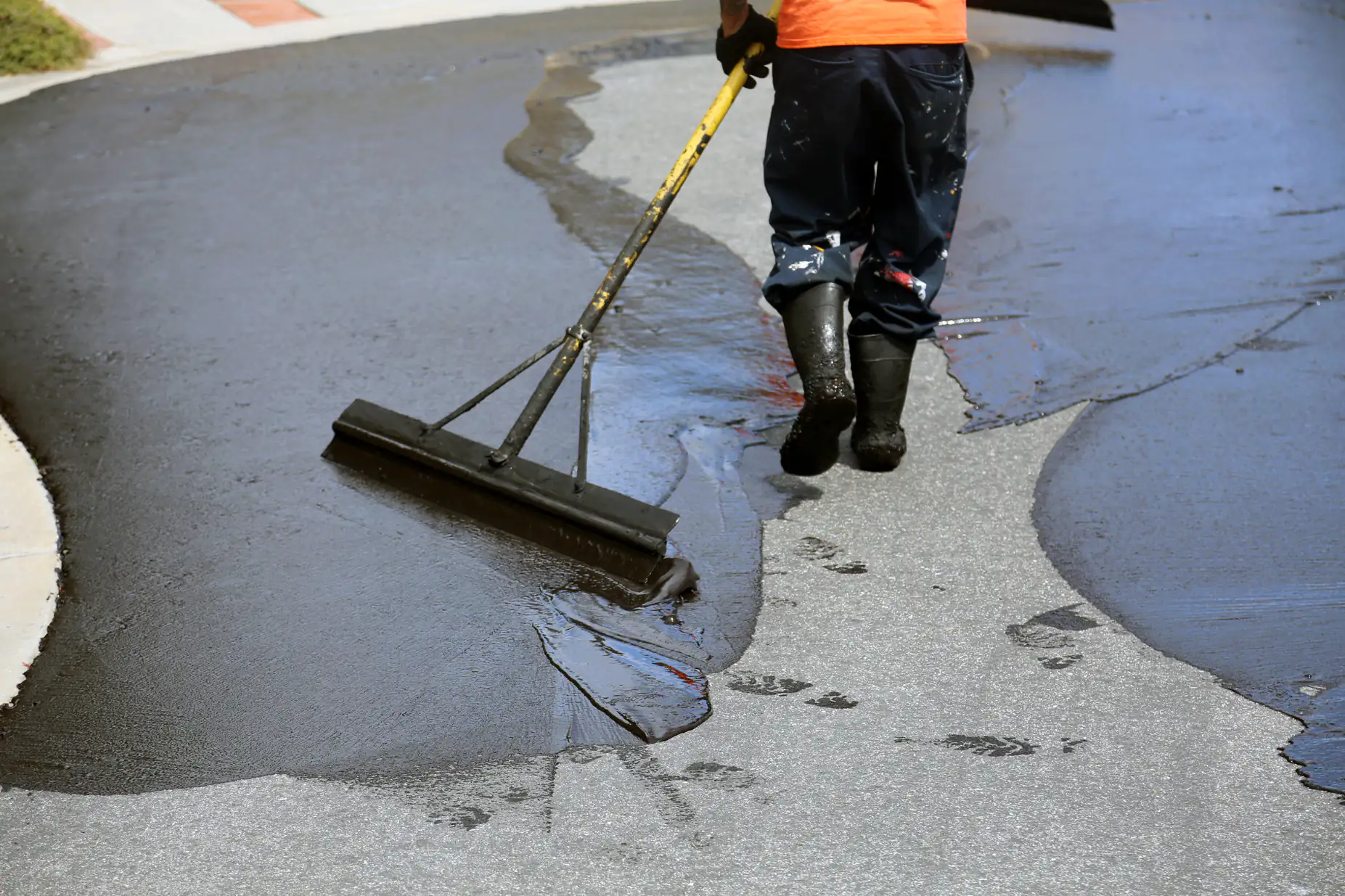
Your driveway takes a beating in Budd Lake. Freezing temperatures, road salt, summer heat, and constant vehicle traffic all work together to break down asphalt faster than most homeowners realize.
Sealcoating creates a protective barrier that stops water from seeping into cracks where it freezes, expands, and tears your driveway apart from the inside. It blocks UV damage that dries out the asphalt binder. It resists oil stains and chemical damage from de-icing salts that you’re using all winter long.
Without it, you’re looking at a 12-15 year lifespan on your driveway. With regular sealcoating every three years, you can push that to 20-25 years. That’s the difference between replacing your driveway when your kids are in middle school versus when they’re out of college.
A $300 sealcoat job today can prevent a $5,000 repaving job three years from now. You’re not just maintaining appearance—you’re protecting one of your property’s biggest investments.
We’re a third-generation, family-owned paving contractor with over 20 years serving Morris County. We know Budd Lake’s soil conditions, drainage patterns, and exactly how harsh winters affect driveways in this area.
You’re not getting a crew that learned about New Jersey weather from a manual. We’ve been sealing driveways through these freeze-thaw cycles for decades, and we know what works and what fails when April comes around.
We give you upfront pricing with no surprise charges, and we stick to our schedule. When we say we’ll be there Tuesday morning, we’re there Tuesday morning. You get a 24-48 hour callback on quote requests, and we walk you through exactly what we’re doing and why it matters for your specific driveway.
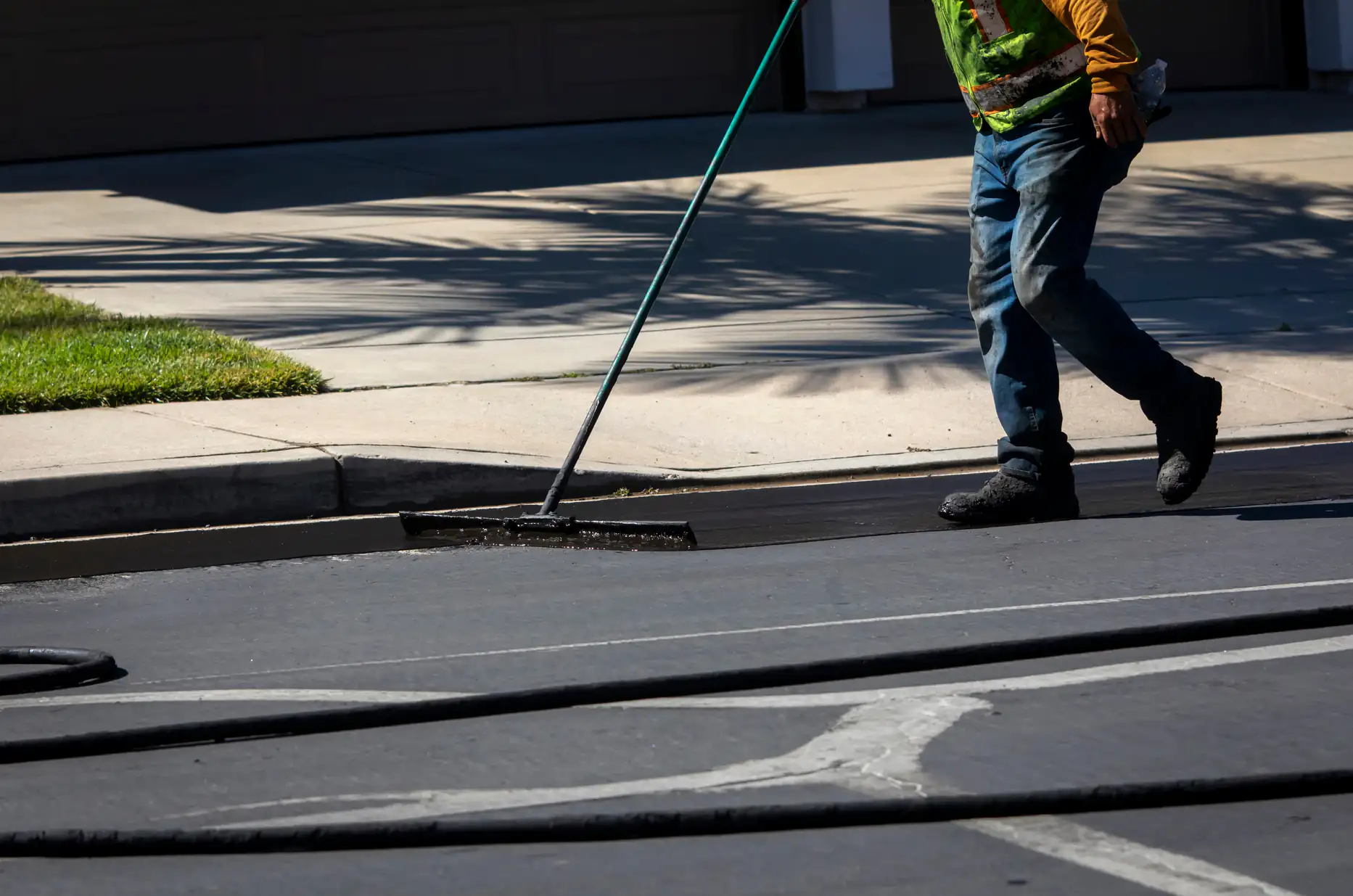
We start with a thorough power washing to remove dirt, oil, and debris. If your driveway has cracks—and most do—we fill them before sealing. You get up to 50 linear feet of crack filling included, which stops water infiltration at the source.
Once the surface is clean and prepped, we apply two coats of high-grade sealer. Not one coat. Two. The first coat penetrates and bonds. The second coat provides the protective layer that does the actual work against weather and chemicals.
We add a sand additive for traction so your driveway isn’t slick when wet. Then we let it cure properly—typically 24-48 hours depending on temperature and humidity. You’ll need to stay off it during that time, and we’ll tell you exactly when it’s safe to park on.
The whole process usually takes one day for a standard residential driveway, weather permitting. We don’t rush it, and we don’t cut corners on prep work. The foundation of good sealcoating is in the preparation, not just the application.
Ready to get started?
Your sealcoating service includes power washing, crack filling up to 50 linear feet, two coats of commercial-grade sealer, sand additive for traction, and a warranty covering both materials and workmanship.
We’re using materials designed for New Jersey’s climate—not the cheap stuff that fails after one winter. The sealer we apply is formulated to handle freeze-thaw cycles, resist salt damage, and hold up under the kind of temperature swings Budd Lake sees between January and July.
Budd Lake sits in an area where winter drainage is critical. We pay attention to how water moves across your driveway and where it pools. Poor drainage accelerates damage, so if we spot issues during our assessment, we’ll tell you. Sometimes a small grading adjustment now saves you major problems later.
Most residential driveways in Budd Lake run between $180-$270 for a standard two-car driveway, depending on size and condition. If you’ve got significant cracking beyond the included 50 feet, we’ll let you know upfront what additional crack filling will cost. No surprises when we’re done.
Every three years is the standard recommendation for Budd Lake driveways, but it depends on your specific conditions. If your driveway gets full sun all day, you might need it closer to every two years because UV exposure breaks down asphalt faster.
Heavy vehicle traffic also affects timing. A driveway with two cars parked on it daily will wear differently than one with four cars, a boat, and an RV cycling through.
You can tell it’s time when the surface starts looking gray instead of black, or when you see small cracks forming. Once water starts getting into those cracks, you’re on borrowed time before freeze-thaw damage accelerates. Staying on a regular schedule gives you better results each cycle because you’re maintaining protection rather than trying to rescue a deteriorating surface.
A standard 600 square foot two-car driveway in Budd Lake typically runs $180-$270 for complete sealcoating with two coats, crack filling, and prep work. New Jersey pricing runs about 15-20% higher than national averages because of higher labor costs and the fact that our driveways take more abuse from weather.
Larger driveways or those with significant damage will cost more. If you’ve got extensive cracking that goes beyond the included 50 linear feet, additional crack filling adds to the price. Same goes if your driveway hasn’t been sealed in years and needs extra prep work.
The investment makes sense when you consider that replacement costs run $3-$7 per square foot. That same 600 square foot driveway would cost $1,800-$4,200 to replace. Spending $200-$300 every three years to avoid a $3,000+ replacement is straightforward math.
Sealcoating needs temperatures above 50°F during application and for at least 24 hours after. Below that, the sealer doesn’t cure properly and you end up with a failed job that won’t protect your driveway.
In Budd Lake, that typically means late April through early October is your window. We don’t recommend sealing in early spring when overnight temperatures still dip into the 40s, even if the afternoon feels warm. The curing process needs consistent temperature.
Fall sealing works well because you’re protecting your driveway right before winter hits. Just don’t wait until late October when weather gets unpredictable. If we schedule your job and temperatures drop unexpectedly, we’ll reschedule rather than do substandard work. A properly applied sealcoat in good conditions will outperform a rushed job in marginal weather every single time.
Quality sealcoating lasts three to four years on residential driveways in New Jersey when applied correctly. The first winter is when you really see the benefit—water beads off instead of soaking in, and salt damage stays on the surface instead of penetrating.
By year three, you’ll notice the protection starting to wear thin. The surface might look a bit faded, and water doesn’t bead as well. That’s your signal to reseal before you lose protection completely.
Driveways on regular maintenance schedules actually perform better over time because you’re building up protection rather than starting from scratch each time. The asphalt stays more flexible, resists cracking better, and holds up to freeze-thaw cycles without the structural damage you see on neglected driveways. Think of it like changing your oil—regular maintenance prevents the expensive failures.
You’ll get about 12-15 years out of an unsealed driveway in Budd Lake before it needs replacement. Water seeps into the asphalt, freezes, expands, and creates cracks. Those cracks let in more water. The cycle accelerates every winter.
UV rays dry out the asphalt binder that holds everything together. The surface starts to look gray and brittle. Small cracks become big cracks. Big cracks become potholes. Eventually the base layer fails and you’re looking at complete replacement, not just resurfacing.
Road salt speeds up the whole process. You’re using it all winter to keep your driveway safe, but it’s also breaking down the asphalt surface and getting into cracks where it does even more damage during freeze-thaw cycles. An unsealed driveway in New Jersey is fighting a losing battle against weather, and weather always wins. Sealcoating just changes the timeline in your favor.
Crack filling is part of our sealcoating service—you get up to 50 linear feet included. We fill cracks before we seal because sealcoating over unfilled cracks doesn’t stop water infiltration. You need to seal the crack first, then seal the whole surface.
We use hot rubberized crack filler that stays flexible through temperature changes. It expands and contracts with your driveway instead of cracking out the first winter. Regular cold-pour crack filler from the hardware store doesn’t hold up the same way.
If your driveway has more than 50 linear feet of cracking, we’ll measure it during our assessment and give you a price for the additional work. Extensive cracking sometimes means your driveway has bigger structural issues that sealcoating alone won’t fix. We’ll be straight with you about what makes sense—sometimes crack filling and sealcoating buys you several more years, and sometimes you’re better off planning for replacement. We’re not going to sell you a sealcoat job if your driveway is past the point where it helps.