
Hear from Our Customers
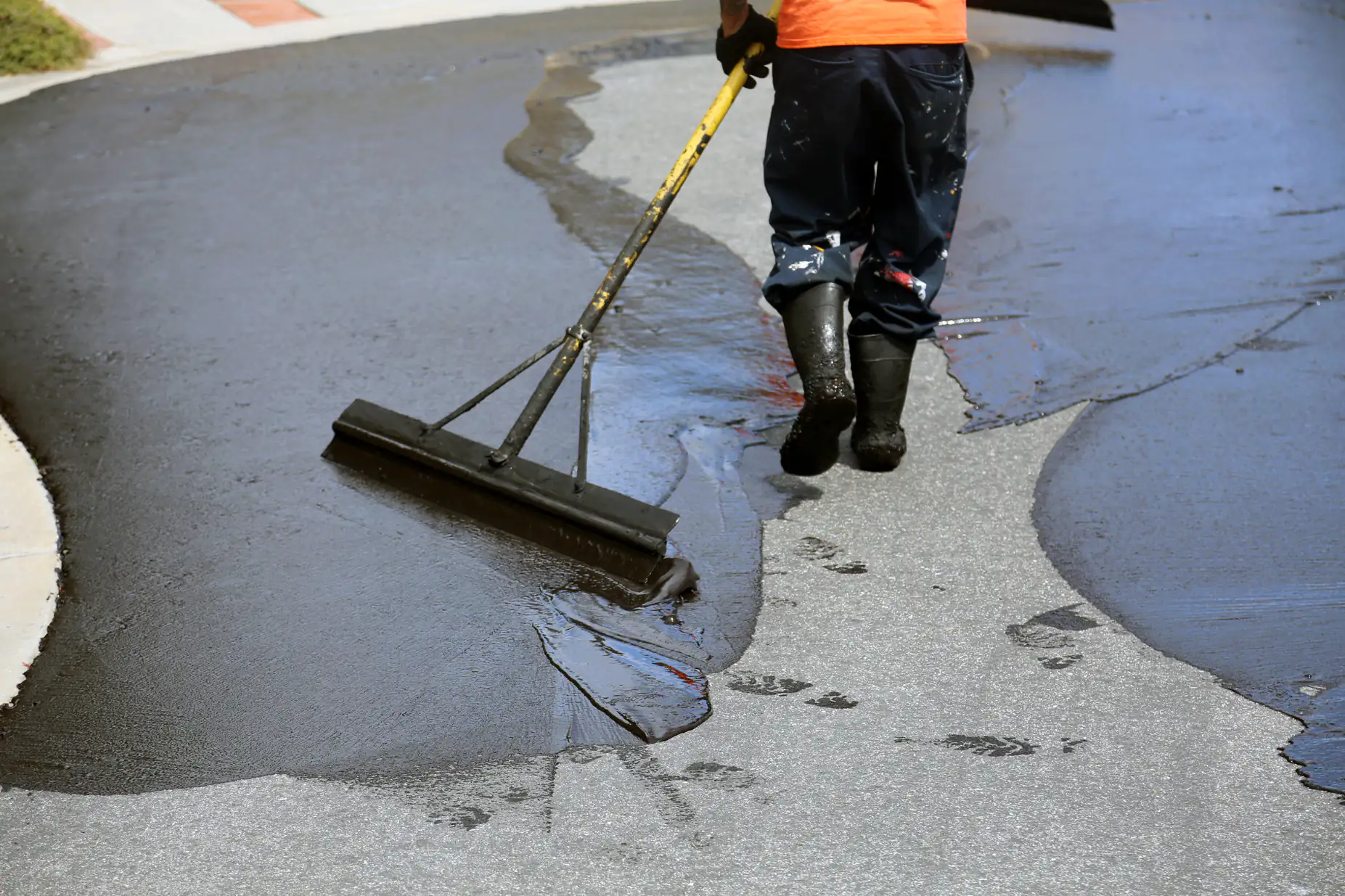
Your driveway takes a beating here. Hopatcong sits right in the zone where North Jersey’s weather does the most damage—55 to 75 freeze-thaw cycles every winter. Water seeps into small cracks, freezes, expands with 30,000 PSI of pressure, and tears your asphalt apart from the inside.
You’ve seen it happen. A hairline crack in November becomes a pothole by March. What starts as a $300 sealcoating job turns into a $5,000 replacement if you wait too long.
Professional sealcoating creates a waterproof barrier that keeps moisture out. It stops oxidation from UV rays. It protects against oil, gas, and salt damage. Most importantly, it gives you 3-4 years of protection when applied correctly with two coats—not the single-coat shortcuts some companies try to sell you.
The difference between a driveway that lasts 15 years and one that lasts 25 years usually comes down to whether you seal it every few years. That’s not a sales pitch. That’s just how asphalt works in this climate.
We’re based in Morris County and we’ve been working on driveways throughout Hopatcong, Lake Hopatcong, Dover, and the surrounding areas for years. That matters because asphalt doesn’t behave the same way everywhere.
The temperature swings around Lake Hopatcong create unique conditions. You get lake-effect moderation in some spots and severe exposure in others. The soil composition varies. The drainage patterns change from neighborhood to neighborhood. We’ve seen what works and what fails.
When we show up, we’re not guessing. We know which cracks need hot-pour rubberized filling heated to 400 degrees. We know when your base has failed and sealcoating won’t help. We know the difference between surface wear and structural problems. You get honest assessments and work that actually holds up through our winters.
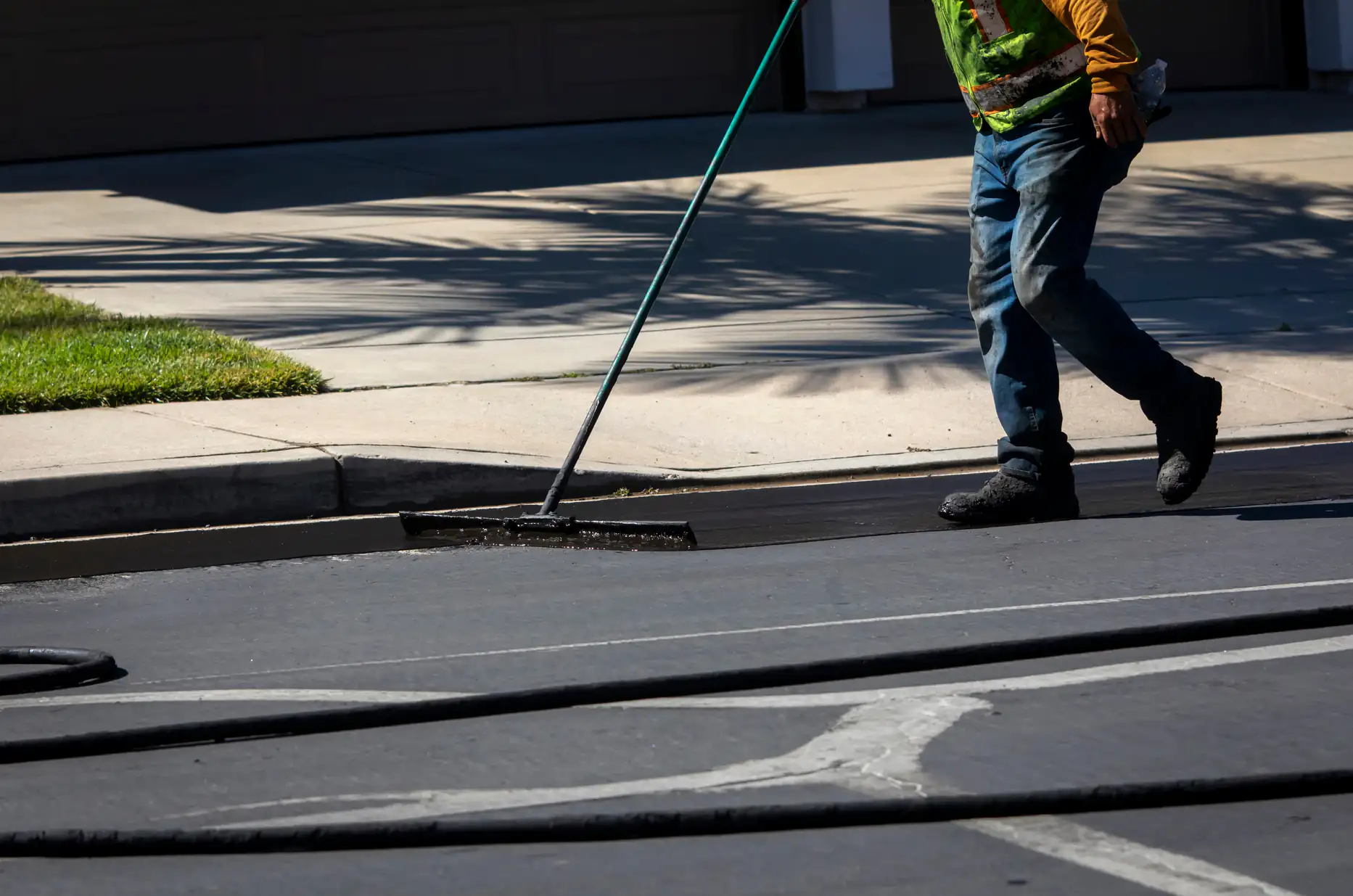
First, we inspect everything. We’re looking at crack patterns, drainage issues, oil stains, and whether your base is still solid. If there are problems sealcoating can’t fix, we’ll tell you before we start.
Next comes prep work. We clean the entire surface—power washing if needed, removing vegetation from cracks, treating oil spots with primer. Any crack wider than a quarter-inch gets filled with hot-pour rubberized material. This isn’t the cold-pour stuff from the hardware store. It’s heated to 400 degrees, stays flexible year-round, and moves with your asphalt instead of cracking out the first winter.
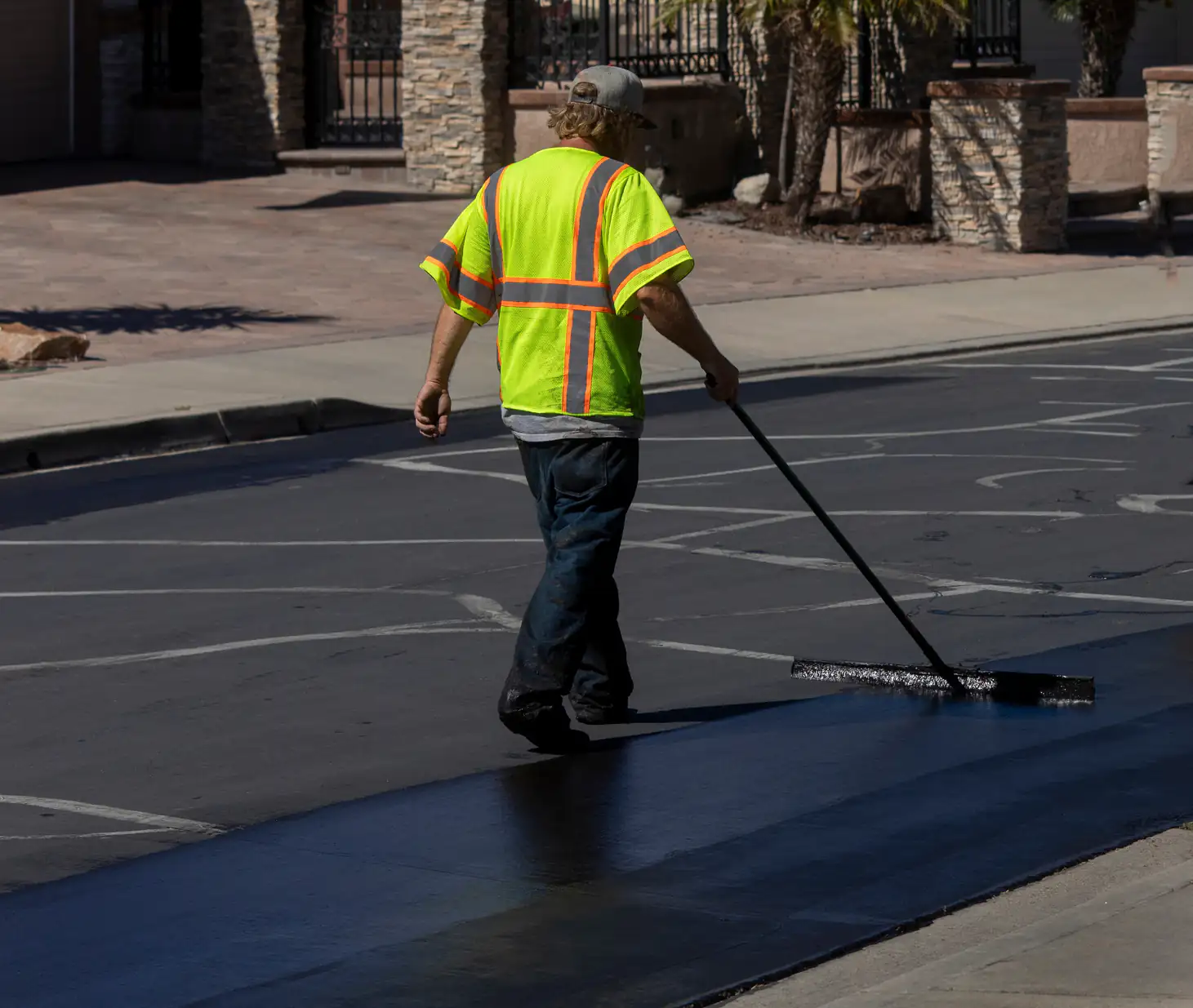
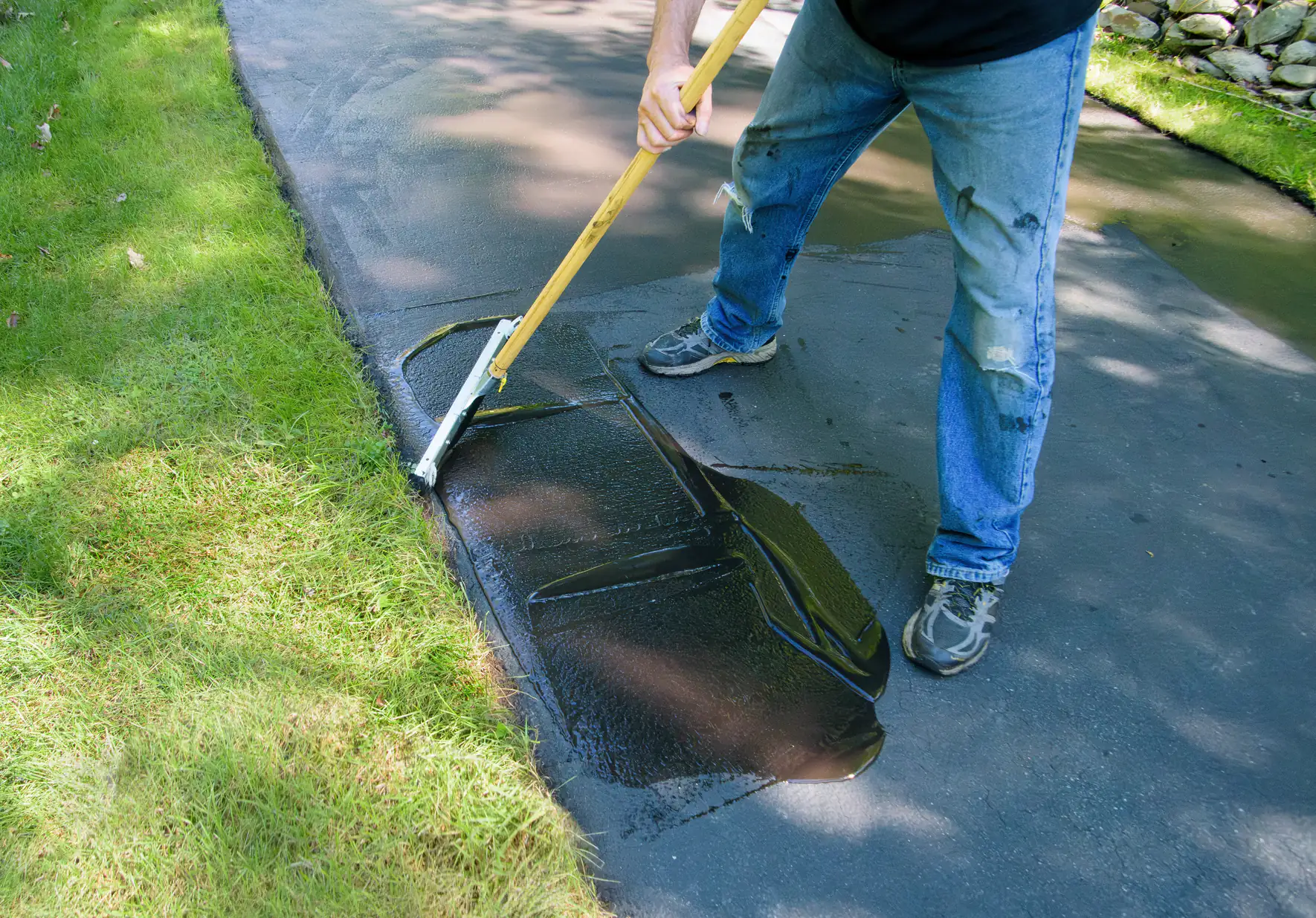
Then we apply two coats of professional-grade sealer. The first coat penetrates and bonds. The second coat builds thickness and protection. We use commercial spray equipment for even coverage—not squeegees that leave thin spots and streaks.
You stay off it for 24-48 hours depending on weather. After that, you’ve got a restored surface that sheds water, resists damage, and looks clean. The black color comes back. The small surface cracks disappear. You’ve just added years to your driveway’s life.
Ready to get started?
You get a complete inspection before we quote anything. We measure your driveway, assess its condition, and give you clear pricing with no surprise charges later.
You get proper crack filling with professional materials. Every crack gets cleaned out and filled with hot-pour rubberized sealant that flexes with temperature changes. This is critical in Hopatcong where winter temps can swing 40 degrees in a day.
You get two coats of commercial-grade sealer applied with professional equipment. Not one thick coat. Not watered-down material. Two proper coats that cure into a durable, protective surface. The first coat typically lasts 24 hours before we apply the second.
You also get edge work around garage doors, walkways, and landscaping. We’re not slopping sealer onto your concrete or grass. Everything gets masked off and protected.
Most driveways in Hopatcong run between $300-$600 depending on size and condition. If you need significant crack repair or have oil damage, that adds to the cost. We’ll tell you the exact number upfront. Our 24-48 hour callback guarantee means you’re not waiting a week to hear back after requesting a quote.
Every 2-3 years for most driveways in this area. That timeline assumes you’re using quality two-coat applications, not bargain single-coat jobs that wear out in 12 months.
Here’s why the timing matters in Morris County specifically. Our freeze-thaw cycles are relentless. Every time water gets into your asphalt and freezes, it expands and causes damage. Fresh sealcoating keeps water out. Once that protection starts breaking down—usually around the 2-3 year mark—you’re vulnerable again.
You can push it to 4 years if your driveway is in great shape, gets minimal traffic, and the last sealcoat job was done right. But most homeowners in Hopatcong find that 2-3 years is the sweet spot between protection and cost. You’re spending $300-$500 every few years to avoid a $5,000-$8,000 replacement. The math works.
Late spring through early fall—basically May through September. You need consistent temperatures above 50 degrees for at least 48 hours before and after application.
Sealer cures through evaporation and chemical reaction. Cold temperatures slow that process way down. If it’s too cold, the sealer won’t bond properly to your asphalt. If rain hits before it’s fully cured, you’ll get washout and thin spots.
Summer is actually ideal despite what some people think. Yes, it’s hot. But sealer cures faster and bonds better in warm, dry conditions. We just avoid the absolute hottest days when temps hit 95+ because the sealer can dry too fast and become difficult to work with. The window between Memorial Day and Labor Day gives you the most scheduling flexibility and the best curing conditions for long-lasting results.
It genuinely extends your driveway’s life, but only if the asphalt underneath is still structurally sound. Sealcoating isn’t magic. It won’t fix a failed base or repair deep structural damage.
Here’s what it actually does. It blocks UV rays that oxidize and dry out your asphalt. It creates a waterproof barrier against the moisture that causes freeze-thaw damage. It protects against oil, gas, and salt that break down the binder holding your asphalt together. All of these things accelerate aging.
An unsealed driveway in Hopatcong might last 12-15 years before it needs replacement. That same driveway with regular sealcoating every 2-3 years can easily make it 20-25 years. The difference is real. But you have to start before major damage occurs. If your driveway is already crumbling with a failing base, sealcoating becomes a cosmetic fix that won’t add much time. The key is maintaining it before you reach that point.
Usually because they’re cutting corners somewhere—thinner coats, cheaper materials, minimal prep work, or single-coat applications sold as complete jobs.
Professional sealcoating requires quality materials. Commercial-grade coal tar or asphalt emulsion sealer costs significantly more than diluted homeowner products. Hot-pour crack filler runs about $3-$4 per pound and requires a melter that heats it to 400 degrees. Proper spray equipment costs thousands. These aren’t small expenses.
The labor matters too. Thorough cleaning, proper crack filling, careful edging, and two separate coat applications take time. A crew that shows up, sprays one thin coat, and leaves in two hours isn’t doing the same job as a crew that spends a full day prepping and applying two proper coats.
You’ll see quotes ranging from $0.15 to $0.40 per square foot in Morris County. The low end usually means shortcuts. The high end should include premium materials, thorough prep, and two-coat application. For a typical 500 square foot driveway, expect to pay $300-$500 for quality work. Anything significantly cheaper probably means you’re not getting the full service.
You can do it yourself, but the results usually don’t compare to professional work—especially in a climate as harsh as ours.
The biggest issue is materials. The sealer you buy at hardware stores is formulated differently than commercial products. It’s thinner, doesn’t last as long, and often requires more frequent reapplication. You’re also limited to brush or squeegee application, which leaves thicker and thinner spots. Professional spray equipment gives you even coverage that performs better and looks cleaner.
Then there’s the prep work. Most DIY jobs skip proper crack filling because hot-pour equipment isn’t accessible to homeowners. You end up using cold-pour crack filler that shrinks and falls out within a year. Oil spot treatment, thorough cleaning, and proper edging all get shortchanged when you’re working with basic tools.
If your driveway is small, in good condition, and you’re comfortable with a 1-2 year lifespan on the sealcoat, DIY can work. But for most homeowners in Hopatcong dealing with freeze-thaw damage and wanting 3-4 years of protection, professional application pays for itself in longevity and performance.
If it rains before the sealer cures, you’ll get washout, streaking, and uneven protection. That’s why weather timing is critical and why we check forecasts carefully before starting.
Fresh sealer needs 24-48 hours of dry weather to cure properly. Light rain after 24 hours usually won’t cause major problems—the surface might look slightly spotted but the protection is mostly intact. Heavy rain within the first 12 hours can wash away significant amounts of sealer and leave you with thin coverage that won’t last.
This is one reason we guarantee our callback time but also stay flexible on scheduling. We’d rather push your job back a day or two than apply sealer with rain in the forecast. If weather sneaks up on us and rain damages a fresh application, we’ll come back and fix the affected areas. That’s part of standing behind the work.
The cure time also depends on temperature and humidity. Hot, dry days cure faster. Cool, humid conditions take longer. We factor all of this in when we schedule your job and tell you when it’s safe to drive on your driveway again.