
Hear from Our Customers
Your driveway takes a beating every winter. Water seeps into small cracks, freezes, expands by about 9%, and turns hairline damage into structural problems. That’s not dramatic—that’s just physics in North Jersey.
Sealcoating creates a flexible barrier that moves with temperature swings instead of cracking under them. It blocks UV rays that dry out asphalt, repels oil and gas stains, and keeps de-icing salt from eating away at the surface.
The difference shows up in two ways. First, your driveway looks sharp—deep black, clean, well-maintained. Second, you’re not dealing with pothole repairs or total replacement in year 12 when you could’ve been fine until year 25. The math isn’t complicated: spend a few hundred every few years, or spend thousands when the base fails.
We’ve worked in Morris, Sussex, and Somerset counties long enough to know what holds up and what doesn’t. We’ve seen what happens when contractors skip crack filling, apply sealer too thin, or rush the job before temperatures drop.
You’re not getting a crew that learned about New Jersey winters from a manual. You’re getting people who understand that drainage matters more in Wharton than it does in other parts of the state, and that fall applications last longer because the cure happens at the right pace.
We use high-grade sealant applied at proper thickness, and we don’t start until your driveway is ready. If it needs crack repair first, we’ll tell you. If the timing’s wrong, we’ll tell you that too. You’ll get a callback within 48 hours of your quote request and clear pricing before any work starts.
We start by cleaning the surface completely—blowing out debris, removing oil stains, and making sure the asphalt is dry. Sealer won’t bond to dirt or moisture, so this step matters more than most people realize.
Next comes crack filling. Any crack wider than a quarter-inch gets filled with rubberized filler that flexes with temperature changes. Skip this and you’re just covering up problems that’ll come back worse.
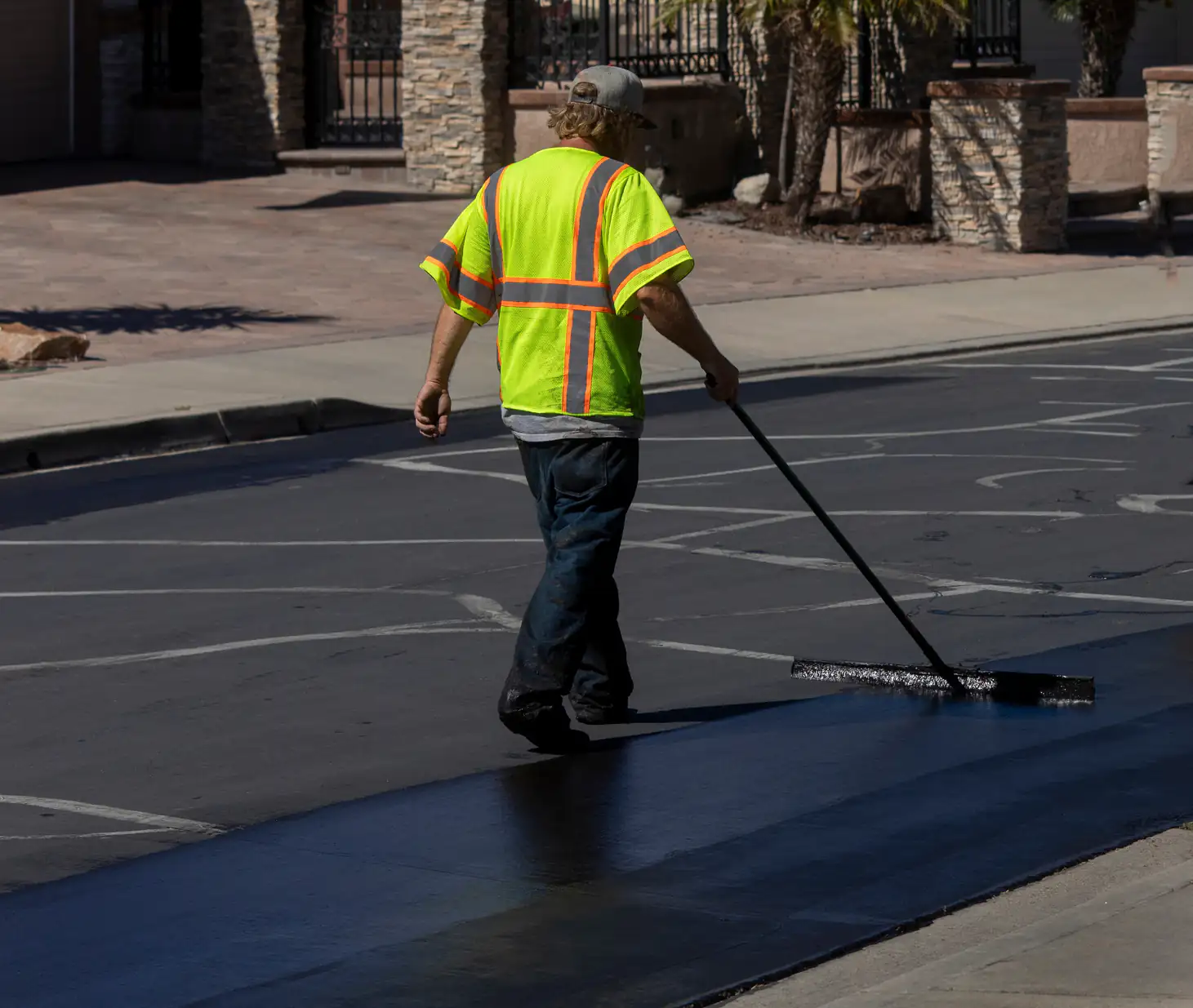
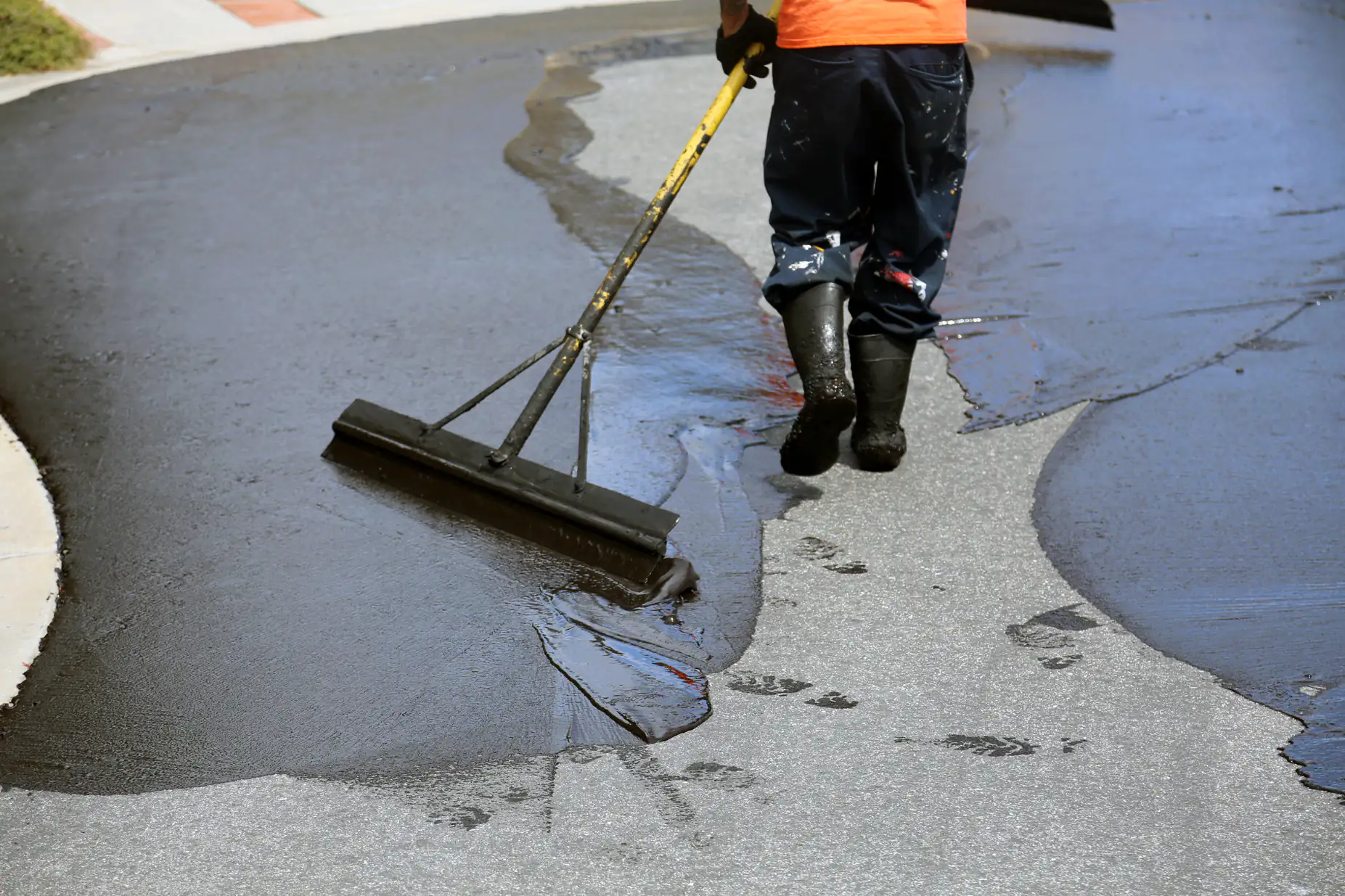
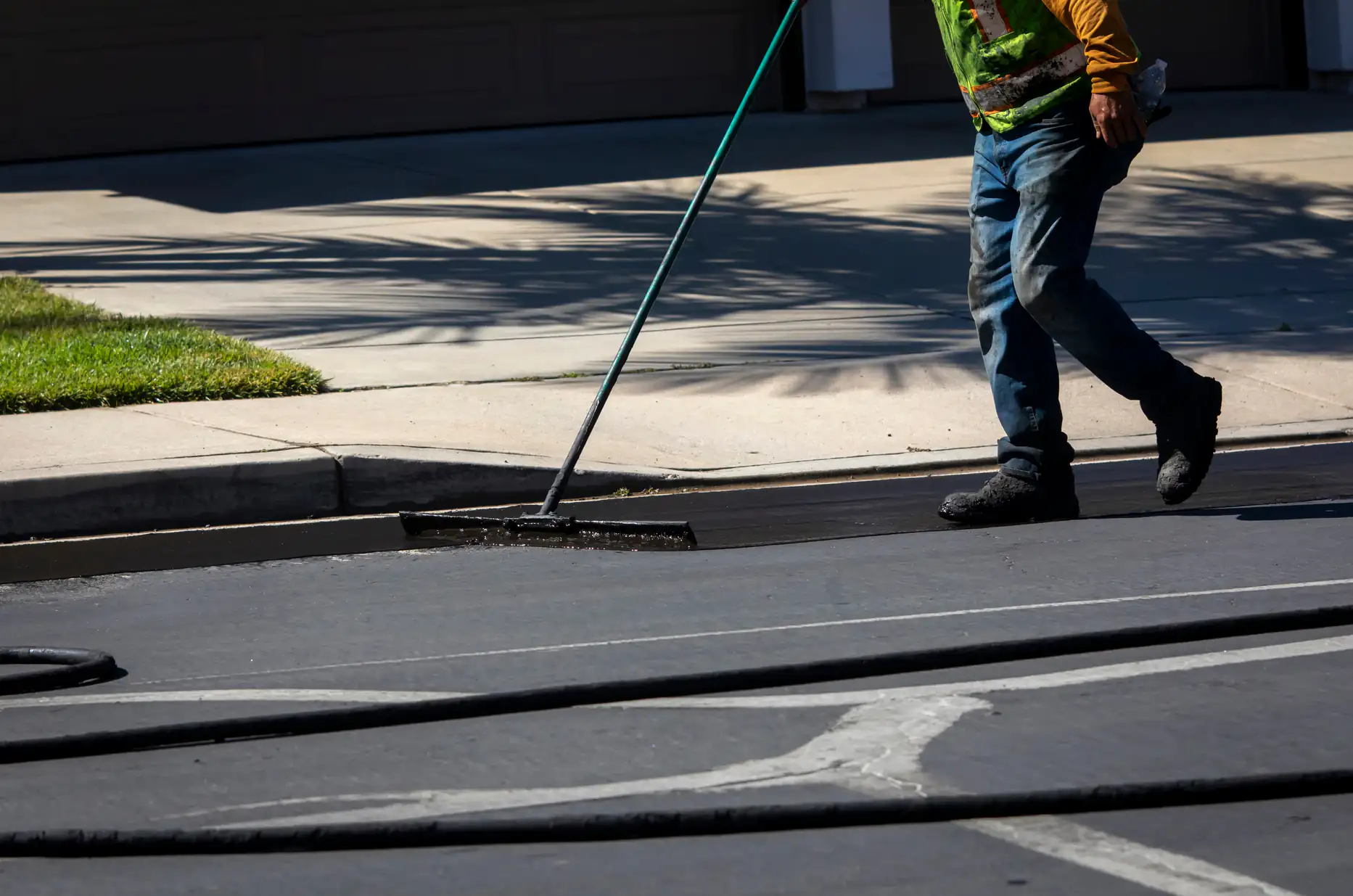
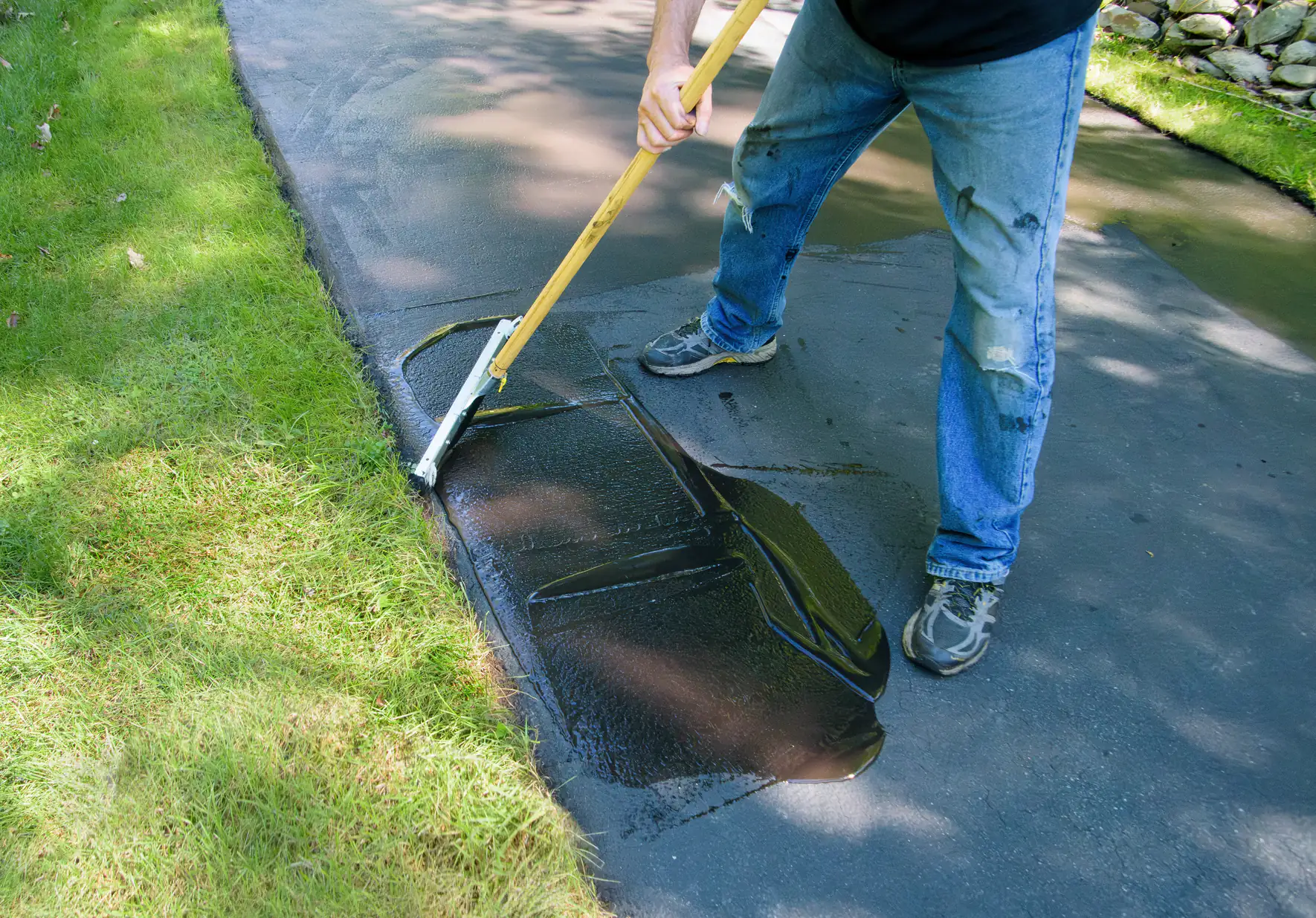
Then we apply two coats of commercial-grade sealer. Not the stuff you buy in buckets at the hardware store—actual contractor-grade product that goes on at the right thickness and cures properly. We work in sections, keep edges clean, and make sure coverage is even.
After that, you wait. Sealer needs 24 to 48 hours to cure depending on temperature and humidity. We’ll tell you exactly when you can drive on it again. Most jobs in Wharton wrap up in a day, but drying time isn’t something you rush.
Ready to get started?
Driveway sealcoating in Wharton typically runs between $0.15 and $0.40 per square foot depending on condition, size, and how much prep work is needed. A standard residential driveway—around 400 to 600 square feet—usually costs between $200 and $500.
That includes surface cleaning, crack filling, two coats of sealer, and proper edge work. If your driveway has significant damage, needs oil stain treatment, or hasn’t been sealed in years, expect to be on the higher end. If it’s in good shape and you’ve kept up with maintenance, you’ll land lower.
New Jersey prices run about 15% to 20% higher than the national average because labor costs more here and the climate demands better materials. You’re also paying for work that has to hold up against freeze-thaw cycles that can exert up to 30,000 psi of pressure on pavement. Cheap sealer and thin application won’t cut it.
Resealing every two to three years keeps your driveway in good shape and delays the need for major repairs. Let it go and you’re looking at patching, resurfacing, or full replacement—which runs $2,400 to $4,800 for a typical driveway. The cost difference isn’t even close.
Every two to three years is the standard recommendation for driveways in Morris County. That timeline assumes normal wear—regular vehicle traffic, exposure to sun and rain, and typical winter conditions.
If your driveway gets heavy use, sits in full sun most of the day, or has drainage issues that leave standing water, you might need to reseal closer to every two years. If it’s lightly used and stays in good shape, you can stretch it to three.
The sealer itself breaks down over time from UV exposure, temperature swings, and vehicle traffic. Once it starts to fade or wear thin, water can get back into the asphalt and the protection drops off. You’ll know it’s time when the surface looks gray instead of black or when water stops beading up on the surface.
Fall is ideal—late August through October when temperatures are consistently between 50°F and 85°F and rain is less frequent. Sealer needs warm pavement to bond properly and at least 24 hours of dry weather to cure.
Spring works too, but you’re gambling with rain and temperature swings. Summer can be tricky because extreme heat causes sealer to dry too fast, and you can’t use your driveway during the hottest part of the day.
Winter is out. Sealer won’t cure below 50°F, and even if it looks dry, it won’t bond correctly. Fall applications also give your driveway a protective layer right before winter hits, which is when it needs that protection most. Jobs we complete in fall tend to last longer than those done in other seasons because the cure happens at the right pace.
You can do it yourself if your driveway is small, in good condition, and you’re comfortable with the prep work. The bigger question is whether you’ll get the same results.
DIY sealer from home improvement stores is thinner than commercial-grade product and doesn’t hold up as long. You’ll also need to rent or buy equipment for cleaning and application, and if you miss spots or apply it unevenly, you’ll see streaks and premature wear.
We use better materials, apply sealer at the right thickness, and handle surface prep correctly—which is where most DIY jobs fall short. Crack filling, oil stain removal, and proper cleaning make the difference between sealer that lasts three years and sealer that fails in one. If your driveway has existing damage or hasn’t been sealed in years, hiring us usually makes more sense. If it’s brand new or in perfect shape, DIY might work.
Yes, but the numbers depend on how well you maintain it. An unsealed asphalt driveway in New Jersey typically lasts 12 to 15 years before it needs replacement. With regular sealcoating every two to three years, that same driveway can last 20 to 25 years or more.
The reason is simple: water is what kills asphalt. When water gets into cracks, freezes, and expands, it breaks apart the binder that holds everything together. Sealcoating keeps water out, which prevents freeze-thaw damage from starting in the first place.
It also protects against oxidation from UV rays, which dries out asphalt and makes it brittle. Once asphalt gets brittle, it cracks easier and deteriorates faster. Sealcoating slows that process down significantly. You’re not just making it look better—you’re actually preserving the structural integrity of the pavement. That’s why the cost of sealing every few years is a fraction of what you’d spend on premature replacement.
It deteriorates faster. Small cracks turn into bigger cracks, water gets into the base, and freeze-thaw cycles create potholes. Once the damage reaches the base layer, you’re looking at expensive repairs or full replacement.
Unsealed asphalt also fades from gray to light gray as UV rays break down the binder. It becomes more porous, which means it absorbs oil, gas, and other chemicals that weaken the surface. You’ll start seeing raveling—where the surface layer crumbles and small stones come loose.
The timeline varies depending on traffic, weather exposure, and how well the driveway was installed, but most unsealed driveways in Morris County start showing serious damage within 5 to 8 years. By year 10 to 12, you’re usually dealing with structural issues that can’t be fixed with sealcoating alone. At that point, you’re paying for patching, resurfacing, or total replacement—all of which cost significantly more than regular maintenance would have.
Plan on 24 to 48 hours before you drive on it, depending on temperature, humidity, and how thick the sealer was applied. Warmer, drier conditions speed up curing. Cooler or more humid weather slows it down.
The surface might look dry after 4 to 6 hours, but that doesn’t mean it’s fully cured. If you drive on it too early, you’ll leave tire marks and damage the finish. Walking on it is usually fine after 8 to 12 hours, but check with us first.
We’ll give you a specific timeline based on weather conditions the day of your job. If rain is in the forecast within 24 hours, we’ll reschedule—sealer needs dry conditions to cure properly. Rushing it doesn’t save time. It just means you’ll need to reseal sooner or deal with uneven wear. Most driveways we seal in fall cure faster than those done in spring because temperatures are more stable and humidity is lower.