
Hear from Our Customers
Your driveway faces 55 to 75 freeze-thaw cycles every winter in Stirling. Water seeps into small cracks, freezes, expands by 9%, and pushes those cracks wider. By spring, you’re looking at potholes instead of hairline fractures.
Professional driveway sealcoating creates a waterproof barrier that stops this cycle before it starts. You’re not just making your driveway look darker and newer—you’re blocking UV damage, preventing oil stains from setting in, and protecting against the salt and ice melt chemicals that eat away at asphalt all winter long.
The math is straightforward. Sealcoating every 2 to 3 years runs $200 to $500 for most residential driveways in Morris County. Full replacement costs $5,000 or more. One properly timed sealcoat can extend your driveway’s lifespan from 15 years to 25-plus years, and it keeps your property value intact without the sticker shock of emergency repairs.
We’ve spent over two decades working exclusively in Morris, Sussex, and Somerset Counties. We know what Stirling winters do to asphalt, and we know the difference between a sealcoat job that lasts and one that peels off by next summer.
We’re not the cheapest option, and that’s intentional. Stirling homeowners expect quality work that matches their property standards. We use commercial-grade materials applied at proper temperatures, and we don’t rush jobs to squeeze in more appointments. Every project gets a 5-year warranty covering materials and workmanship, and you’ll get a written estimate with no surprise charges or change orders.
You’ll hear back within 24 to 48 hours after requesting a quote online. We’re grounded in Morris County, so we’re around when you need follow-up or have questions months after the job wraps.
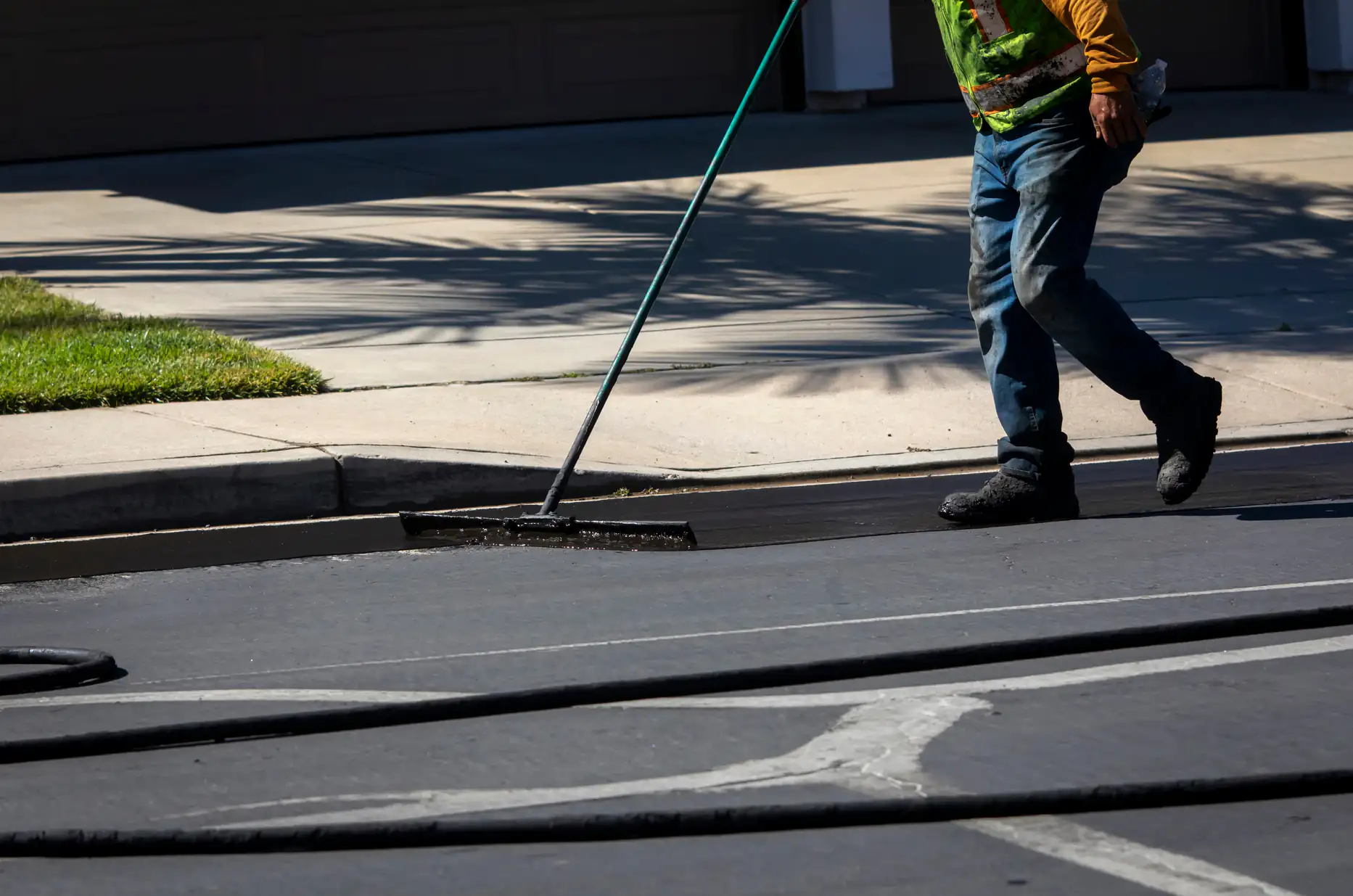
We start with a full surface inspection. Any cracks wider than a quarter-inch get filled with hot-pour rubberized crack filler first—this creates a flexible, waterproof seal that moves with your driveway as temperatures shift. We’re not skipping this step to save time.
Next, we clean the entire surface. Oil stains, dirt, vegetation, and loose debris all prevent sealer from bonding properly. We use commercial blowers and, when needed, pressure washing to get down to clean asphalt.
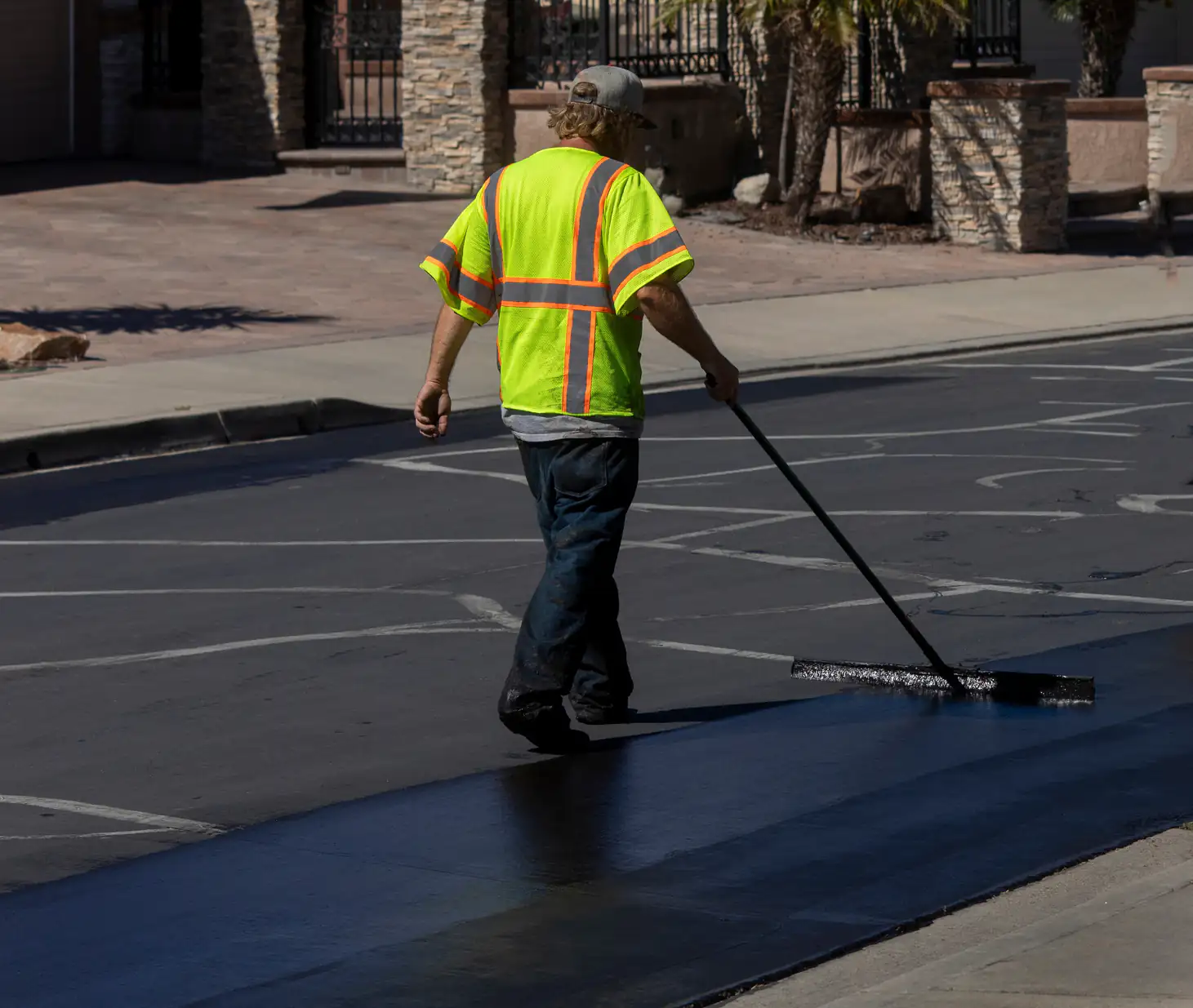
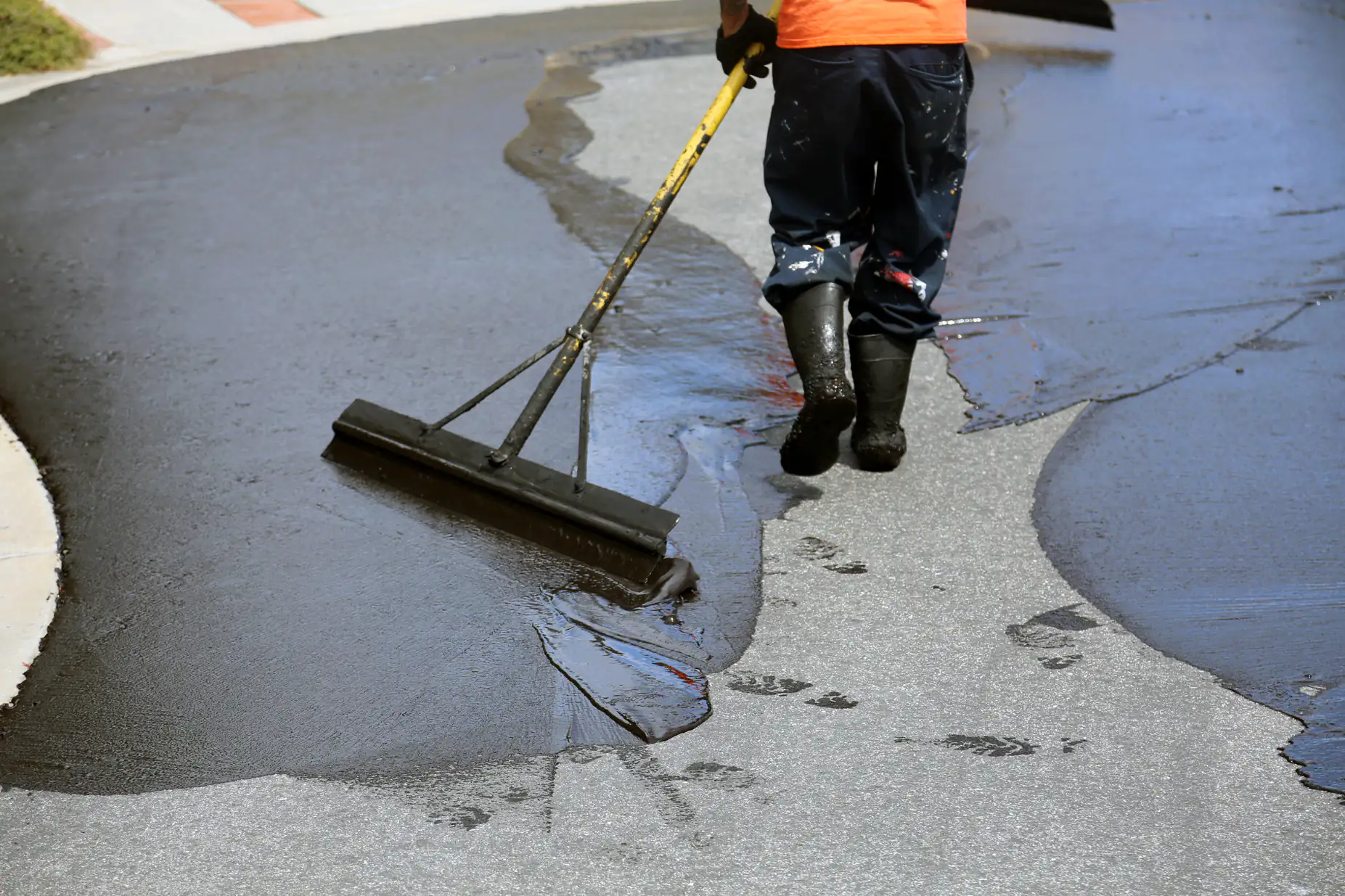
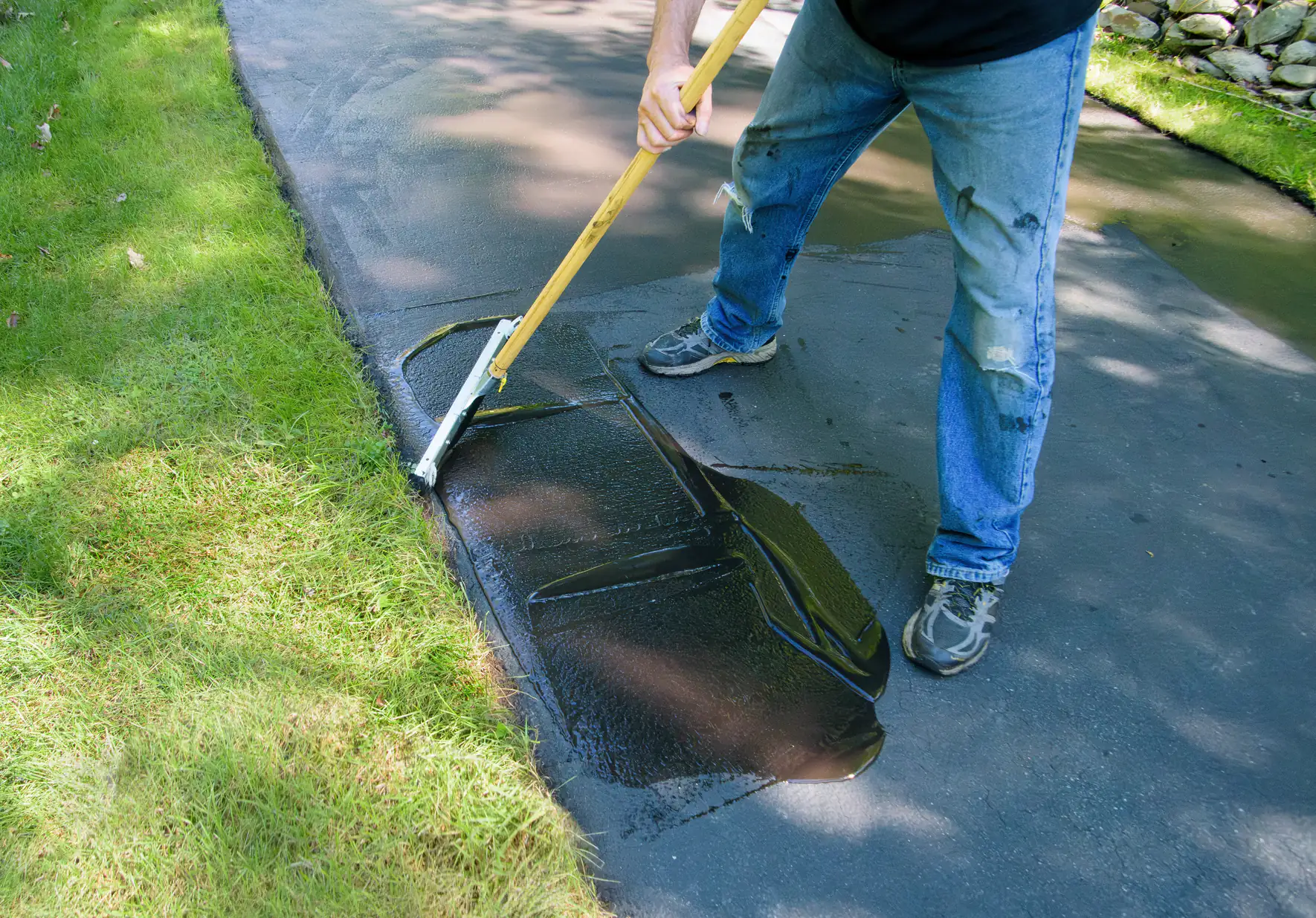
Then we apply a commercial-grade coal tar or asphalt emulsion sealer in two thin coats. Thin coats cure faster and last longer than one thick layer. We work in temperatures above 50°F with no rain in the forecast for at least 24 hours—anything less compromises the cure.
You’ll need to stay off the driveway for 24 to 48 hours depending on weather conditions. After that, your driveway is fully cured and protected for the next 2 to 3 years. We’ll walk you through the timeline before we start so there are no surprises about when you can park again.
Ready to get started?
Driveway sealing costs in Stirling typically run $0.15 to $0.40 per square foot depending on driveway condition, size, and how much prep work is needed. A standard two-car driveway usually falls between $300 and $500. That includes crack filling, surface cleaning, and two coats of commercial-grade sealer.
New Jersey prices run about 15% to 20% higher than the national average because of labor costs and the fact that our climate demands better materials. You’re not overpaying—you’re getting sealer formulations that can handle the temperature swings and freeze-thaw punishment that Stirling driveways take every year.
Timing matters more than most homeowners realize. Late spring through early fall offers the best conditions, but September to early October is ideal. Once nighttime temperatures drop below 50°F, sealers don’t cure properly. Contractors get slammed in October as everyone rushes to beat the first freeze, so booking early saves you both money and stress.
If your driveway hasn’t been sealed in over three years, expect to pay toward the higher end of the range. Neglected asphalt needs more prep work, and in some cases, you’ll need patching or resurfacing before sealcoating even makes sense. We’ll tell you upfront if that’s the case—there’s no point in sealing over structural damage.
Most driveways in Stirling need sealcoating every 2 to 3 years. That timeline shifts depending on how much traffic your driveway sees, how much sun exposure it gets, and whether you’re dealing with oil stains or heavy vehicle weight.
If your driveway faces south and bakes in direct sunlight all day, UV damage accelerates asphalt breakdown. You might need sealing closer to every 2 years. If your driveway sits in the shade and only sees light use, you can stretch it to 3 years.
The simplest test is visual. If your driveway is fading from black to gray, or if water stops beading up on the surface and soaks in instead, it’s time. Waiting too long means you’re no longer protecting asphalt—you’re trying to repair damage that’s already done. Sealcoating is preventive, not corrective.
Late spring through early fall is your window, but September to early October is the sweet spot. You need consistent temperatures above 50°F during the day and night for at least 24 to 48 hours after application. You also need dry weather—no rain in the forecast.
Spring sealing works, but you’re gambling on unpredictable weather. Summer is reliable, but if it’s too hot, sealer can dry too fast and not bond properly. Fall gives you moderate temps and lower humidity, which means better curing conditions.
Once we hit late October in Morris County, nighttime temps start dipping below 50°F regularly. That’s when sealer stops curing correctly, and you’re wasting money on a job that won’t last. If you’re reading this in November, you’ve likely missed the window. Focus on crack filling now and plan to seal next spring before temperatures climb into the 80s.
You can buy sealer at any home improvement store and do it yourself. Whether you should depends on how much your time is worth and whether you’re okay with the results lasting half as long.
DIY sealers are thinner and less durable than commercial-grade products. They also require near-perfect application—miss a spot, apply it too thick, or skip proper cleaning, and you’ll see premature wear or peeling within a year. Most homeowners also skip crack filling entirely, which means water still gets under the sealer and keeps doing damage.
Professional driveway sealcoating costs $300 to $500 for most Stirling homes. That includes proper crack repair, commercial equipment for even application, and materials designed to handle New Jersey winters. If your time is valuable and you want the job done once instead of redoing it every year, hiring a contractor makes sense. If you’re on a tight budget and willing to accept shorter lifespan and inconsistent results, DIY is an option.
Yes, but only if it’s done correctly and on a regular schedule. Studies show that crack sealing and sealcoating as part of preventive maintenance can extend asphalt life by 10 to 15 years. That means a driveway that would normally last 15 years can push past 25 years with proper care.
Sealcoating blocks the three biggest threats to asphalt: water infiltration, UV damage, and chemical exposure from oil and ice melt. Water is the worst offender in Stirling because of our freeze-thaw cycles. Once water gets into the base layer under your asphalt, it destabilizes the foundation and causes cracking, heaving, and potholes.
Here’s the catch—sealcoating only works if your driveway is structurally sound. If you’re already dealing with deep cracks, potholes, or a failing base, sealing over the damage won’t fix it. You’ll need repairs or resurfacing first. That’s why starting a maintenance schedule early, before major damage sets in, gives you the best return on investment.
Plan on staying off your driveway for 24 to 48 hours after sealing. Dry-to-touch happens faster—usually within 4 to 8 hours in good conditions—but full cure takes longer, especially in cooler or more humid weather.
Temperature and humidity control everything. If we seal your driveway on a warm, dry September afternoon, you’re looking at the shorter end of that range. If it’s cooler or more humid, or if we’re working in early spring, expect closer to 48 hours before you can park on it.
Walking on it lightly after 24 hours is usually fine, but don’t drive on it or drag anything heavy across the surface until it’s fully cured. Rushing it leaves tire marks, scuffs, and premature wear that defeats the purpose of sealing in the first place. We’ll give you a specific timeline based on the weather forecast before we start the job.
No. Sealcoating protects the surface of your asphalt—it doesn’t repair structural damage. If you’ve got cracks wider than a quarter-inch or any potholes, those need to be filled and patched before we apply sealer.
We use hot-pour rubberized crack filler for anything beyond minor surface cracks. It’s flexible, waterproof, and moves with your driveway as temperatures change. For potholes, we cut out the damaged area, compact the base, and patch it with hot mix asphalt before sealcoating.
Sealing over damage without fixing it first just hides the problem temporarily. Water will still get in through those cracks, freeze, expand, and make everything worse. If your driveway has significant damage, we’ll walk you through what needs repair and what the cost looks like before moving forward. Sometimes patching and sealing makes sense. Other times, resurfacing or replacement is the smarter move, and we’ll tell you that upfront instead of selling you a Band-Aid fix.