
Hear from Our Customers
Your driveway takes a beating in Somerset County. Between November and March, you’re looking at 40 to 50 freeze-thaw cycles. Water seeps into small cracks, freezes, expands, and turns hairline fractures into potholes by spring.
Sealcoating before winter stops that cycle. It creates a waterproof skin over your asphalt that blocks moisture from getting in. No water penetration means no freeze damage.
The cost difference matters too. Professional driveway sealing runs under $500 for most residential driveways. Full replacement? You’re looking at $3,000 to $8,000. That’s not scare tactics, that’s math.
Done right, sealcoating extends your driveway’s lifespan from 15 years to 25-plus years. You’re not just protecting what you have, you’re adding years of use to an expensive asset. And your property value reflects it when well-maintained asphalt shows buyers you’ve taken care of the place.
We focus on Morris, Sussex, and Somerset Counties because local climate knowledge matters. We’re not a national franchise applying the same process everywhere. We understand that Morris County doesn’t get sustained cold, it gets repeated freeze-thaw cycles that require specific material choices and application timing.
We use high-grade sealants like Neyra Asphalt Pavement Sealer, not the thin, low-solids products that wear off in one season. Our application process accounts for site-specific drainage, sun exposure, and traffic patterns on your property.
You’ll get clear pricing upfront, no surprise charges, and a 24 to 48-hour callback on quote requests. We show up when we say we will, and we don’t leave until the job meets the standard you’re paying for.
First, we inspect your asphalt for cracks, potholes, and drainage issues. Any damage gets repaired before sealing, otherwise you’re just covering up problems that’ll get worse. Cracks get filled with hot rubberized crack filler. Potholes get cut out and patched with hot mix asphalt.
Next comes cleaning. Oil stains, dirt, and debris prevent sealer from bonding properly. We power wash or blow off the surface until it’s clean enough for proper adhesion.
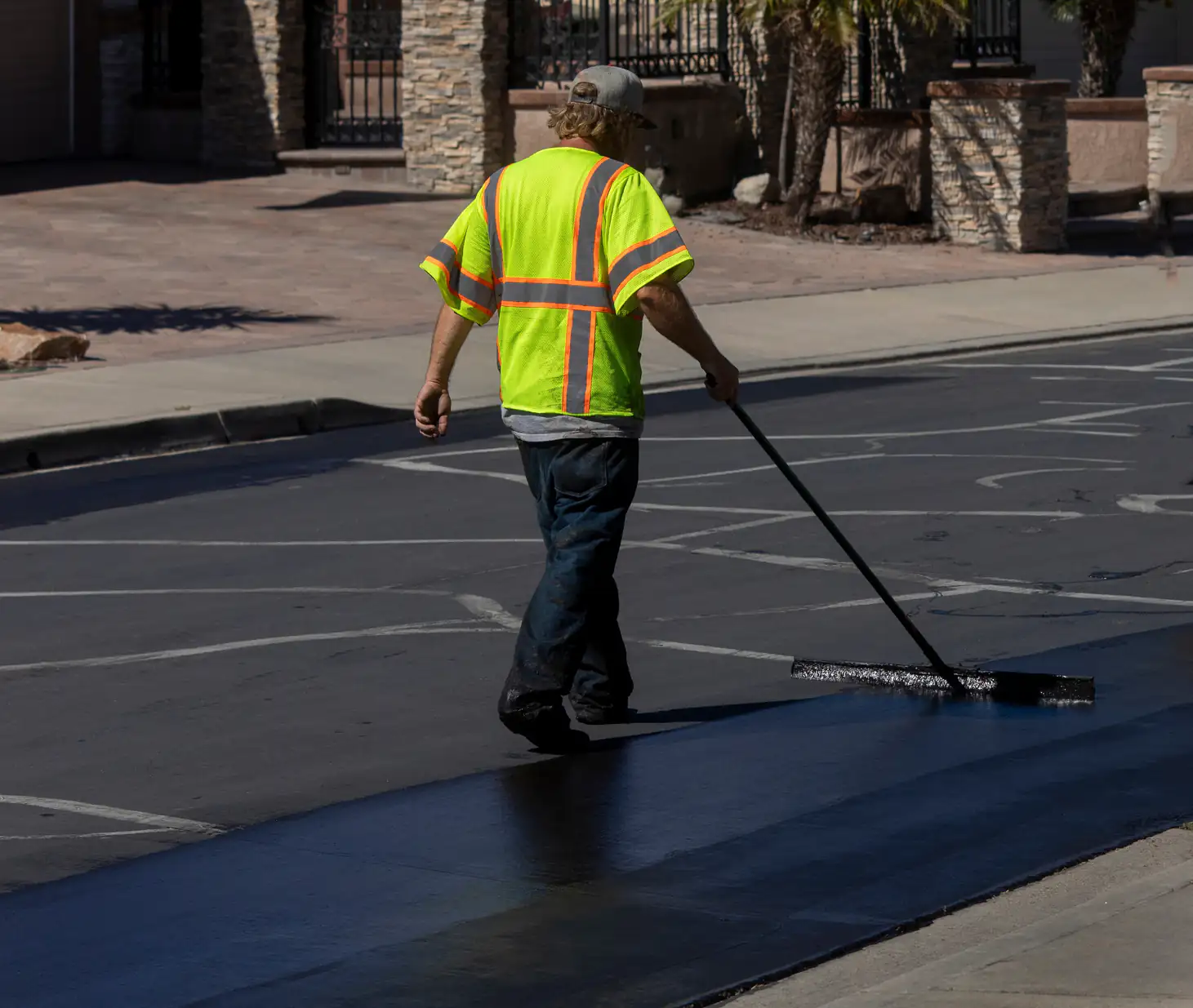
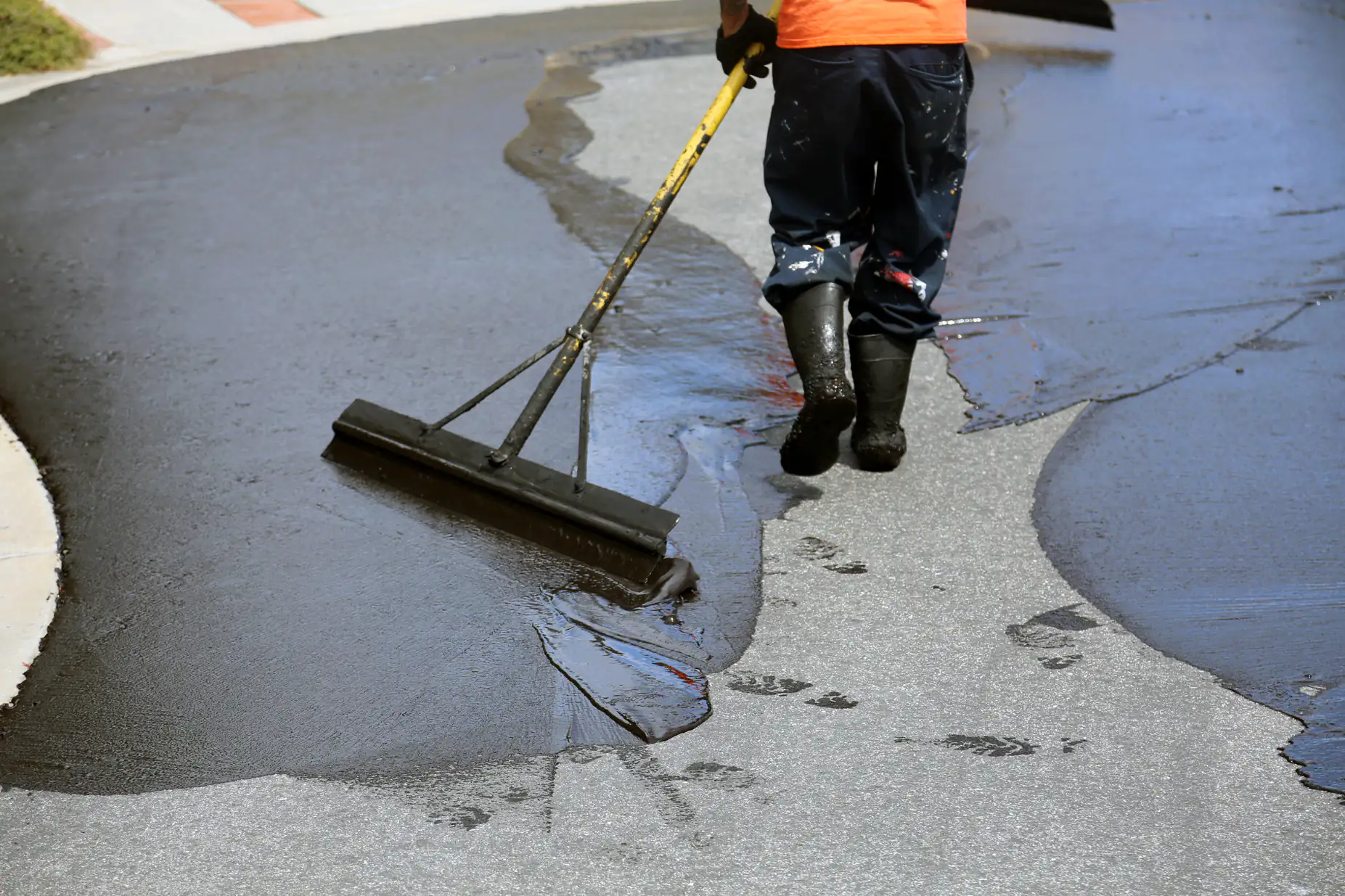
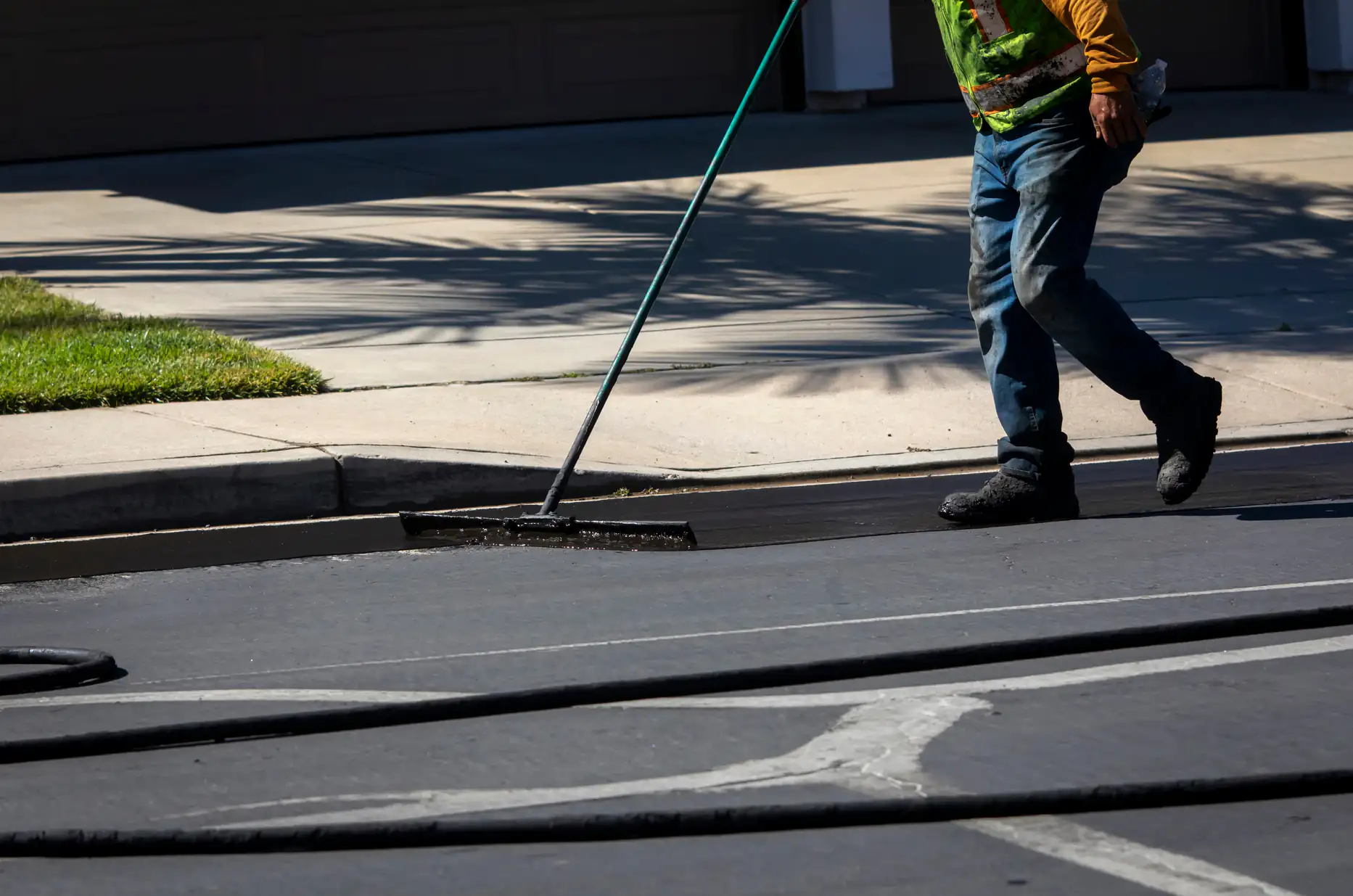
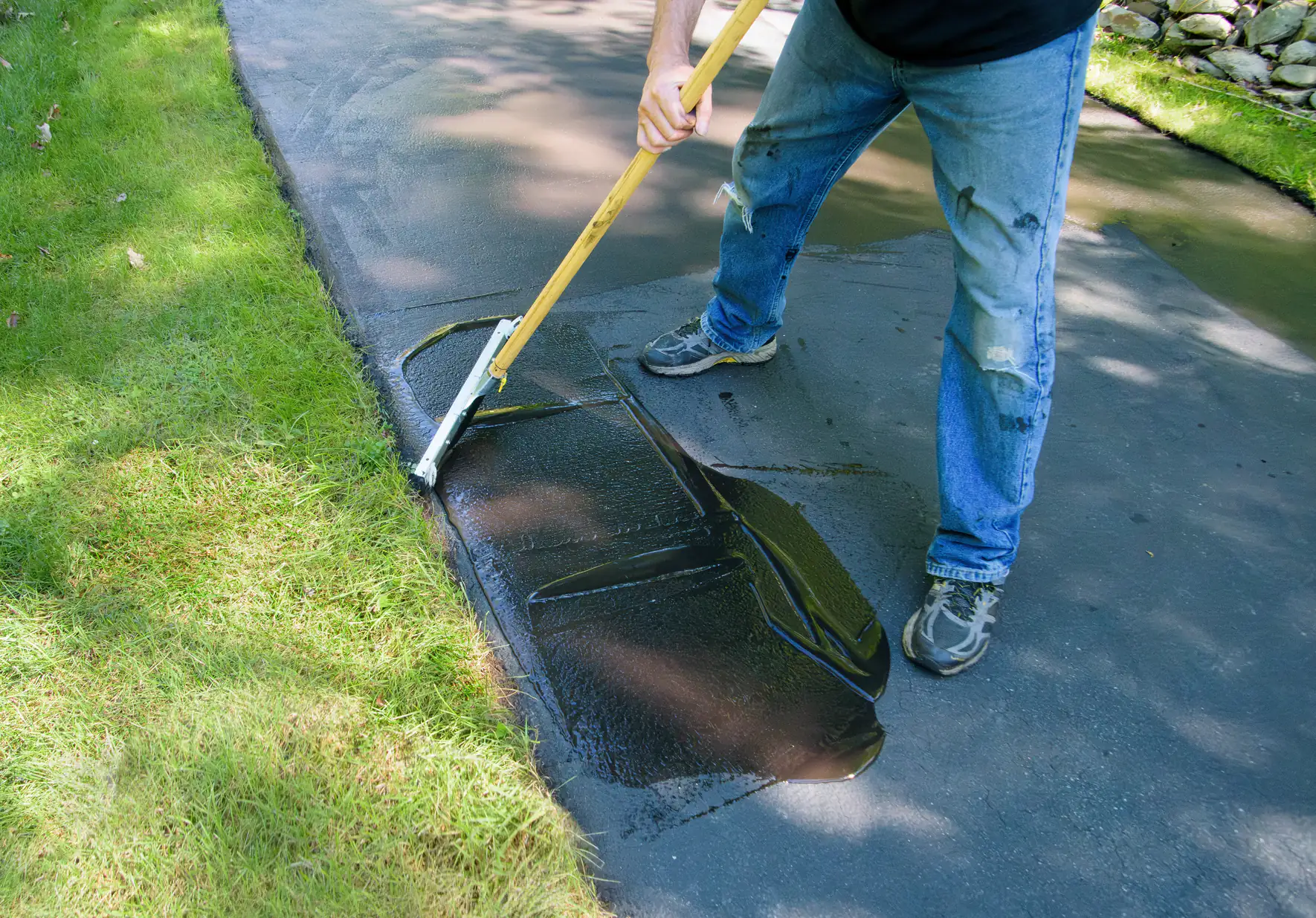
Then we apply the sealant using commercial spray equipment. This isn’t a squeegee job from a hardware store bucket. Professional application means even coverage at the right thickness, typically two coats for residential driveways.
Cure time depends on temperature and humidity, but you’re usually looking at 24 to 48 hours before you can drive on it. We’ll tell you exactly when it’s safe to use based on current conditions. The result is a dark, uniform surface that repels water and resists UV damage, oil spills, and chemical penetration from road salt.
Ready to get started?
Driveway sealer companies in Somerset County charge anywhere from $0.15 to $0.40 per square foot depending on condition, access, and material quality. A standard two-car driveway runs 600 to 800 square feet, putting most jobs between $300 and $500 for quality work.
That price includes crack filling, surface prep, two coats of commercial-grade sealer, and proper cure time. If someone quotes significantly less, they’re either skipping steps or using inferior materials. Both cost you more later.
Timing matters in Middlebush. Late spring and early fall offer the best conditions, temperatures between 50°F and 85°F with no rain forecast for 48 hours. Summer heat over 90°F causes sealer to dry too fast. Winter cold prevents proper curing.
The best value comes from sealing every two to three years. Wait longer and you’re repairing damage instead of preventing it. Annual sealing is overkill and wastes money. But stretching it to four or five years means you’re paying for repairs that proper maintenance would have prevented.
Professional sealcoating typically lasts two to three years in New Jersey’s climate before you need to reapply. That timeline assumes proper application with quality materials and normal residential use.
New Jersey weather accelerates wear. You’re dealing with freeze-thaw cycles all winter, UV exposure all summer, and road salt tracked in from the street. Each of these breaks down the sealer over time.
You’ll know it’s time to reseal when the surface starts looking gray instead of black, or when water stops beading up and starts soaking in. Don’t wait for cracks to appear. By then you’re in repair mode, not maintenance mode, and that costs more.
Material quality separates professional work from cheap applications. Professional-grade sealers contain over 50% solids with polymer modification systems. Budget products use 30% to 40% solids with fillers that wear off quickly.
Application method matters too. We use commercial spray systems that deliver even coverage at proper thickness. DIY or low-budget contractors use squeegees that leave thin spots and uneven coverage.
Surface prep makes the biggest difference. We repair cracks first, clean thoroughly, and apply two coats. Cheap jobs skip repairs, do minimal cleaning, and apply one thin coat. You’ll see the difference within six months when the cheap job starts failing and professional work still looks fresh.
Yes, but the cracks need to be filled first. Sealcoating goes over the surface, it doesn’t fill gaps. If you seal over cracks without filling them, water still gets in underneath and the damage continues.
Proper crack repair uses hot rubberized crack filler that bonds to the asphalt and flexes with temperature changes. This creates a waterproof seal that prevents moisture infiltration. Then the sealcoat goes over everything for uniform protection.
Small hairline cracks under a quarter-inch can sometimes be addressed with just sealcoating. Anything larger needs dedicated crack filling. And if you’re seeing cracks wider than half an inch or areas of alligator cracking, you might need patching or more extensive repair before sealcoating makes sense.
Early fall, specifically September and early October, offers the best window for driveway sealing in Middlebush. Temperatures are consistently between 50°F and 80°F, humidity is lower than summer, and you’re getting ahead of winter damage.
Late spring, from mid-May through June, works too. But spring weather in New Jersey is less predictable. You need 48 hours without rain for proper curing, and spring showers make that harder to guarantee.
Avoid sealing in summer heat over 90°F. The sealer dries too fast, which prevents proper bonding and can cause premature failure. And obviously winter is out, cold temperatures prevent the sealer from curing at all. The work you’re paying for in fall is insurance against the damage that happens between November and March.
Most residential driveways in Somerset County cost between $300 and $500 to seal professionally. That’s based on the typical 600 to 800 square foot two-car driveway with standard crack filling and two coats of quality sealer.
Larger driveways or those needing significant crack repair run higher. If you’ve got a circular driveway or extensive damage, expect $600 to $900. Commercial parking lots price out differently, usually by square footage at $0.15 to $0.40 per foot depending on size and condition.
Get quotes from at least two driveway sealer companies and compare what’s included. The lowest price usually means shortcuts, either in materials or prep work. The highest price doesn’t guarantee better results. Look for clear pricing that includes crack filling, proper cleaning, two coats of commercial-grade sealer, and a realistic timeline for the work.
No. New asphalt needs six to twelve months to cure before you seal it. Fresh asphalt contains oils that need to evaporate. Sealing too early traps those oils and prevents proper curing, which can lead to soft spots and premature deterioration.
You’ll know your driveway is ready when the surface turns from deep black to a lighter gray color. That color change indicates the oils have evaporated and the asphalt has hardened enough for sealer to bond properly.
After that first sealing, you’re on a two to three-year maintenance schedule. But that initial waiting period is important. Rushing it doesn’t protect your investment, it damages it. Use that first year to let the asphalt do what it needs to do, then start the protection cycle once it’s properly cured.