
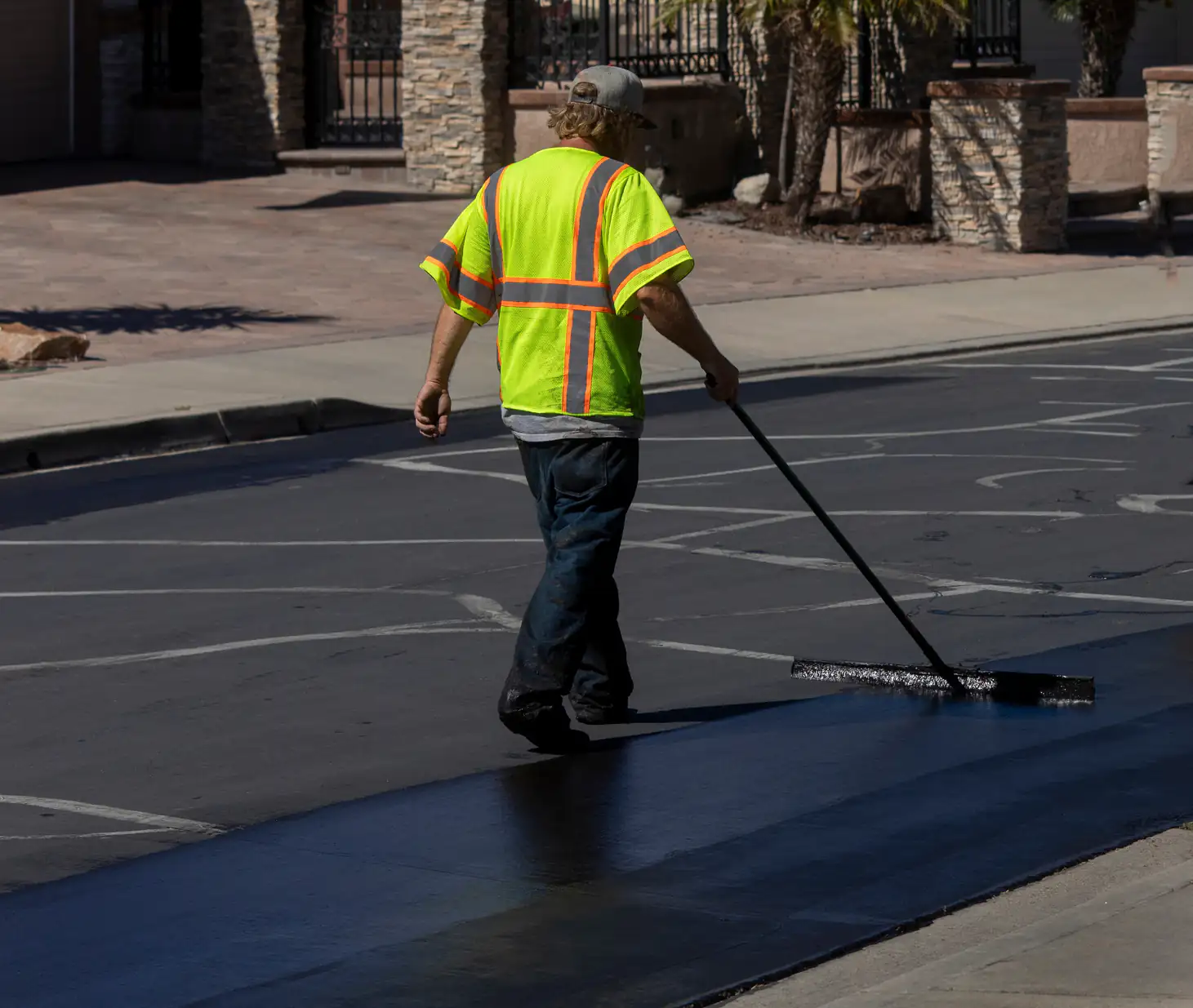
Hear from Our Customers
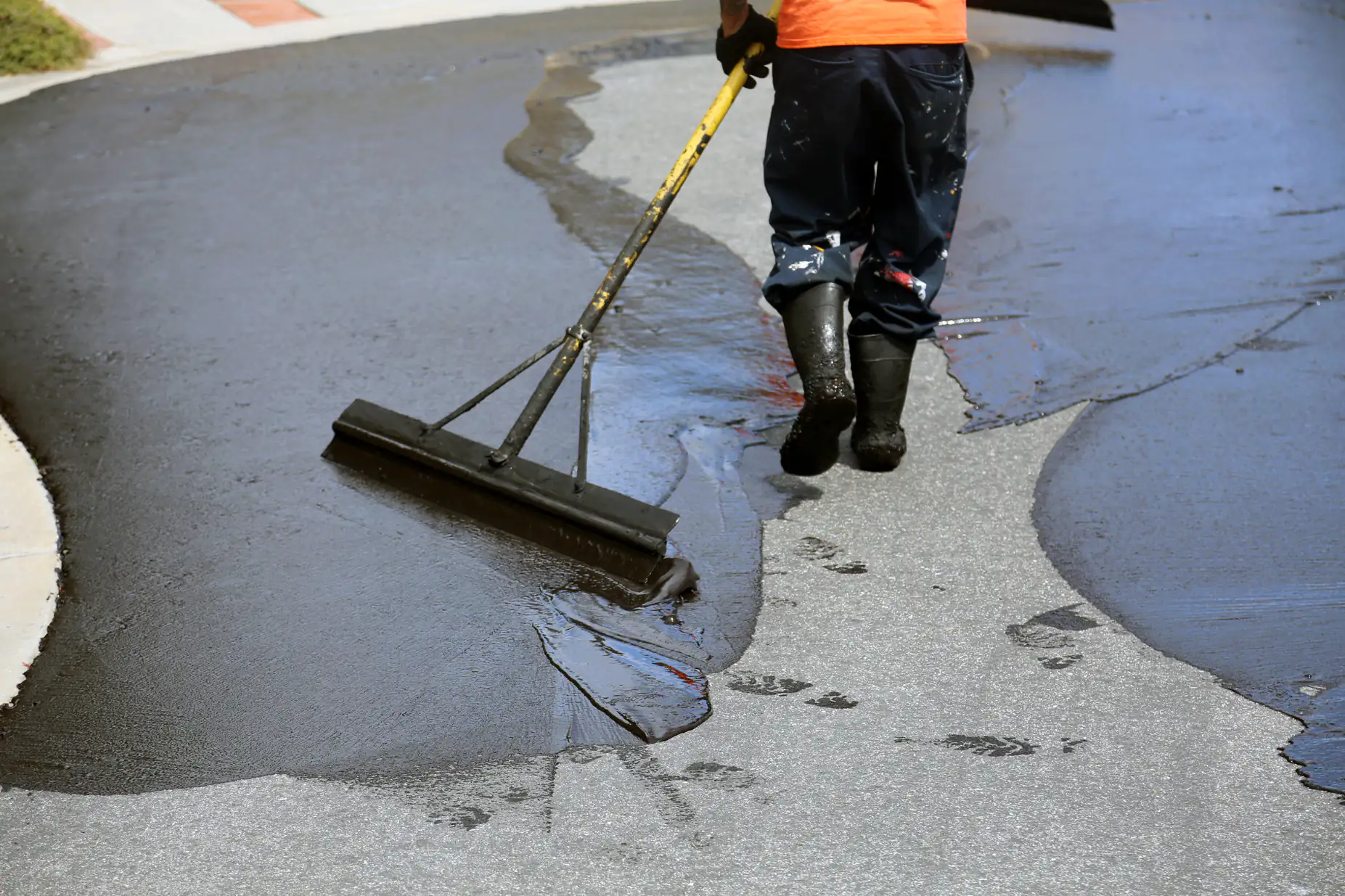
You’re not sealing your driveway for fun. You’re doing it because you’ve seen what happens when you don’t.
Those hairline cracks you ignored last fall are now potholes. Water gets in, freezes, expands, and breaks apart the asphalt from the inside. Morris County sees dozens of freeze-thaw cycles every winter. Each one does damage.
Sealcoating creates a barrier. Water can’t penetrate. UV rays can’t dry out the binder. Your driveway stays flexible instead of brittle. The difference between a driveway that lasts 15 years and one that lasts 25 years often comes down to whether it was sealed every few years.
The cost difference is dramatic. A $300-$500 sealcoating job now versus a $1,500-$3,000 repair project later. Or worse, a full replacement that runs $5,000-$10,000. You’re not spending money on sealing. You’re avoiding spending ten times that amount down the road.
We’ve worked in Victory Gardens, Parsippany, Dover, Morristown, and throughout Morris County since the early 2000s. We know what winter does to asphalt here.
We’ve seen driveways that were sealed properly still looking good after 20 years. We’ve also seen driveways that were never sealed need replacement after 10. The difference isn’t the asphalt itself—it’s the maintenance.
You’ll get an upfront quote that details exactly what we’re doing and why. No surprise charges. No upselling once we show up. We use commercial-grade sealant applied at the right temperature with professional equipment. You’ll know when it’s safe to drive on it, and we’ll answer your questions before we start, not after you’ve already paid.
First, we clean the surface. Any dirt, oil, or debris prevents the sealant from bonding properly. We’re not just sweeping it off—we’re making sure the asphalt is ready to accept the coating.
Next, we fill any cracks. If water’s already getting into your driveway through existing cracks, sealing over them won’t help. We address those first with crack filler that flexes with temperature changes.
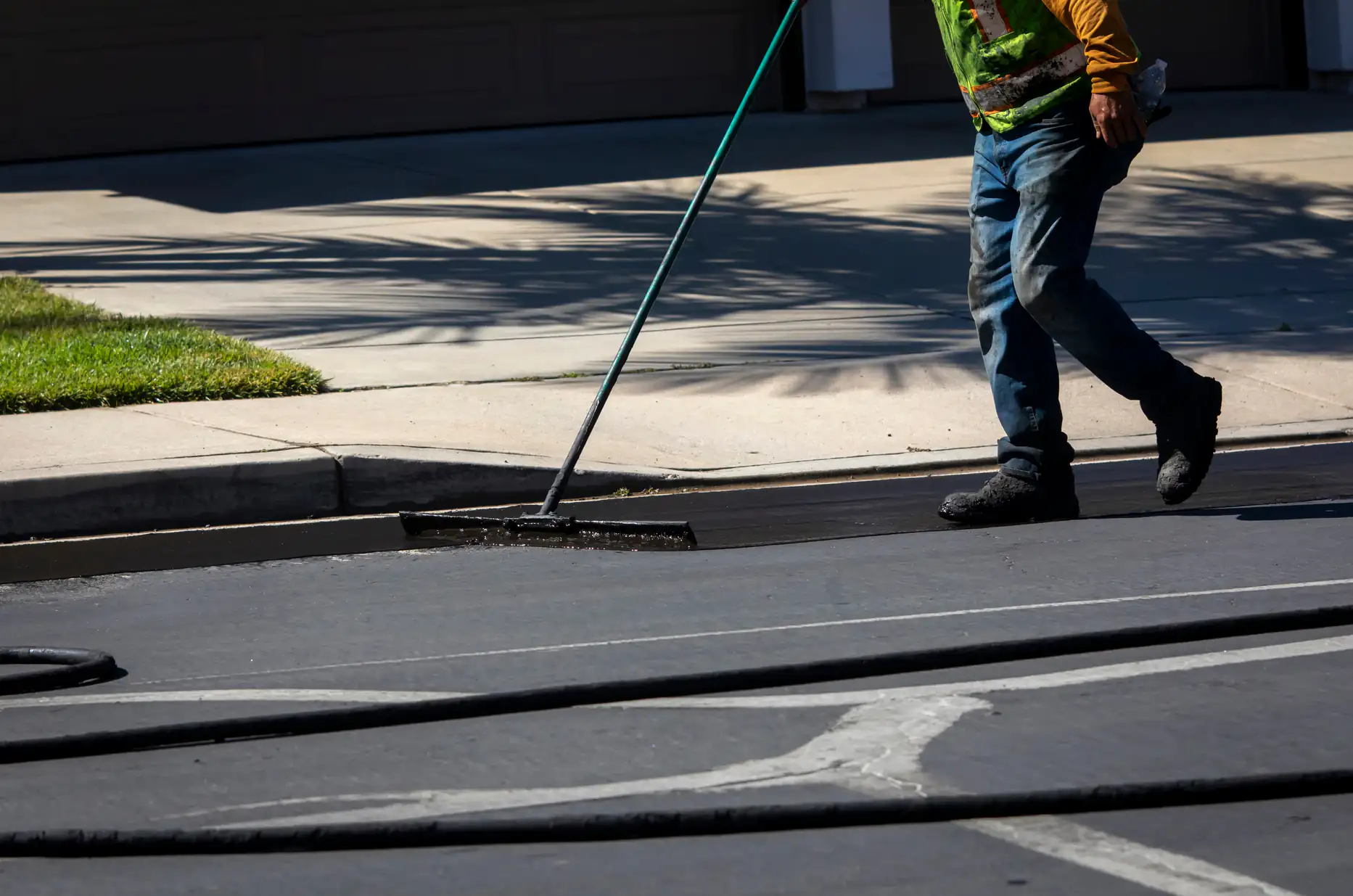
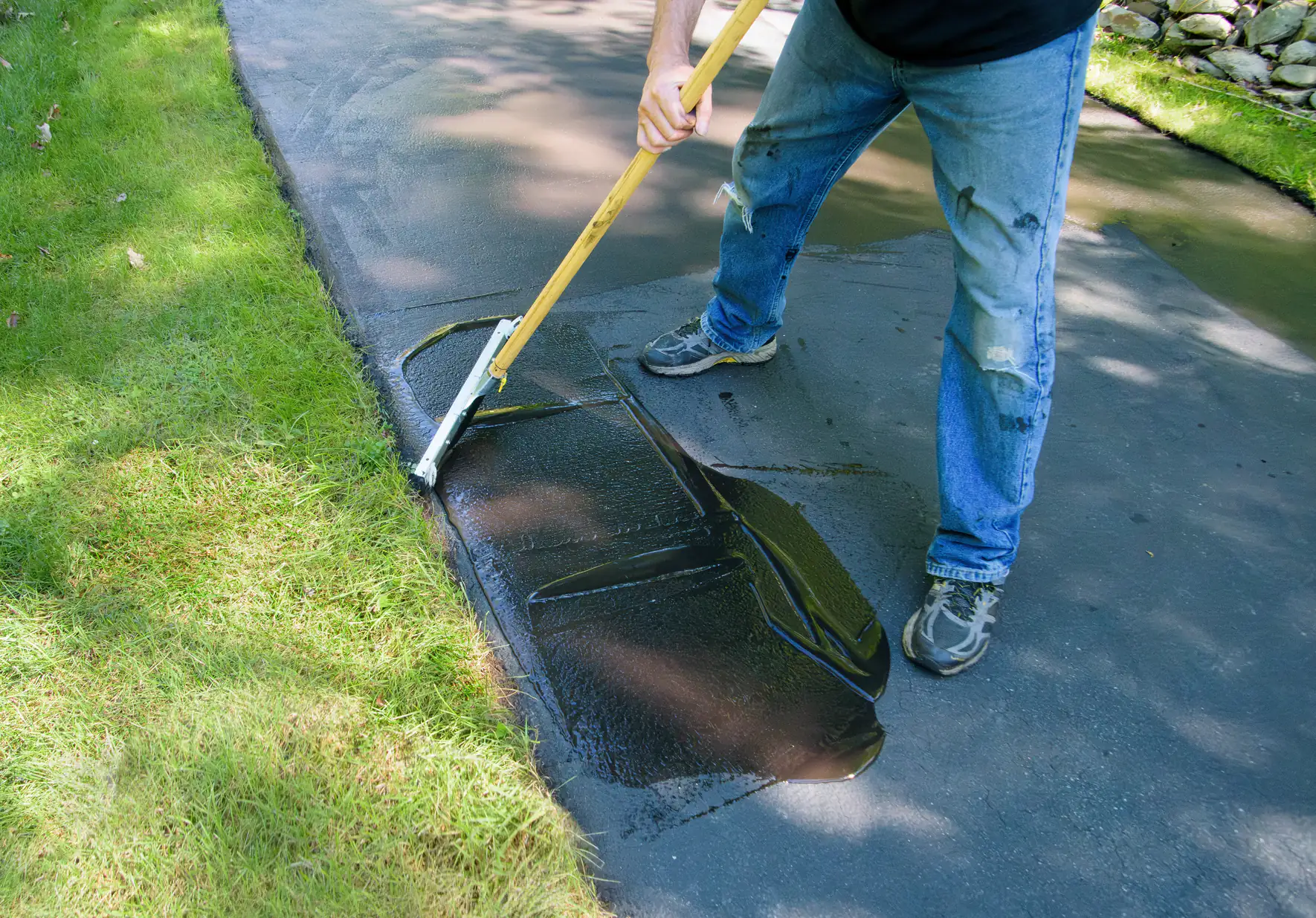
Then we apply the sealant. We use commercial-grade coal tar or asphalt emulsion sealers, not the stuff you buy in buckets at the hardware store. It goes on evenly with professional squeegees or spray equipment. Two coats are standard for driveways that haven’t been sealed in years.
After that, it needs to cure. You’ll stay off it for 24-48 hours depending on temperature and humidity. Fall is ideal because temps are in the 50-70 degree range and humidity is lower. Spring works too, but summer heat can make curing tricky, and winter is obviously out.
Once it’s cured, you’ve got a protective layer that should last 2-3 years before you need to do it again.
Ready to get started?
Most homeowners in Morris County pay between $300 and $800 for driveway sealing, depending on size and condition. The industry average runs 14-30 cents per square foot. A standard two-car driveway is around 600 square feet, so you’re looking at $200-$400 for materials and labor.
That’s not expensive. What’s expensive is skipping it and paying for repairs three years later. A single pothole repair costs $150-$300. Resurfacing a section of damaged driveway runs $1,500-$3,000. Full replacement starts at $5,000 and goes up from there.
Victory Gardens sits in one of the toughest climates for asphalt in New Jersey. The elevation changes around Boonton, Parsippany, and Denville intensify freeze-thaw cycles. You’re not dealing with sustained cold—you’re dealing with constant temperature swings that expand and contract your driveway dozens of times each winter.
Sealcoating doesn’t make your driveway indestructible. But it does buy you time. Instead of replacing your driveway at year 15, you’re looking at year 25 or beyond. The math is simple: spend a few hundred every few years, or spend thousands all at once when the damage is too far gone.
Every 2-3 years is the standard recommendation, but it depends on your driveway’s condition and how much traffic it sees. If you’ve never sealed it before, start now. If it’s been five years or more, you’re overdue.
You can tell it’s time when the asphalt starts looking gray instead of black. That’s the binder drying out from UV exposure. Once it’s gray, it’s brittle. Once it’s brittle, cracks form faster.
New driveways should be sealed about a year after installation, not immediately. The asphalt needs time to cure fully before you add a coating. After that first sealing, stick to the 2-3 year schedule and you’ll avoid most of the common damage that leads to expensive repairs.
Fall is the best window. Temperatures are consistently in the 50-70 degree range, humidity is lower, and there’s less chance of rain interrupting the curing process. Spring works too, but you’re gambling with unpredictable weather.
Summer can be tricky. If it’s too hot, the sealant can dry too fast and not bond properly. If it rains within 24 hours of application, you’ve wasted your money. Winter is out entirely—sealant won’t cure below 50 degrees.
In Morris County, aim for late September through October. You’re past the summer heat, you’re ahead of the first freeze, and the conditions are about as predictable as they get. If you miss that window, early May is your next best option.
You can do it yourself if you want to save $200-$300, but you’re taking on risk. DIY sealers from big-box stores aren’t the same quality as commercial-grade products. The equipment matters too—a squeegee from a bucket doesn’t give you the same coverage as professional spray equipment.
The bigger risk is technique. If you don’t clean the surface properly, the sealant won’t bond. If you apply it too thick, it’ll crack. Too thin, and it won’t protect anything. If the temperature drops overnight or it rains before it cures, you’ve just wasted a weekend and still need to hire someone to fix it.
Contractors carry insurance. If something goes wrong, you’re covered. If you do it yourself and it fails, you’re paying twice—once for the materials you wasted, and again to have it done right. For most homeowners, the time and risk aren’t worth the savings.
Two to three years on average, assuming it was applied correctly and you’re not parking heavy equipment on it daily. Climate plays a role too. Morris County’s freeze-thaw cycles are harder on sealant than steady cold or steady heat.
You’ll know it’s wearing off when the surface starts looking faded or water stops beading on top. Once water soaks in instead of running off, the protection is gone. That’s your cue to schedule another application.
Some driveways need it sooner if they get a lot of sun exposure or heavy use. Others can stretch it to four years if conditions are ideal. But banking on four years is risky. By the time you notice the damage, you’re already behind. Stick to the 2-3 year schedule and you’ll stay ahead of problems instead of reacting to them.
Sealcoating doesn’t fix cracks. It prevents new ones from forming and slows down existing small cracks, but it’s not a repair product. If you’ve got cracks wider than a quarter-inch, those need to be filled before sealing.
Crack filling is a separate step. We use rubberized crack filler that stays flexible as temperatures change. It keeps water from getting into the crack and making it worse. Once the cracks are filled and cured, then we apply the sealcoat over the entire surface.
If you skip crack repair and just seal over them, you’re wasting money. The sealant will sink into the crack, leaving a thin spot that fails quickly. Water will still get in underneath. You’ll end up with the same crack, just temporarily hidden. Do the repair first, then seal. That’s the only way it works long-term.
Most homeowners pay between $300 and $800 depending on the size of the driveway and its current condition. A standard two-car driveway runs around $400-$500 for a professional job with quality materials. Larger driveways or those that need crack repair first will cost more.
If someone quotes you under $200, ask what corners they’re cutting. Cheap sealant doesn’t last. Rushed application doesn’t bond. You’ll be redoing it in a year instead of three, which means you’re actually paying more in the long run.
We give you an upfront quote based on square footage, current condition, and what prep work is needed. No surprises when we’re done. You’ll know exactly what you’re paying for before we start. If your driveway needs crack filling or other repairs, we’ll tell you that up front too, not after we’ve already started the work.