
Hear from Our Customers
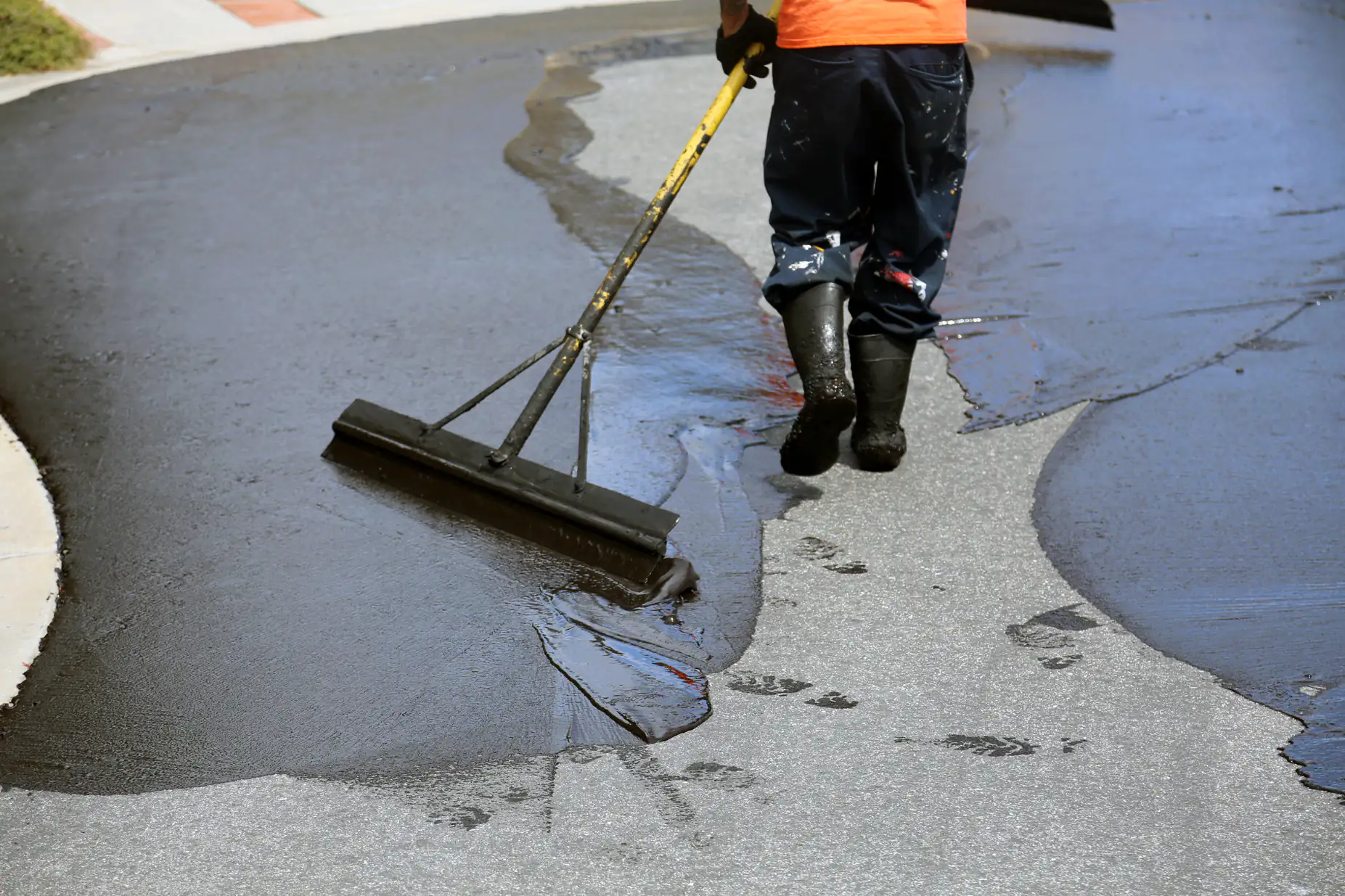
Your driveway isn’t just fading because it’s old. It’s breaking down because water gets into small cracks, freezes, expands, and turns minor surface issues into structural problems that cost thousands to fix.
Professional driveway sealcoating creates a waterproof barrier that stops this cycle before it starts. When applied correctly, it blocks UV rays that dry out your asphalt, repels oil and gas spills that eat away at the surface, and gives you a smooth, sealed finish that sheds water instead of absorbing it.
Most homeowners in Raritan spend between $300-$600 on sealcoating every few years. That same homeowner will spend $1,500-$3,000 repairing sections of driveway that weren’t protected. The difference isn’t just cost—it’s whether you’re maintaining your driveway or constantly reacting to damage that could’ve been prevented.
A sealed driveway lasts 25+ years in New Jersey’s climate. An unsealed one starts showing serious damage around year 10-12. That’s the difference we’re talking about.
We operate throughout Morris, Somerset, and Sussex Counties because we understand what North Jersey weather does to asphalt. We’ve seen what happens when contractors from out of the area use the wrong sealant mix or apply it at the wrong temperature.
Raritan sits in a zone where freeze-thaw cycles hit hard from November through March. Your driveway needs sealant that can handle that—not the same product someone would use in Virginia or Pennsylvania. We select materials based on local conditions, not what’s cheapest or fastest to apply.
When you request a quote, you’ll hear back within 24-48 hours. When we give you a price, that’s the price—no surprise charges when the crew shows up. We’ve been doing this long enough to know what your project actually requires before we start.
First, we inspect your driveway to see what we’re working with. If there are cracks wider than a quarter-inch, we fill those first—sealant alone won’t fix structural issues. We’re looking at drainage, existing damage, and whether your base layer is still solid.
Next, we clean the surface completely. Oil stains, dirt, vegetation, loose material—all of it has to go or the sealant won’t bond properly. This isn’t a quick spray-down. We’re removing anything that would prevent adhesion.
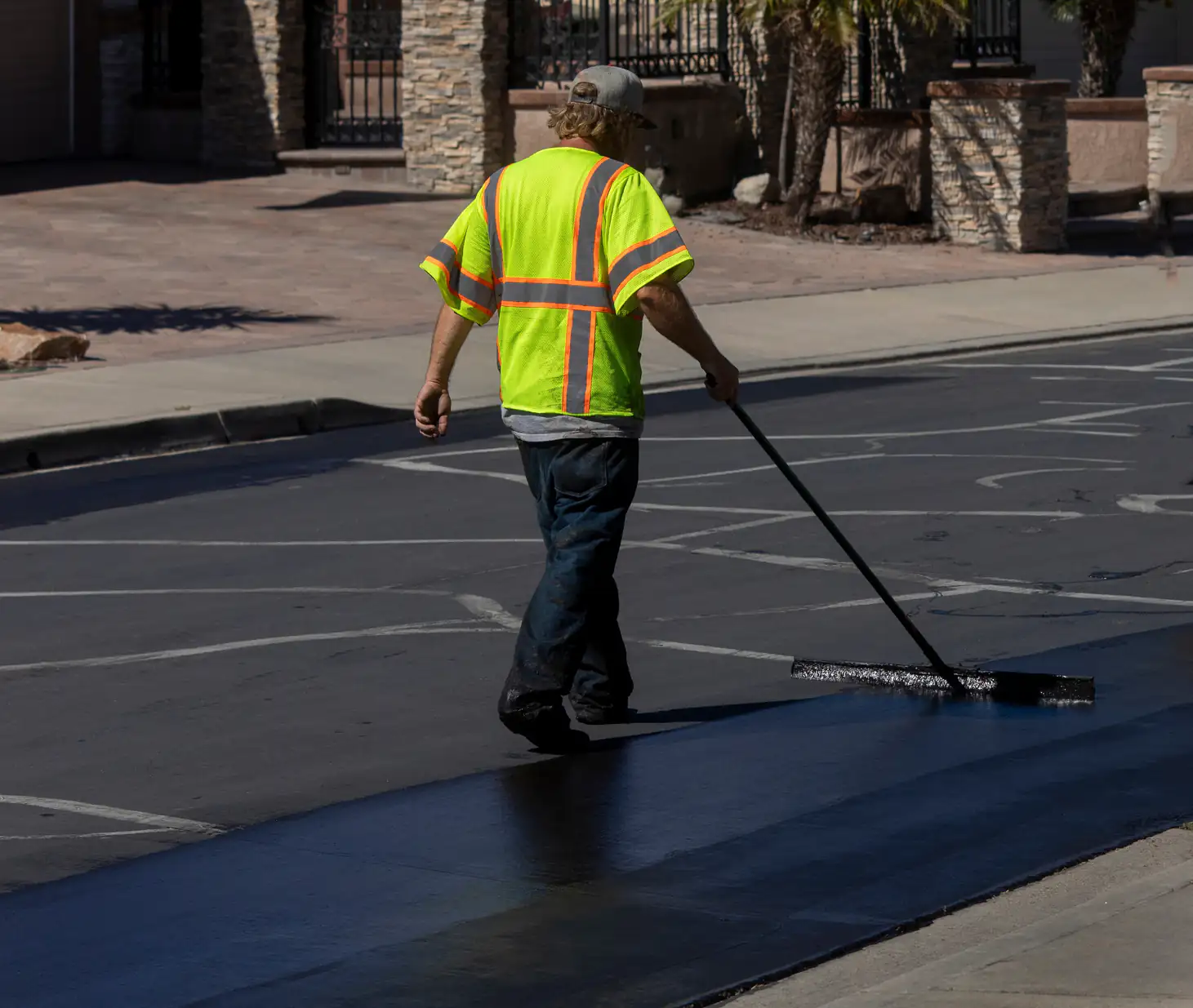
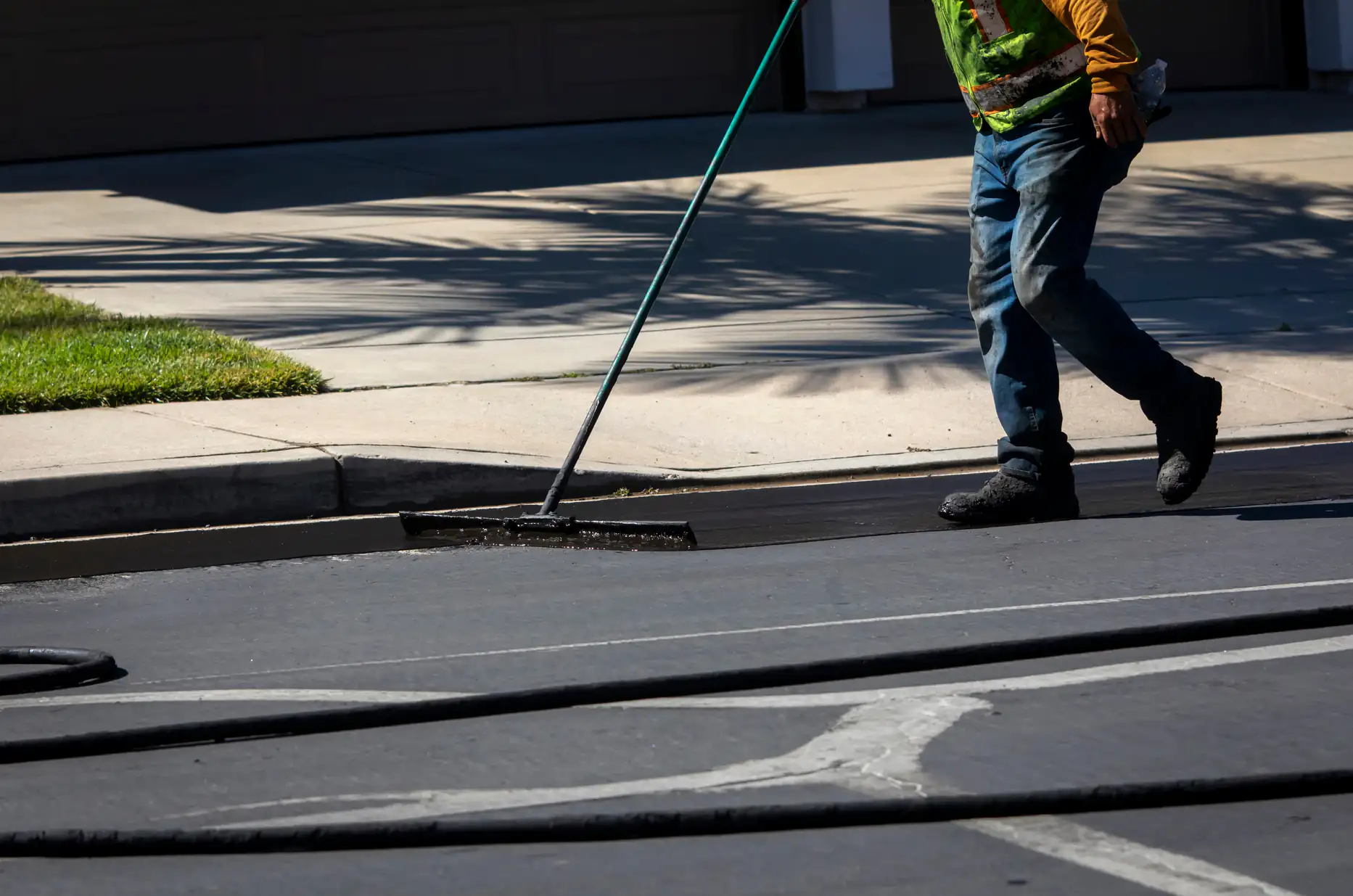
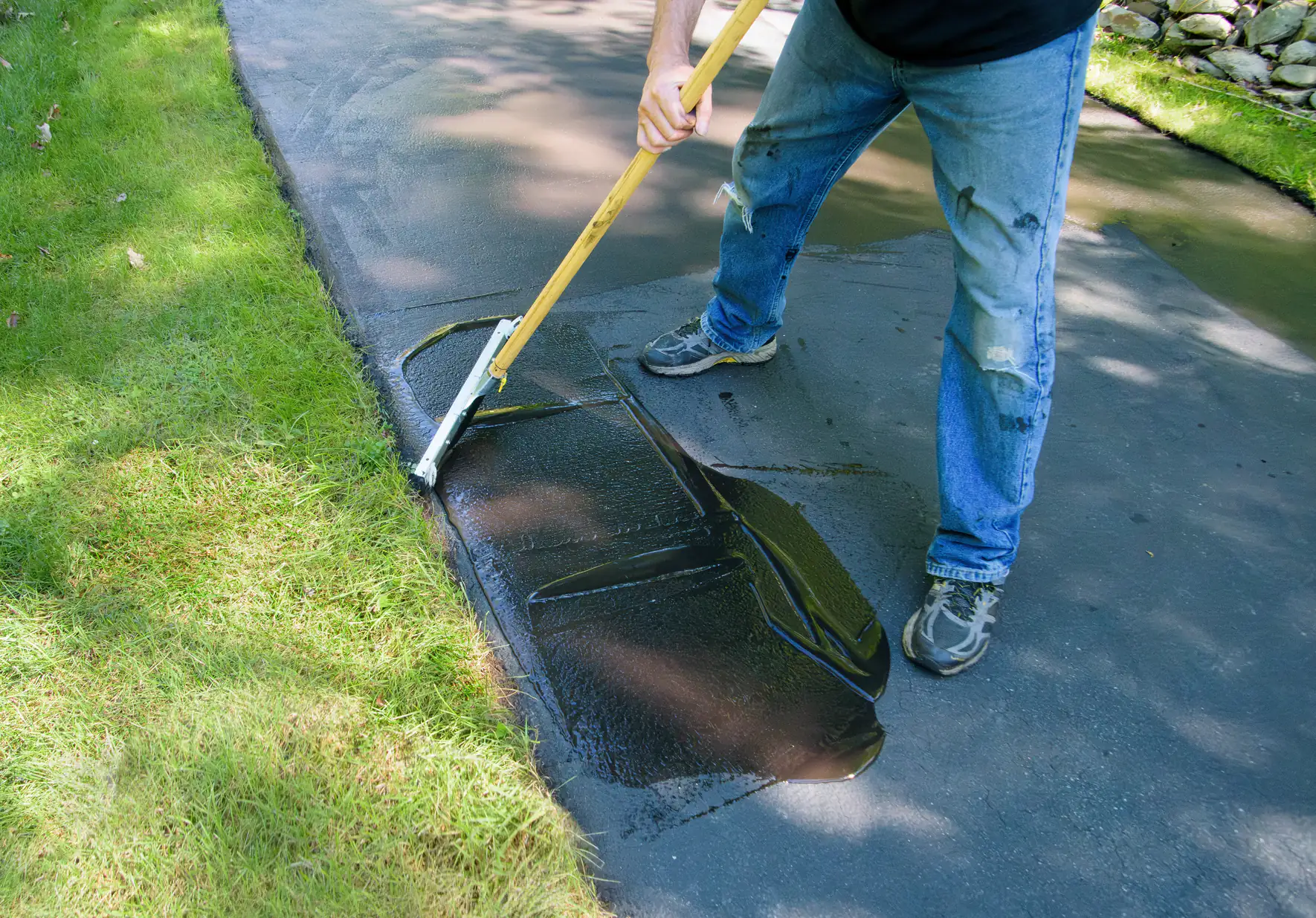
Then we apply professional-grade sealant using commercial equipment that ensures even coverage at the right thickness. Too thin and it won’t protect. Too thick and it’ll crack. We apply it when temperatures are between 50-85°F and no rain is forecast for 24-48 hours. Timing matters more than most contractors admit.
You’ll need to stay off the driveway for 24-48 hours depending on weather conditions. After that, it’s cured and ready. The finish will look dark black at first, then settle into a clean, uniform appearance that holds up to traffic and weather.
Ready to get started?
Every driveway sealing job includes a full surface inspection before we start. We’re checking for drainage problems, base damage, and whether your driveway is even a good candidate for sealing right now. If it needs repair work first, we’ll tell you—not discover it halfway through and add charges.
Crack filling is included for typical surface cracks up to a quarter-inch. Anything beyond that indicates deeper issues that need to be addressed separately. We use hot rubberized crack filler that flexes with temperature changes instead of cheap cold-pour products that pop out after one winter.
In Raritan and throughout Somerset County, we’re dealing with clay-heavy soil that shifts with moisture. That affects how driveways settle and crack over time. We account for that in how we prep and seal your surface—it’s not the same approach you’d use in other parts of the state.
The sealant itself is commercial-grade coal tar or asphalt emulsion depending on your driveway’s condition and your preferences. We’ll explain the difference and why we’re recommending one over the other for your specific situation. You’ll get two coats applied at the proper thickness, not one heavy coat that looks good initially but fails early.
Most driveways in Raritan need sealing every 2-3 years depending on sun exposure, traffic, and how well the previous application was done. If your driveway gets full sun most of the day, you’re closer to every 2 years. Shaded driveways with light use can stretch to 3-4 years.
Here’s the test: if water soaks into your asphalt instead of beading up on the surface, it’s time. That means your previous seal coat has worn through and water is penetrating the surface. Once that starts happening, you’re on borrowed time before cracks develop.
Don’t wait until you see significant cracking or fading. By that point, you’re repairing damage instead of preventing it. The whole point of sealcoating is to maintain your driveway before problems start, not after.
Most residential driveways in Raritan run between $300-$600 for professional sealcoating, depending on size and condition. The industry average is about 14-30 cents per square foot. A typical two-car driveway is around 600-800 square feet, so you’re looking at $350-$450 for quality work.
If someone quotes you significantly less, ask what they’re cutting. Cheap sealant breaks down in one winter. Thin application won’t protect your asphalt. Skipping proper cleaning means poor adhesion. You’ll end up paying twice—once for the bad job, once to fix it.
We give you a firm price upfront after looking at your driveway. That includes surface prep, crack filling for typical surface cracks, two coats of sealant, and cleanup. No surprises when we’re done.
You can buy sealant at any home improvement store and do it yourself. Whether you should depends on whether you have the right equipment, knowledge of application techniques, and time to do it properly.
Most DIY sealcoating fails because homeowners use the wrong product, apply it too thick or thin, don’t prep the surface correctly, or choose the wrong weather conditions. A squeegee from the hardware store doesn’t spread sealant evenly like commercial equipment does. Box store sealant is formulated differently than professional-grade products.
The bigger issue is what happens when it’s done wrong. Failed sealcoating doesn’t just wash away—it can trap moisture against your asphalt and accelerate damage. We see this often enough that it’s worth mentioning: a bad seal job is worse than no seal job. If you’re going to do it yourself, research the process thoroughly and don’t cut corners on materials or prep work.
Fall is the best time to seal driveways in Morris and Somerset Counties. September through early November gives you consistent temperatures between 50-85°F, lower humidity, and enough time for the sealant to cure before winter hits.
Spring is your second option, but you’re racing against summer heat and dealing with more unpredictable weather. Sealant needs 24-48 hours of dry conditions to cure properly. Spring rain patterns make that harder to guarantee.
Don’t seal in summer when temperatures exceed 85-90°F. The sealant dries too fast, doesn’t bond properly, and can actually damage your asphalt. And definitely don’t seal within 90 days of new asphalt installation—fresh asphalt needs time to cure and harden before you seal it, or you’ll trap oils that need to evaporate.
Professional sealcoating lasts 2-3 years in New Jersey’s climate when applied correctly. That accounts for our freeze-thaw cycles, road salt exposure, UV damage from summer sun, and normal vehicle traffic.
You’ll notice the deep black color fading to gray before the actual protection fails. That’s normal—the sealant is still working even when it doesn’t look fresh anymore. The protection breaks down when water stops beading on the surface and starts soaking in.
Box store sealants typically last 1-2 years at best because they’re thinner formulations with less solids content. Professional-grade products have higher concentrations of protective materials that hold up longer under stress. That’s why the cost difference between DIY and professional work often disappears when you factor in how often you’ll need to reapply.
No. Sealcoating protects the surface and prevents new cracks from forming, but it doesn’t repair existing damage. Think of it like paint—it covers the surface but doesn’t fix what’s underneath.
Cracks need to be filled before sealing. Small surface cracks (less than a quarter-inch) get filled with rubberized crack filler that flexes with temperature changes. Larger cracks or areas where the base has failed need actual repair work—removing damaged sections and replacing them with new asphalt.
If a contractor tells you sealcoating will fix your cracks, find a different contractor. We fill cracks as part of the prep work before sealing, but we’re clear about what sealcoating does and doesn’t do. It’s a protective maintenance treatment, not a repair solution for structural problems.