
Hear from Our Customers
Your driveway takes a beating every winter. Water seeps into small cracks, freezes, expands, and turns minor surface issues into major structural problems. Without protection, you’re looking at a full replacement in 12-15 years instead of 25.
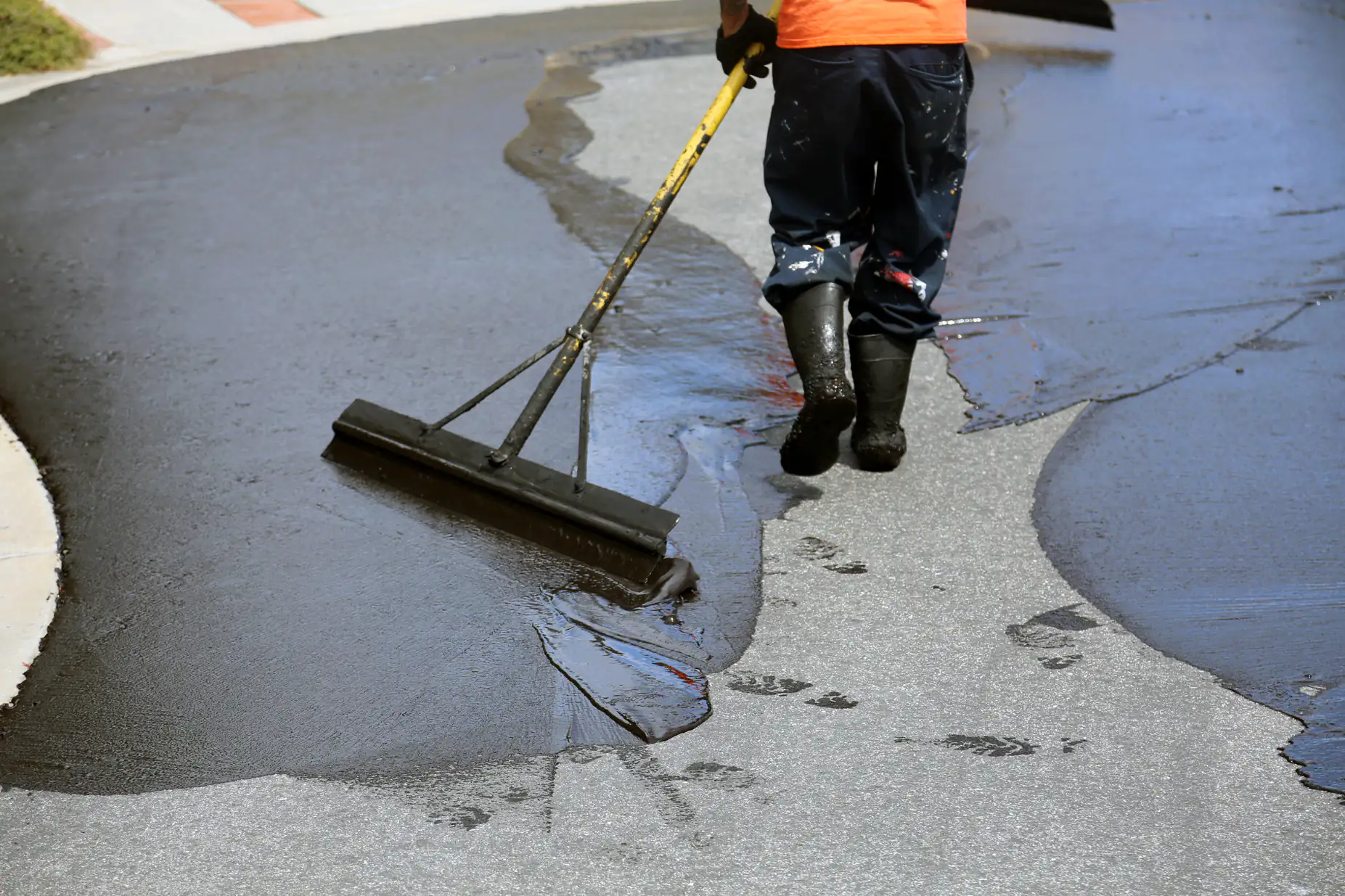
Sealcoating creates a waterproof barrier that keeps moisture out and flexibility in. That means fewer cracks, no spreading damage, and an asphalt surface that can handle whatever New Jersey weather throws at it.
The math is simple. Sealing your driveway every few years costs a few hundred dollars. Replacing it costs thousands. You’re either spending money now to protect what you have, or spending a lot more later to rebuild from scratch.
Platinum Paving is a third-generation family business based in Morris County. We’ve spent two decades working on driveways throughout White Meadow Lake, Rockaway, Boonton, and the surrounding areas—so we know exactly what your asphalt is up against.
We’re not the biggest paving company in New Jersey, and we’re fine with that. What matters more is that we show up when we say we will, we give you a clear price upfront, and we don’t leave until the work is done right.
Every job comes with a 5-year warranty. We’re fully licensed and insured. And if you request a quote online, you’ll hear back from us within 24-48 hours—not next week, not when we feel like it.
First, we clean the entire surface. That means power washing to remove dirt, oil stains, debris—anything that would prevent the sealer from bonding properly. If your driveway has grass or weeds growing through cracks, those get removed too.
Next, we fill the cracks. We use a hot rubberized crack filler that stays flexible in cold weather and doesn’t just sit on top like a band-aid. This step is critical because sealer alone won’t fix structural issues—it just protects the surface.
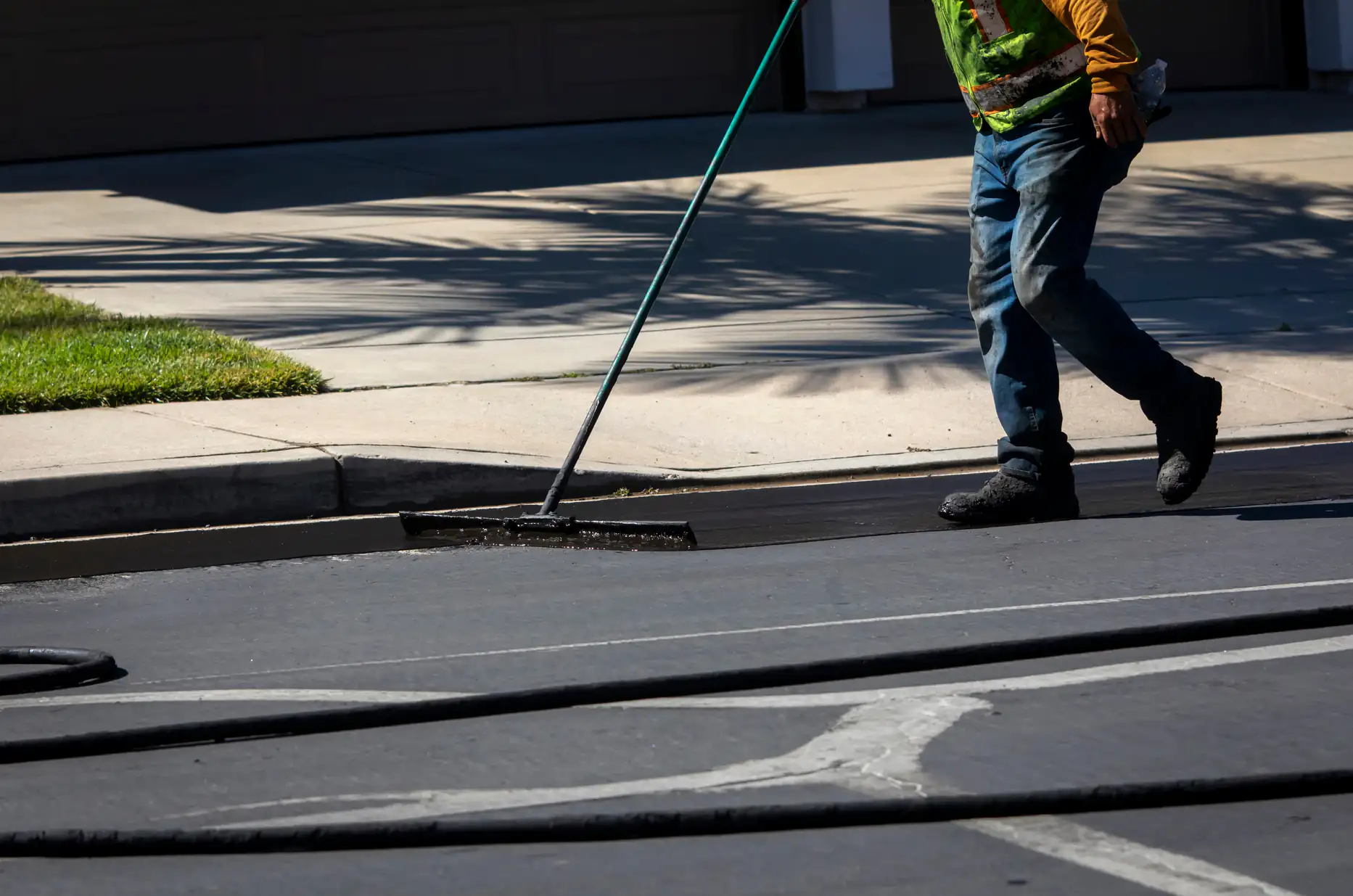
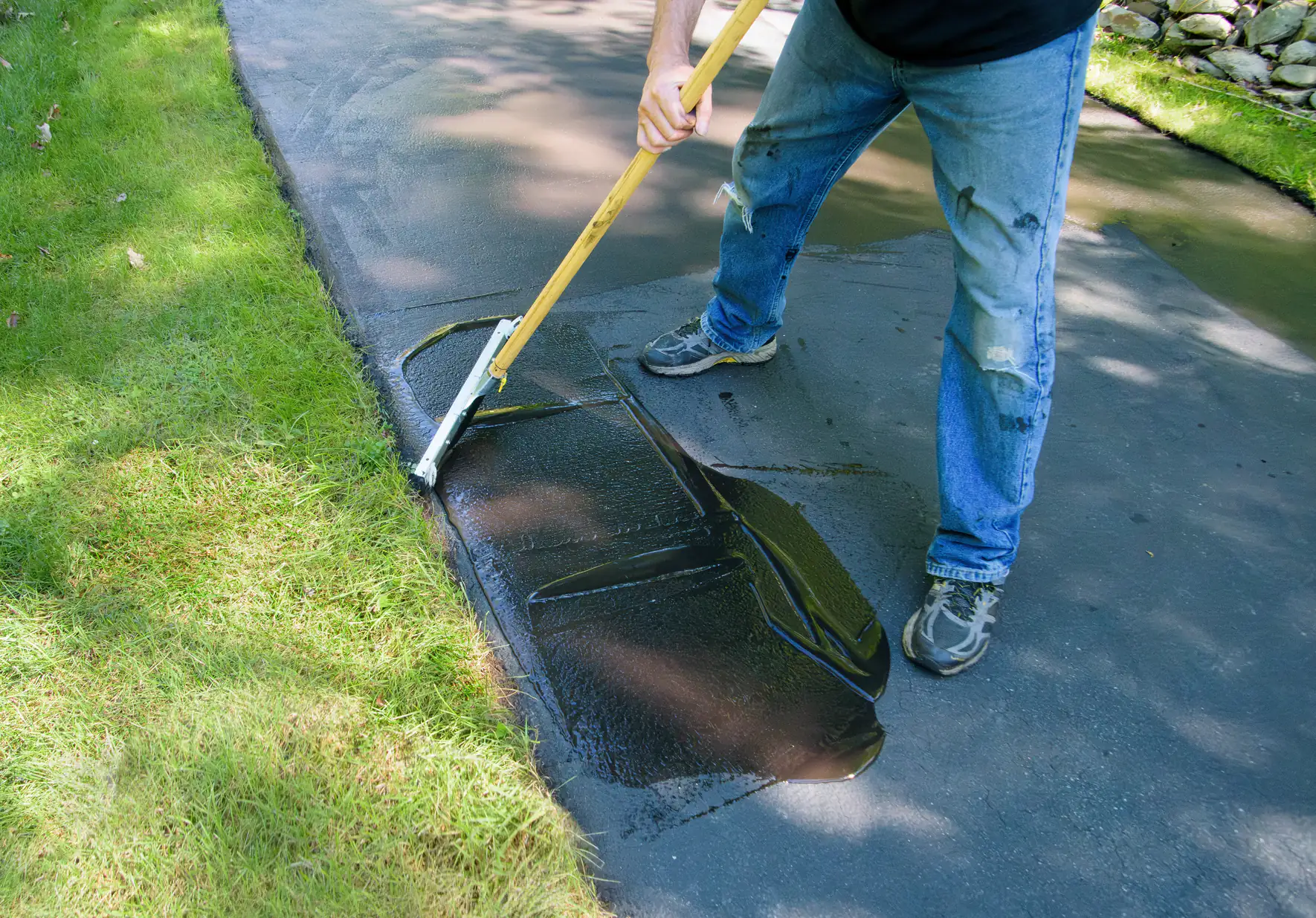
Then we apply two coats of premium coal tar or asphalt emulsion sealer. We use commercial-grade material, not the stuff you buy in buckets at the hardware store. The first coat seals and protects. The second coat adds durability and gives you that fresh, dark finish.
After application, your driveway needs 24-48 hours to cure depending on temperature and humidity. We’ll tell you exactly when it’s safe to park on it again, and we’ll make sure the edges are clearly marked so no one drives on it too early.
Ready to get started?
A standard two-car driveway in White Meadow Lake typically costs between $200-$500 to seal, depending on size and condition. That price includes cleaning, crack filling, and two coats of sealer. If your driveway has significant damage or hasn’t been sealed in years, the cost might be higher—but we’ll tell you that upfront, not after we start.
You’re not just paying for the sealer itself. You’re paying for proper surface prep, quality materials that can handle New Jersey winters, and a process that actually extends your driveway’s lifespan. Cheap sealcoating jobs skip the crack filling, use watered-down sealer, or rush the application. That might save you $100 now, but it won’t protect your asphalt.
Morris County weather is tough on driveways. We get freeze-thaw cycles that most other parts of the country don’t deal with. The sealer we use is specifically chosen for flexibility in extreme temperatures, resistance to salt and chemicals, and durability through wet springs and humid summers.
Timing matters too. The best time to seal your driveway here is late spring or early fall when temperatures are consistently above 50°F and rain isn’t in the forecast. New asphalt needs 3-6 months to cure before it can be sealed, so if your driveway was just installed, we’ll let you know when it’s ready.
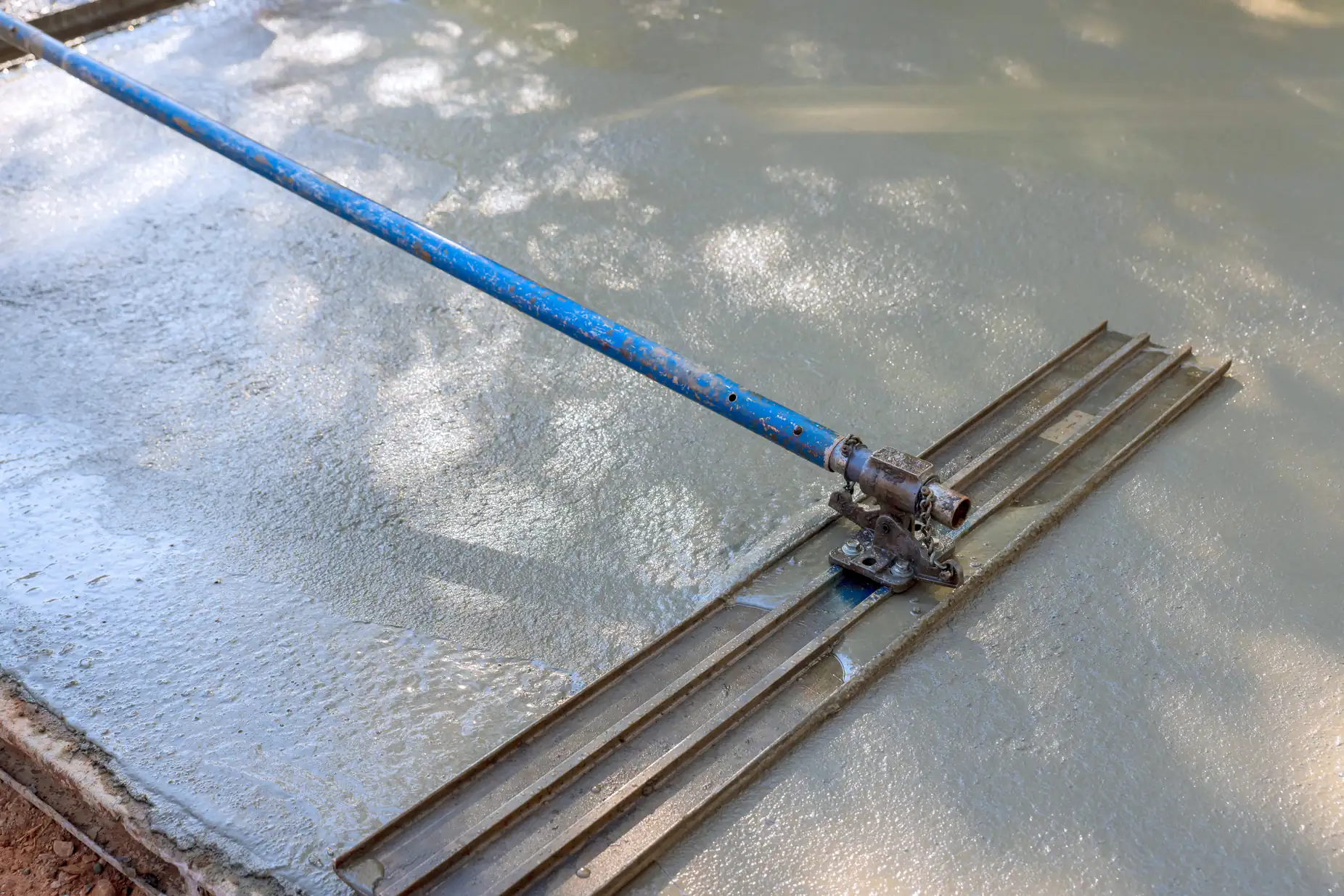
Every 2-3 years is the standard recommendation for driveways in Morris County. That timeline keeps your asphalt protected without over-sealing, which can cause its own problems.
If your driveway gets heavy use—multiple vehicles, frequent traffic, or you park commercial trucks on it—you might need to seal it closer to every 2 years. If it’s a lighter-use driveway in a shaded area that doesn’t see much sun exposure, you can stretch it to 3 years.
You’ll know it’s time when the surface starts looking faded or gray instead of black, or when water stops beading up and starts soaking in. Those are signs that the previous seal coat is wearing off and your asphalt is exposed again. Waiting too long means you’re letting moisture back in, and that’s when cracks start forming.
You can do it yourself, but the results usually aren’t the same. The sealer you buy at retail stores is thinner and doesn’t last as long as commercial-grade material. And if you skip the crack filling or don’t prep the surface correctly, you’re basically just painting over problems.
The bigger issue is application. If the sealer goes on too thick, it can crack and peel. Too thin, and it won’t protect anything. Most DIY jobs also don’t include proper edging or clean lines, so you end up with sealer on your grass, sidewalk, or garage floor.
Professional driveway sealcoating costs a few hundred dollars and comes with proper prep, quality materials, and a warranty. If something goes wrong, we fix it. If you do it yourself and it fails, you’re starting over and paying twice. For most homeowners, hiring a contractor just makes more sense.
Coal tar sealer is more durable and offers better protection against gas, oil, and salt. It costs a bit more—usually $0.18-$0.25 per square foot—but it lasts longer and holds up better in high-traffic areas. It’s the go-to choice for driveways that see a lot of use or have vehicles that might leak fluids.
Asphalt emulsion sealer is less expensive and more environmentally friendly. It works well for residential driveways with lighter use, and it’s a good option if you’re trying to stay within a tighter budget. The tradeoff is that it doesn’t last quite as long and isn’t as resistant to chemicals.
Both options protect your driveway from moisture and UV damage, which are the two biggest threats to asphalt in New Jersey. We’ll recommend the right one based on your driveway’s condition, how you use it, and what kind of protection you’re looking for. There’s no wrong choice—just different priorities.
A properly applied seal coat lasts 2-3 years in New Jersey’s climate. That lifespan assumes normal use, regular maintenance, and typical weather exposure. If your driveway is in full sun all day or you live on a busy street with heavy traffic, it might wear faster.
The key word is “properly applied.” If the surface wasn’t cleaned right, the sealer won’t bond. If cracks weren’t filled first, they’ll keep spreading underneath. If the sealer was applied too thin or in bad weather, it won’t cure correctly. All of those mistakes shorten the lifespan and waste your money.
You’ll get the most life out of your sealcoating by keeping your driveway clean, avoiding sharp turns when you’re parking, and not using metal shovels or plows in the winter. Small things like that make a difference. But even with perfect care, you’ll still need to reseal every few years—that’s just how asphalt maintenance works.
We can seal a driveway with cracks, but we need to fill them first. Sealcoating protects the surface—it’s not a structural repair. If you just coat over cracks without filling them, they’ll keep spreading and the sealer will sink into the gaps instead of staying on top.
Crack filling uses a hot rubberized material that stays flexible when temperatures drop. That flexibility is critical in New Jersey because freeze-thaw cycles put constant pressure on those cracks. A rigid filler would just crack again. The rubberized filler moves with the asphalt and keeps water out.
If your driveway has major structural damage—like large potholes, sunken areas, or a failing base—sealcoating won’t fix that. You’d need actual repairs or possibly a full replacement depending on how bad it is. We’ll tell you honestly if sealing makes sense or if you’re better off addressing bigger issues first. No point in sealing a driveway that’s falling apart.
Late spring and early fall are the best windows for driveway sealing in Morris County. You need consistent temperatures above 50°F during the day and no rain in the forecast for at least 24-48 hours after application. That’s when the sealer cures properly and bonds to the asphalt.
Summer can work, but if it’s too hot—above 90°F—the sealer dries too fast and can become difficult to apply evenly. Winter is out of the question because the sealer won’t cure in cold temperatures, and any moisture in the asphalt will cause problems.
Spring and fall also tend to be when you’ll find better pricing and availability. We’re busy during those seasons, but not slammed like mid-summer. You’ll get scheduled faster, and you’re more likely to have ideal weather conditions for the work. If you’re planning to seal your driveway, reach out a few weeks ahead so we can get you on the schedule during the right window.