
Hear from Our Customers
Your driveway takes a beating every winter. Water seeps into small cracks, freezes, expands by 9%, and breaks apart the asphalt from the inside out. Ledgewood typically sees 60-75 freeze-thaw cycles between November and March – each one doing a little more damage.
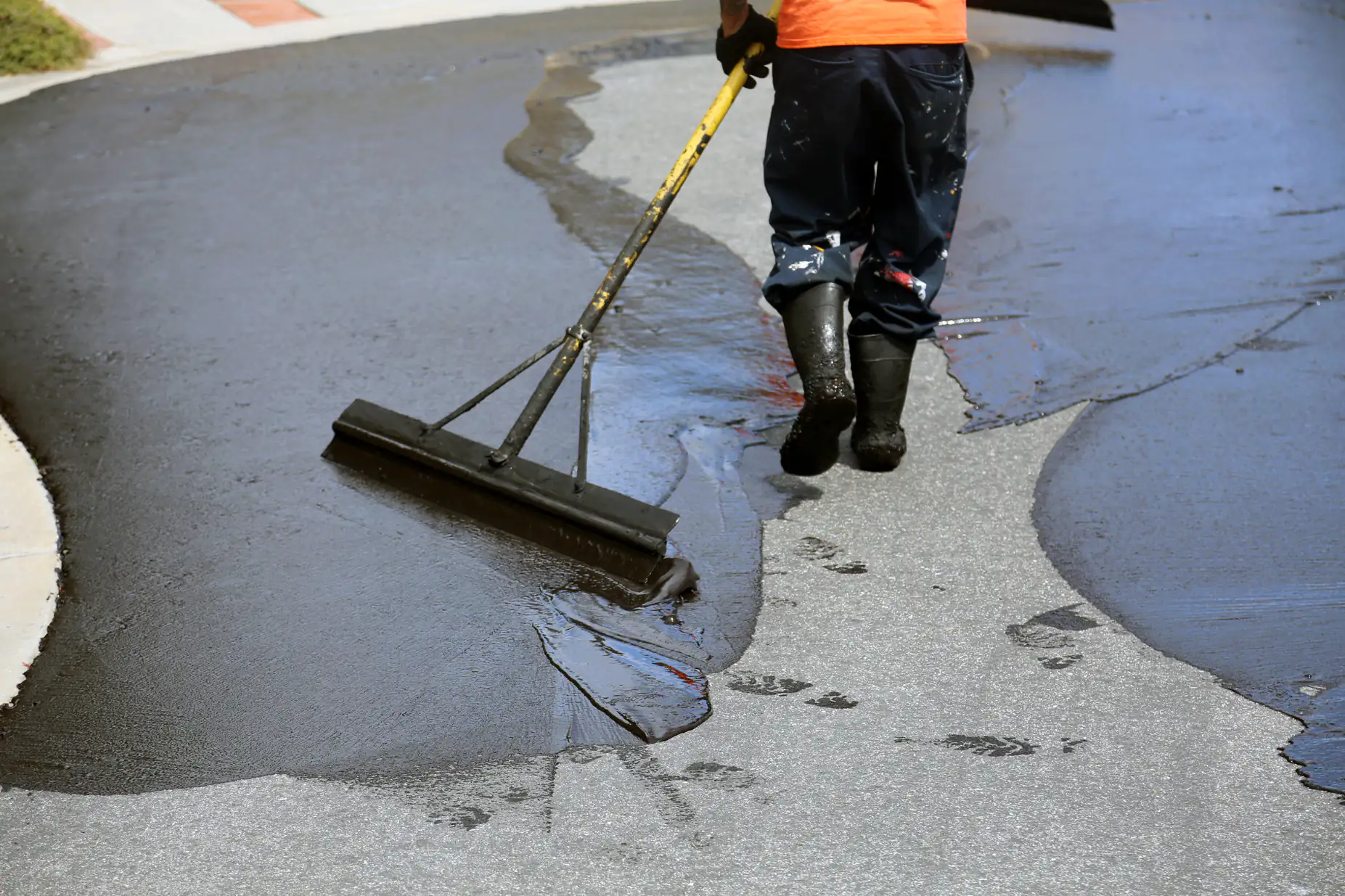
Sealcoating creates a waterproof barrier that stops this cycle before it starts. It blocks UV rays that dry out and crack the surface. It resists oil stains and the chemical damage from ice melt products you’re using all winter long.
The result? Your driveway lasts 25 years instead of 15. You avoid emergency repairs when potholes appear. You keep that smooth, black appearance that makes your home look maintained instead of neglected.
A $300-500 sealcoating job every three years is significantly cheaper than a $5,000 repaving job. You’re not just protecting asphalt – you’re protecting your investment and avoiding the headache of dealing with a deteriorating driveway when every contractor in Morris County is booked solid.
We’ve spent over 20 years working on driveways throughout Morris, Sussex, and Somerset Counties. We’re based in Morris County, which means we understand exactly what North Jersey weather does to asphalt.
We’ve seen what happens when homeowners skip sealcoating or hire the cheapest contractor who cuts corners. We’ve repaired those driveways. That’s why we don’t rush the prep work, we don’t water down materials, and we don’t disappear after the job.
You get straightforward pricing upfront. You get a crew that shows up when scheduled. You get a 24-48 hour callback guarantee when you request a quote. We’re not the cheapest option in Ledgewood – we’re the option that does it right the first time so you’re not calling someone else in two years to fix it.
We start with a thorough cleaning. Your driveway gets power washed or swept clean of dirt, debris, and loose material. If there’s oil staining, we treat it with a primer. This step matters because sealant won’t bond properly to a dirty surface.
Next, we fill any cracks. Small cracks get hot rubberized crack filler that flexes with temperature changes. Larger damaged areas might need patching with hot mix asphalt before we seal. Skipping this step is how you end up with water infiltration that ruins the whole job.
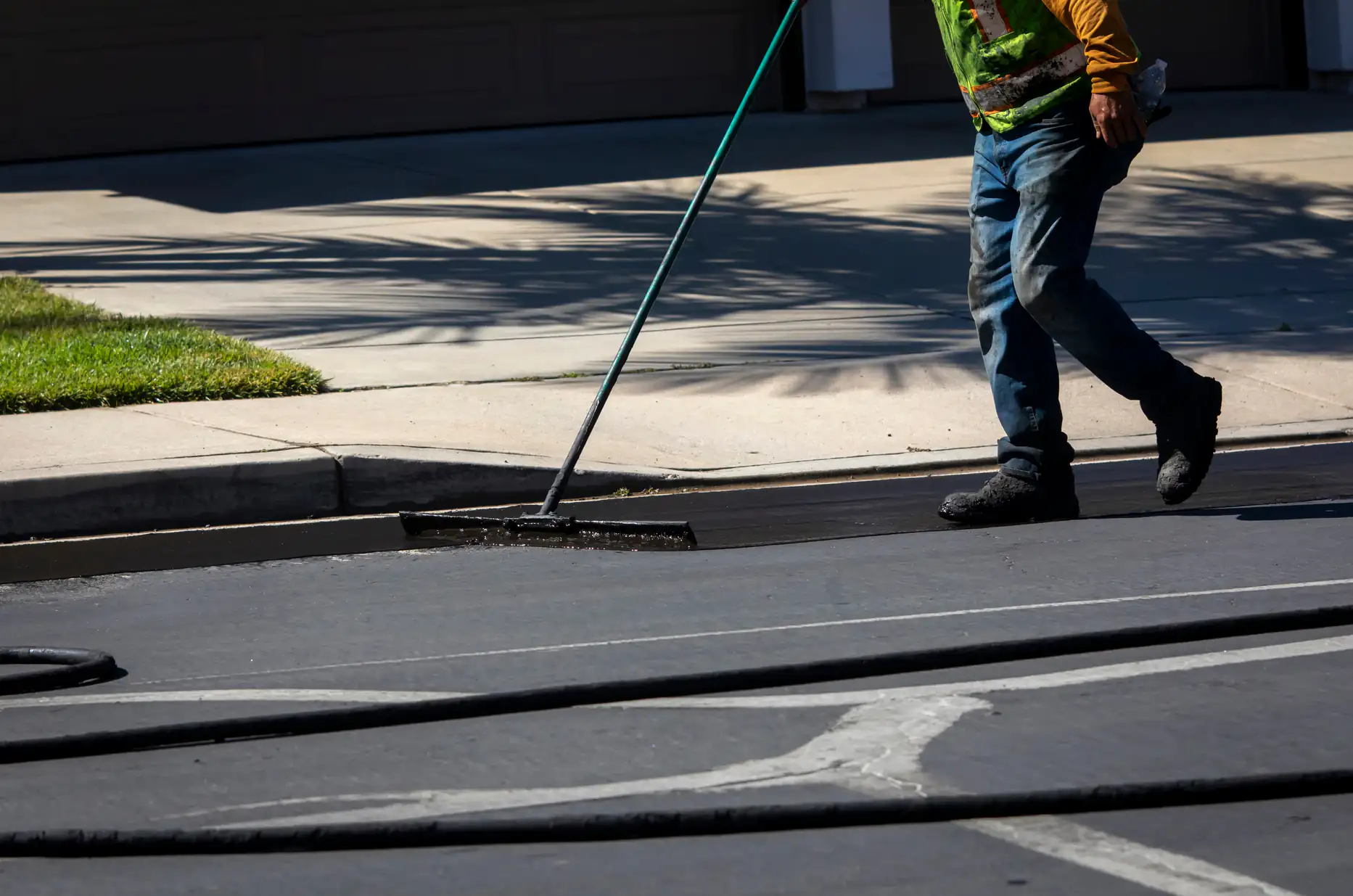
Then we apply two coats of high-quality asphalt emulsion sealer. The first coat soaks in and creates the protective base layer. The second coat – which we always recommend for New Jersey driveways – adds thickness and durability. Two coats last 3-4 years instead of 1-2 years with a single coat.
The driveway needs 24-48 hours to cure depending on temperature and humidity. We’ll tell you exactly when you can drive on it. Rush it, and you’ll leave tire marks in uncured sealer.
Ready to get started?
Driveway sealing in Ledgewood typically runs $0.15 to $0.40 per square foot. A standard residential driveway costs $300-500 for a quality two-coat application. That’s higher than national averages because labor costs more in New Jersey and our climate demands better materials.
You’re paying for proper surface prep, crack filling, premium asphalt emulsion sealer, and two full coats applied at the right thickness. Cheaper quotes usually mean watered-down sealer, one thin coat, or skipped prep work. Those jobs fail early.
The investment makes sense when you compare it to alternatives. Ignoring maintenance means replacing your driveway in 10-12 years instead of 20-25 years. Emergency patching and repairs cost three times more than preventive sealcoating. A full replacement runs $5,000-8,000 for most Ledgewood driveways.
Timing matters too. Fall is ideal in Morris County – temperatures are moderate, humidity is lower, and you’re protecting the surface before winter hits. Spring works if your driveway survived winter without major damage. We don’t sealcoat when temperatures drop below 50°F or when rain is forecast within 24 hours.
Every 2-3 years for most Ledgewood driveways. The freeze-thaw cycles we get in Morris County are harder on asphalt than in other parts of the state, so you can’t stretch it to 4-5 years like homeowners in South Jersey might.
If your driveway gets full sun exposure, you might need to reseal closer to every 2 years because UV damage accelerates surface breakdown. Driveways in shade can sometimes go 3 years between applications.
You’ll know it’s time when the surface starts looking gray instead of black, or when water stops beading up and starts soaking in. Once water penetrates the surface, you’re on borrowed time before freeze-thaw damage starts.
Sealcoating is maintenance – it protects the existing asphalt surface. Paving is replacement – it means your driveway is too far gone to save with sealcoating alone.
Sealcoating applies a thin protective layer over structurally sound asphalt. It fills small surface cracks, blocks water infiltration, and restores the black color. It costs $300-500 for most driveways and takes one day.
Paving means removing the old asphalt, regrading the base if needed, and installing new hot mix asphalt. It costs $5,000-8,000 for a typical driveway and takes several days. You need paving when you have large potholes, significant cracking throughout the surface, or base failure causing settling and drainage problems.
Regular sealcoating prevents you from needing to repave. Skip the maintenance, and you’ll end up paying for replacement years earlier than necessary.
Yes, but timing matters. New asphalt needs 6-12 months to cure before the first sealcoating. The oils in fresh asphalt have to evaporate and oxidize before sealer will bond properly.
If your driveway is older and has never been sealed, we need to assess the condition first. Surface oxidation and minor cracking are fine – sealcoating will help. But if there’s structural damage, alligatoring, or base failure, sealcoating won’t fix those problems.
For driveways that have gone years without sealing, we often recommend a more aggressive prep process. That might include crack routing and filling, patching damaged sections, and possibly a primer coat before the sealer goes down. The goal is to stabilize what’s there and give you several more years of life before you need to consider replacement.
Because they’re cutting corners somewhere. Usually it’s watered-down sealer, skipped prep work, or only one thin coat instead of two proper coats.
Asphalt emulsion sealer has a recommended application rate. Diluting it beyond that rate means it won’t provide adequate protection. Some contractors water down material to increase profit margins or to undercut competitors on price. You’ll see the driveway start failing within a year.
Other times, the low price reflects skipped steps. No crack filling. No cleaning. No edging. The sealer goes over dirt and debris, doesn’t bond properly, and peels off in sheets during the first winter.
The material cost alone for quality sealer, crack filler, and proper coverage is $150-200 for an average driveway. Add labor, equipment, insurance, and overhead, and there’s a floor below which the numbers don’t work unless someone’s taking shortcuts. If a quote seems too good to be true, it probably is.
If it rains before the sealer cures, it can wash away material, leave streaks, or prevent proper bonding. That’s why we check the forecast carefully and won’t start a job if rain is expected within 24 hours.
Asphalt sealer needs 4-6 hours of dry time before light rain won’t damage it, and 24 hours before it’s fully cured. Temperature and humidity affect cure time – hot, dry days cure faster than cool, humid days.
If unexpected rain hits during the cure window, the damage depends on timing and intensity. Light mist after 4-6 hours usually won’t cause problems. Heavy rain after 2 hours can ruin the job and require reapplication.
This is why experience matters. We’ve been doing this in Morris County long enough to read local weather patterns and know when conditions are right. We’d rather reschedule than rush a job and have it fail because we ignored a forecast.
No. Sealcoating protects the surface – it doesn’t repair structural damage. Cracks and potholes need to be filled or patched before we apply sealer.
Small cracks (less than 1/4 inch) get filled with hot rubberized crack filler that flexes with temperature changes. Larger cracks might need routing and filling. Potholes require patching with hot mix asphalt, compacting it properly, and letting it set before sealcoating over it.
If we just sealcoat over cracks without filling them, water will still get underneath and cause freeze-thaw damage. The sealer might hide the crack temporarily, but it’ll reappear within months and be worse than before.
That’s why honest contractors include crack filling in their sealcoating estimates, or at least call out what needs repair before sealing. If someone quotes you for sealcoating without mentioning your visible cracks, they’re either not paying attention or planning to do an incomplete job.